Personal Property Damages For Rent In Clark
Description
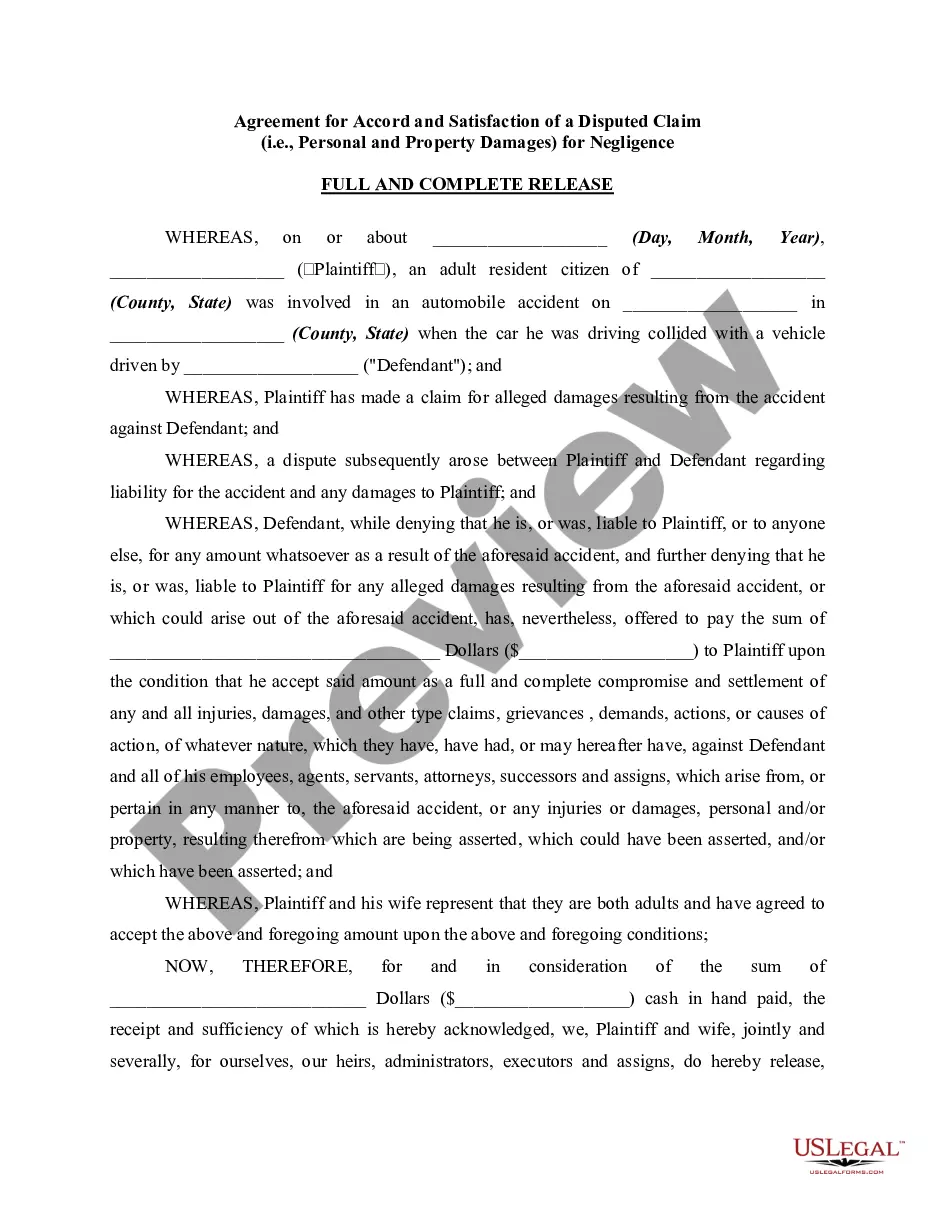
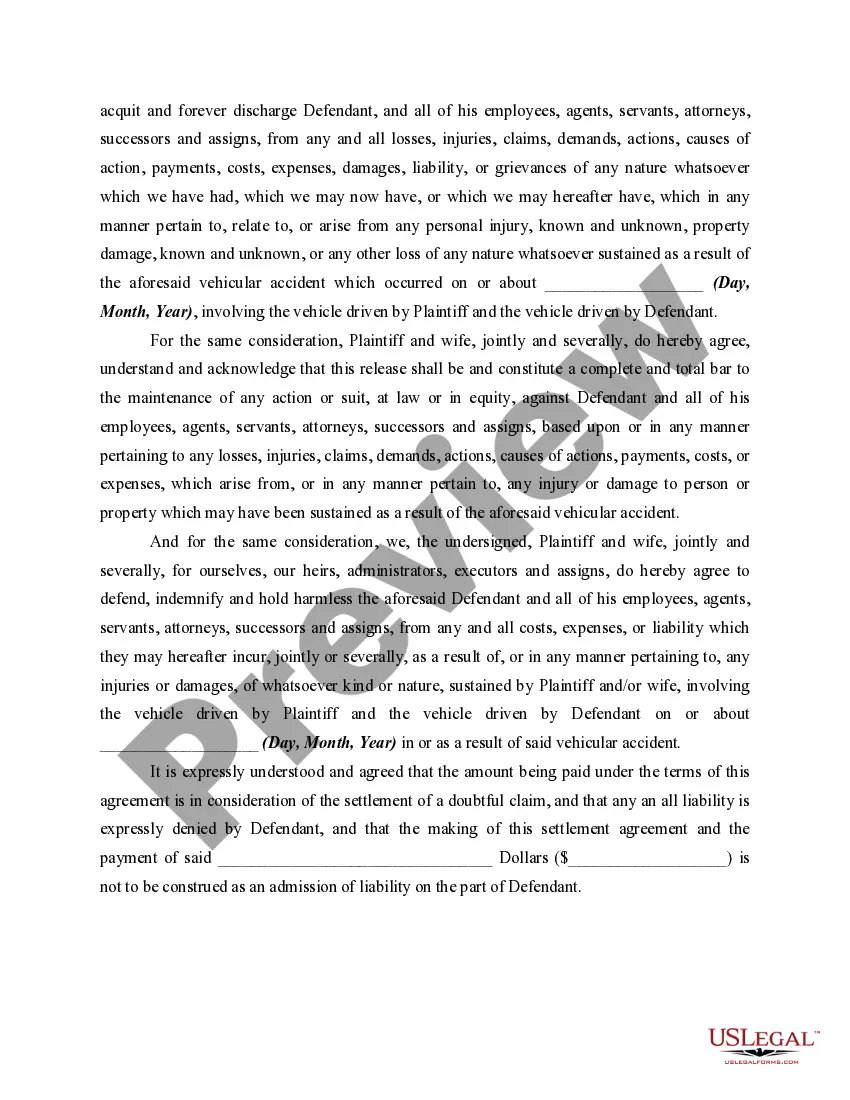
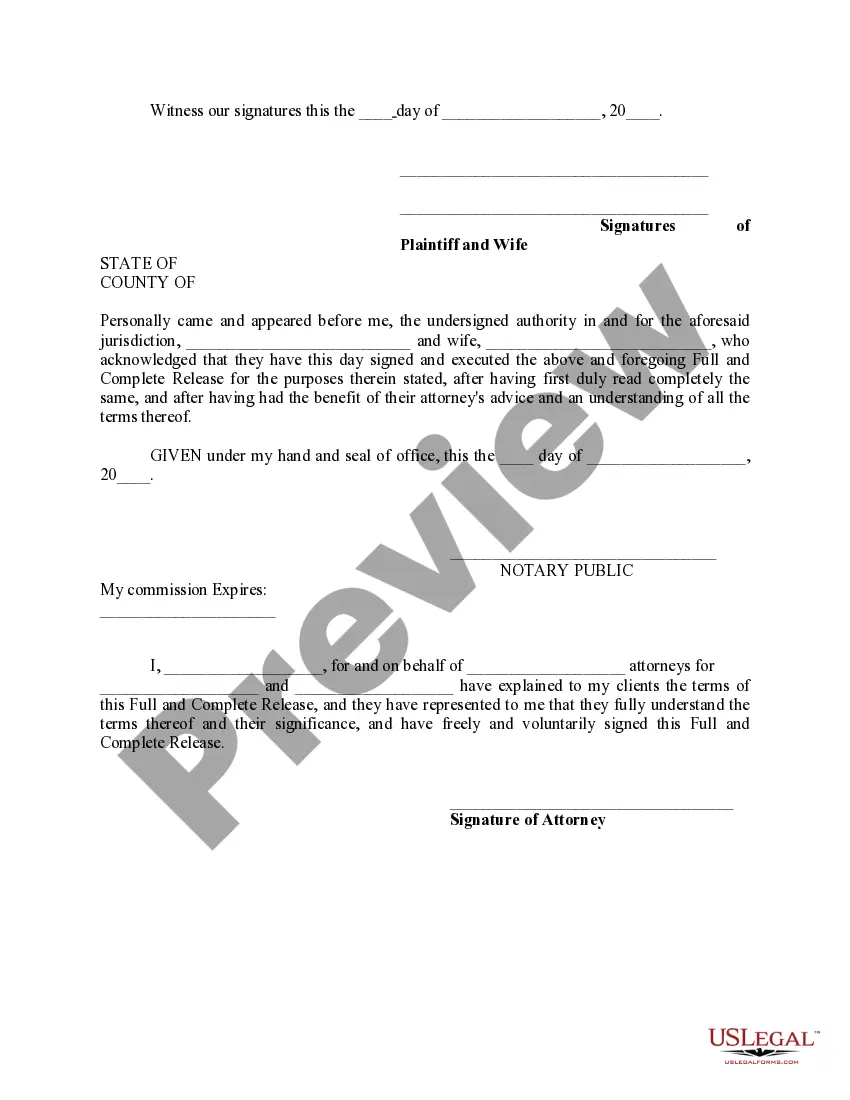

Get your form ready online
Our built-in tools help you complete, sign, share, and store your documents in one place.
Make edits, fill in missing information, and update formatting in US Legal Forms—just like you would in MS Word.
Download a copy, print it, send it by email, or mail it via USPS—whatever works best for your next step.
Sign and collect signatures with our SignNow integration. Send to multiple recipients, set reminders, and more. Go Premium to unlock E-Sign.
If this form requires notarization, complete it online through a secure video call—no need to meet a notary in person or wait for an appointment.
We protect your documents and personal data by following strict security and privacy standards.

Make edits, fill in missing information, and update formatting in US Legal Forms—just like you would in MS Word.

Download a copy, print it, send it by email, or mail it via USPS—whatever works best for your next step.

Sign and collect signatures with our SignNow integration. Send to multiple recipients, set reminders, and more. Go Premium to unlock E-Sign.

If this form requires notarization, complete it online through a secure video call—no need to meet a notary in person or wait for an appointment.

We protect your documents and personal data by following strict security and privacy standards.
Looking for another form?

Form popularity
FAQ
Personal property left behind The landlord is allowed to dispose of abandoned personal property, with some limitations. It's typical in most states that the landlord must wait a certain amount of time before selling or discarding personal property, and Nevada does have a 30 day time frame.
Personal property definition The IRS categorizes personal property as tangibles and intangibles. Tangible personal property: It includes items like cars, clothes, furniture, artwork, collectibles, and anything else that isn't attached to real estate.
Your landlord must give you 60 days written notice before increasing rent on month-to-month tenancies. Late fees can't be more than 5% of your periodic rent. Your security deposit can't be more than three times your rent.
Easily the largest county by population in Nevada, Clark County contains almost 75% of the state's residents and includes Las Vegas. The effective property tax in the county is 0.51%, nearly the same as the statewide average and significantly lower than the national average.
The personal property declaration is a list of all personal property owned, rented, leased, or controlled, as of July 1st. The declaration must be filed annually no later than July 31st. If the notice was mailed after July 15th , the owner has 15 days to file the declaration.
Assessed value is computed by multiplying the taxable value by 35%, rounded to the nearest $1.00.
Ing to Nevada Revised Statutes, all property that is not defined or taxed as "real estate" or "real property" is considered to be "personal property." Taxable personal property includes manufactured homes, aircraft, and all property used in conjunction with a business.
When you get evicted what happens to your stuff in Nevada? Landlords must safely store tenant's belongings for at least 30 days after eviction. Landlords must then notify the tenant, in writing, that they intend to dispose of the tenant's personal belongings once the 30 days have expired.
Unfortunately, the time for the courts to help you get back onto the rental property has passed as more than 5 judicial days have passed since the unlawful act. However, Nevada law requires landlords to store property that's left behind for 30 days following eviction, abandonment, move out, etc.