Denied Claim Agreement For Service In Palm Beach
Description
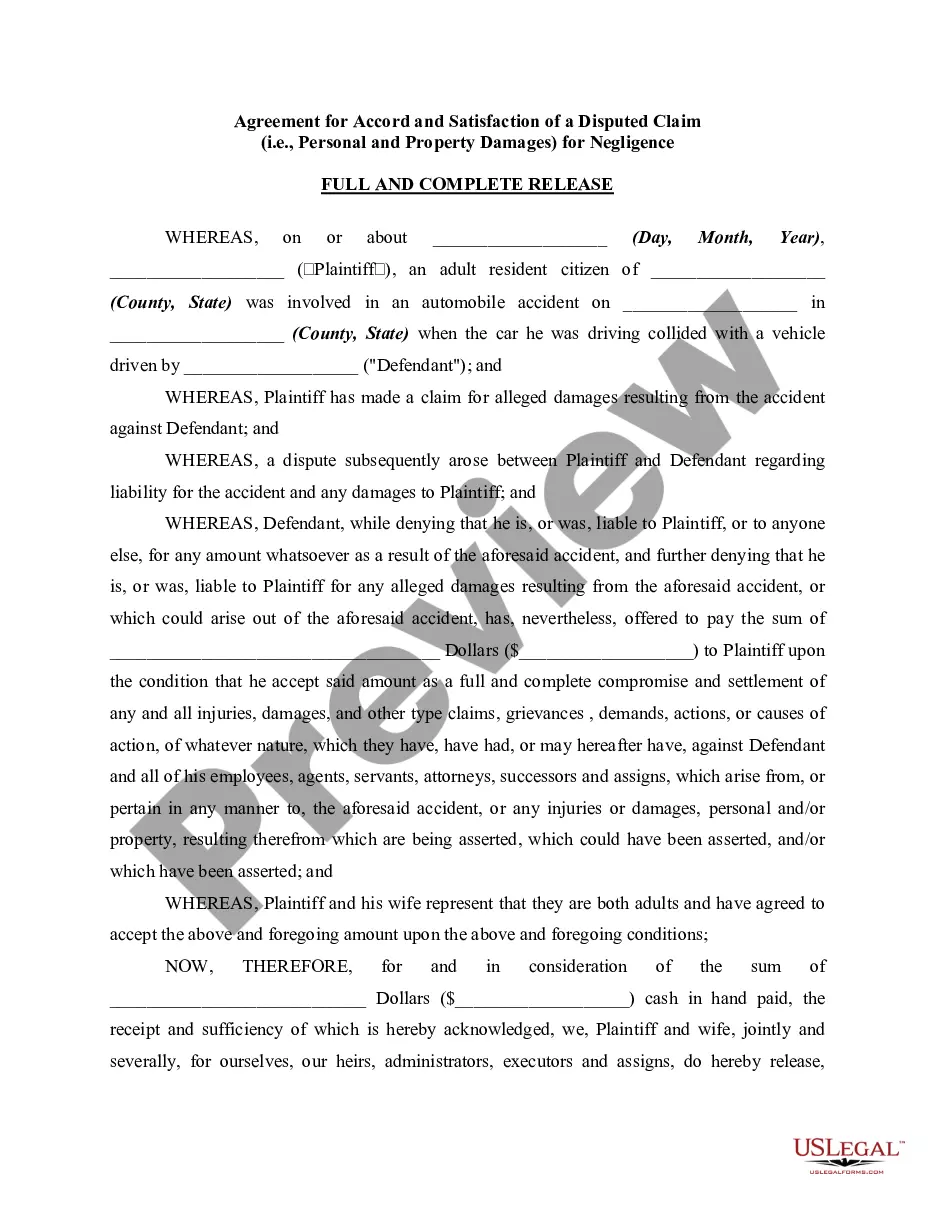
Get your form ready online
Our built-in tools help you complete, sign, share, and store your documents in one place.
Make edits, fill in missing information, and update formatting in US Legal Forms—just like you would in MS Word.
Download a copy, print it, send it by email, or mail it via USPS—whatever works best for your next step.
Sign and collect signatures with our SignNow integration. Send to multiple recipients, set reminders, and more. Go Premium to unlock E-Sign.
If this form requires notarization, complete it online through a secure video call—no need to meet a notary in person or wait for an appointment.
We protect your documents and personal data by following strict security and privacy standards.
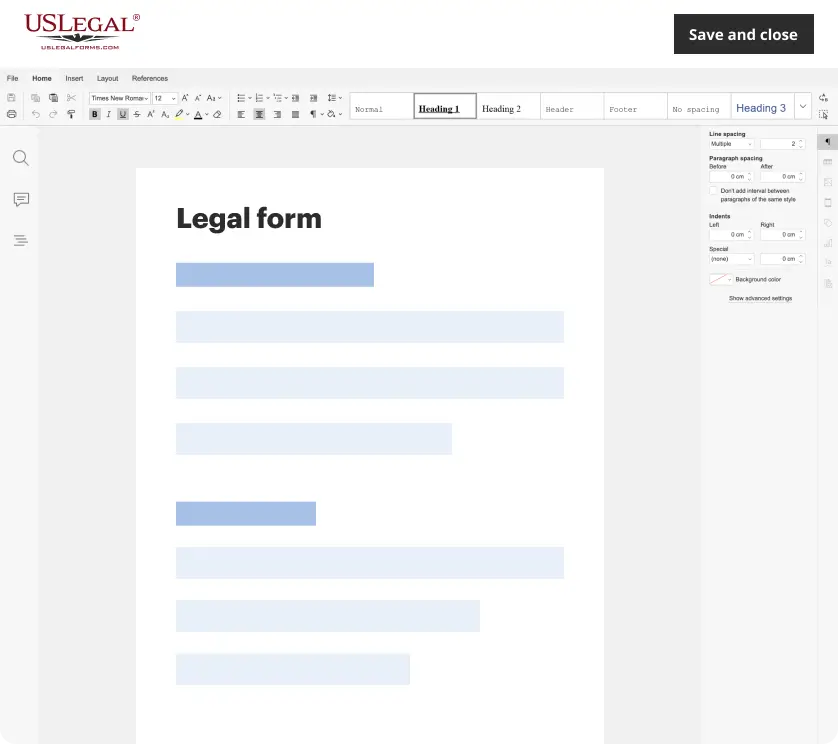
Make edits, fill in missing information, and update formatting in US Legal Forms—just like you would in MS Word.
Download a copy, print it, send it by email, or mail it via USPS—whatever works best for your next step.
Sign and collect signatures with our SignNow integration. Send to multiple recipients, set reminders, and more. Go Premium to unlock E-Sign.
If this form requires notarization, complete it online through a secure video call—no need to meet a notary in person or wait for an appointment.
We protect your documents and personal data by following strict security and privacy standards.
Looking for another form?


Form popularity
FAQ
You can start the appeal process by calling your insurance provider. Ask for more details about the denial and review your appeal options. Your insurance agent can walk you through the appeals process to help get you started.
If you receive a denial letter review it carefully. Your insurer must provide to you in writing: Information on your right to file an appeal. The specific reason your claim or coverage request was denied. Detailed instructions on submission requirements.
Steps to Appeal a Health Insurance Claim Denial Step 1: Find Out Why Your Claim Was Denied. Step 2: Call Your Insurance Provider. Step 3: Call Your Doctor's Office. Step 4: Collect the Right Paperwork. Step 5: Submit an Internal Appeal. Step 6: Wait For An Answer. Step 7: Submit an External Review. Review Your Plan Coverage.
Some basic pointers for handling claims denials are outlined below. Carefully review all notifications regarding the claim. Be persistent. Don't delay. Get to know the appeals process. Maintain records on disputed claims. Remember that help is available.
You may also file a complaint by calling our office at 561-233-5500 Monday – Friday AM to PM, excluding County recognized holidays. An on-call Code Enforcement Officer is also available at 561-233-5523 for general questions Monday – Friday AM to PM, excluding County recognized holidays.
Top 7 Denial Management Strategies to Reduce Claims Denials Understand Why Claims were Denied. Streamline the Denial Management Process. Process Claims in a Week. Implement a Claims Denial Log. Identify Common Healthcare Claims Denial Trends. Outsource Your Medical Billing Denial Management Process.
What to Do if Your Insurance Company Denies Your Claim in India? Correct the Data. Inform your insurer about reinitiating the claim. Proper Documentation. In case the reason why your claim was not accepted was a missing document, then make sure to provide that document this time. Prove that Hospitalization was Recommended.
To file a bad faith insurance lawsuit, you and your attorney must present evidence proving that the insurance company violated the terms of your contract or Florida law. You need to show that they could – and should – have approved your claim if they had evaluated it honestly, fairly, and promptly.
If an insurance company denies a request or claim for medical treatment, insureds have the right to appeal to the company and also to then ask the Department of Insurance to review the denial. These actions often succeed in obtaining needed medical treatment, so a denial by an insurer is not the final word.

