Here Denied Claim For Insurance In Illinois
Description
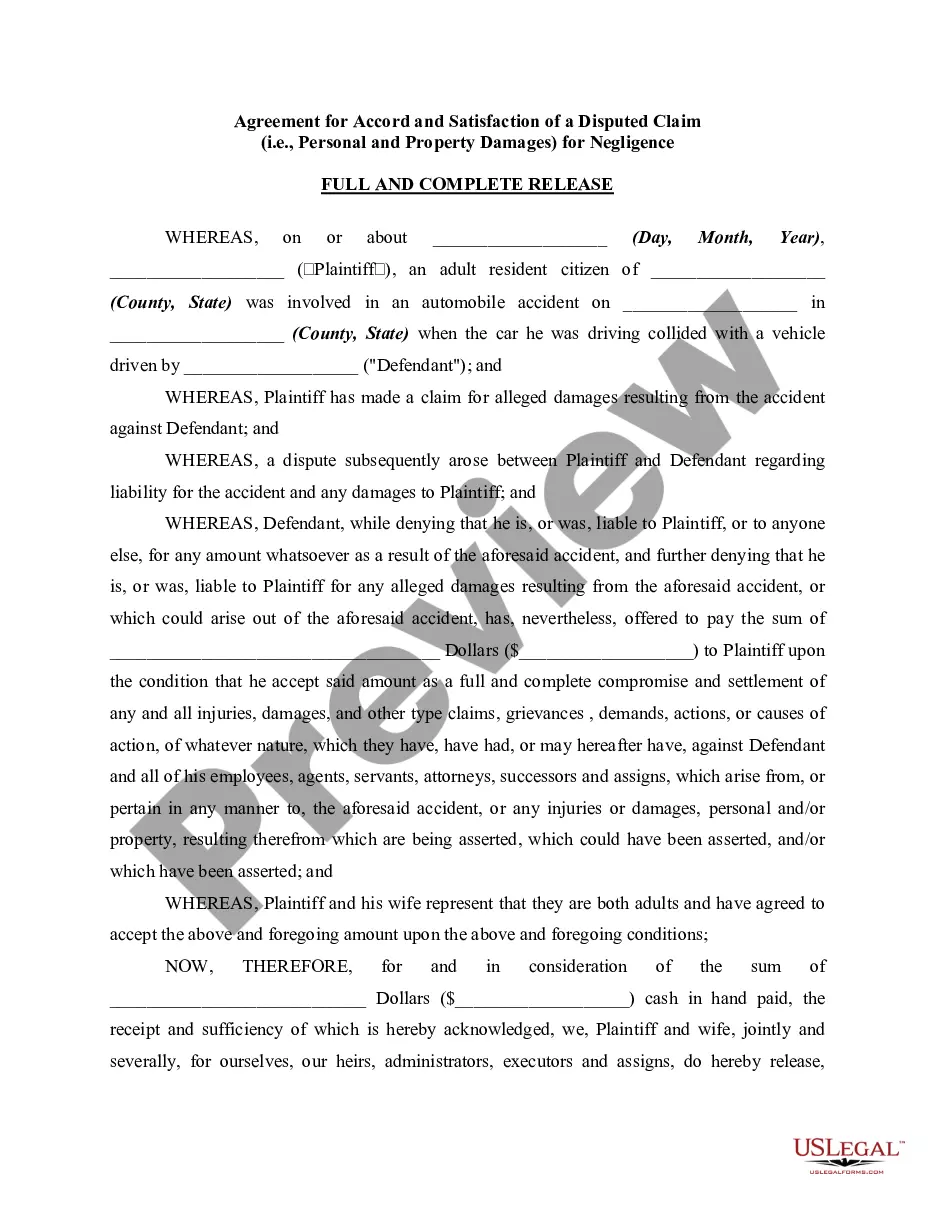
Get your form ready online
Our built-in tools help you complete, sign, share, and store your documents in one place.
Make edits, fill in missing information, and update formatting in US Legal Forms—just like you would in MS Word.
Download a copy, print it, send it by email, or mail it via USPS—whatever works best for your next step.
Sign and collect signatures with our SignNow integration. Send to multiple recipients, set reminders, and more. Go Premium to unlock E-Sign.
If this form requires notarization, complete it online through a secure video call—no need to meet a notary in person or wait for an appointment.
We protect your documents and personal data by following strict security and privacy standards.

Make edits, fill in missing information, and update formatting in US Legal Forms—just like you would in MS Word.

Download a copy, print it, send it by email, or mail it via USPS—whatever works best for your next step.

Sign and collect signatures with our SignNow integration. Send to multiple recipients, set reminders, and more. Go Premium to unlock E-Sign.

If this form requires notarization, complete it online through a secure video call—no need to meet a notary in person or wait for an appointment.

We protect your documents and personal data by following strict security and privacy standards.
Looking for another form?







Form popularity
FAQ
An insurance claims denial is when—at some point in that process—the insurer deems that the information provided is not relevant or satisfactory, or that the service itself was not provided appropriately, and so withholds payment to the physician.
I am writing to submit a formal claim under my business insurance policy, Policy Number, due to an incident that occurred on Date of Incident, resulting in significant losses to Business Name. I am Your Name and serve as Your Position at the company.
The insurance company may try to deny your claim for a host of reasons, including: Damages exceeding the limits of the insurance policy coverage. The existing coverage limits already being exhausted. The policy not including the appropriate kind of coverage.
The Most common reasons for claim rejection Incorrect or missing information on the claim form. Probably the most common reason that a claim is rejected is simple mistakes on the claim form. Errors in billing and coding. Prior authorization and referral issues. Duplicate billing. Timeliness of filing.
My name is patient and I am a policyholder of insurance company. I wish to file an appeal concerning insurance company name's denial of a claim for procedure name. I received an Explanation of Benefits dated provide date stating provide denial reason directly from letter.
A claim rejection occurs before the claim is processed and most often results from incorrect data. Conversely, a claim denial applies to a claim that has been processed and found to be unpayable. This may be due to terms of the patient-payer contract or for other reasons that emerge during processing.
To Whom It May Concern: I am writing to request a review of your denial of the claim for treatment or services provided by name of provider on date provided. The reason for denial was listed as (reason listed for denial), but I have reviewed my policy and believe treatment or service should be covered.
How to write a denial letter Restate the request. To prevent unnecessary confusion, restate the request your employee made in a few brief sentences. Be specific. Provide a specific reason for your denial. Offer an alternative if possible. Remain polite and professional.
Omissions or inaccuracies in your insurance application The insurer can reject your claim if they have reason to believe you didn't take reasonable care to answer all the questions on the application truthfully and accurately. A common example is failure to disclose a pre-existing medical condition.
Ensuring that all patient demographic data is up to date and entered correctly in the system will prevent these types of denials. If your site has verified with the patient or policyholder that all data is correct, the patient should contact their insurance carrier to make the appropriate demographic data corrections.

