Here Denied Claim For Knees
Description
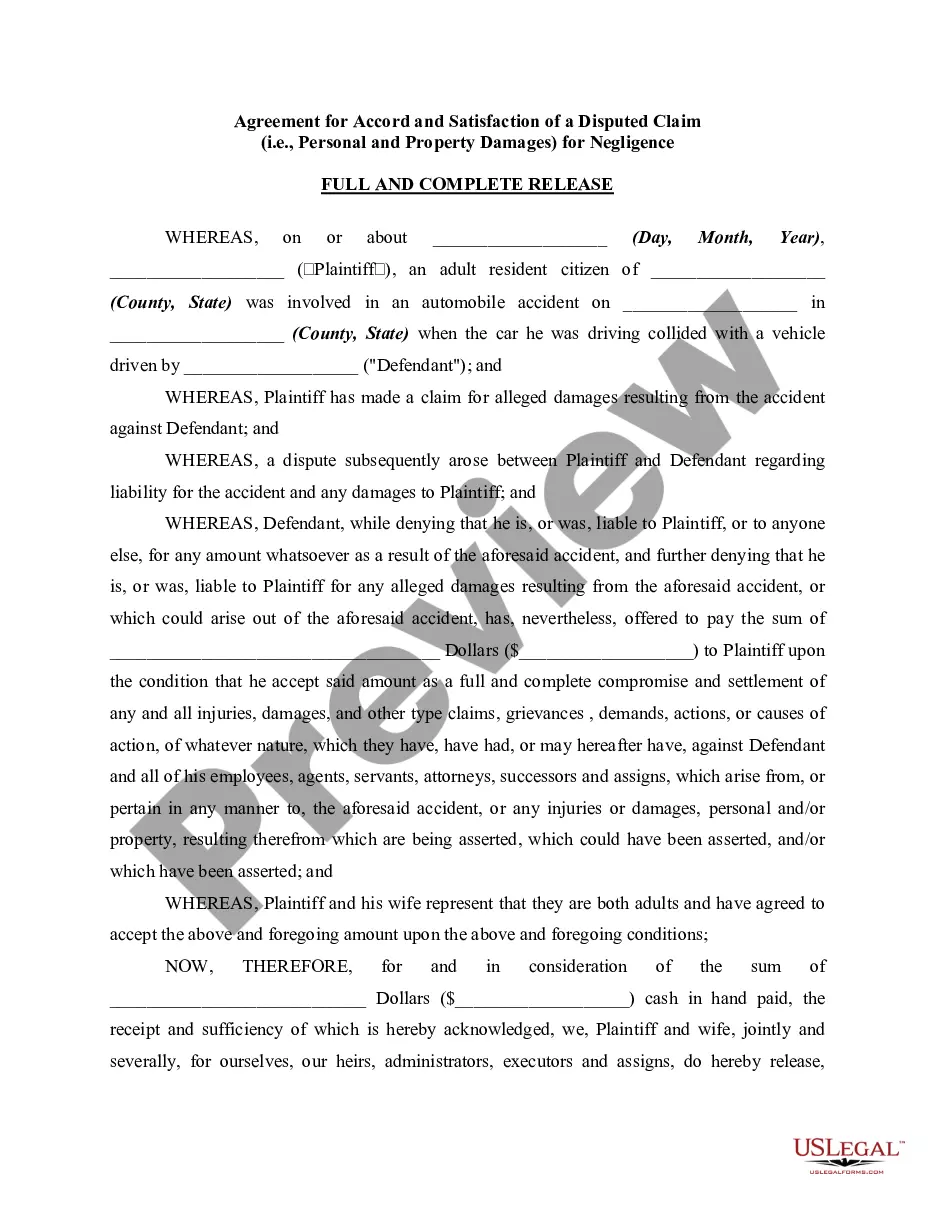
Get your form ready online
Our built-in tools help you complete, sign, share, and store your documents in one place.
Make edits, fill in missing information, and update formatting in US Legal Forms—just like you would in MS Word.
Download a copy, print it, send it by email, or mail it via USPS—whatever works best for your next step.
Sign and collect signatures with our SignNow integration. Send to multiple recipients, set reminders, and more. Go Premium to unlock E-Sign.
If this form requires notarization, complete it online through a secure video call—no need to meet a notary in person or wait for an appointment.
We protect your documents and personal data by following strict security and privacy standards.

Make edits, fill in missing information, and update formatting in US Legal Forms—just like you would in MS Word.

Download a copy, print it, send it by email, or mail it via USPS—whatever works best for your next step.

Sign and collect signatures with our SignNow integration. Send to multiple recipients, set reminders, and more. Go Premium to unlock E-Sign.

If this form requires notarization, complete it online through a secure video call—no need to meet a notary in person or wait for an appointment.

We protect your documents and personal data by following strict security and privacy standards.
Looking for another form?
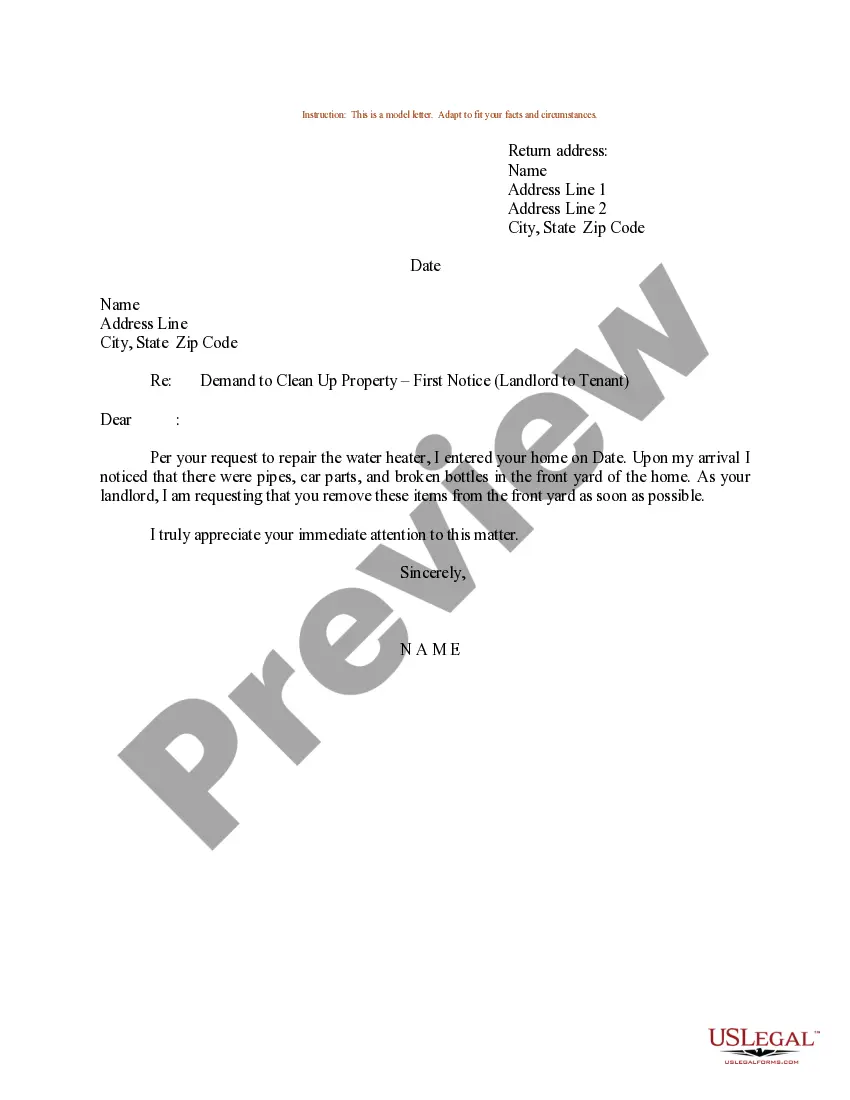


How to fill out Agreement For Accord And Satisfaction Of A Disputed Claim?
Handling legal papers and processes can be a lengthy addition to your day.
Here, Denied Claim For Knees and similar forms usually necessitate you to look for them and figure out how to fill them out correctly.
Thus, whether you are managing financial, legal, or personal issues, utilizing a comprehensive and user-friendly online library of forms at your convenience will be extremely beneficial.
US Legal Forms stands out as the premier online platform for legal documents, boasting over 85,000 state-specific templates and a variety of resources to help you finalize your paperwork swiftly.
Are you using US Legal Forms for the first time? Register and create an account in moments, granting you access to the form library and Here Denied Claim For Knees. Then, follow the steps below to finish your form.
- Uncover the collection of relevant documents accessible to you with just one click.
- US Legal Forms provides you with state- and county-specific documents available for download at any time.
- Streamline your document organization process by using a top-notch service that enables you to assemble any form in mere minutes without any extra or hidden charges.
- Simply Log In to your account, locate Here Denied Claim For Knees, and retrieve it directly from the My documents section.
- You can also access previously saved forms.
Form popularity
FAQ
Determining the worth of your knee claim involves assessing medical costs, long-term impacts on your life, and any emotional distress experienced. Engaging with a professional or platforms like uslegalforms can aid in better understanding your claim's value. This is crucial, especially if you find yourself navigating a denied claim for knees and want to ensure you receive the compensation you deserve.
Compensation for a knee injury can fluctuate based on multiple components, including medical treatment and recovery time. Typically, you might expect to see compensation that addresses not only your medical bills but also any lost opportunities for work. Clearly documenting your case will help maximize your compensation, particularly if dealing with a denied claim for knees.
A good settlement offer for a knee injury should realistically cover all your medical expenses, rehabilitation costs, and any lost income. Generally, a fair offer will also account for your pain and suffering. It is wise to consult with a legal expert or utilize resources like uslegalforms to understand your rights, especially if you've experienced a denied claim for knees.
The amount you can get for a knee injury claim often varies greatly depending on the specifics of your case. Factors such as the severity of your injury, medical costs, and lost wages play a significant role. It's important to gather all documentation related to your injury. Using uslegalforms can provide essential forms and information to support your case if you face a denied claim for knees.
To secure disability for your knee, you need to gather medical documentation that clearly shows the severity of your condition. This includes detailed reports from your healthcare providers about the diagnosis and its impact on your life. You can also utilize platforms like USLegalForms to streamline your claim process. If you have dealt with a denied claim for knees before, their resources can guide you through appealing the decision effectively.
Permanent disability can arise from severe knee injuries, such as total knee replacements or significant cartilage loss. These injuries often lead to chronic pain and mobility issues that affect everyday functions. It's crucial to document these injuries thoroughly in your claim. If your claim was denied, this information is vital for appealing a denied claim for knees.
The disability rating for knee problems can vary based on severity and impact on mobility. Ratings can range from 0% to 100%, depending on how much your condition limits your daily activities. Typically, more severe impairments receive a higher rating. If you've experienced a denied claim for knees, knowing the rating process can help you improve your case.
Several knee conditions can qualify you for disability benefits. These include osteoarthritis, rheumatoid arthritis, and severe ligament injuries. If you find that your knee issue limits your ability to work or perform daily activities, you may be eligible. Understanding these conditions can help if you face a denied claim for knees.
Securing VA disability for knee pain can be challenging, but it is not impossible. Factors such as strong medical documentation and a clear connection between service and your knee condition play essential roles. Many veterans successfully receive benefits, so do not be discouraged by initial setbacks. A denied claim for knees can be a stepping stone toward gathering the right evidence and improving your case.
If your VA claim is denied, first review the reasons for the denial provided in the letter. You can file an appeal, submit additional evidence, or request a higher-level review. Consider seeking assistance from organizations that specialize in VA claims for further guidance. They can help you navigate the appeals process effectively, especially regarding a denied claim for knees.
