Denied Claim Agreement With Mexico In Franklin
Description
Get your form ready online
Our built-in tools help you complete, sign, share, and store your documents in one place.
Make edits, fill in missing information, and update formatting in US Legal Forms—just like you would in MS Word.
Download a copy, print it, send it by email, or mail it via USPS—whatever works best for your next step.
Sign and collect signatures with our SignNow integration. Send to multiple recipients, set reminders, and more. Go Premium to unlock E-Sign.
If this form requires notarization, complete it online through a secure video call—no need to meet a notary in person or wait for an appointment.
We protect your documents and personal data by following strict security and privacy standards.

Make edits, fill in missing information, and update formatting in US Legal Forms—just like you would in MS Word.

Download a copy, print it, send it by email, or mail it via USPS—whatever works best for your next step.

Sign and collect signatures with our SignNow integration. Send to multiple recipients, set reminders, and more. Go Premium to unlock E-Sign.

If this form requires notarization, complete it online through a secure video call—no need to meet a notary in person or wait for an appointment.

We protect your documents and personal data by following strict security and privacy standards.
Looking for another form?

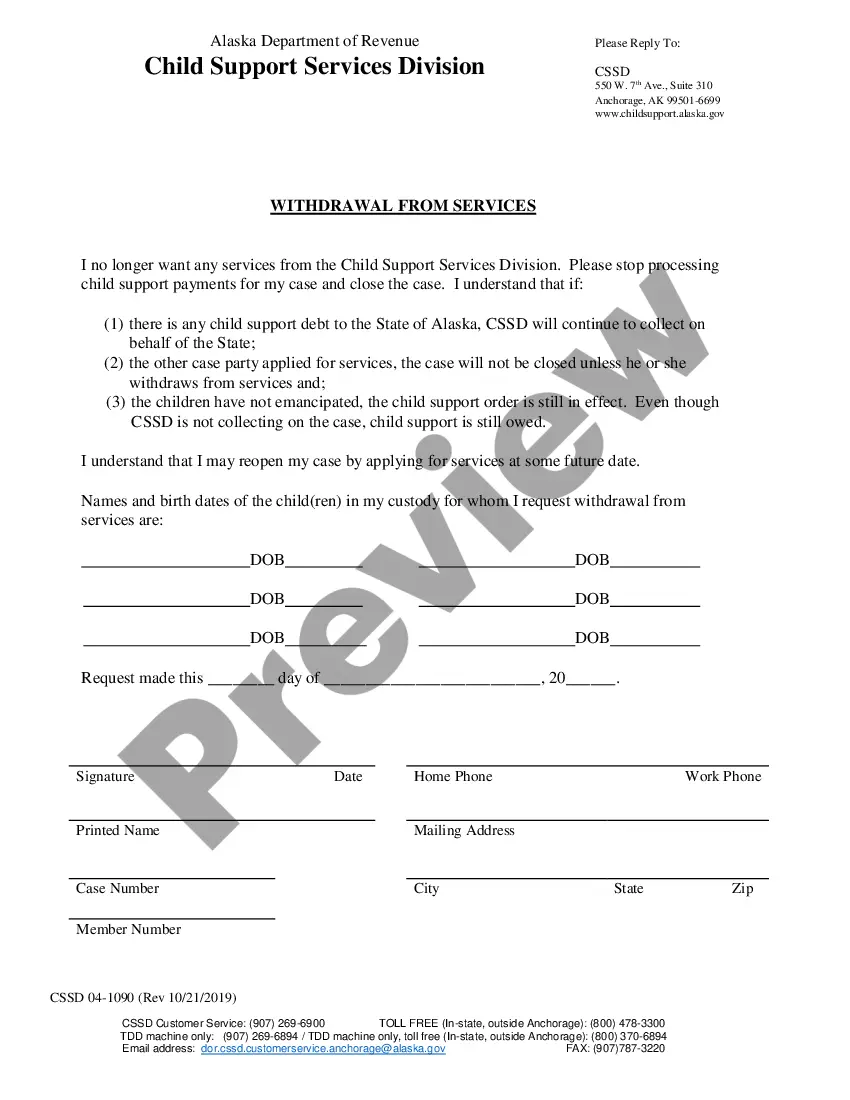
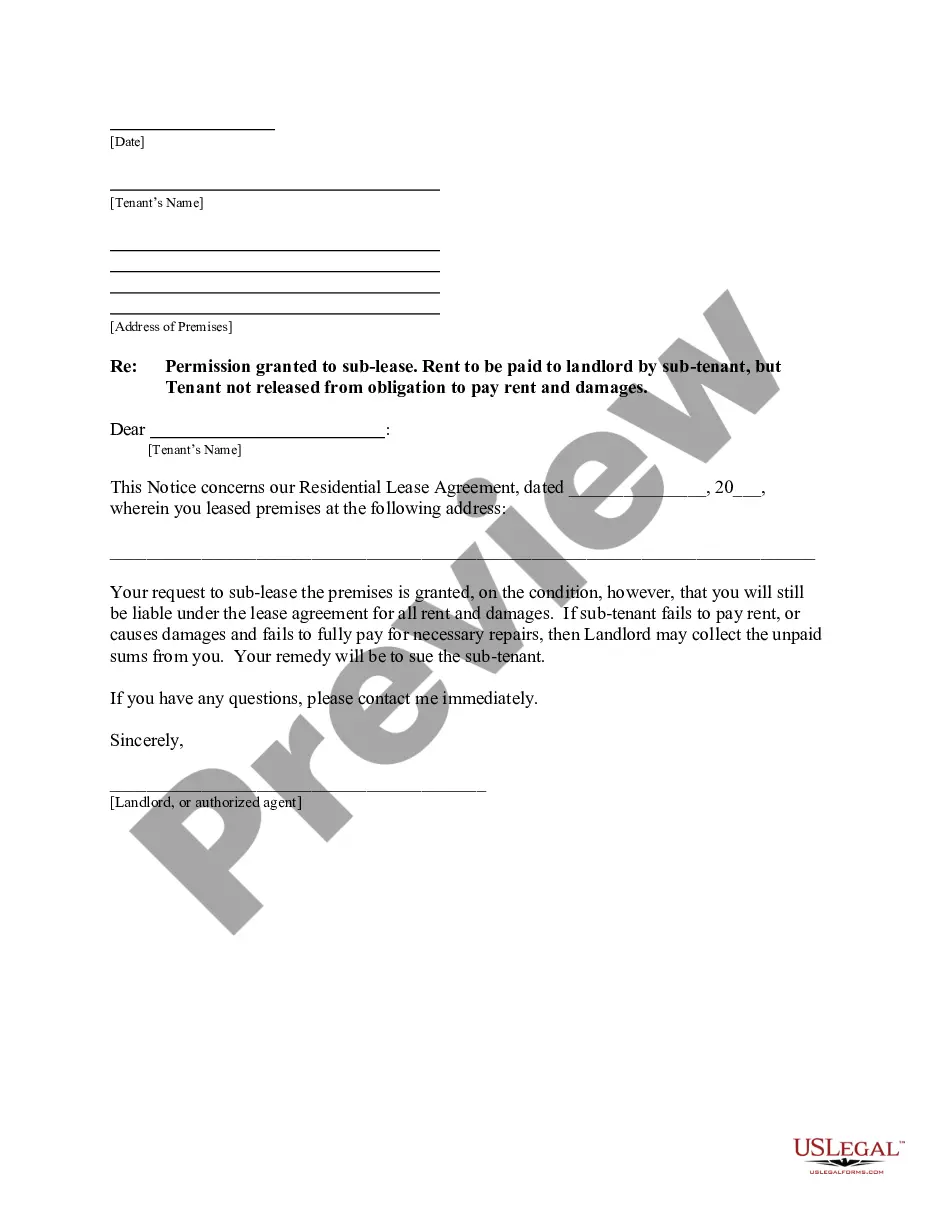
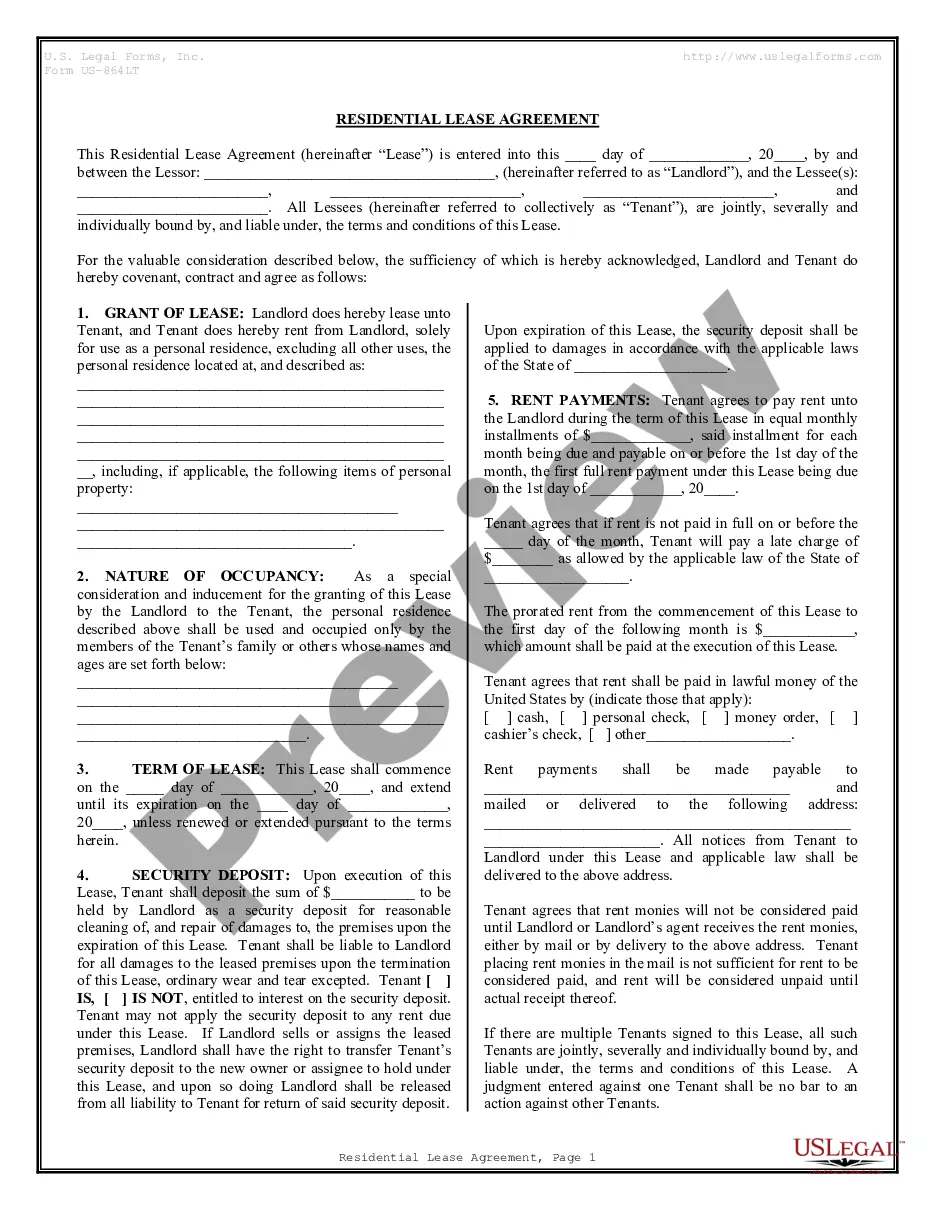
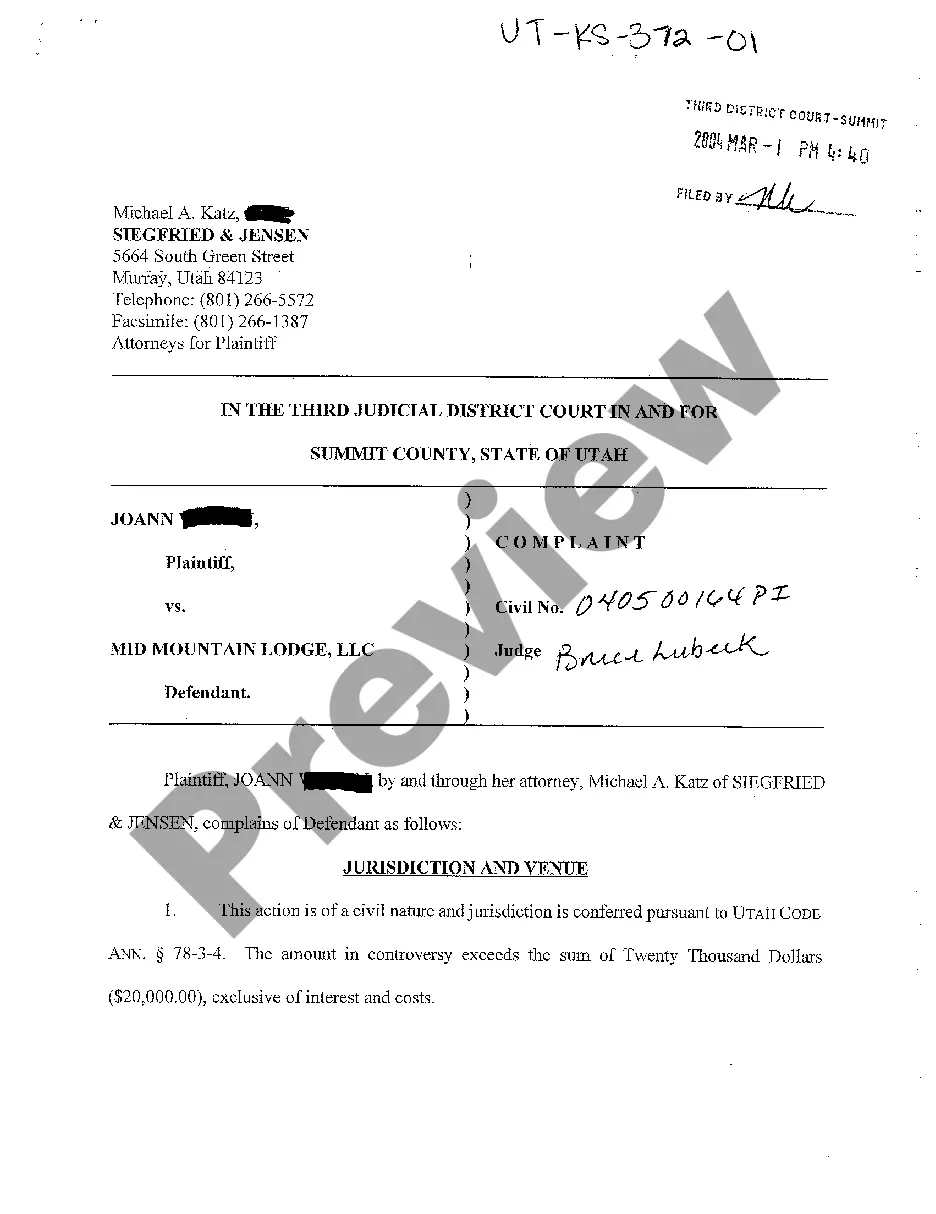
Form popularity
FAQ
The single most common reason for an alien being refused admission at a US port of entry is lack of proper entry documents; i.e. passport and/or visa.
Yes, Americans can live in Mexico. To do so, you'll need to apply for a temporary resident visa, which allows you to stay in the country for up to four years. Upon arrival in Mexico, you must visit the National Immigration Institute (INM) within 30 days to obtain your residence card.
To gain reentry into the U.S. it is important to have one of the following: US Passport book. Passport card. SENTRI or Global Entry. Enhanced Driver's License. Enhanced Tribal Card. FAST - for commercial drivers. NEXUS - for crossing the US/Canada border.
Visitors who do not require a visa, with a stay up to 180 days.
U.S. citizens entering the U.S. at sea or land ports of entry are required to have documents that comply with the Western Hemisphere Travel Initiative, which are a U.S. passport, a passport card, a trusted traveler card such as NEXUS, SENTRI, or FAST, or an enhanced driver's license.
If you are a U.S. citizen and have established your citizenship, you have the right to enter the U.S. This means that you can decline to answer the officer's questions, though doing so may delay your entry to the U.S. If you are a visa-holder or LPR, you have the same right to remain silent, but if you refuse to answer ...
Unless one is a Mexican national, a work visa is obligatory to comply with Mexican law and can be obtained fairly easily.
Citizens: You only have to answer questions establishing your identity and citizenship (in addition to customs-related questions). Refusal to answer other questions may cause delay, but officials may not deny you entry into the U.S. if you have established your identity and citizenship.
Between 1929 and 1939 at least 500,000 Mexicans and their U.S.-born children repatriated to Mexico. Fully half of them left Texas, primarily from five rural areas of Texas, but also from its cities.
Widely scapegoated for exacerbating the overall economic downturn of the Great Depression, many Mexicans lost their jobs. Mexicans were further targeted because of "the proximity of the Mexican border, the physical distinctiveness of mestizos, and easily identifiable barrios".

