Money Due To In Ohio
Description
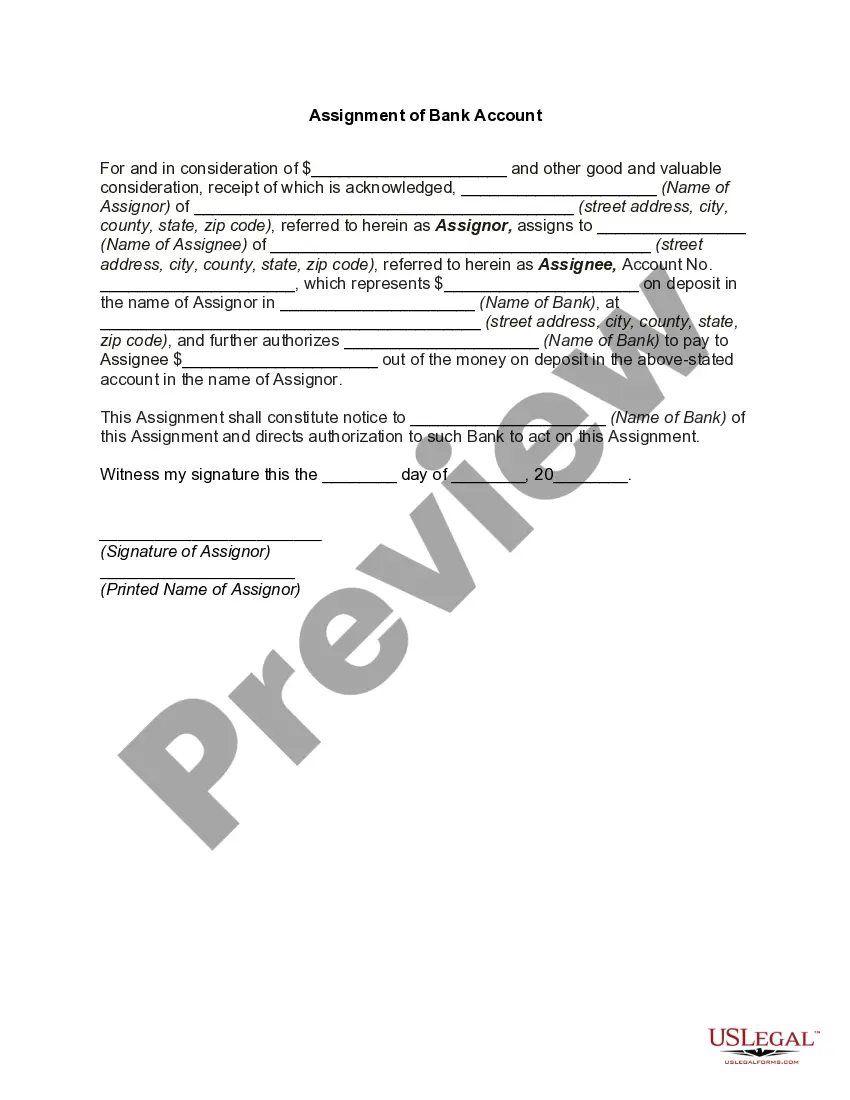
Get your form ready online
Our built-in tools help you complete, sign, share, and store your documents in one place.
Make edits, fill in missing information, and update formatting in US Legal Forms—just like you would in MS Word.
Download a copy, print it, send it by email, or mail it via USPS—whatever works best for your next step.
Sign and collect signatures with our SignNow integration. Send to multiple recipients, set reminders, and more. Go Premium to unlock E-Sign.
If this form requires notarization, complete it online through a secure video call—no need to meet a notary in person or wait for an appointment.
We protect your documents and personal data by following strict security and privacy standards.

Make edits, fill in missing information, and update formatting in US Legal Forms—just like you would in MS Word.

Download a copy, print it, send it by email, or mail it via USPS—whatever works best for your next step.

Sign and collect signatures with our SignNow integration. Send to multiple recipients, set reminders, and more. Go Premium to unlock E-Sign.

If this form requires notarization, complete it online through a secure video call—no need to meet a notary in person or wait for an appointment.

We protect your documents and personal data by following strict security and privacy standards.
Looking for another form?
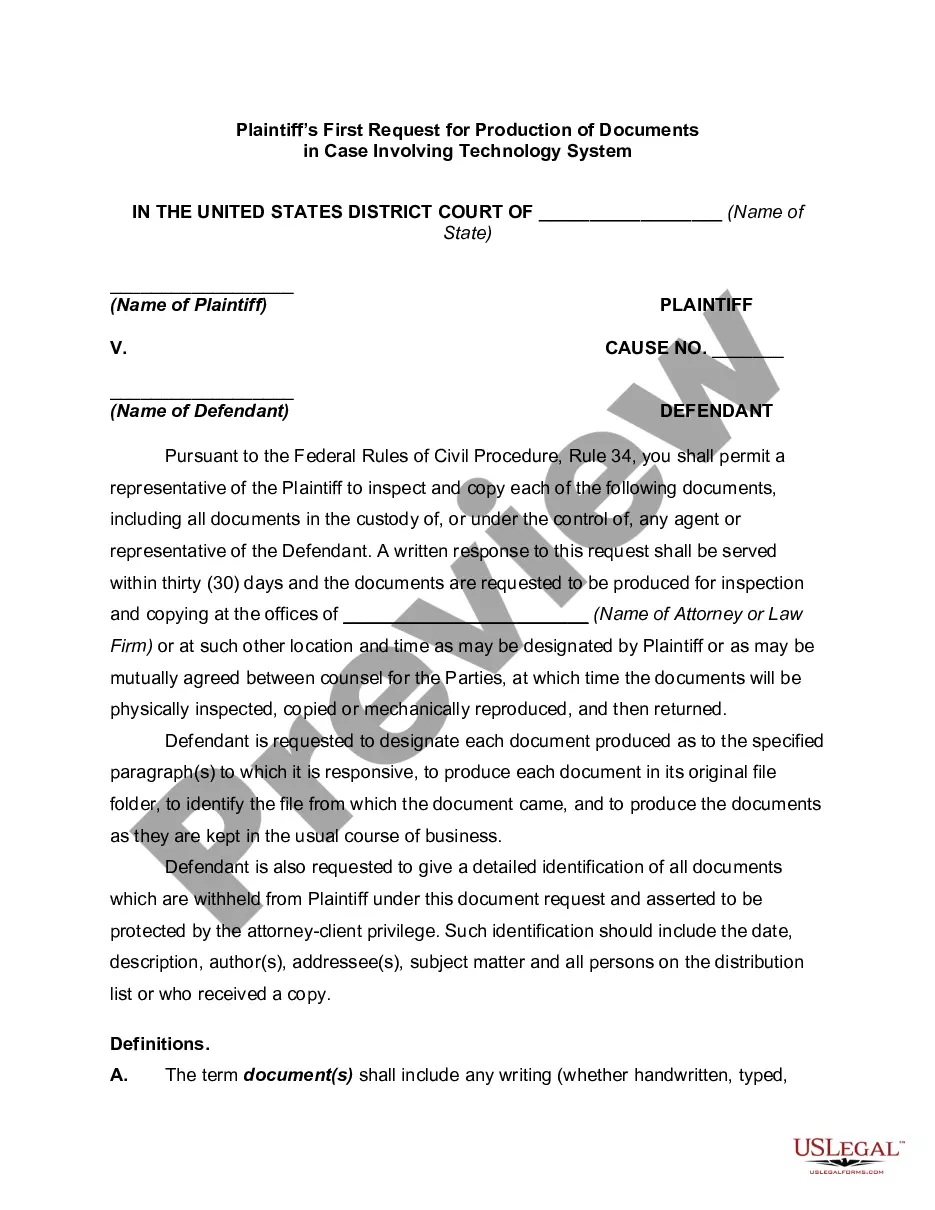
Form popularity
FAQ
Unclaimed funds are typically turned over to the government after a certain period of time has passed. To claim the funds or assets, the designated owner or beneficiary must file a claim. If the property is part of an estate, the claimant may have to prove their right to it.
All businesses that are located and/or operate in the State of Ohio or hold funds due to Ohio residents are required by law to report each year with the Division of Unclaimed Funds. Funds are turned over to the division when there has been no activity after 3-5 years and the holder of the funds can't locate the owner.
All businesses that are located and/or operate in the State of Ohio or hold funds due to Ohio residents are required by law to report each year with the Division of Unclaimed Funds. Funds are turned over to the division when there has been no activity after 3-5 years and the holder of the funds can't locate the owner.
The Ohio Department of Commerce's Division of Unclaimed Funds is currently safeguarding approximately $4 billion in Unclaimed Funds that is waiting to be claimed.
Who Must File? All businesses in the state of Ohio or any business holding funds due to Ohio residents are required to file an annual report of unclaimed funds. CPA's and attorneys that are in private practice are required to file an annual report of unclaimed funds.
To search unclaimed funds, use the Unclaimed Funds Locator, select “OHSB – Ohio Southern Bankruptcy Court” from the dropdown list, and enter the applicable search criteria. Alternatively, the Clerk's Office can verify unclaimed funds balances. Please contact the Clerk's Office for more information.
No mailing is required for accounts less than $50, however, applicable accounts would be reportable as an AGGREGATE total. There is no minimum amount reportable.
Filing Tip: If your federal adjusted gross income is more than $28,450, the Ohio Department of Taxation recommends filing an Ohio IT 1040 or IT 10 to avoid delinquency billings, even if you don't owe any taxes.
If you've lived in Ohio for the entire year, a part of the year, or have earned income sourced in Ohio, you will be required to file an Ohio state return. Generally, you'll need to file an Ohio IT 1040 if your federal adjusted gross income exceeds $28,450.
In order to file your none report, please log into your account on Ohio Business Gateway and file your report. Once on Ohio Business Gateway, you must first add a negative report to your dashboard. Then, you can file your none report.

