Rental Application Withdrawal In Michigan
Description


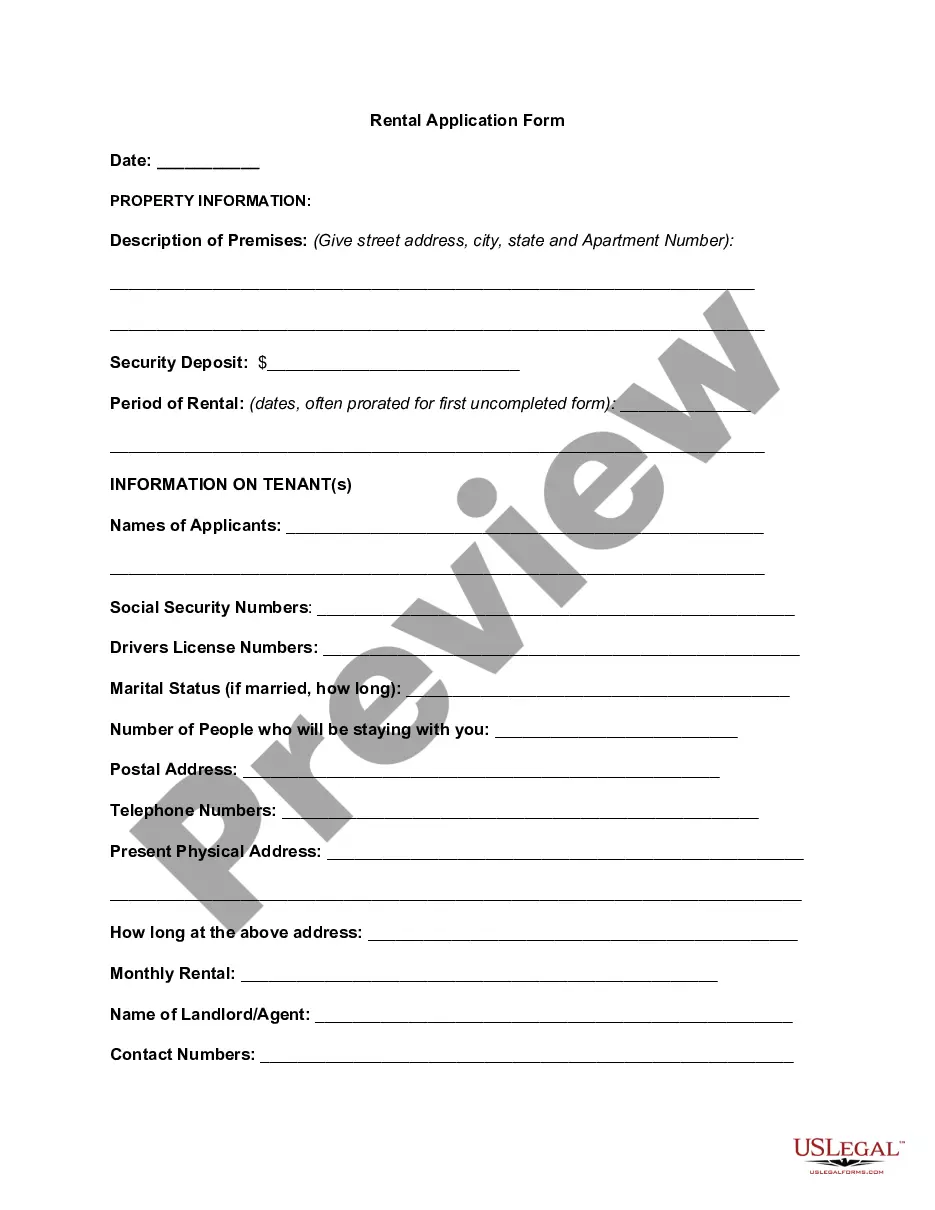
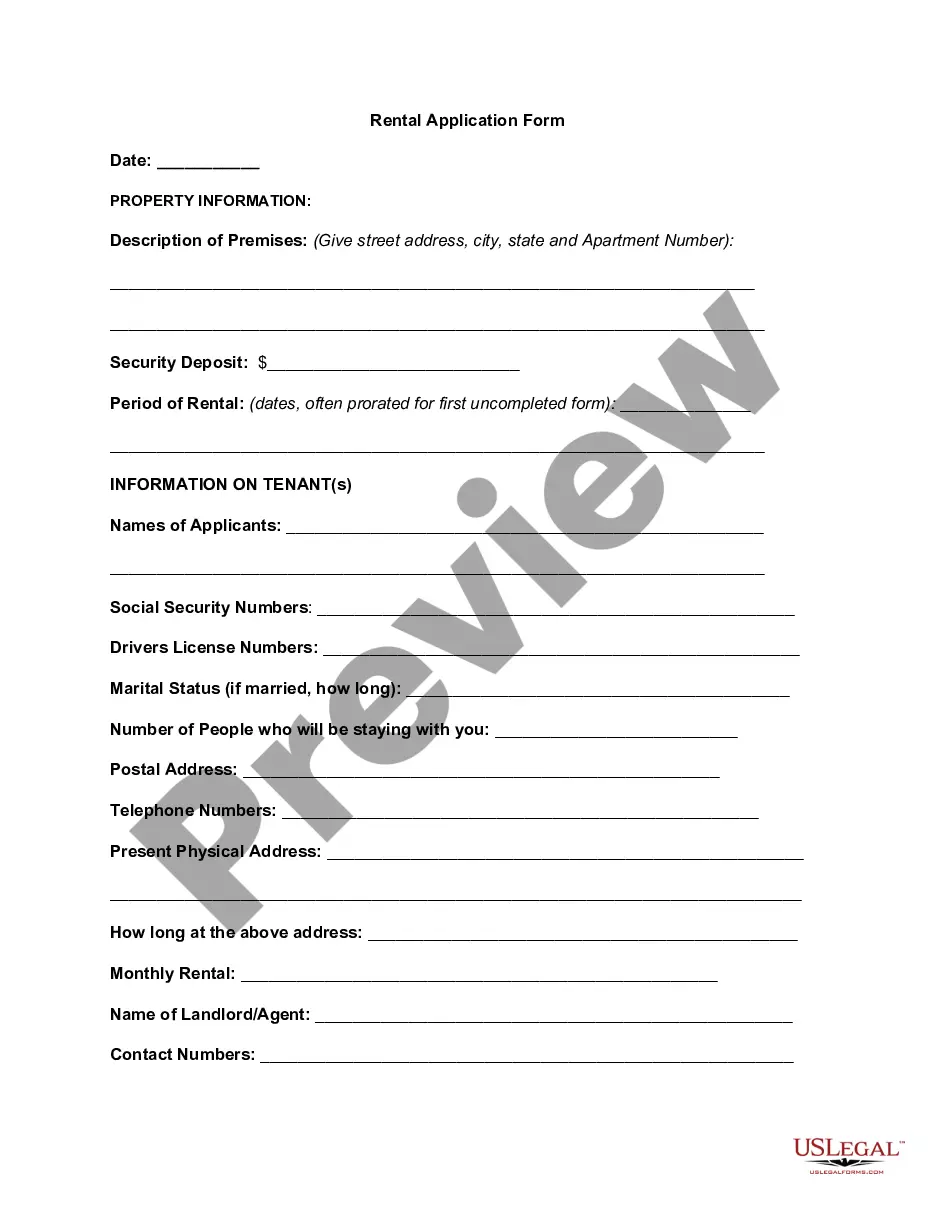
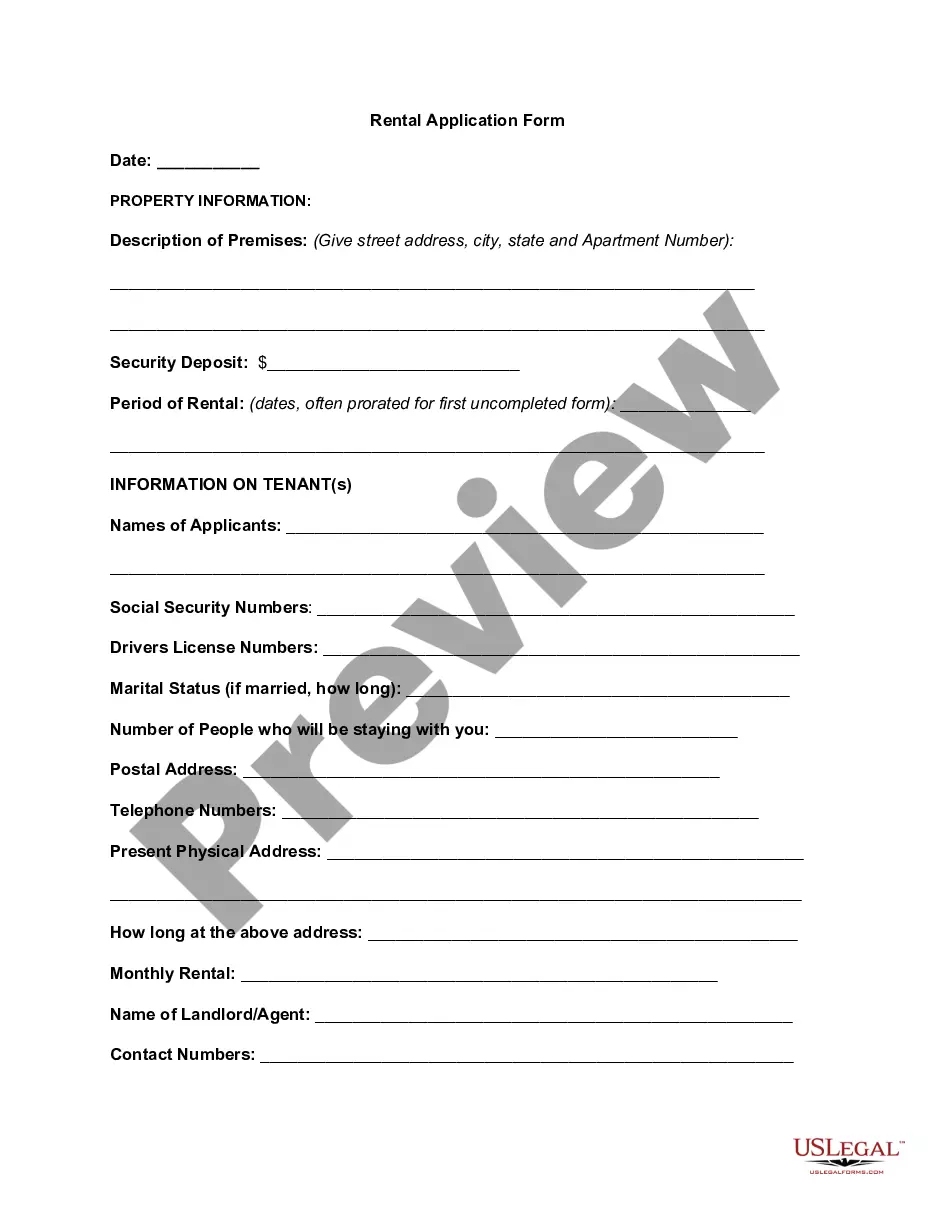
Get your form ready online
Our built-in tools help you complete, sign, share, and store your documents in one place.
Make edits, fill in missing information, and update formatting in US Legal Forms—just like you would in MS Word.
Download a copy, print it, send it by email, or mail it via USPS—whatever works best for your next step.
Sign and collect signatures with our SignNow integration. Send to multiple recipients, set reminders, and more. Go Premium to unlock E-Sign.
If this form requires notarization, complete it online through a secure video call—no need to meet a notary in person or wait for an appointment.
We protect your documents and personal data by following strict security and privacy standards.

Make edits, fill in missing information, and update formatting in US Legal Forms—just like you would in MS Word.

Download a copy, print it, send it by email, or mail it via USPS—whatever works best for your next step.

Sign and collect signatures with our SignNow integration. Send to multiple recipients, set reminders, and more. Go Premium to unlock E-Sign.

If this form requires notarization, complete it online through a secure video call—no need to meet a notary in person or wait for an appointment.

We protect your documents and personal data by following strict security and privacy standards.
Looking for another form?


Form popularity
FAQ
It's illegal for a landlord to evict you without going to court and getting an eviction order first. Your landlord can't do anything that prevents you from getting into or staying in your home without an eviction order.
If a tenant violates any terms of the lease agreement, the landlord must issue a 30-Day Notice to Quit. If the tenant resolves these issues on time, the eviction process does not continue. Lease violations may include: Damage to the rental property.
Step By Step – Landlord/Tenant Non-payment Of Rent Eviction Step 1 – Send Demand for Possession (Notice to Quit for Non Payment of Rent) to Tenant. Step 2 – Send Documents to your Attorney; at a minimum your attorney needs. Step 3 – File a Complaint for Non-Payment of Rent. Step 4 – Obtain a Judgment. Step 5 – Wait.
The landlord tenant laws that allow you to break a lease are different from state to state. In many places, you can get out of your lease without penalty for a number of reasons, such as domestic violence, an unsafe environment, or if you've been called up for military service.
Either you or your landlord can end the month-to-month lease with one month's notice. If your landlord wants you to move, you should be given a Notice to Quit for termination of tenancy. If you want to move, give your landlord a written, one month's notice. Always keep a copy of your notice for your records.
When a lease has a specific date to end the tenancy, the landlord can wait for that to finish before the tenant moves out. However, if there is an automatic renewal clause, the landlord must provide notice of 30 days, letting the tenant know their tenancy is terminated.
Here are some legally acceptable reasons for breaking a lease in Michigan. Early Termination Clause. Some leases include a clause that allows for early termination under specific conditions. Active Duty Military. Domestic Violence. Landlord Harassment. Inability to Live Independently. Uninhabitable Unit.
Tenants in Michigan should provide their landlords with written notice if they want to break a lease for any reason. Here's an overview of the applicable lease terms: Weekly Lease - Seven days of notice. Monthly Lease - 30 days of notice.
The 30-Day Notice gives the tenant 30 days to move out or else face an eviction. If they don't move out after the expiry of the notice period, a landlord can proceed to remove them.
Discuss your situation with your landlord. Be honest, give as much notice as possible, and offer to work with them. They may be willing to let you out of your lease without paying a penalty. Consider subletting if your lease does not prohibit it, and obtain your landlord's permission if necessary.