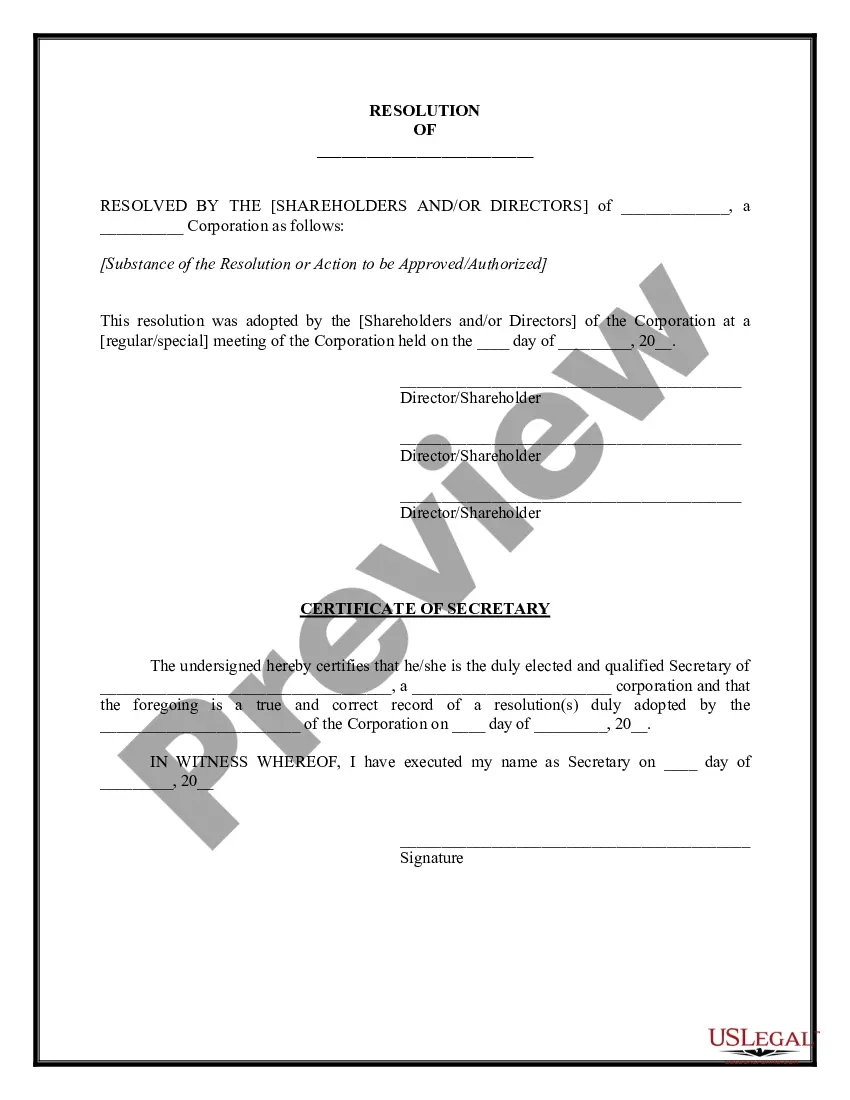
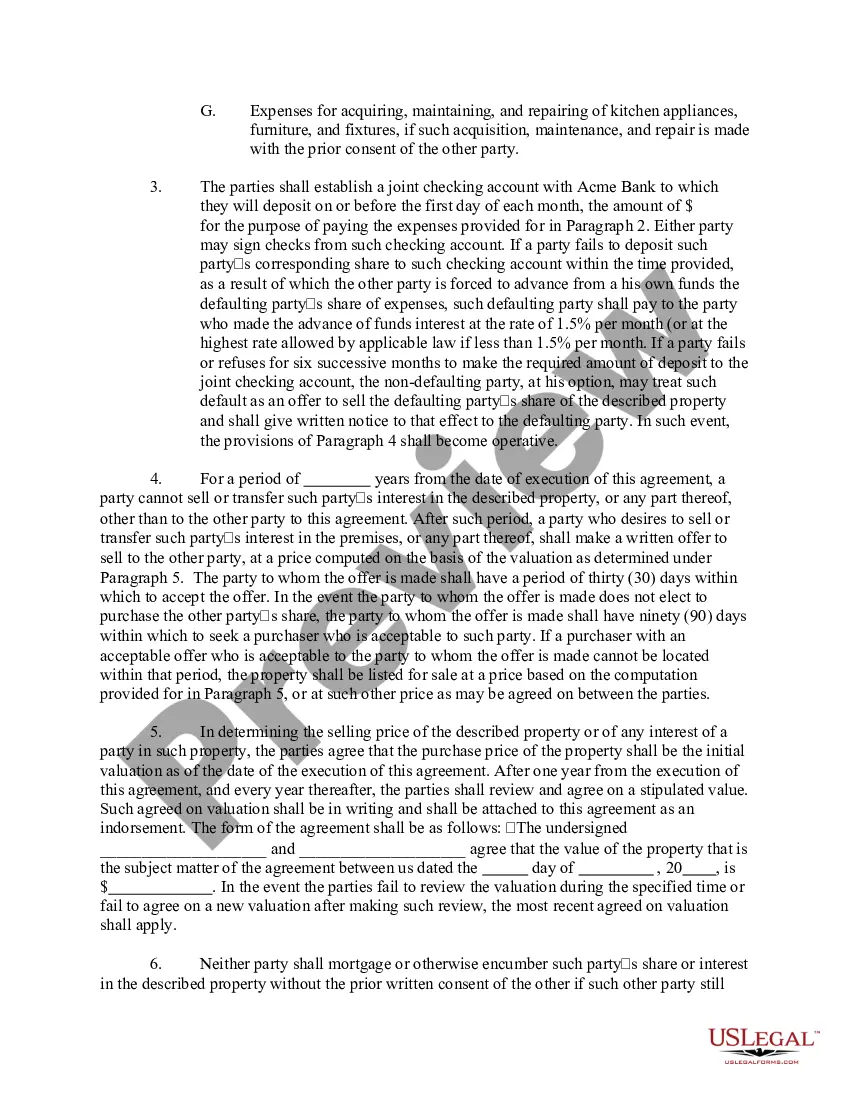
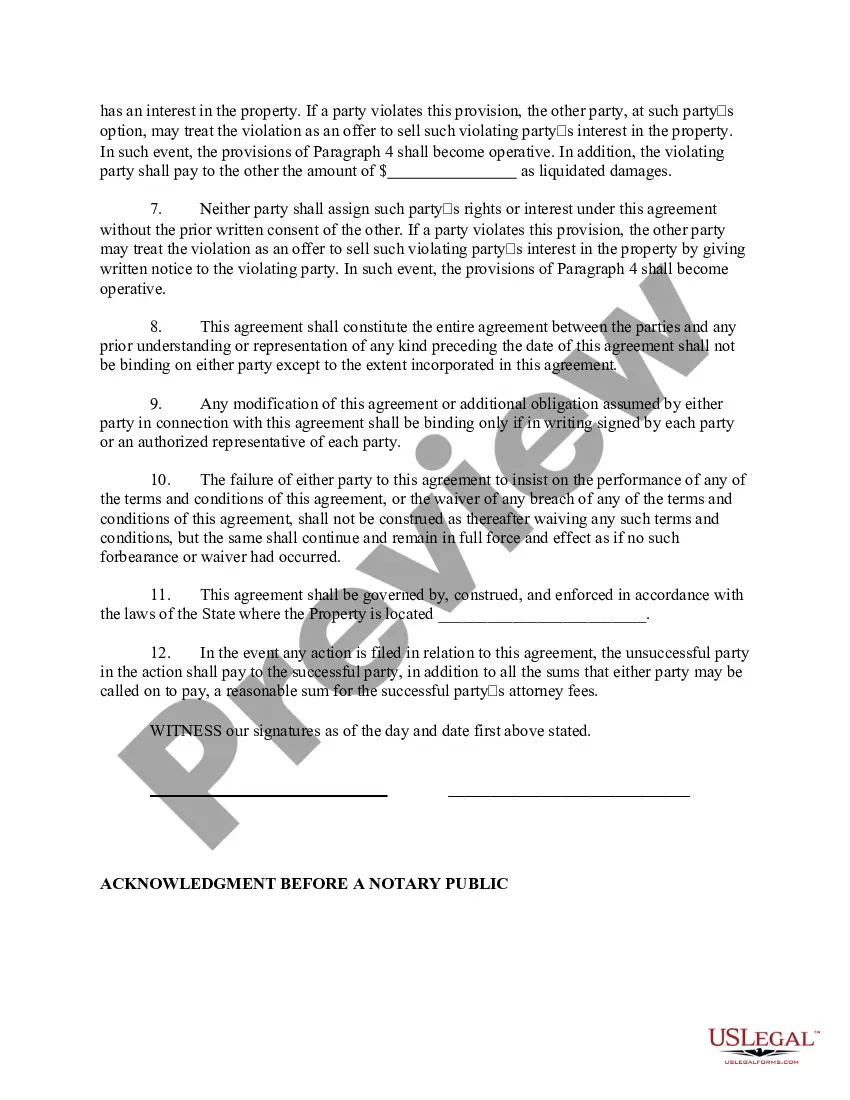
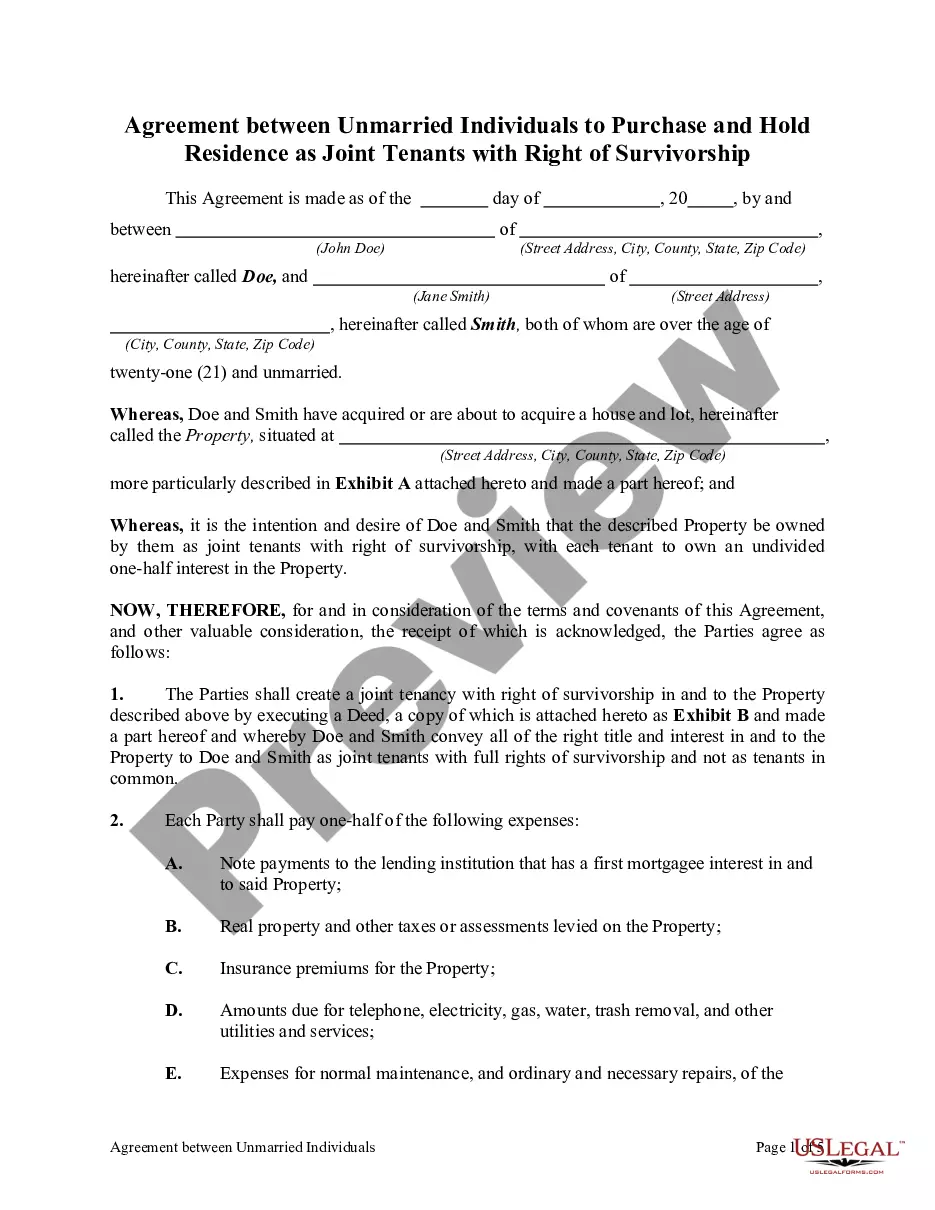
Agreement Unmarried With Child In Texas
Description

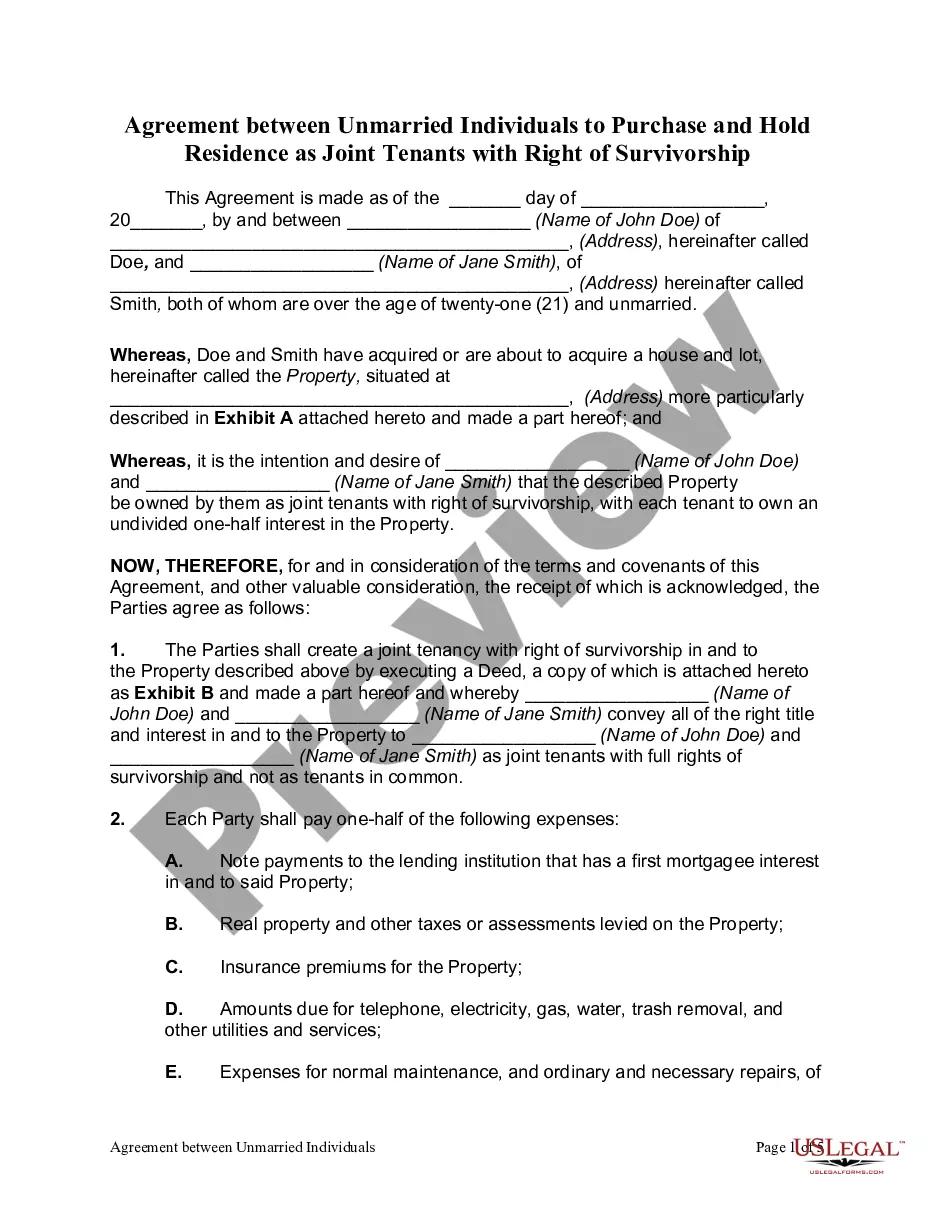
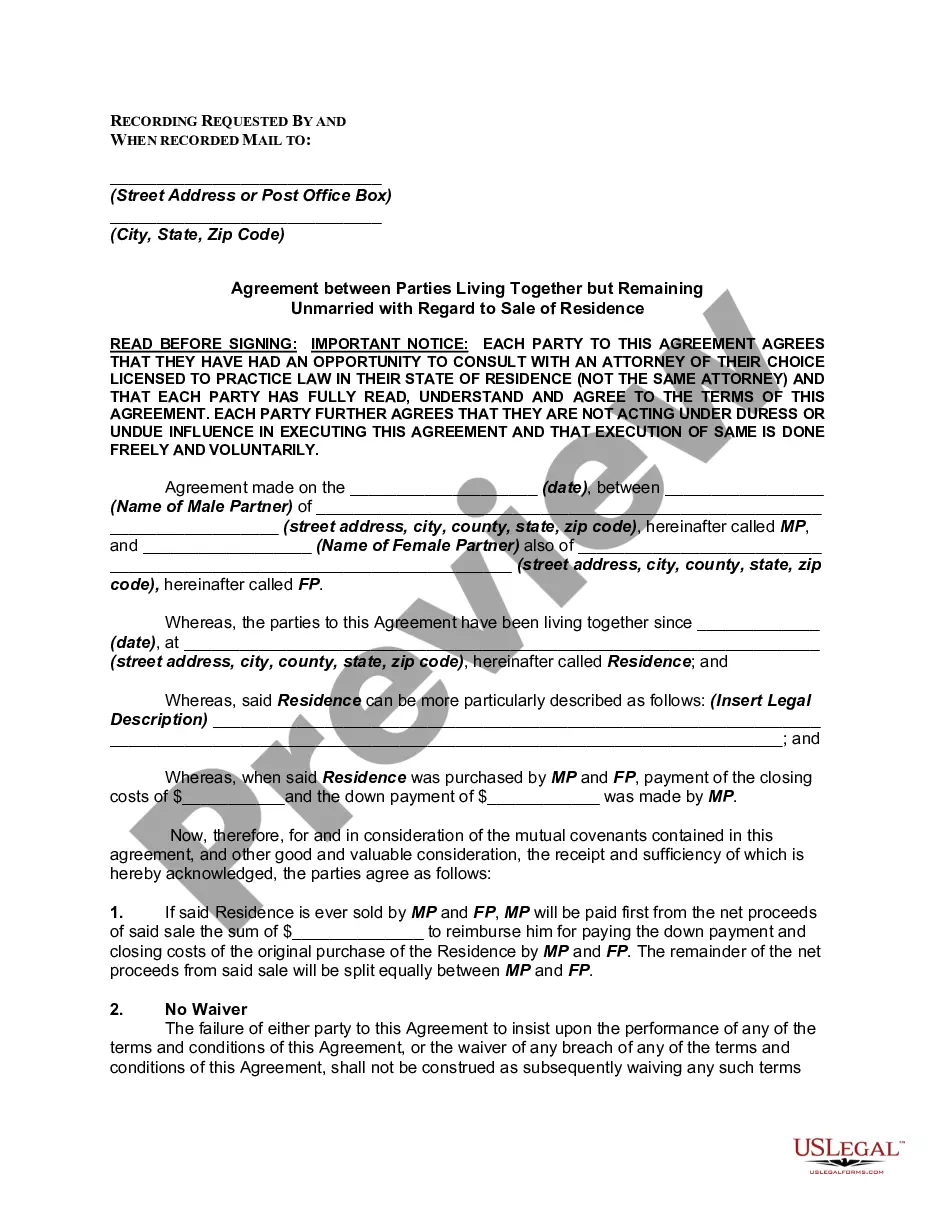
Get your form ready online
Our built-in tools help you complete, sign, share, and store your documents in one place.
Make edits, fill in missing information, and update formatting in US Legal Forms—just like you would in MS Word.
Download a copy, print it, send it by email, or mail it via USPS—whatever works best for your next step.
Sign and collect signatures with our SignNow integration. Send to multiple recipients, set reminders, and more. Go Premium to unlock E-Sign.
If this form requires notarization, complete it online through a secure video call—no need to meet a notary in person or wait for an appointment.
We protect your documents and personal data by following strict security and privacy standards.

Make edits, fill in missing information, and update formatting in US Legal Forms—just like you would in MS Word.

Download a copy, print it, send it by email, or mail it via USPS—whatever works best for your next step.

Sign and collect signatures with our SignNow integration. Send to multiple recipients, set reminders, and more. Go Premium to unlock E-Sign.

If this form requires notarization, complete it online through a secure video call—no need to meet a notary in person or wait for an appointment.

We protect your documents and personal data by following strict security and privacy standards.
Looking for another form?
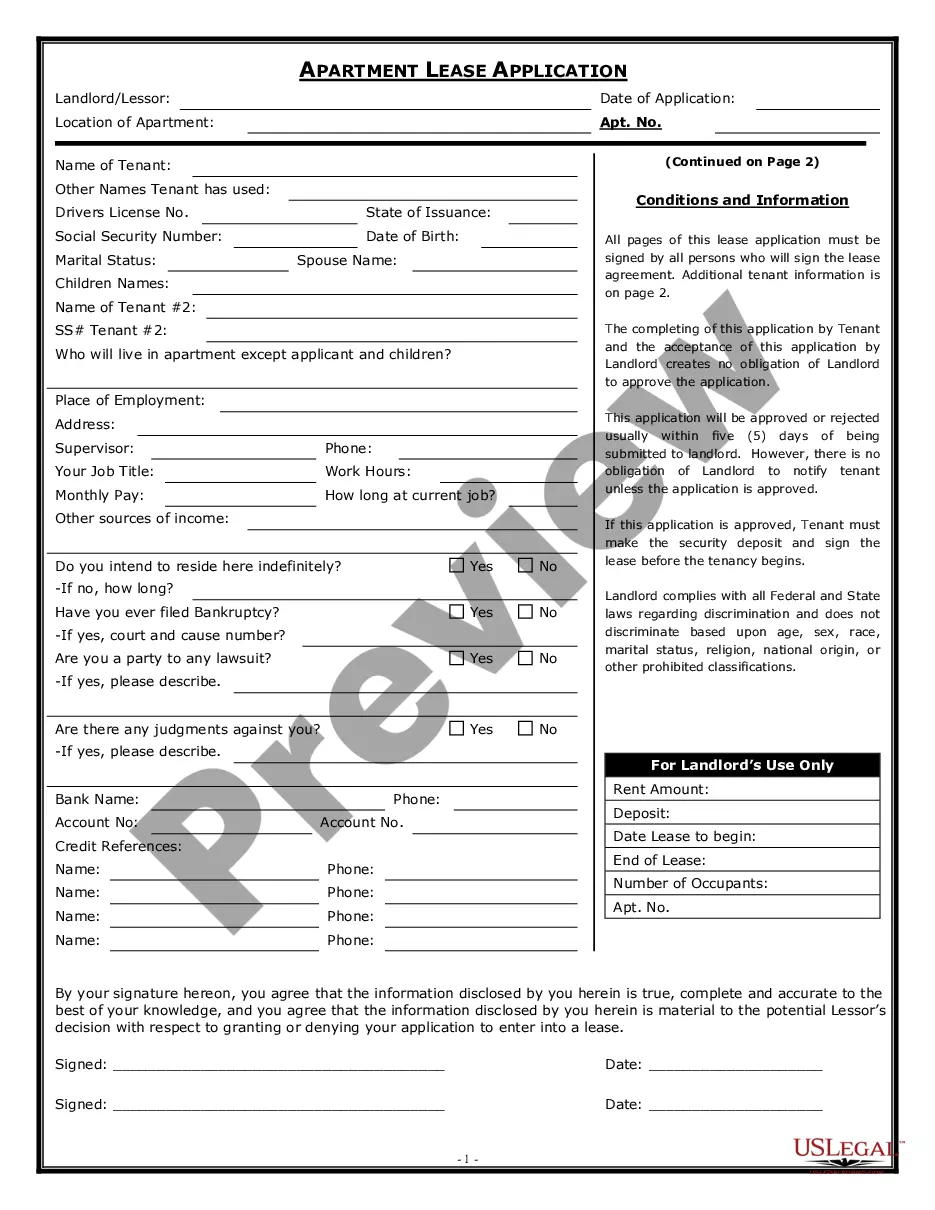
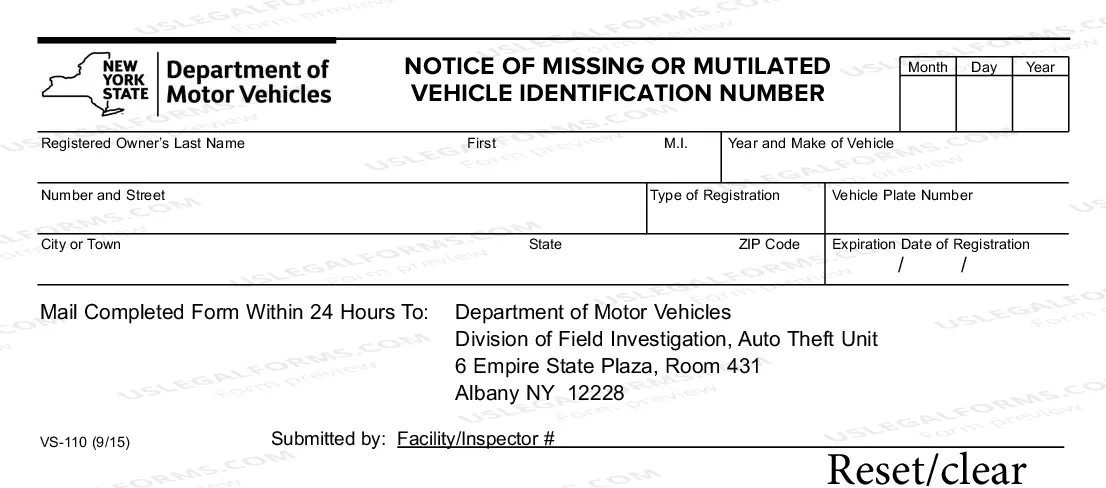

Form popularity
FAQ
Both the father and the mother of a child have equal rights in Texas. Rather than considering the gender of each parent, the court will look at the best interests of the child when making decisions involving their lives, such as child custody.
Is It Ever Legal to Withhold a Child From the Other Parent in Texas? Let's be clear: In most cases, it's not legal for one parent to withhold a child from the other, especially if there's a court order in place that outlines custody or visitation. Doing so can put you in hot water with the court.
Chapter 161 of the Texas Family Code governs procedures for both voluntary and involuntary termination of the parent-child relationship. When this process is voluntary, it is often referred to as "relinquishment." A court can also order the termination of rights, which is involuntary.
However this doesn't mean that either parent can make unilateral decisions about the child's livingMoreHowever this doesn't mean that either parent can make unilateral decisions about the child's living arrangements. Without considering the rights of the other parent for instance.
Custody laws in Texas mean that unmarried mothers always have both full physical custody and full legal custody of their child automatically.
However this doesn't mean that either parent can make unilateral decisions about the child's livingMoreHowever this doesn't mean that either parent can make unilateral decisions about the child's living arrangements. Without considering the rights of the other parent for instance.
The custody or conservatorship of children of unmarried couples is not different from that of married couples. The court will issue orders about child support, physical possession of the child, and other custody issues just like it would for a divorcing couple.
In Texas, specific rules govern the concept of common law marriage, including the “common law marriage 6 months rule.” This rule stipulates that couples can be considered legally married if they have lived together and presented themselves as a married couple for at least six months, along with meeting other criteria.
Chapter 161 of the Texas Family Code governs procedures for both voluntary and involuntary termination of the parent-child relationship. When this process is voluntary, it is often referred to as "relinquishment." A court can also order the termination of rights, which is involuntary.
In divorce and child custody proceedings, a parent may not take their child, or children, and leave the State of Texas without the consent of the court and the other parent. Even if you are the child's biological parent, if you try to flee with your child, it could be grounds for kidnapping charges.