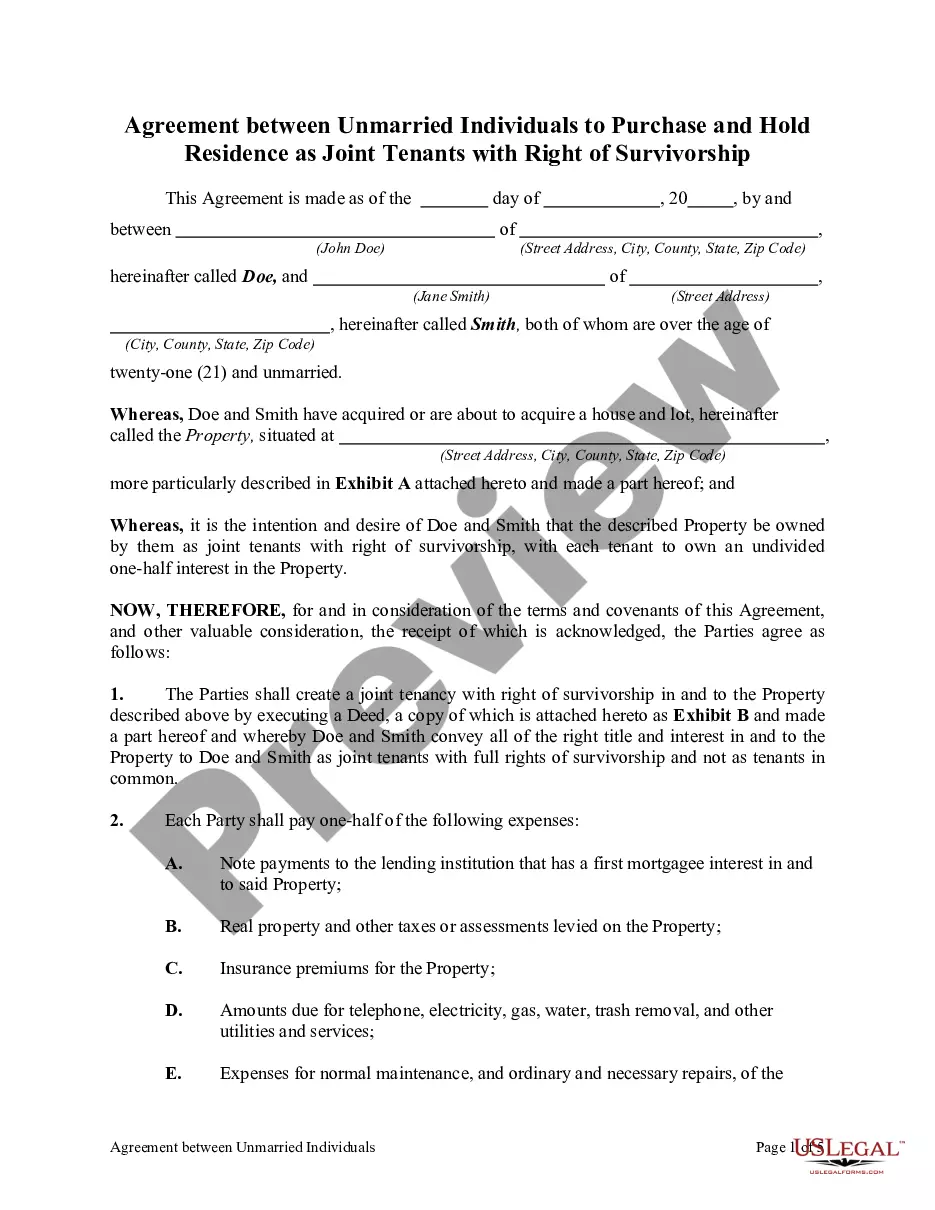
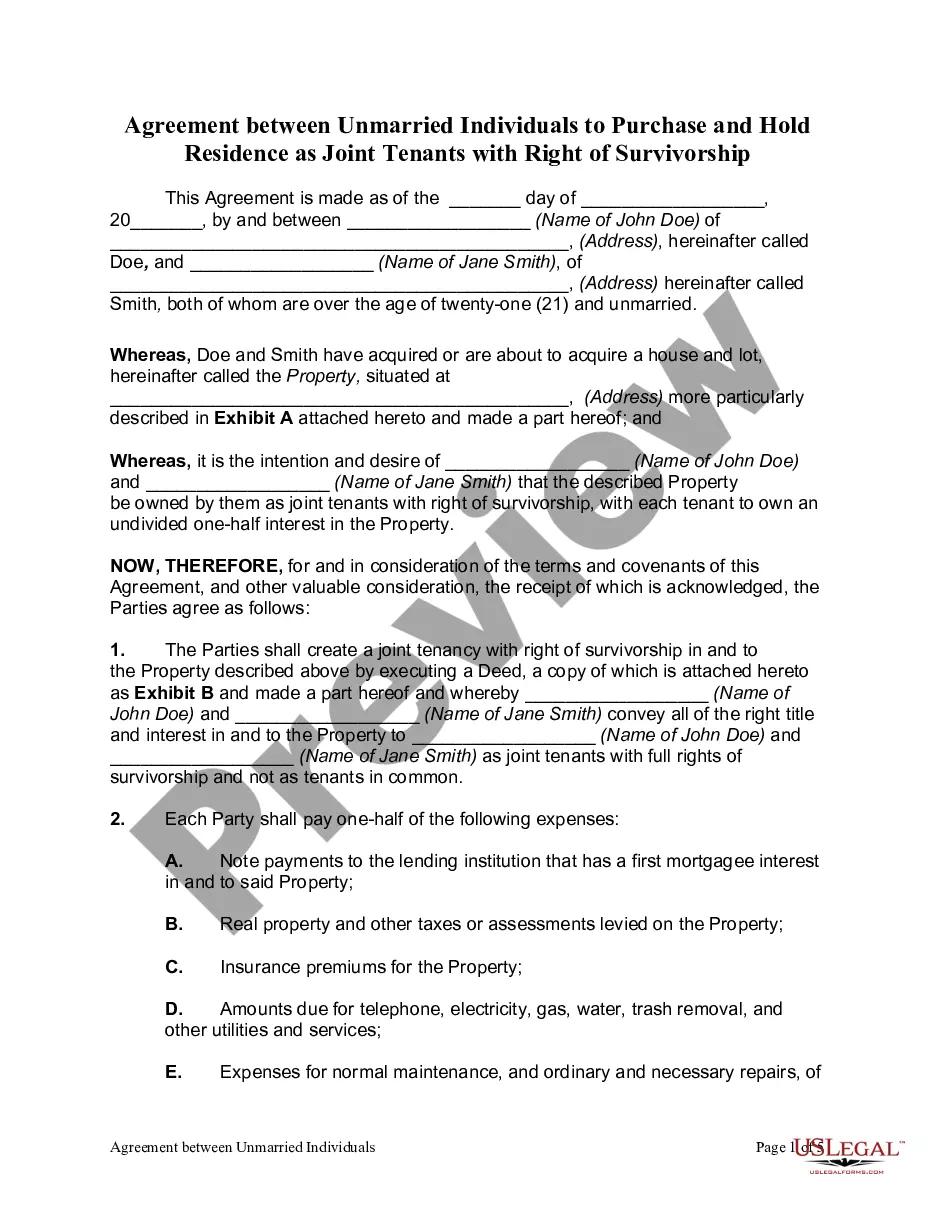
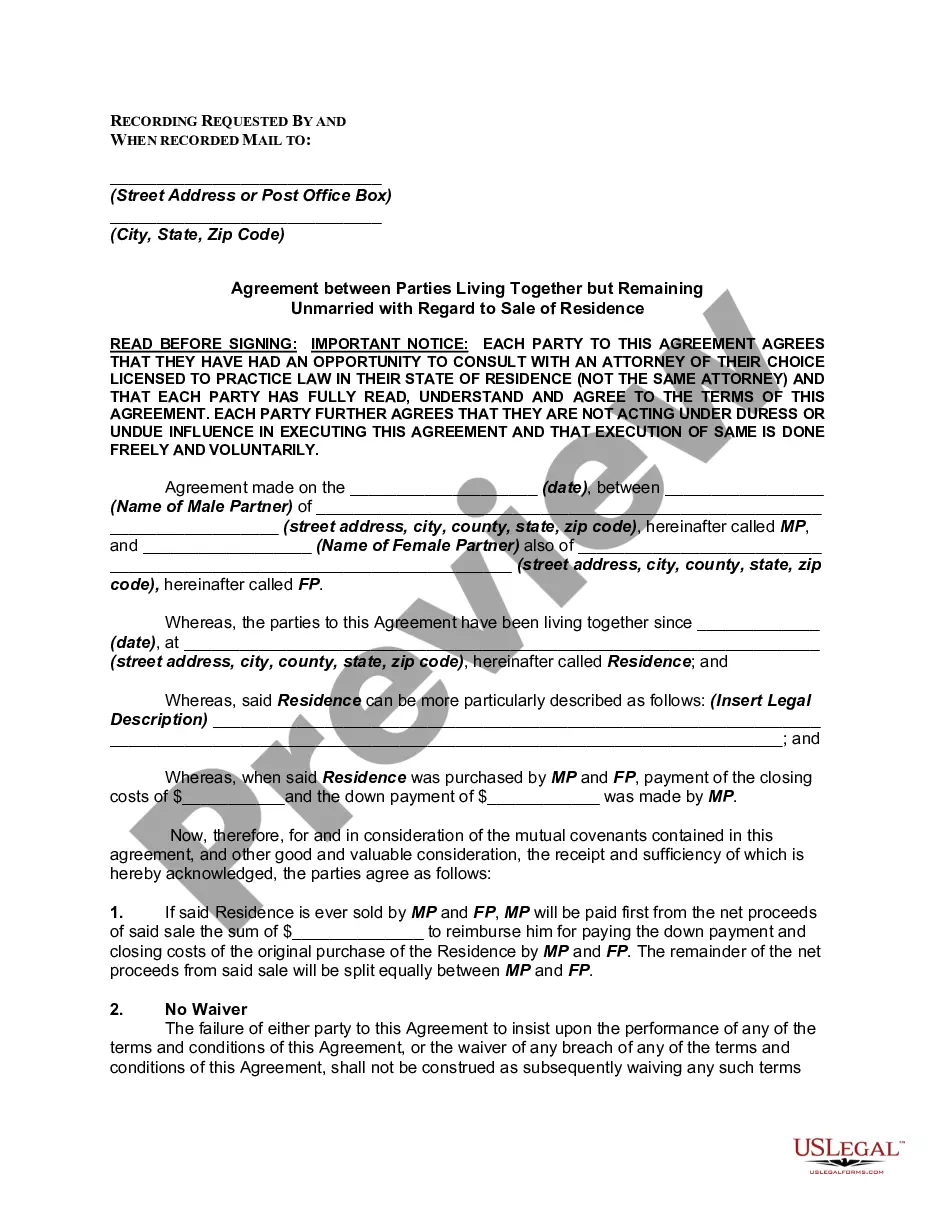
Agreement Unmarried With Child In Palm Beach
Description

Get your form ready online
Our built-in tools help you complete, sign, share, and store your documents in one place.
Make edits, fill in missing information, and update formatting in US Legal Forms—just like you would in MS Word.
Download a copy, print it, send it by email, or mail it via USPS—whatever works best for your next step.
Sign and collect signatures with our SignNow integration. Send to multiple recipients, set reminders, and more. Go Premium to unlock E-Sign.
If this form requires notarization, complete it online through a secure video call—no need to meet a notary in person or wait for an appointment.
We protect your documents and personal data by following strict security and privacy standards.

Make edits, fill in missing information, and update formatting in US Legal Forms—just like you would in MS Word.

Download a copy, print it, send it by email, or mail it via USPS—whatever works best for your next step.

Sign and collect signatures with our SignNow integration. Send to multiple recipients, set reminders, and more. Go Premium to unlock E-Sign.

If this form requires notarization, complete it online through a secure video call—no need to meet a notary in person or wait for an appointment.

We protect your documents and personal data by following strict security and privacy standards.
Looking for another form?




Form popularity
FAQ
The answer is yes. Although unwed individuals may not have as many legal rights as those who are married, Florida law does provide some rights and relief. Let's take a home for example. Say Betty and Fred, an unwed couple, are both listed on the home's deed and mortgage as Joint Tenants.
Child Support A child has the legal right to financial support from both parents, even if the parents were never married. If legal paternity has been established, unmarried parents will both have the same child support obligations and responsibilities as divorcing parents.
Parental kidnapping differs from other forms of kidnapping because it involves a legal parent. A non-custodial parent can face steep legal consequences for removing a child from their primary residence without consent or court approval.
Under Florida law, the mother is the natural guardian of a child born outside of marriage. The mother will automatically have legal custody of the child in the event an unmarried couple separates.
Note: Florida law does not allow a parent with a child under the age of 18 to move or relocate unless (1) there is a written agreement from the other parent supporting the proposed move or (2) the judge approves the proposed move in a formal court order.
If a court order exists that gives both parents the right to be involved in their child's life, any actions to interfere with this right, including withholding the child from their other parent, are considered illegal and can be legally challenged.
A single mother has the same right to both kinds of custody as any other mother or father, for that matter. Custody laws for unmarried parents are the same as custody laws for parents who have been married in the past. Single mother custody rights are the same as those of any other mother or father.
Child Support A child has the legal right to financial support from both parents, even if the parents were never married. If legal paternity has been established, unmarried parents will both have the same child support obligations and responsibilities as divorcing parents.
In Florida, recent legislation in family law has allowed biological fathers to have equal rights as mothers, even if the child was born out of wedlock.
Custody Rights of Unmarried Parents In Florida an unmarried father has no legal rights to custody or timesharing until paternity is established. Until paternity is legally established with the courts, the mother has sole, legal and physical custody of the child or children.