Joint Tenancy Definition With Death In North Carolina
Description

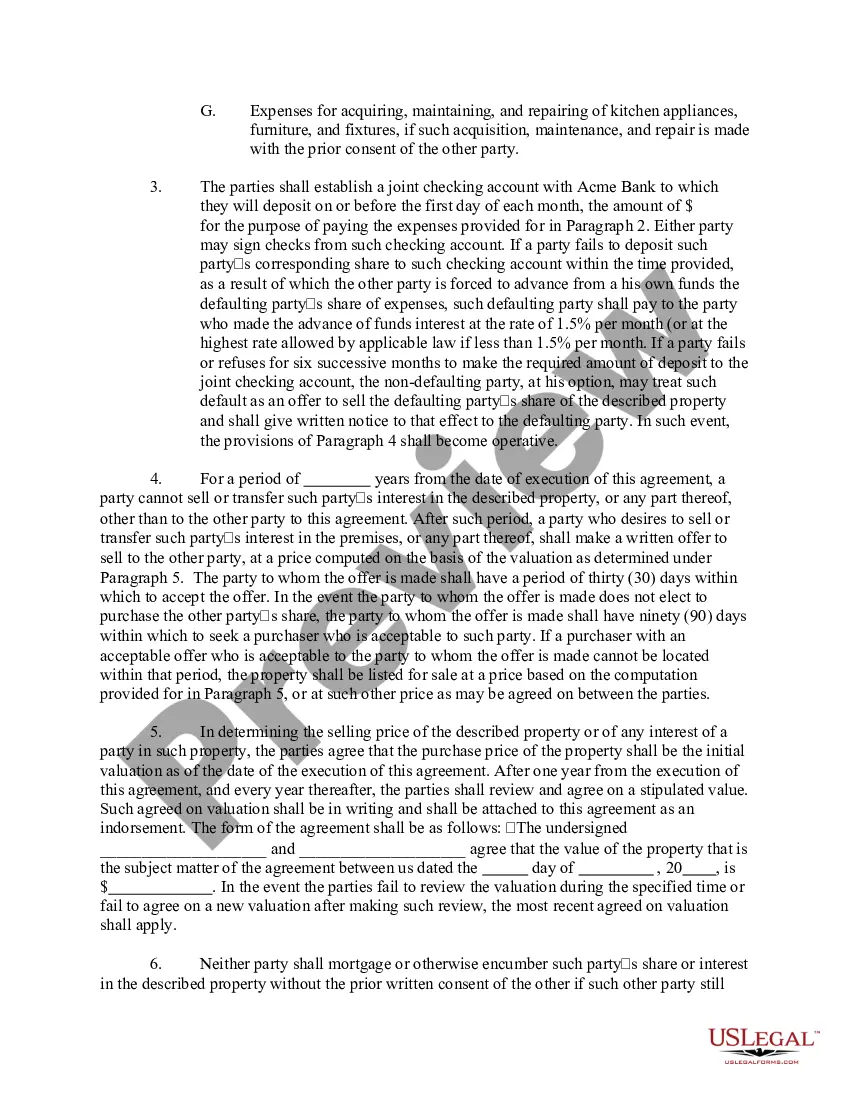
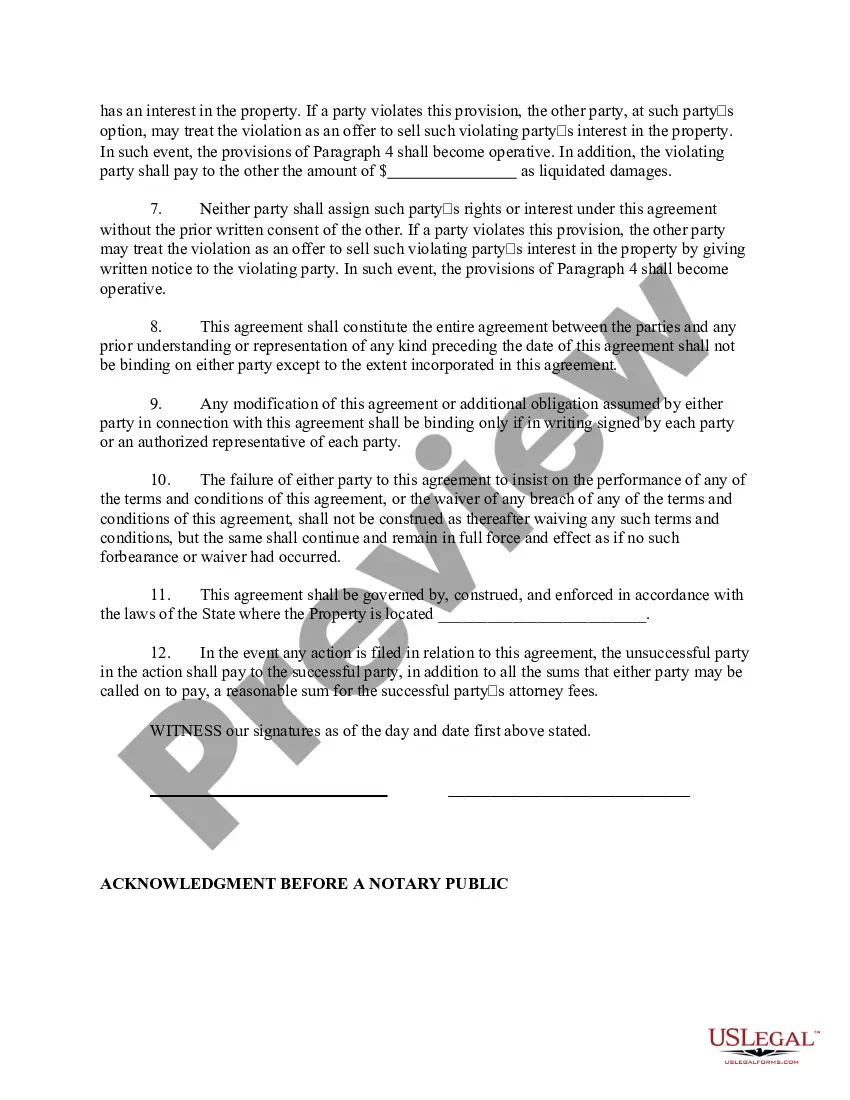
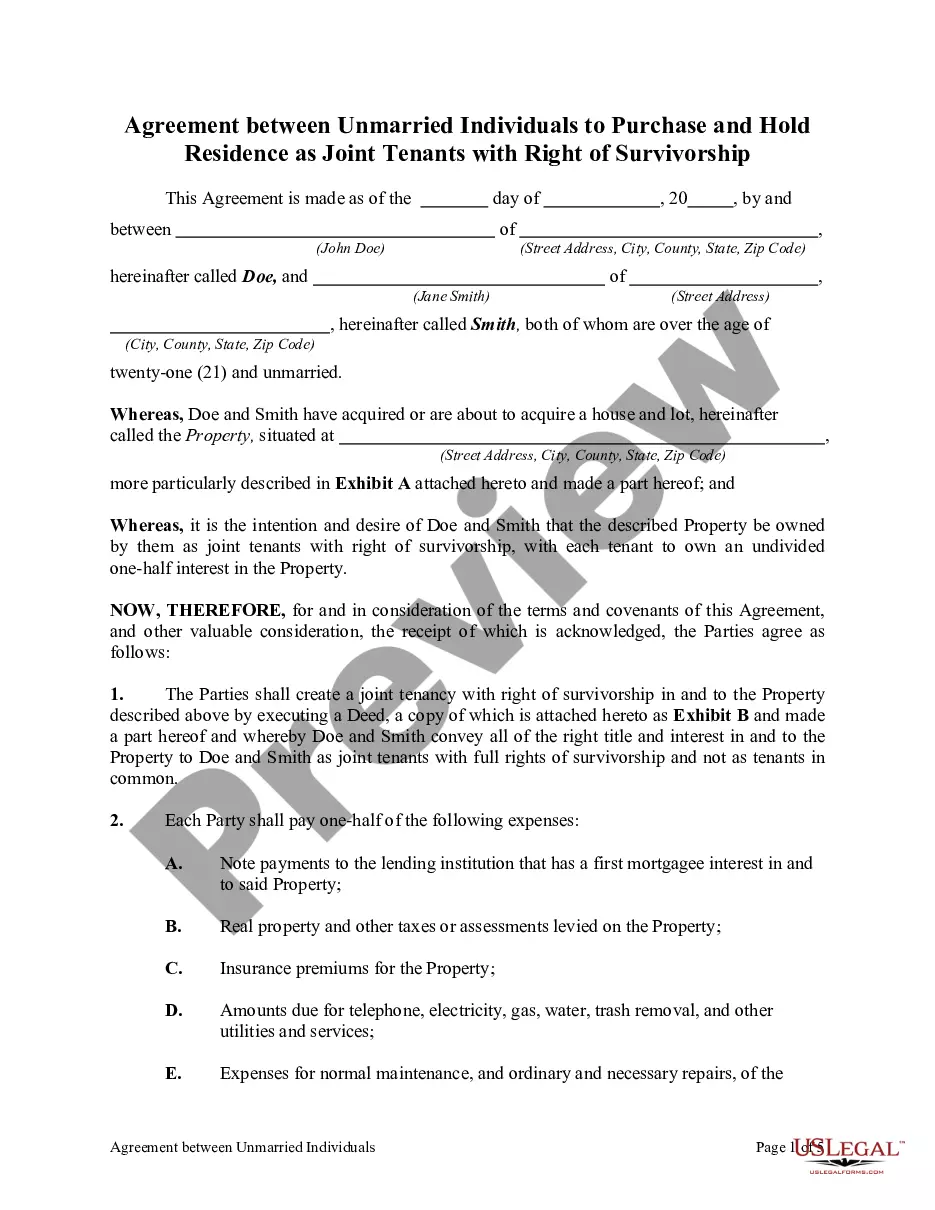
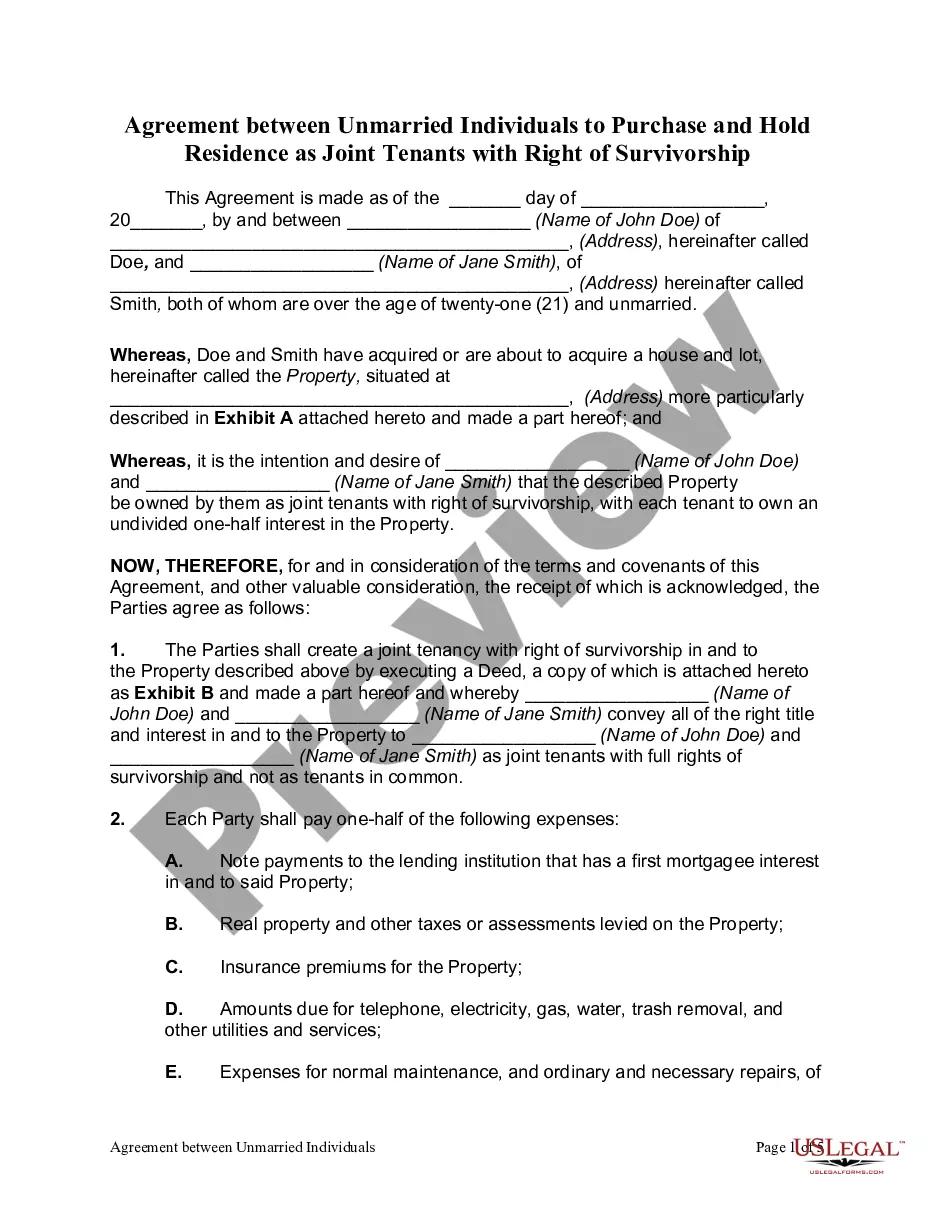
Get your form ready online
Our built-in tools help you complete, sign, share, and store your documents in one place.
Make edits, fill in missing information, and update formatting in US Legal Forms—just like you would in MS Word.
Download a copy, print it, send it by email, or mail it via USPS—whatever works best for your next step.
Sign and collect signatures with our SignNow integration. Send to multiple recipients, set reminders, and more. Go Premium to unlock E-Sign.
If this form requires notarization, complete it online through a secure video call—no need to meet a notary in person or wait for an appointment.
We protect your documents and personal data by following strict security and privacy standards.

Make edits, fill in missing information, and update formatting in US Legal Forms—just like you would in MS Word.

Download a copy, print it, send it by email, or mail it via USPS—whatever works best for your next step.

Sign and collect signatures with our SignNow integration. Send to multiple recipients, set reminders, and more. Go Premium to unlock E-Sign.

If this form requires notarization, complete it online through a secure video call—no need to meet a notary in person or wait for an appointment.

We protect your documents and personal data by following strict security and privacy standards.
Looking for another form?


Form popularity
FAQ
If you are making the application to sever the joint tenancy without the other owner then you will need to complete a SEV form and provide evidence that the other owner agrees to the severance, for example a written notice signed by the other owner.
In North Carolina the Division of Motor Vehicles allows you to include the initials JTWROS (Joint Tenants with Right of Survivorship) on your title following the names of both owners. This clarifies that ownership transfers 100% to the surviving partner on a joint title, avoiding a long process with probate.
If multiple people hold title under tenancy in common, this means that each individual can choose to sell their ownership interests in the property at any time. Unlike with joint tenancy, a tenancy in common agreement allows for multiple owners to own different percentages of the entire property.
Joint Tenants in North Carolina North Carolina recognizes joint tenancy with right of survivorship as a common form of joint ownership for non-spouses.
(a) The interests of joint tenants in a joint tenancy with right of survivorship shall be deemed to be equal unless otherwise provided in the instrument of conveyance.
Joint tenancy property passes to the surviving joint tenant and no one else, no matter what you do. If it is your intent to leave your property to your spouse and then to your children, joint tenancy is not for you.
If neither parent survives, the estate passes to siblings (or their descendants). If no surviving parents or siblings exist, half the estate will pass to maternal relatives and the other half to paternal relatives. If no living relatives exist, the estate escheats to the State of North Carolina.
Does your spouse have to sign the deed? The answer to this question is “yes, your spouse must sign.” And here's why: If you live in North Carolina, your spouse is always a beneficiary of your estate.
Below, we walk through five key tools in our probate dodging toolbox. Establish a Revocable Living Trust. Transfer Property Through Joint Ownership. Name Payable-on-Death Beneficiaries. Gift Property Prior to Death. Leverage North Carolina Small Estate Laws. Put Our Probate Experience to Work For You.
