Separation Agreement For Unmarried Couples In New York
Description

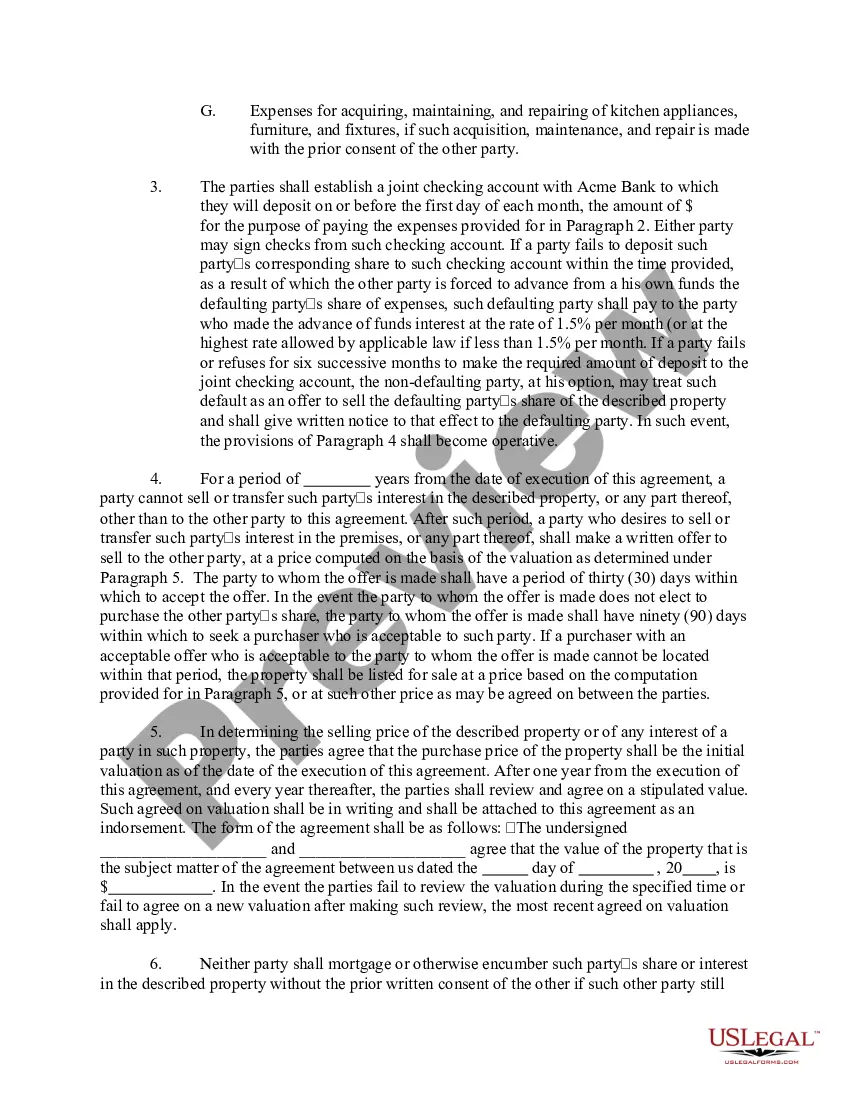
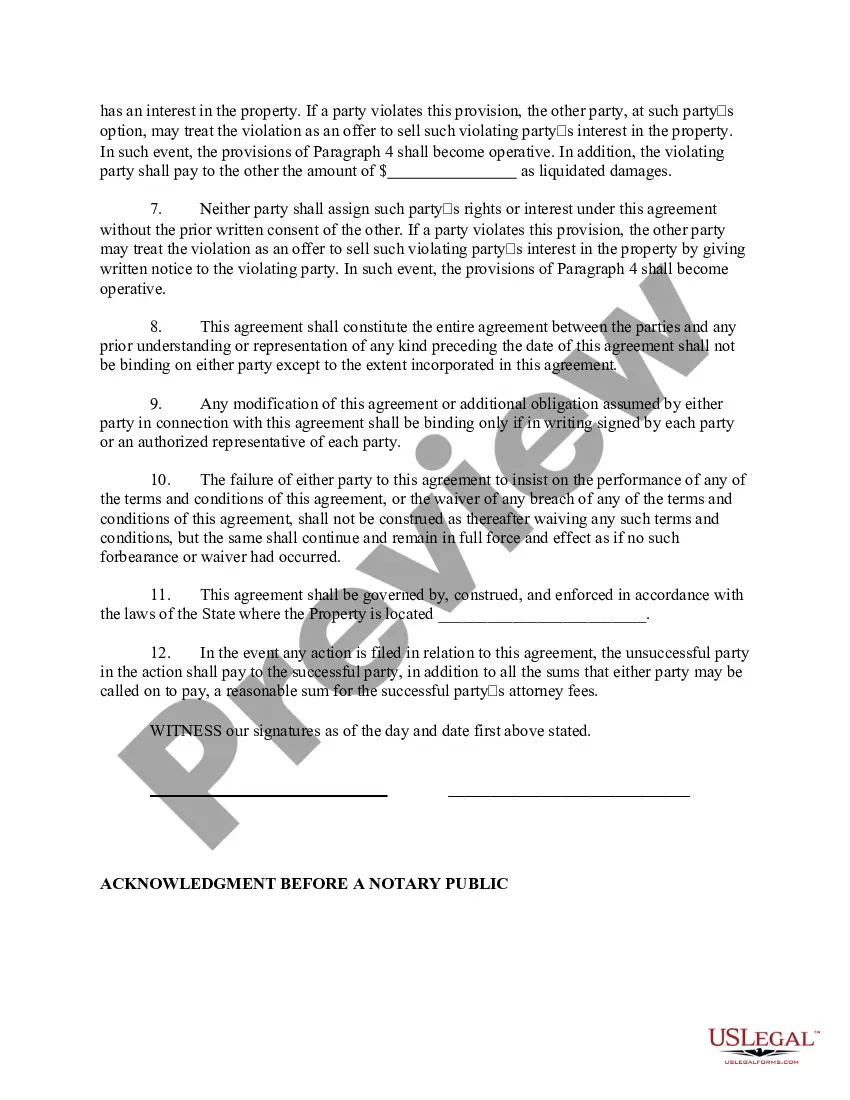
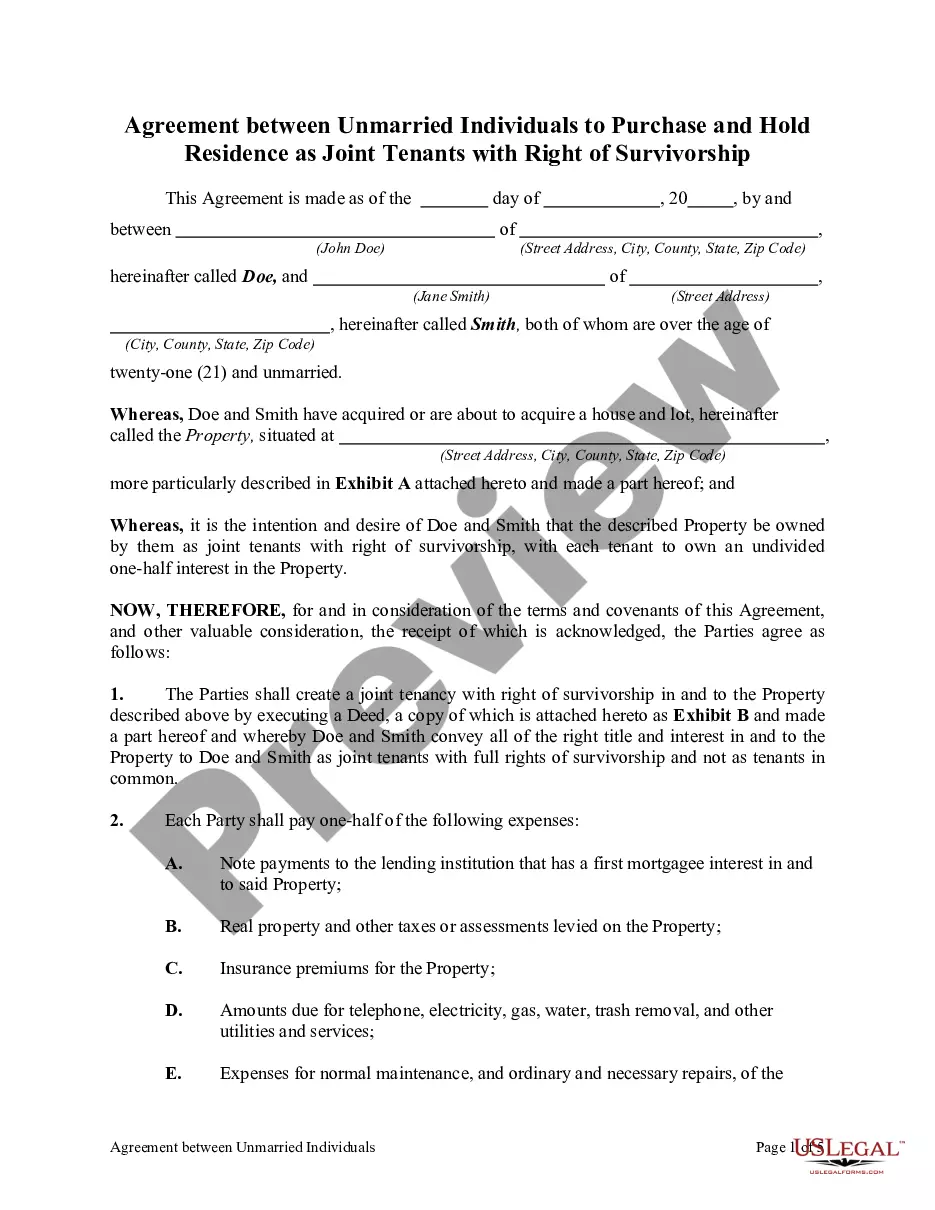
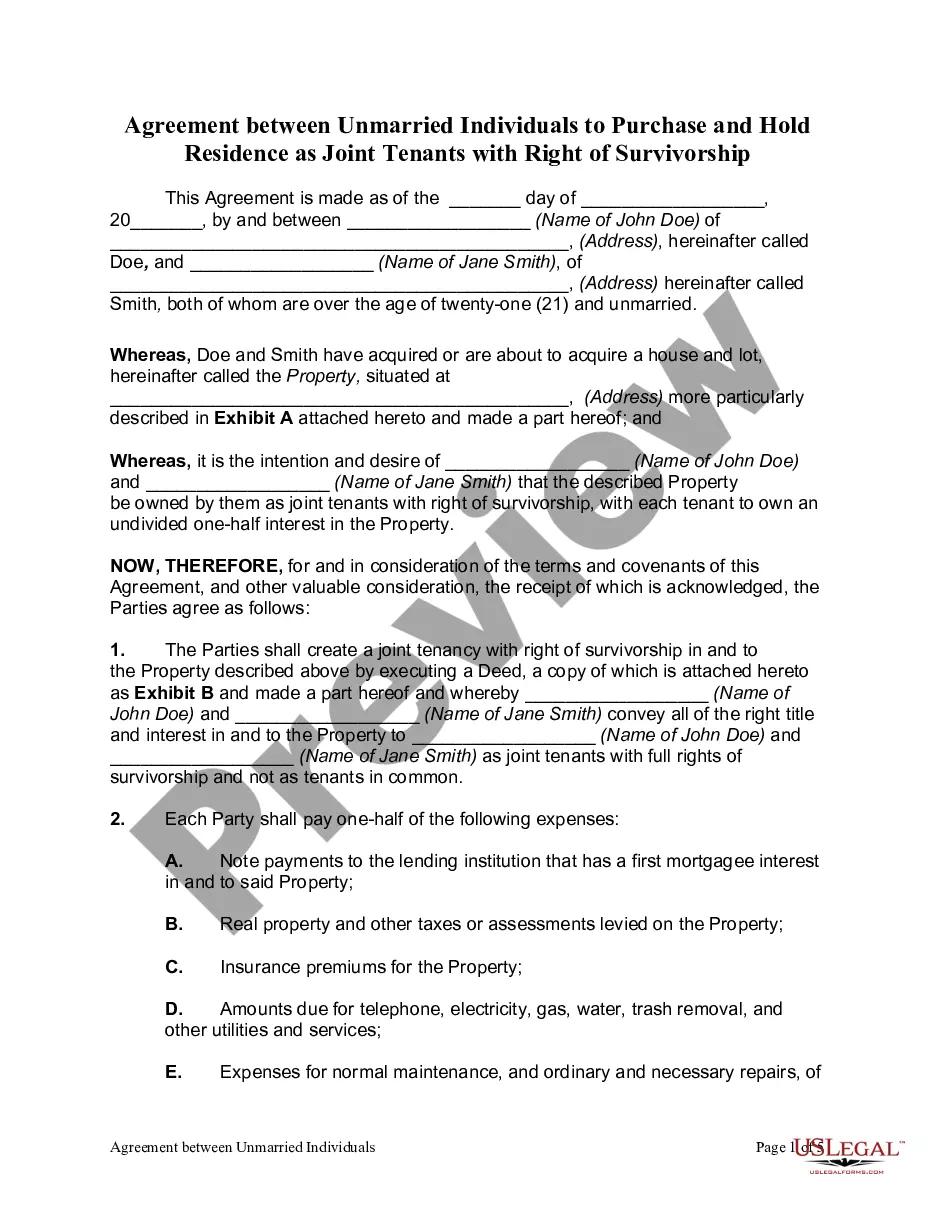
Get your form ready online
Our built-in tools help you complete, sign, share, and store your documents in one place.
Make edits, fill in missing information, and update formatting in US Legal Forms—just like you would in MS Word.
Download a copy, print it, send it by email, or mail it via USPS—whatever works best for your next step.
Sign and collect signatures with our SignNow integration. Send to multiple recipients, set reminders, and more. Go Premium to unlock E-Sign.
If this form requires notarization, complete it online through a secure video call—no need to meet a notary in person or wait for an appointment.
We protect your documents and personal data by following strict security and privacy standards.

Make edits, fill in missing information, and update formatting in US Legal Forms—just like you would in MS Word.

Download a copy, print it, send it by email, or mail it via USPS—whatever works best for your next step.

Sign and collect signatures with our SignNow integration. Send to multiple recipients, set reminders, and more. Go Premium to unlock E-Sign.

If this form requires notarization, complete it online through a secure video call—no need to meet a notary in person or wait for an appointment.

We protect your documents and personal data by following strict security and privacy standards.
Looking for another form?

Form popularity
FAQ
§ The Separation Agreement becomes legal (binding) as soon as it is notarized. You may file it (if you wish) with the County Clerk's Office in the County where either of you live now (in Queens this is in Room 100, First Floor of this building).
The Cons of Legal Separation This includes spousal support (maintenance) and child support, if applicable. Limited Marital Freedom: While legally separated, spouses may still be subject to certain marital obligations and restrictions, limiting their ability to enter new relationships or remarry.
In New York, there are two ways to obtain a legal separation: Amicably resolve differences and memorialize them in a settlement agreement; or. Fle an Action for Separation with the court to get a Judgment of Separation in a contested proceeding.
New York is not a true no-fault state. There are still grounds for divorce, although many people are now filing for divorce under the easier no-fault law. No-fault divorce means you do not have to prove that the marriage is coming to an end because of something that is the other spouse's fault.
Gaining knowledge allows you to approach your separation with a sense of confidence and direction. Do negotiate with your spouse on the logistics of the separation. Do design and agree to a temporary parenting plan. Do define a time table. Do not enter a trial separation impulsively. Do not change the ground rules.
New York State does not recognize common-law marriage for relationships established within its borders. This means that regardless of how long a couple lives together or whether they consider themselves married, they will not be considered legally married in New York without a marriage license and a formal ceremony.
No. Unless you are married or in a domestic partnership, you do not get any special relationship rights or privileges in the state of New York. Common law marriages are not recognized in New York state, and therefore, unmarried couples do not automatically get rights after cohabiting for a certain amount of time.
A separation agreement generally becomes invalid and void when you begin living together again with an intent to reconcile.
The pros Legal separation provides space and time to figure out if divorce is really what you want. It can be a good time for marriage counseling. You can still get your spouse's health insurance.
