Separation Agreement For Unmarried Couples In Maryland
Description

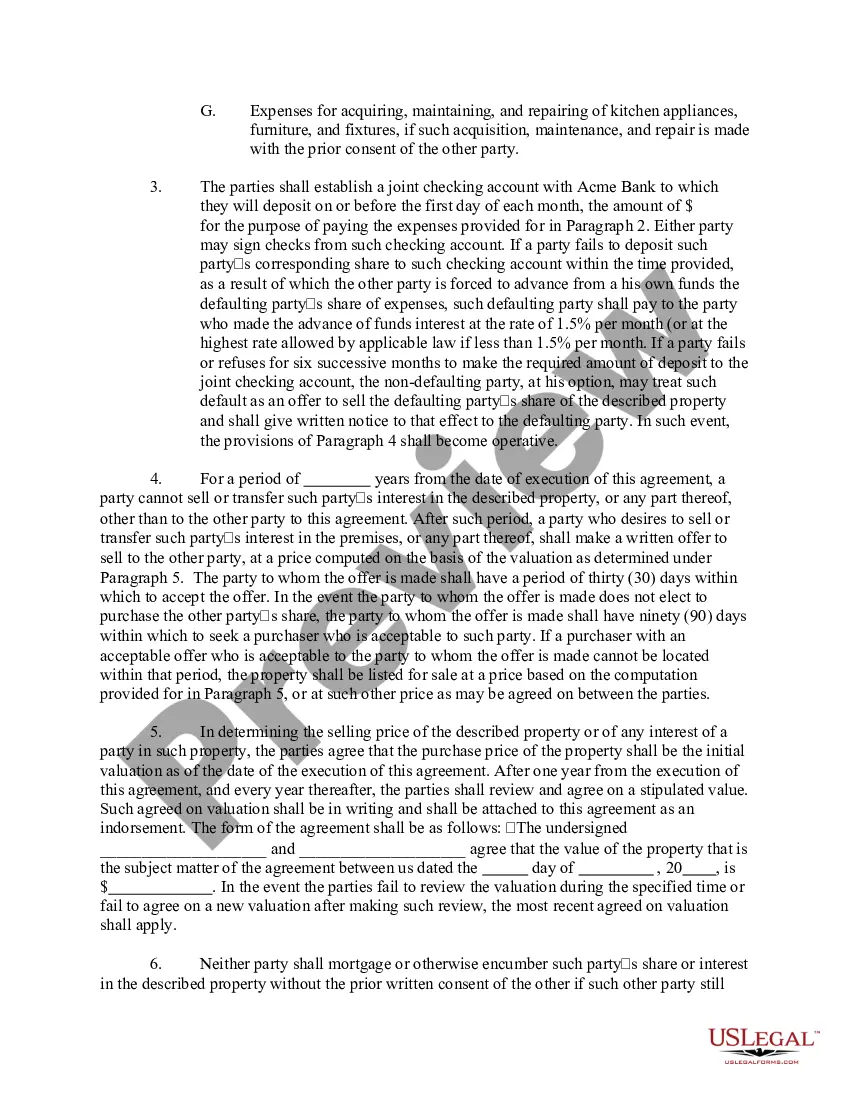
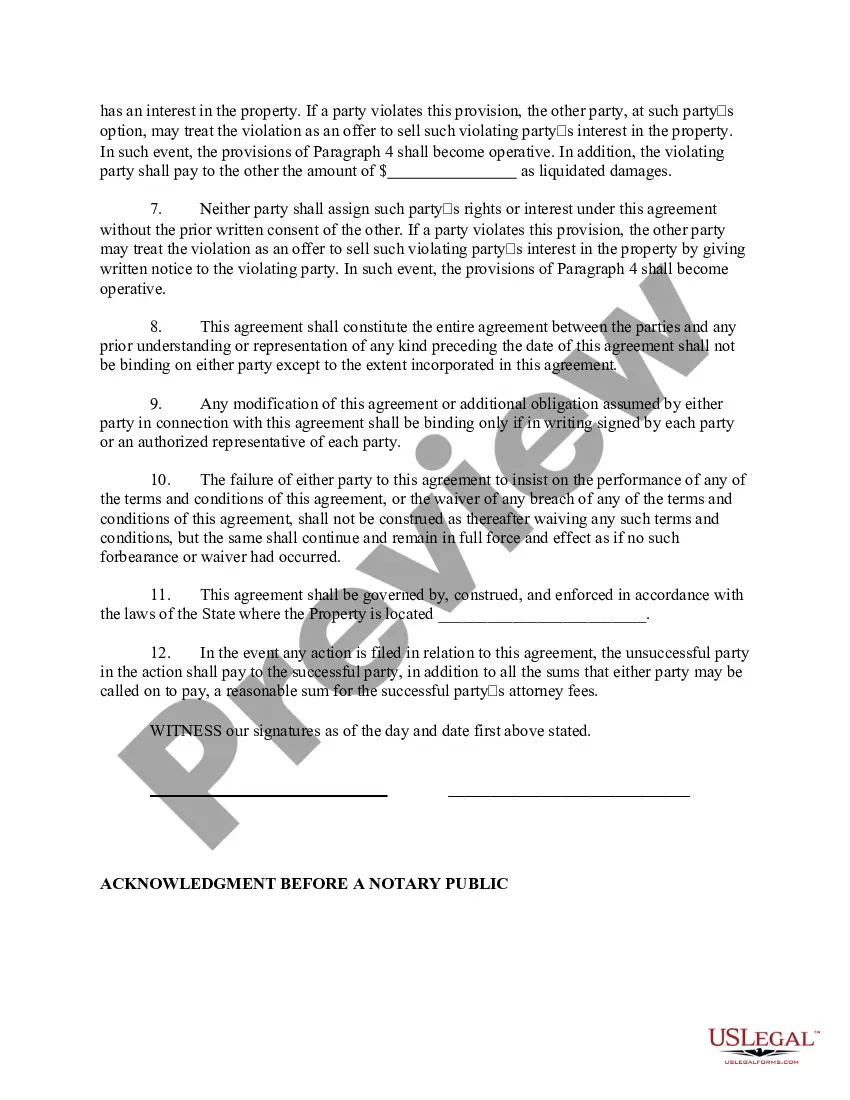
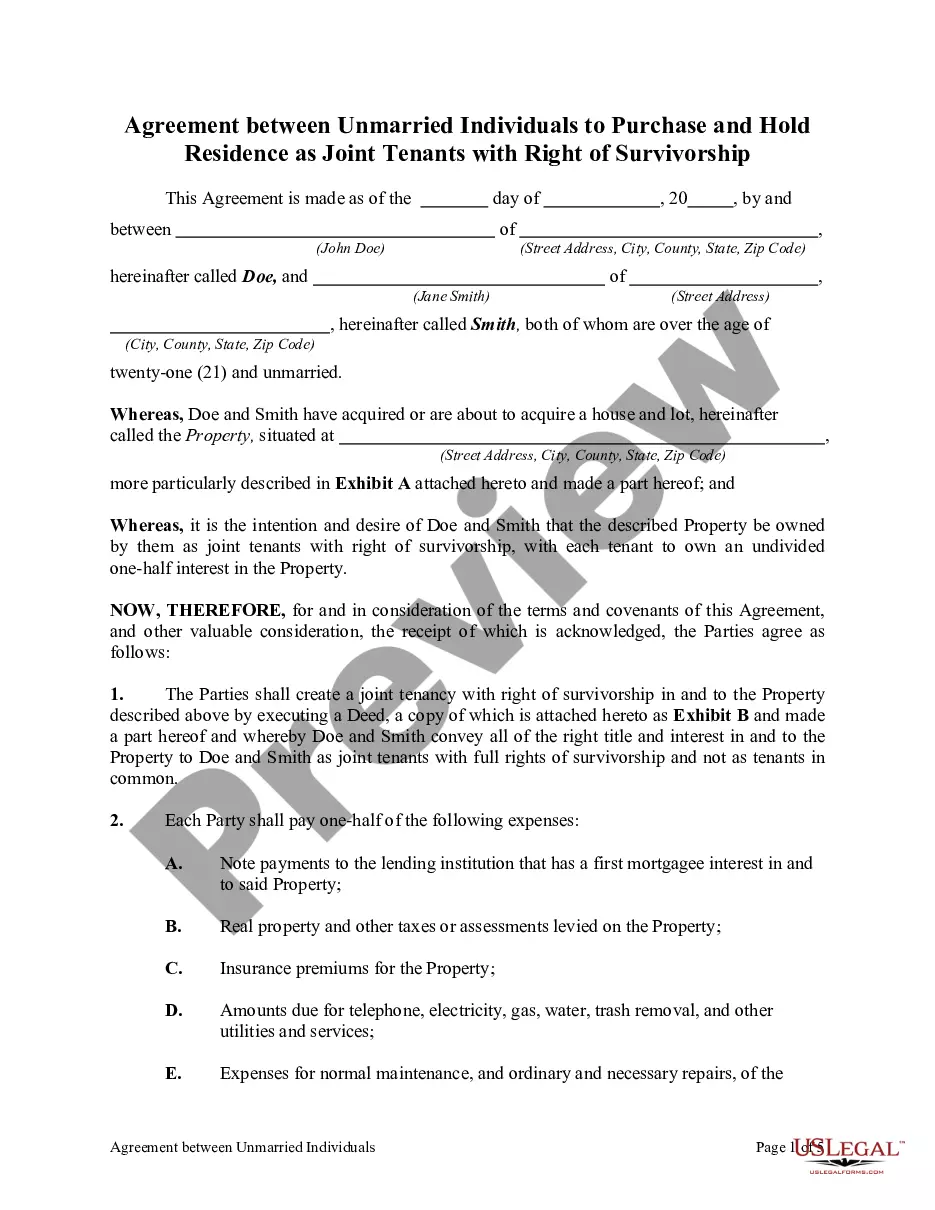
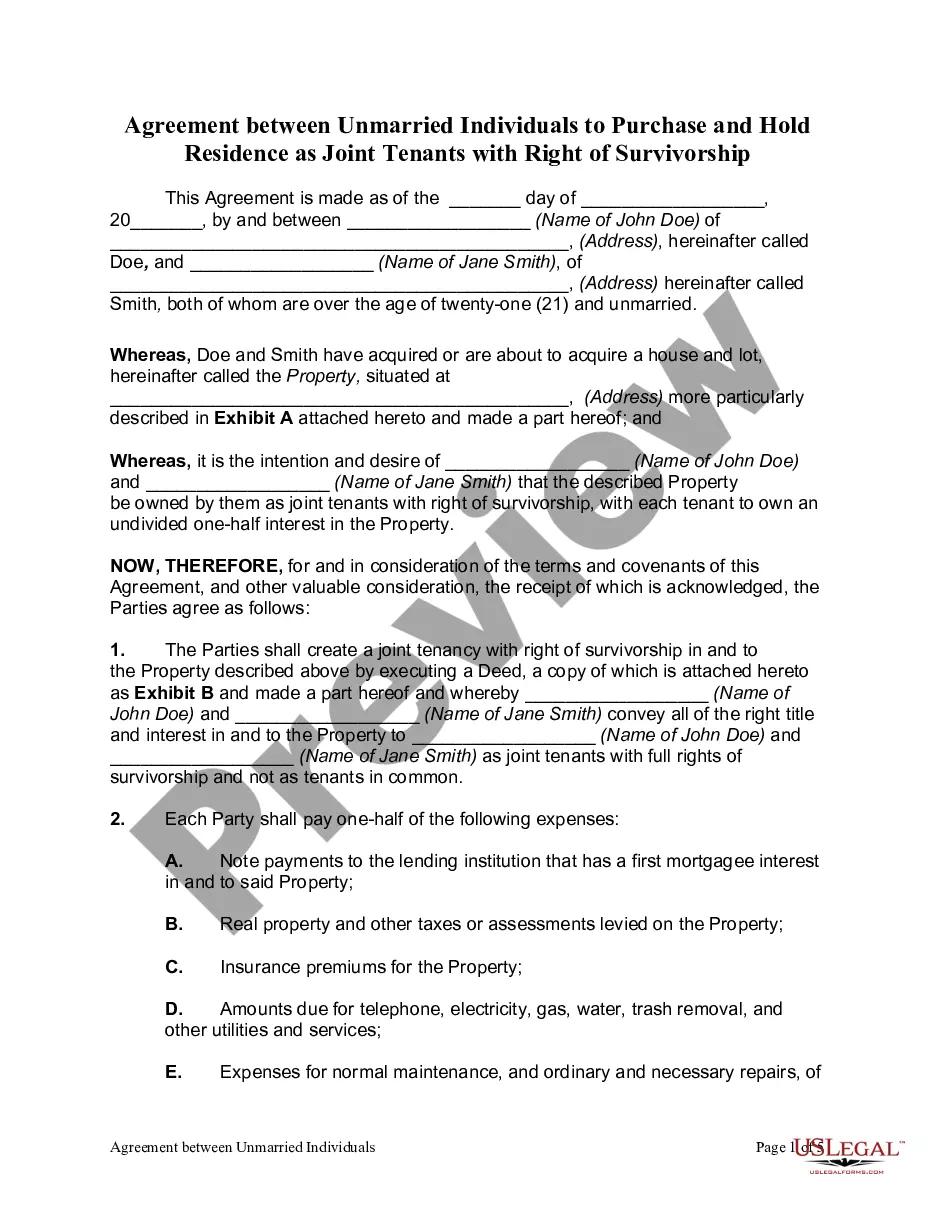
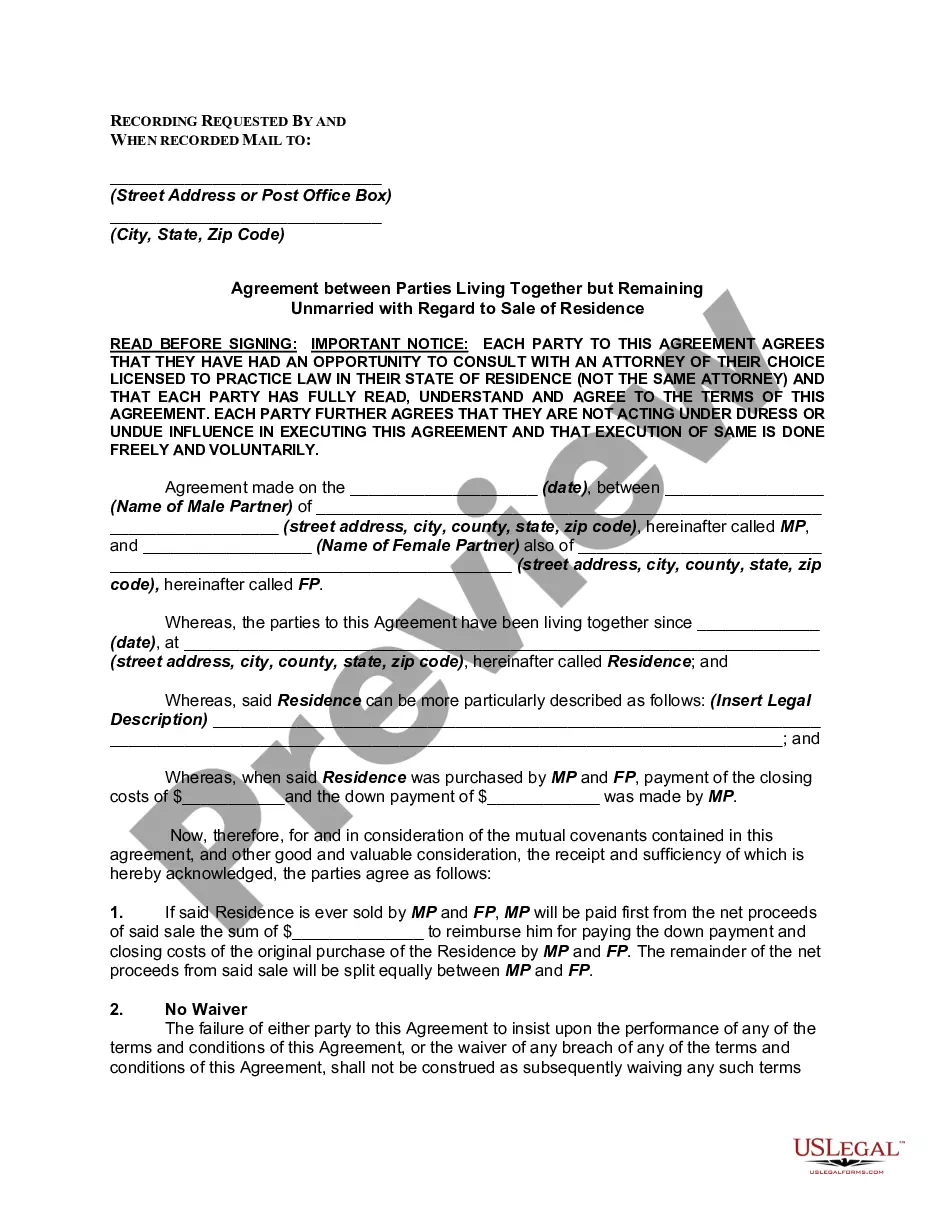
Get your form ready online
Our built-in tools help you complete, sign, share, and store your documents in one place.
Make edits, fill in missing information, and update formatting in US Legal Forms—just like you would in MS Word.
Download a copy, print it, send it by email, or mail it via USPS—whatever works best for your next step.
Sign and collect signatures with our SignNow integration. Send to multiple recipients, set reminders, and more. Go Premium to unlock E-Sign.
If this form requires notarization, complete it online through a secure video call—no need to meet a notary in person or wait for an appointment.
We protect your documents and personal data by following strict security and privacy standards.

Make edits, fill in missing information, and update formatting in US Legal Forms—just like you would in MS Word.

Download a copy, print it, send it by email, or mail it via USPS—whatever works best for your next step.

Sign and collect signatures with our SignNow integration. Send to multiple recipients, set reminders, and more. Go Premium to unlock E-Sign.

If this form requires notarization, complete it online through a secure video call—no need to meet a notary in person or wait for an appointment.

We protect your documents and personal data by following strict security and privacy standards.
Looking for another form?




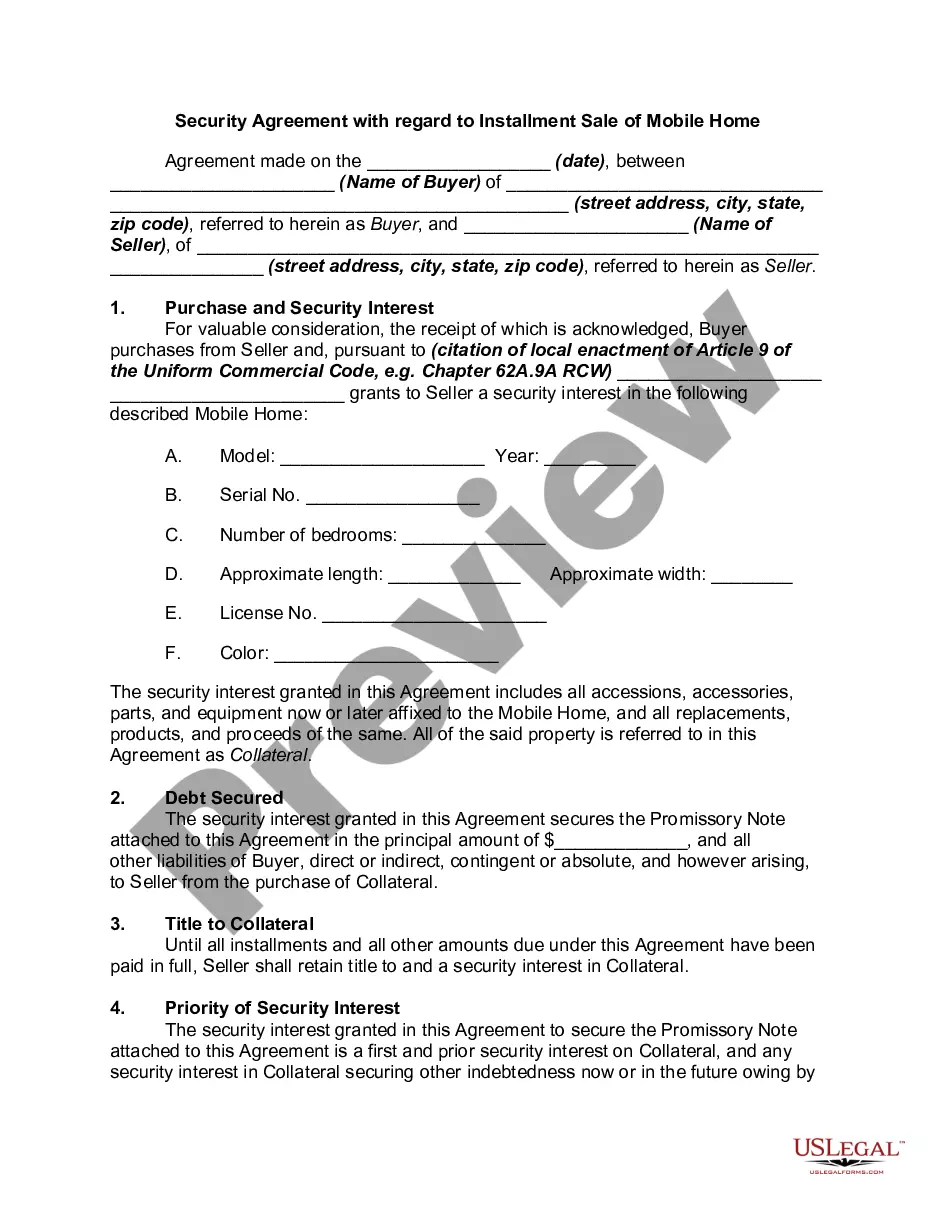



Form popularity
FAQ
Maryland is a "equitable property" state. The "marital" property, consisting of any other property acquired by either spouse during the marriage, will be divided equally, unless the court finds that equal division would be unjust.
In Maryland, there are no strict guidelines about who can stay in the marital home during a separation. In truth, it is common for both spouses to want to keep living in the house and may expect the other person to leave.
Yes, it is possible for a couple to divorce and continue living together in the same house. This arrangement may occur for various reasons, such as financial considerations, maintaining stability for children, or logistical challenges in finding separate living accommodations.
There is no such thing as a “legal separation” in Maryland. If you and your spouse live separate and apart with the intention of ending your marriage, that constitutes a separation. You can still live under the same roof but must pursue separate lives.
Whenever a court decides issues related to the custody of a minor child, the Court may also award use and possession of the family home to the custodial parent until the final divorce hearing. The other spouse is then required to vacate the home during the use and possession period.
So yes you can date while separated, even though Maryland does not recognize ``legal separation.''
In Maryland, separation agreements must be written, signed, and notarized to be deemed enforceable. Resolving all of your marital issues in the separation agreement itself could make the divorce process less contentious and may even decrease your overall costs.
Under Maryland Family Law Article §7-103, abandonment or desertion occurs when: One spouse deliberately leaves the marital home. The departure is without justification or the other spouse's consent. The abandonment continues uninterrupted for at least 12 months. There is no reasonable expectation of reconciliation.
