Property Agreement For Unmarried Couples In Illinois
Description

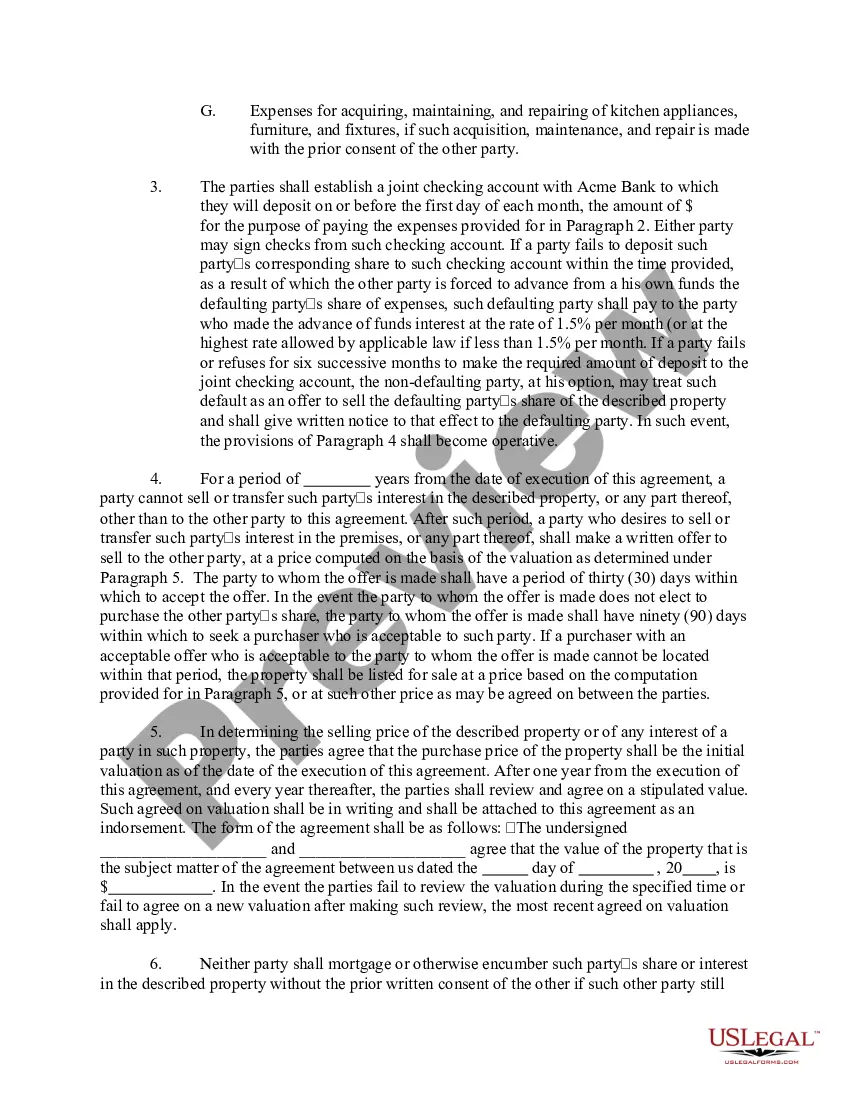
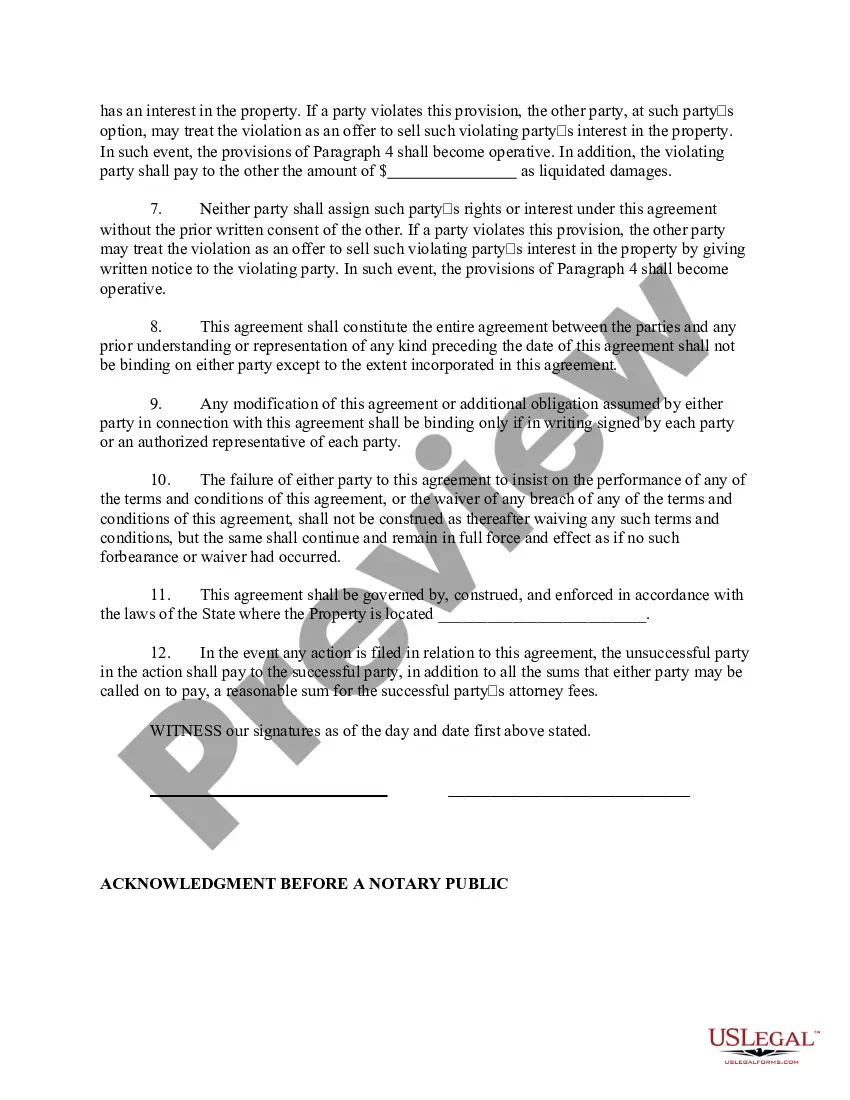
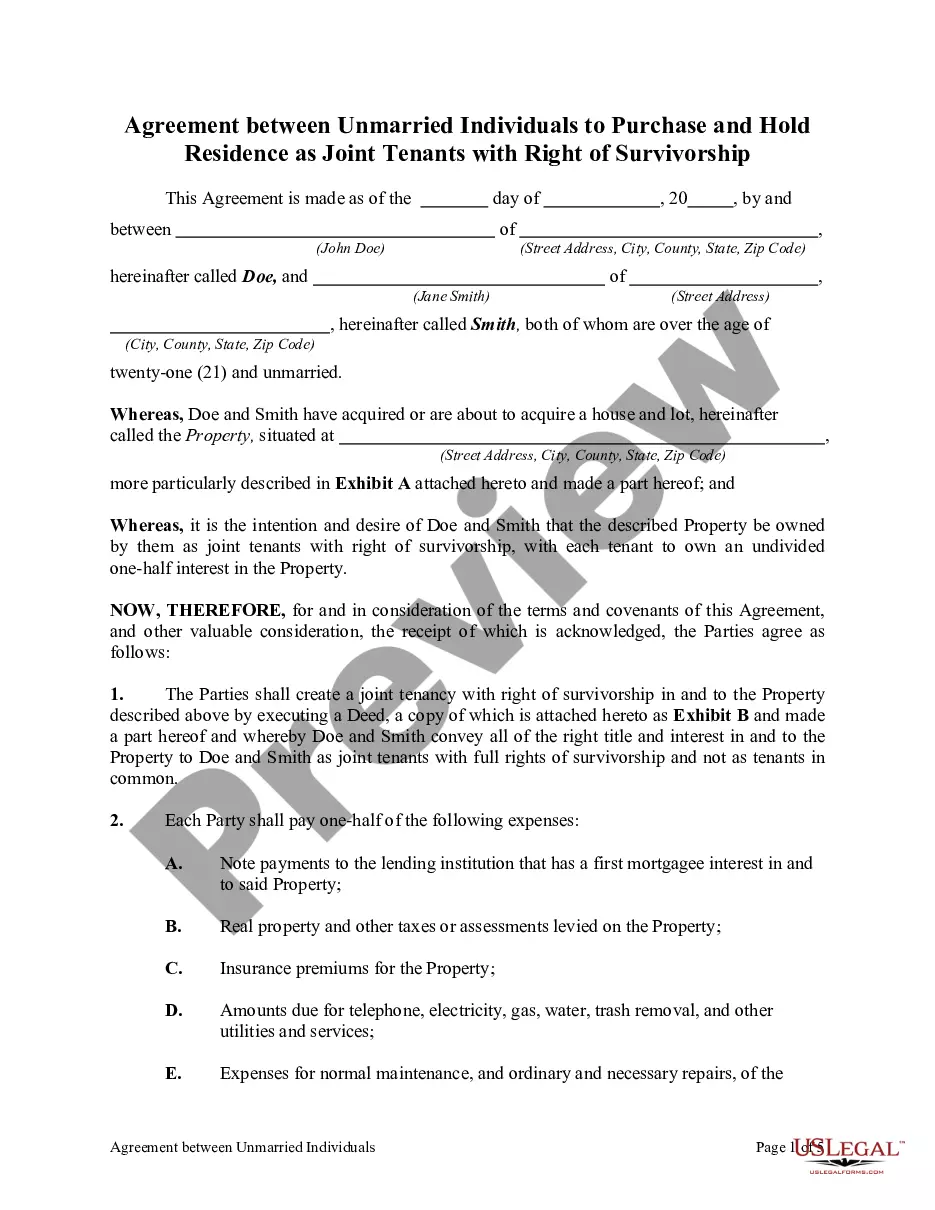
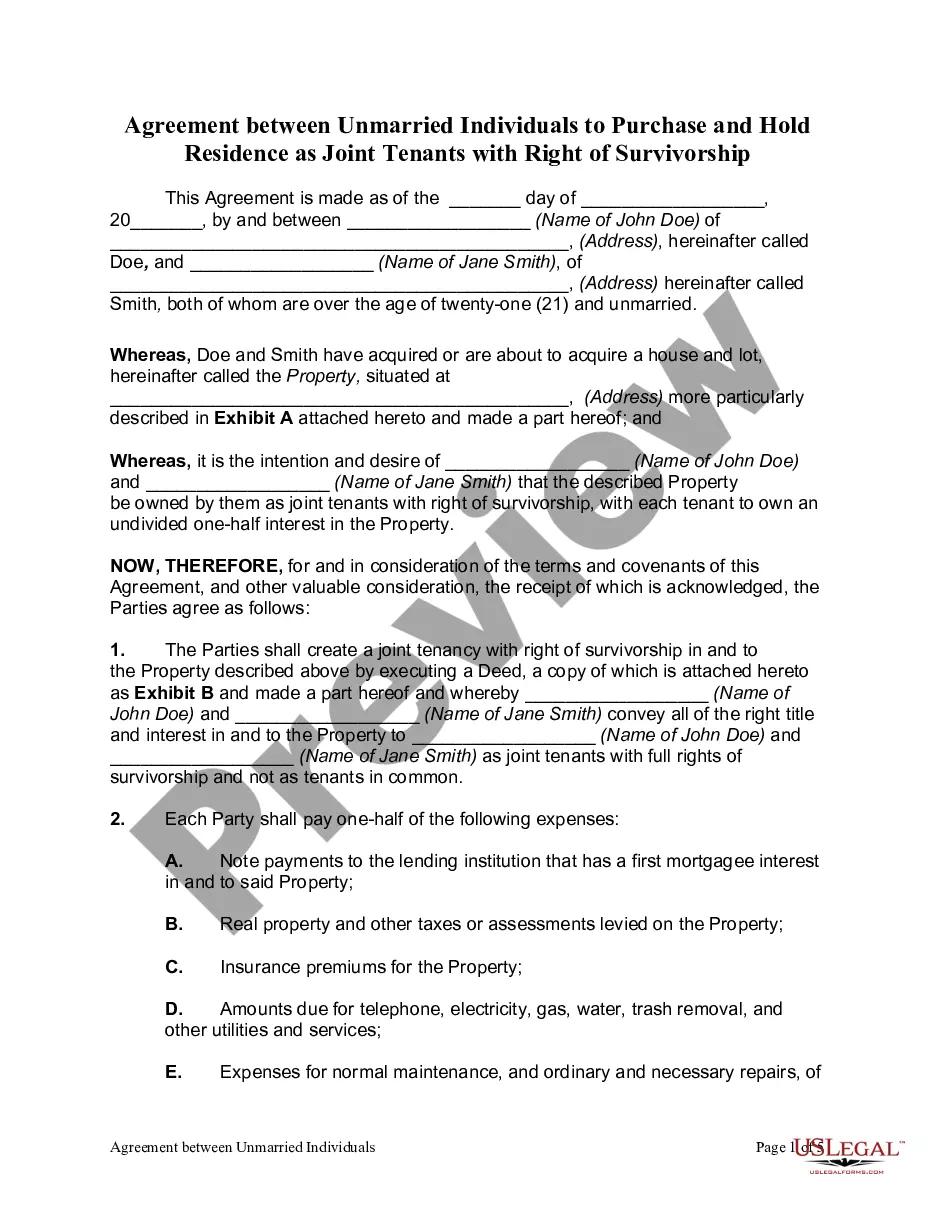
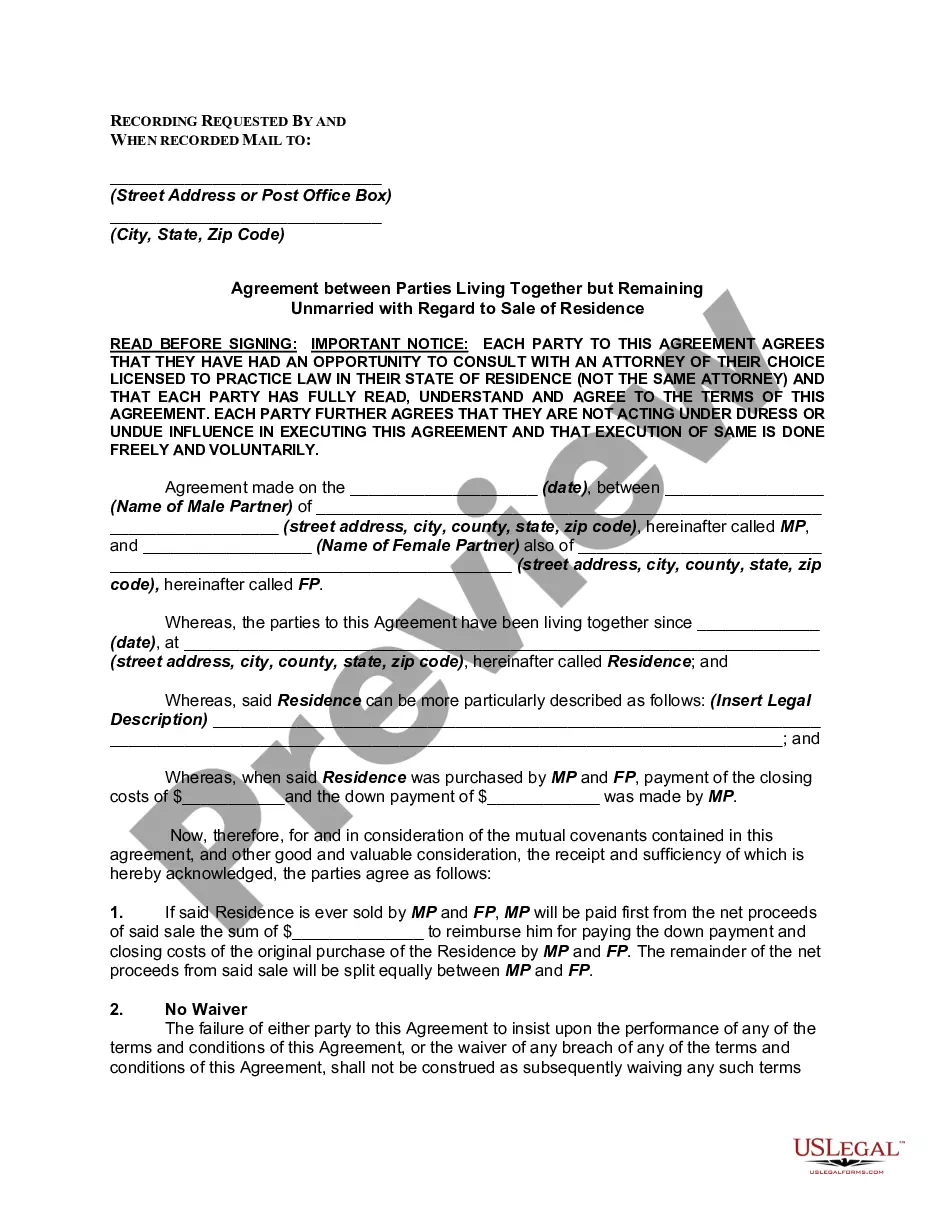
Get your form ready online
Our built-in tools help you complete, sign, share, and store your documents in one place.
Make edits, fill in missing information, and update formatting in US Legal Forms—just like you would in MS Word.
Download a copy, print it, send it by email, or mail it via USPS—whatever works best for your next step.
Sign and collect signatures with our SignNow integration. Send to multiple recipients, set reminders, and more. Go Premium to unlock E-Sign.
If this form requires notarization, complete it online through a secure video call—no need to meet a notary in person or wait for an appointment.
We protect your documents and personal data by following strict security and privacy standards.

Make edits, fill in missing information, and update formatting in US Legal Forms—just like you would in MS Word.

Download a copy, print it, send it by email, or mail it via USPS—whatever works best for your next step.

Sign and collect signatures with our SignNow integration. Send to multiple recipients, set reminders, and more. Go Premium to unlock E-Sign.

If this form requires notarization, complete it online through a secure video call—no need to meet a notary in person or wait for an appointment.

We protect your documents and personal data by following strict security and privacy standards.
Looking for another form?
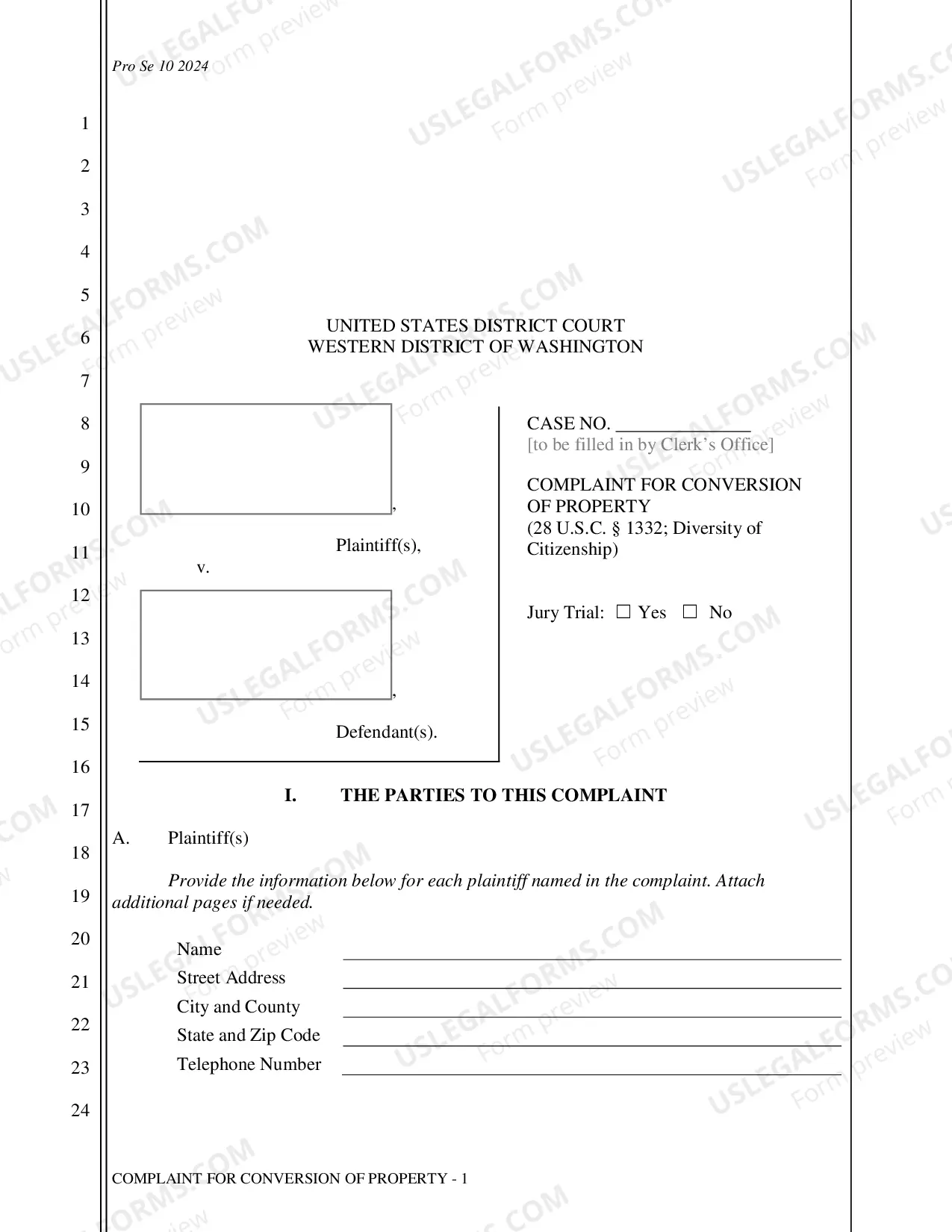

Form popularity
FAQ
In Illinois, any property that is acquired before the marriage, by gift, or by inheritance is non-marital property. 750 ILCS 5/503(a).
When a spouse dies, who gets the house in Illinois? If both parties owned the home jointly, then the living spouse takes the house. If the deceased spouse owned the home by themself, then where the house goes depends on how that spouse wanted it.
In community property states, such as California, if you acquired your home while you are married, the value of your home is equally shared between you and your spouse, whether your name is on the deed or not. This is the default situation and prevents one spouse from losing the home in the event of a divorce.
Many people in the United States are choosing to live unmarried together and may not realize the benefits and risks to doing so. In some states a cohabitation agreement is an option to keep you safe from financial risks but unfortunately, Illinois law prohibits cohabitation agreements from being legally binding.
Cohabitation agreements resemble prenuptial agreements. Like a prenup, a cohabitation agreement is a contract that establishes rules for property division, financial responsibilities, and other matters. Some couples feel that a cohabitation agreement takes the "romance" or spontaneity out of their relationship.
What rights do unmarried couples have in Illinois? Unmarried couples in Illinois do not have any built-in legal protections, regardless of how long the relationship has lasted. Times have changed, and many couples choose to live together and commingle finances while not getting married.
Perhaps the most common way for unmarried couples to take title to real property is as "tenants in common." Unlike a joint tenancy, a tenant in common has no automatic right to inherit the property when the other partner dies.
As long as you and your ex can agree on how to divide up your assets, there is no need to involve lawyers or the court system. Even if children are involved, in most states you have the opportunity to separate in private, ing to whatever arrangements the two of you agree on.
Cohabitation Agreements Generally This means that both parties have a legal and ethical obligation to act in each other's best interests on financial matters. It must address joint accounts, joint debts, joint property, and any financial support if the relationship ends (“palimony").
If you're not married, the Illinois statute doesn't say anything. So the presumption is that whoever has the property in their name or possession gets to keep that property in their name or possession.
