Contracts For Unmarried Couples That Are Buying A Home In Allegheny
Description

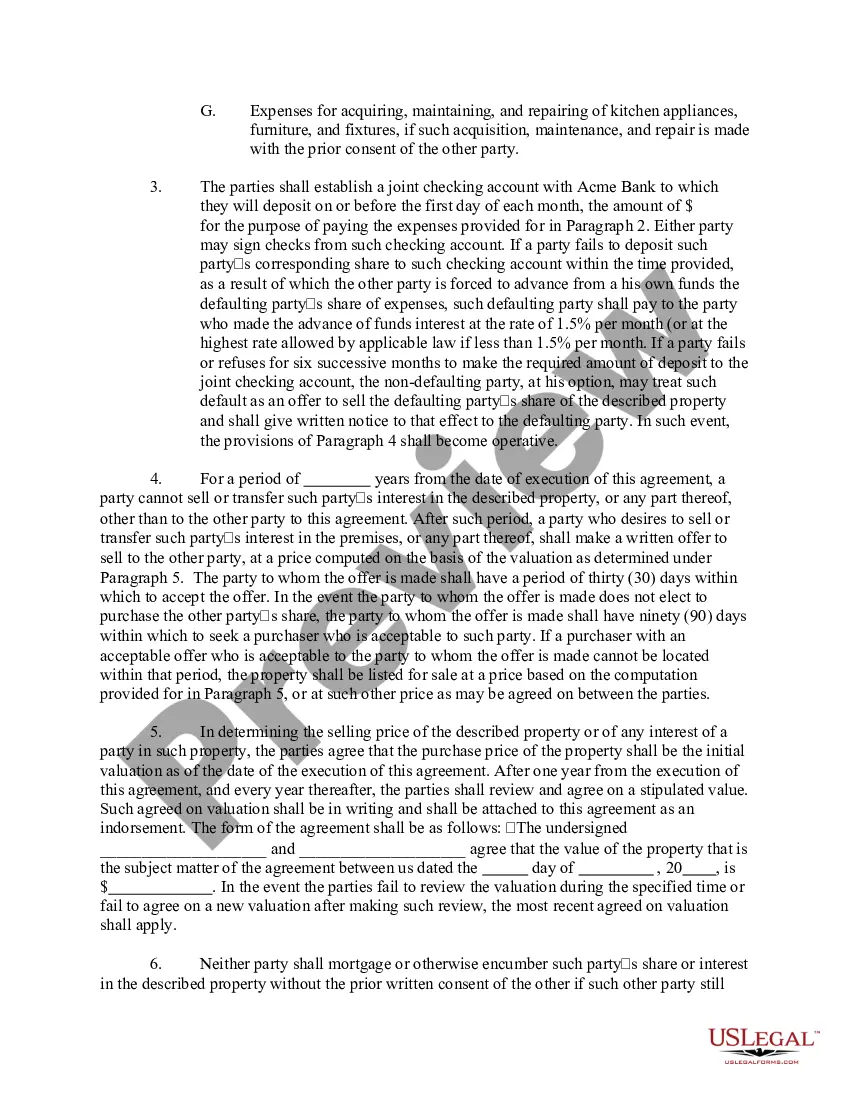
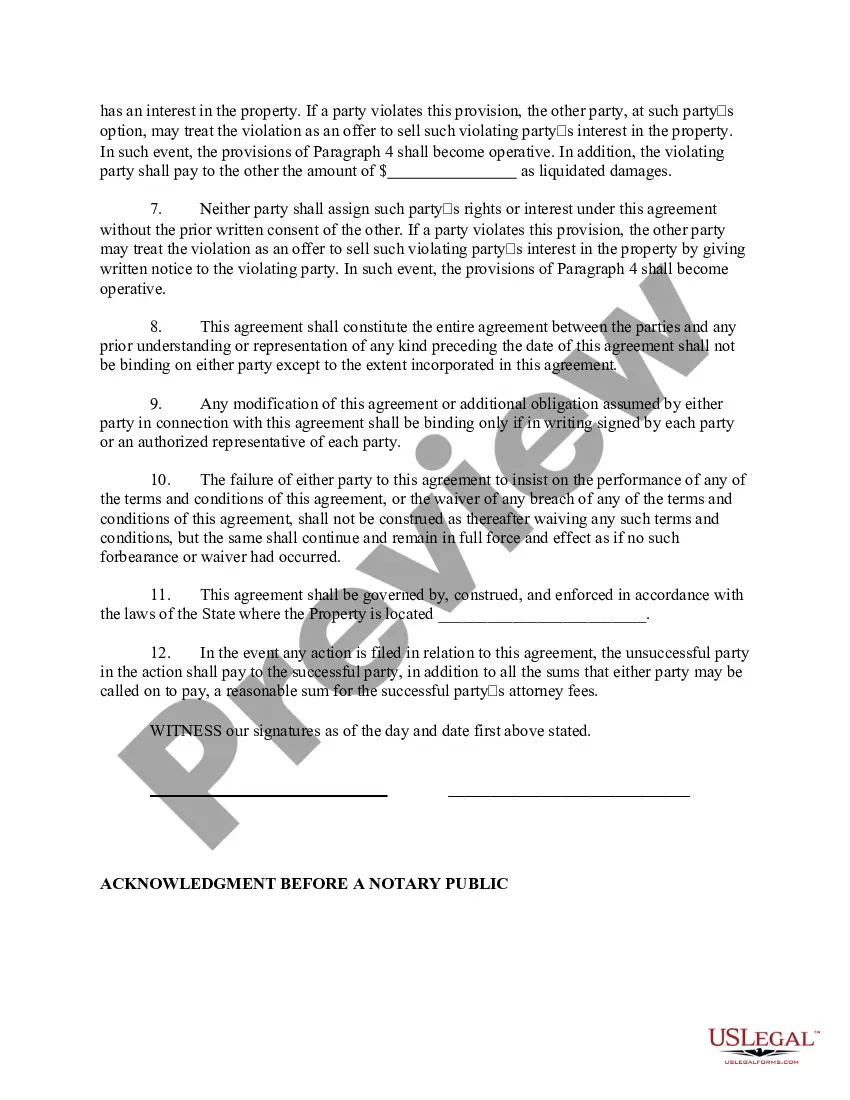
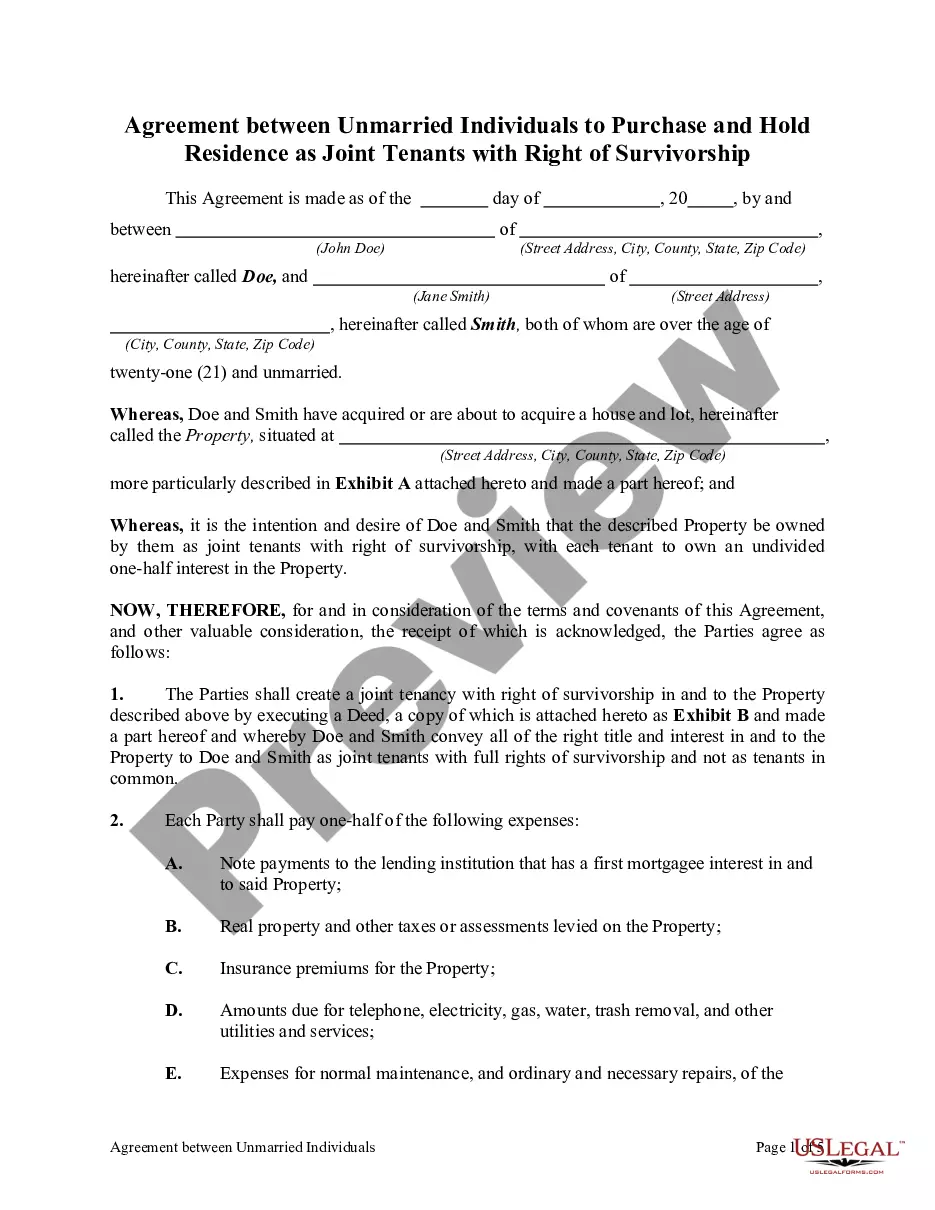
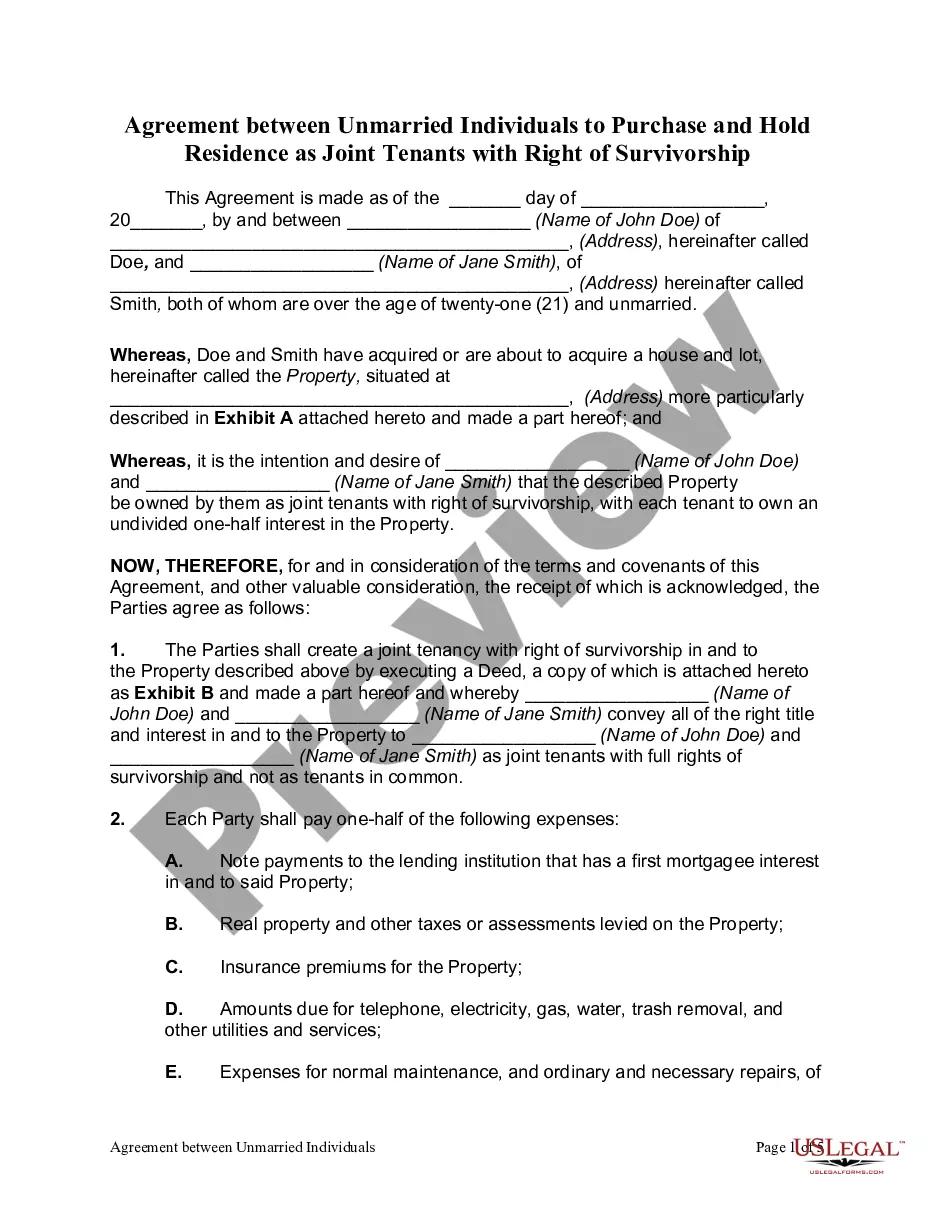
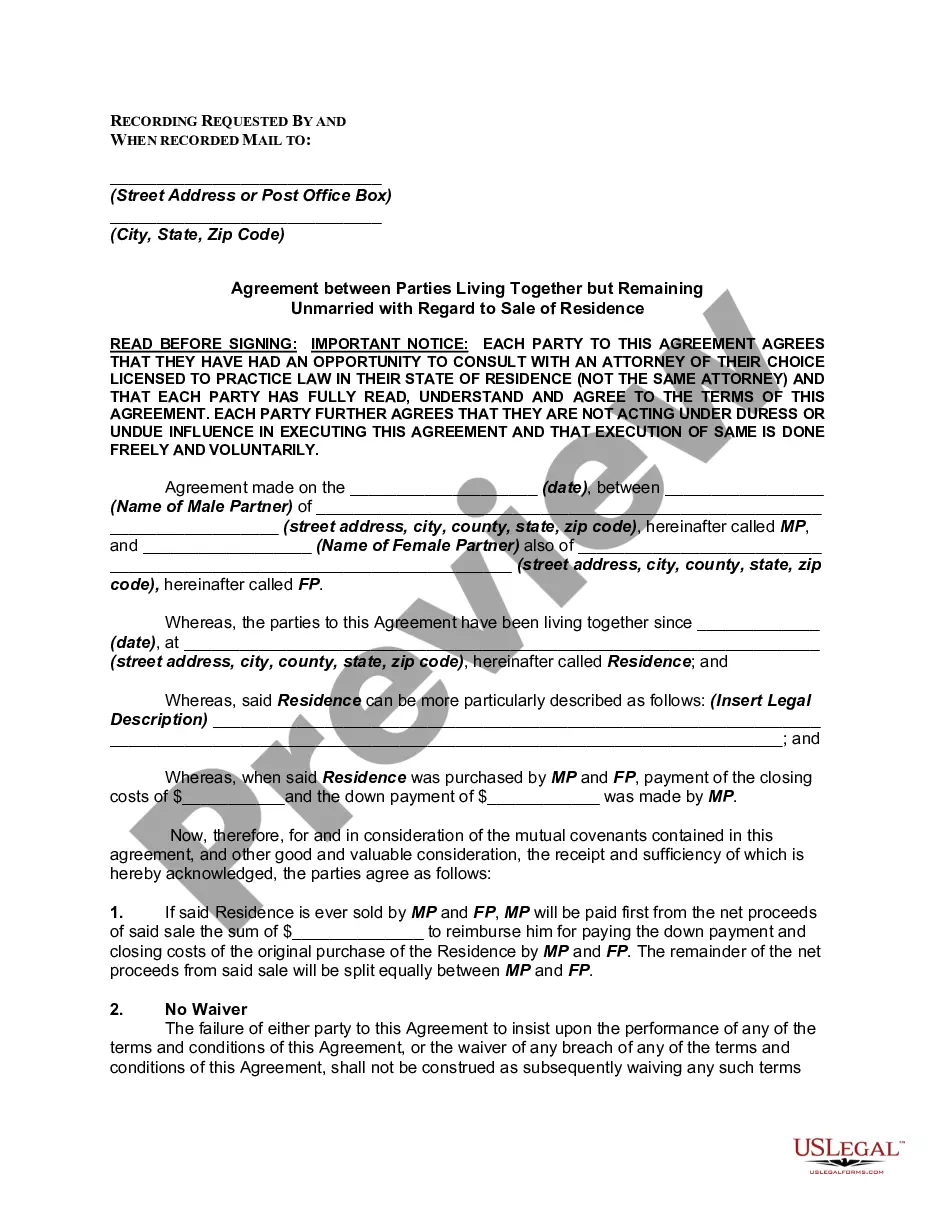
Get your form ready online
Our built-in tools help you complete, sign, share, and store your documents in one place.
Make edits, fill in missing information, and update formatting in US Legal Forms—just like you would in MS Word.
Download a copy, print it, send it by email, or mail it via USPS—whatever works best for your next step.
Sign and collect signatures with our SignNow integration. Send to multiple recipients, set reminders, and more. Go Premium to unlock E-Sign.
If this form requires notarization, complete it online through a secure video call—no need to meet a notary in person or wait for an appointment.
We protect your documents and personal data by following strict security and privacy standards.

Make edits, fill in missing information, and update formatting in US Legal Forms—just like you would in MS Word.

Download a copy, print it, send it by email, or mail it via USPS—whatever works best for your next step.

Sign and collect signatures with our SignNow integration. Send to multiple recipients, set reminders, and more. Go Premium to unlock E-Sign.

If this form requires notarization, complete it online through a secure video call—no need to meet a notary in person or wait for an appointment.

We protect your documents and personal data by following strict security and privacy standards.
Looking for another form?

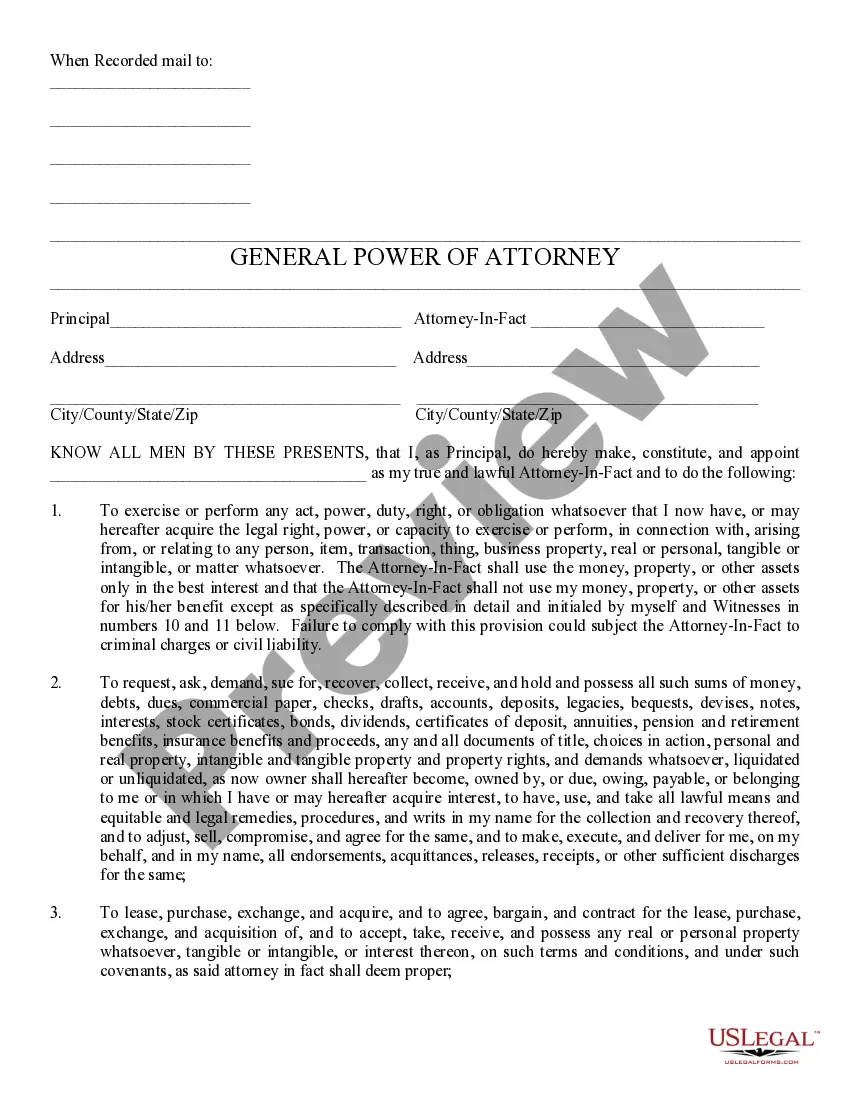
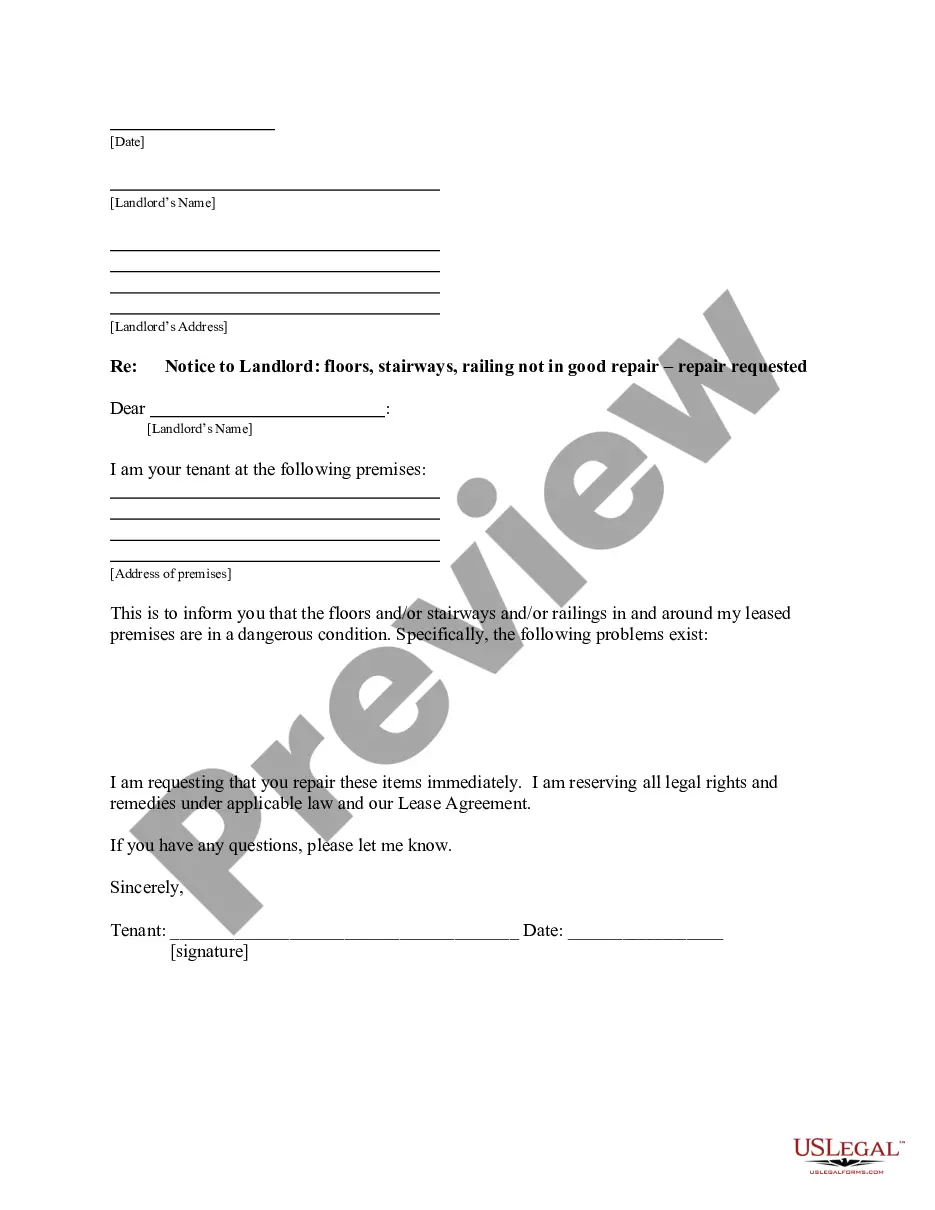
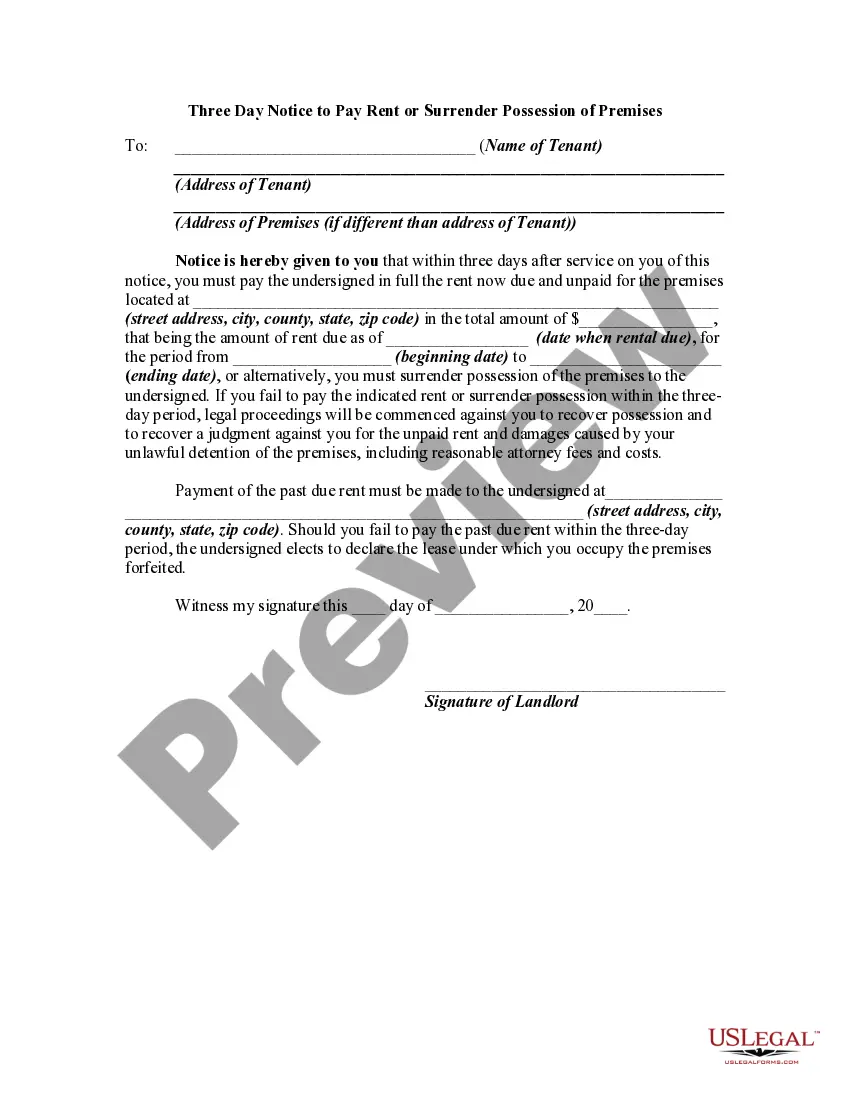


Form popularity
FAQ
As such, then one of the parties would get the home, generally speaking. However, the party receiving the home is likely to have the rest if their share of communal property offset by the home, so as to make it fair.
Perhaps the most common way for unmarried couples to take title to real property is as "tenants in common." Unlike a joint tenancy, a tenant in common has no automatic right to inherit the property when the other partner dies.
As long as you and your ex can agree on how to divide up your assets, there is no need to involve lawyers or the court system. Even if children are involved, in most states you have the opportunity to separate in private, ing to whatever arrangements the two of you agree on.
Protection to Put in Place #1 A Cohabitation Agreement. #2 A Pre-Nuptial Agreement. #3 Make Wills. #4 Take Out Life Insurance. #5 Check Your Pensions. #6 Consider How You Own Your Property.
Unlike married couples, common-law couples don't need a court decision to make their separation official. You can settle all the issues that arise when you break up without going to court. But sometimes it's a good idea to have a lawyer or notary help you.
Housing rights at the end of a relationship. At the end of your relationship, a court can give you or your partner rights to the home, for example: the right to stay in your home. the right to come back home to get your things.
Joint Tenancy. If you take title as joint tenants, you share equal ownership of the property and each of you has the right to use the entire property. If one joint tenant dies, the other automatically becomes the owner of the deceased person's share, even if there's a will to the contrary.
Pennsylvania law doesn't automatically grant shared property rights to unmarried partners. As such, the division of property is typically governed by the principles of contract and property law. To safeguard individual interests, it is advisable for unmarried couples to consider creating a cohabitation agreement.
