Lease For Apartment Meaning In Nassau
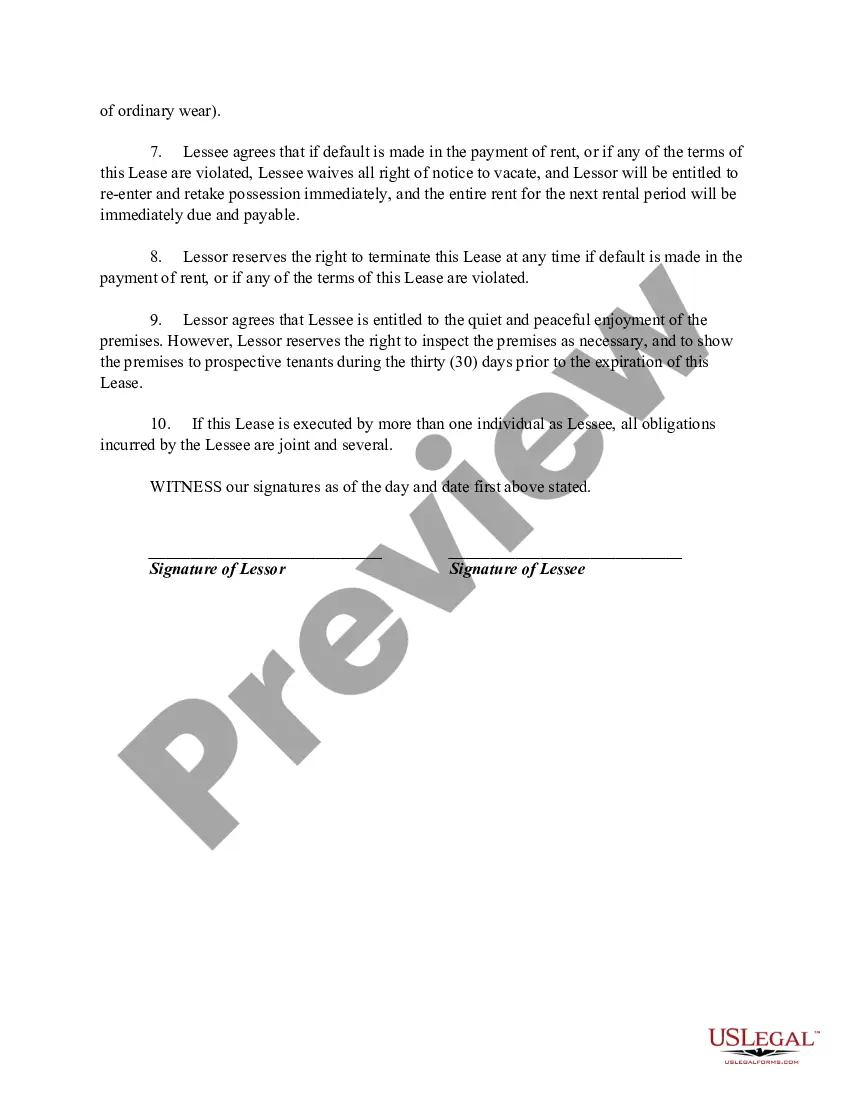
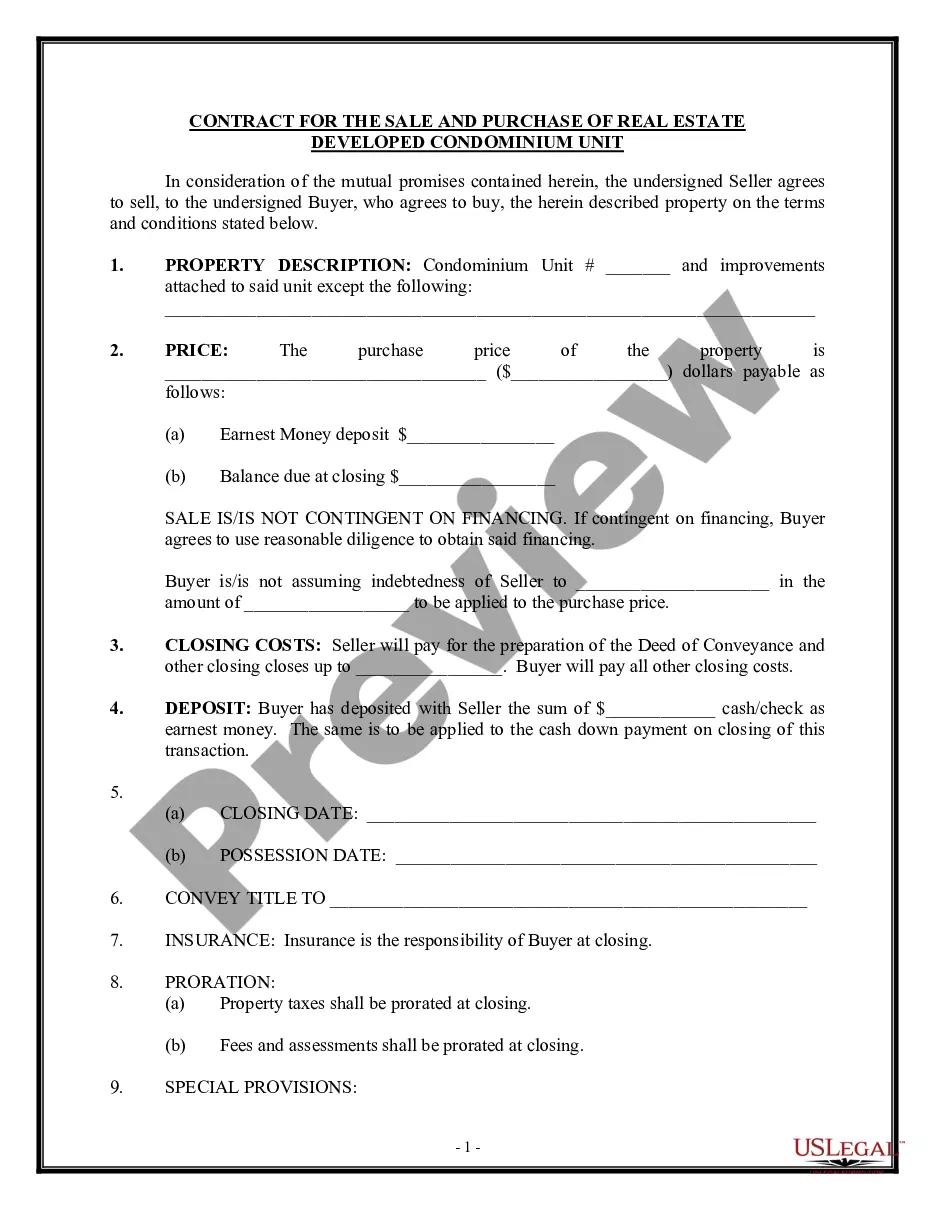
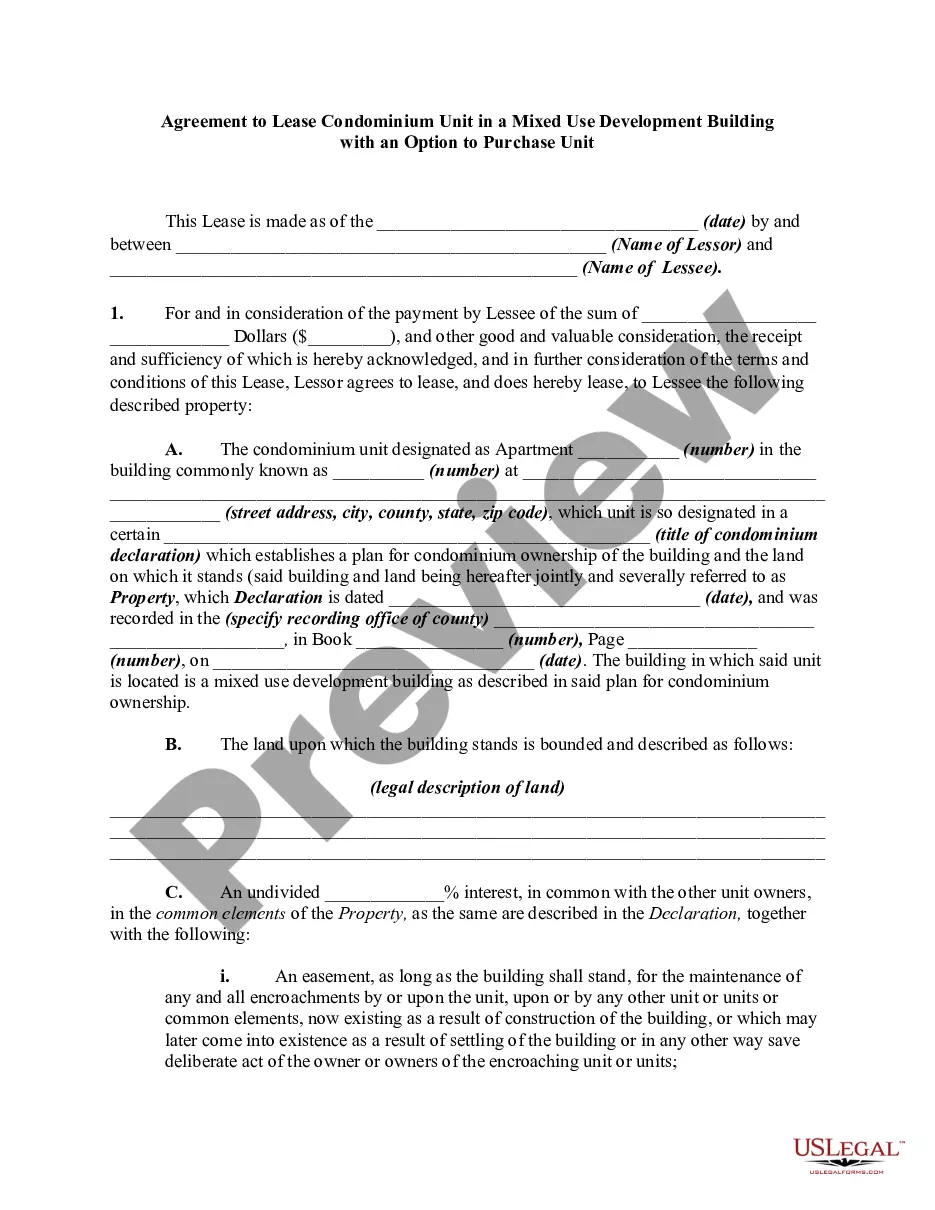
Description

Get your form ready online
Our built-in tools help you complete, sign, share, and store your documents in one place.
Make edits, fill in missing information, and update formatting in US Legal Forms—just like you would in MS Word.
Download a copy, print it, send it by email, or mail it via USPS—whatever works best for your next step.
Sign and collect signatures with our SignNow integration. Send to multiple recipients, set reminders, and more. Go Premium to unlock E-Sign.
If this form requires notarization, complete it online through a secure video call—no need to meet a notary in person or wait for an appointment.
We protect your documents and personal data by following strict security and privacy standards.

Make edits, fill in missing information, and update formatting in US Legal Forms—just like you would in MS Word.

Download a copy, print it, send it by email, or mail it via USPS—whatever works best for your next step.

Sign and collect signatures with our SignNow integration. Send to multiple recipients, set reminders, and more. Go Premium to unlock E-Sign.

If this form requires notarization, complete it online through a secure video call—no need to meet a notary in person or wait for an appointment.

We protect your documents and personal data by following strict security and privacy standards.
Looking for another form?

Form popularity
FAQ
In conclusion, as a tenant without a lease agreement, you still have rights and protections under the law. Your landlord has the obligation to provide a safe living environment, make necessary repairs, provide basic utilities, and follow eviction laws.
Definitions. The Term means the period of time the lease is in effect. It is typically defined by specific start (commencement) and end (termination) dates of the lease.
You can stay in a New York City apartment for 90 days without paying rent before the landlord can initiate eviction proceedings against you. This does not mean that that the landlord will take no action prior to the 90-day mark; there are several steps leading up to the eviction notice.
An example of a fixed lease term is leasing a building at $1,500/month for 24 months. An example of a periodic term is leasing a storage unit for $500 a month, with the option to continue for another month in perpetuity. The lease ends when either the landlord or tenant gives notice.
This brings us back to our original question; yes, it's possible to evict without a lease, but there are some conditions that must be satisfied when doing this. And yes, the process still mandates a formal notice be given to the tenant, but the following must also be satisfied.
Here's a list of standard fields that you should include in your lease agreement: Tenant information. Include each tenant's full name and contact information. Rental property description. Security deposit. Monthly rent amount. Utilities. Lease term. Policies. Late fees.
If you do not have a written lease, or your lease expired and you don't live in rent regulated housing, the landlord/owner may be able to go to court to evict you even if you did not do anything wrong. It is the landlord/owner's right to evict you without a reason.
The critical difference between lease and rent is their duration. Whereas a lease remains valid for the period specified in a formal agreement (typically one year), a rental agreement could cover a short-term period for month-to-month stays or vacation rentals.
It is illegal for landlords in New York to refuse lease renewal, significantly raise rent, or file for eviction in retaliation for a good faith complaint to them or to a government agency made in the past year, or for participation in the activity of a tenancy organization like ITU, ing to NY Real Prop L Section ...
