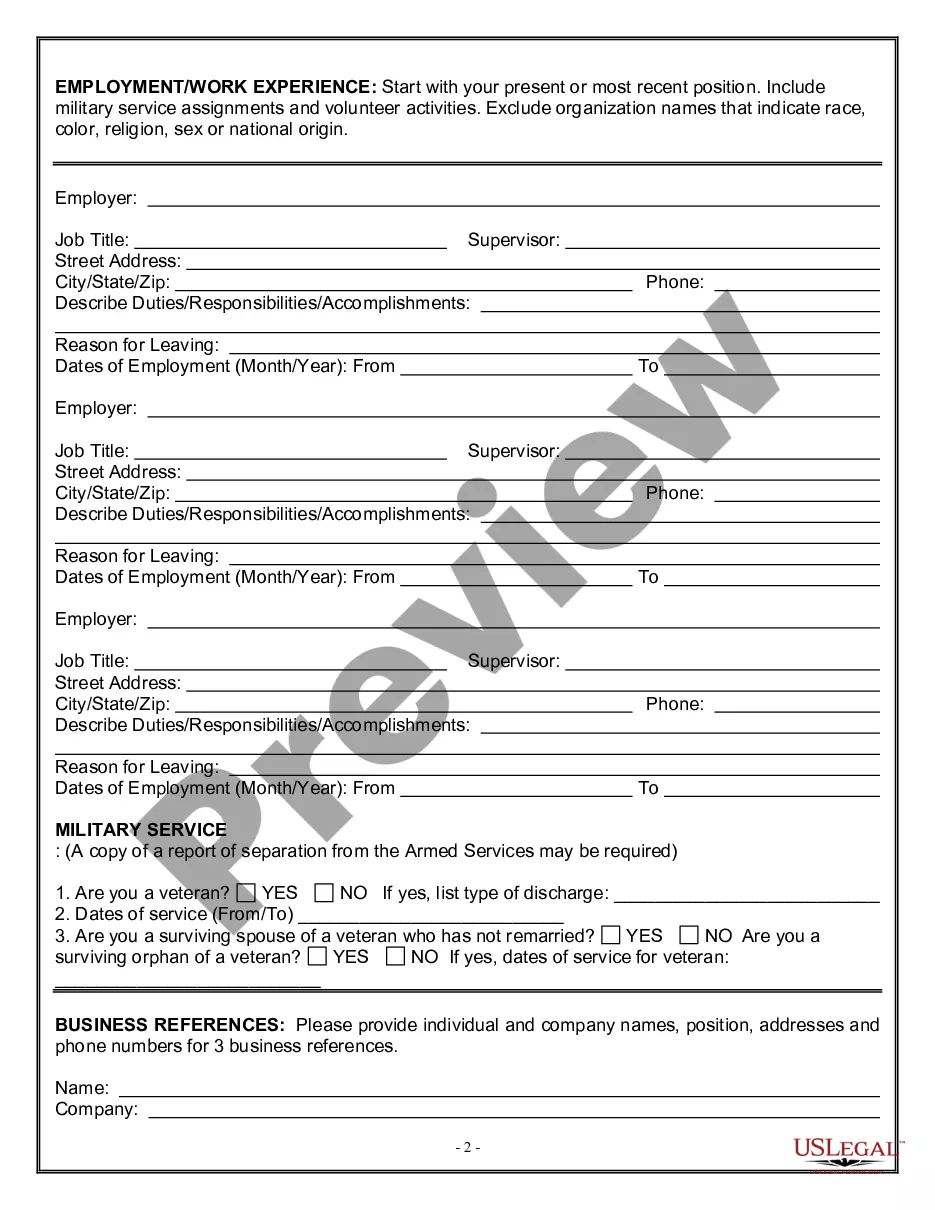
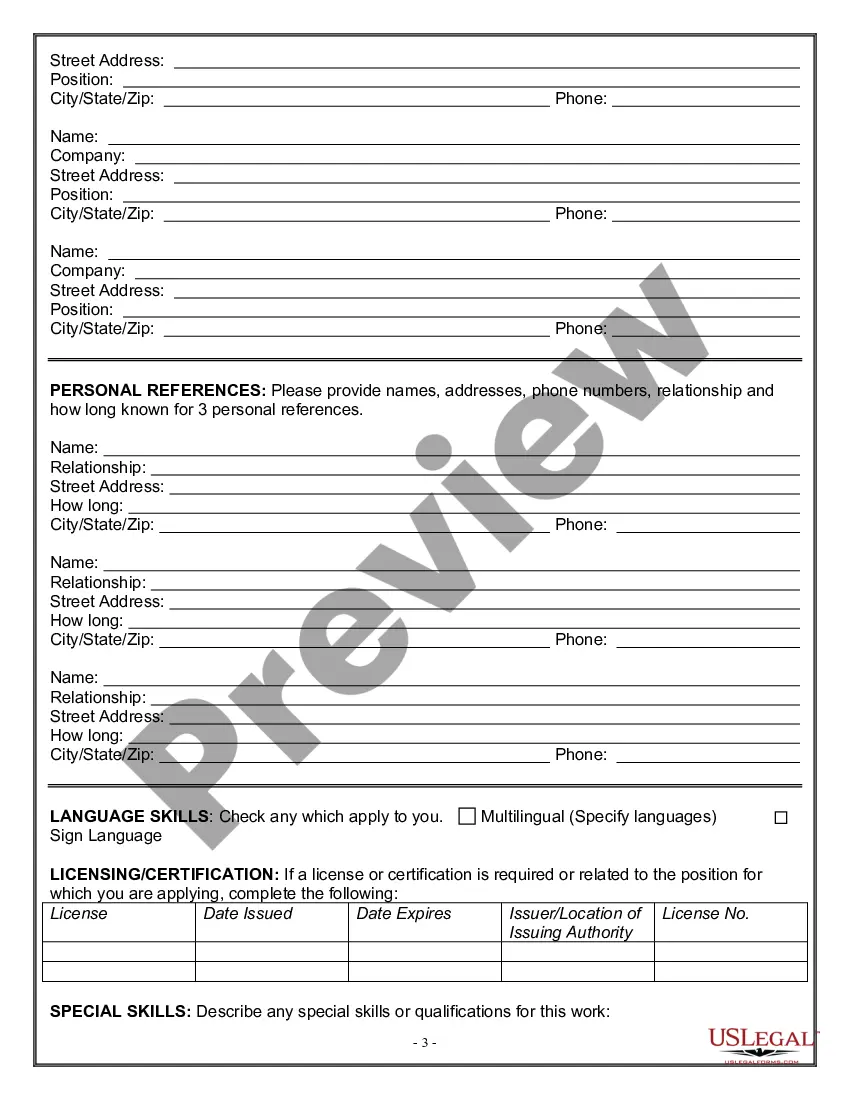
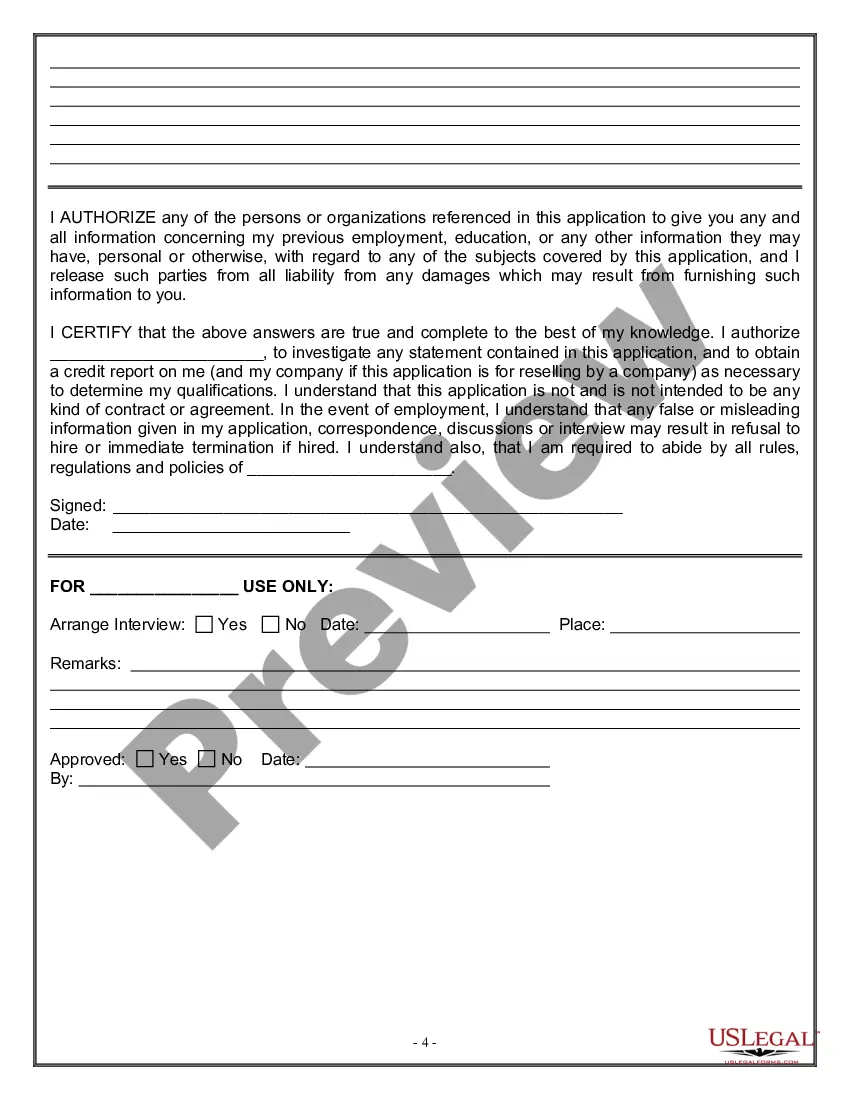
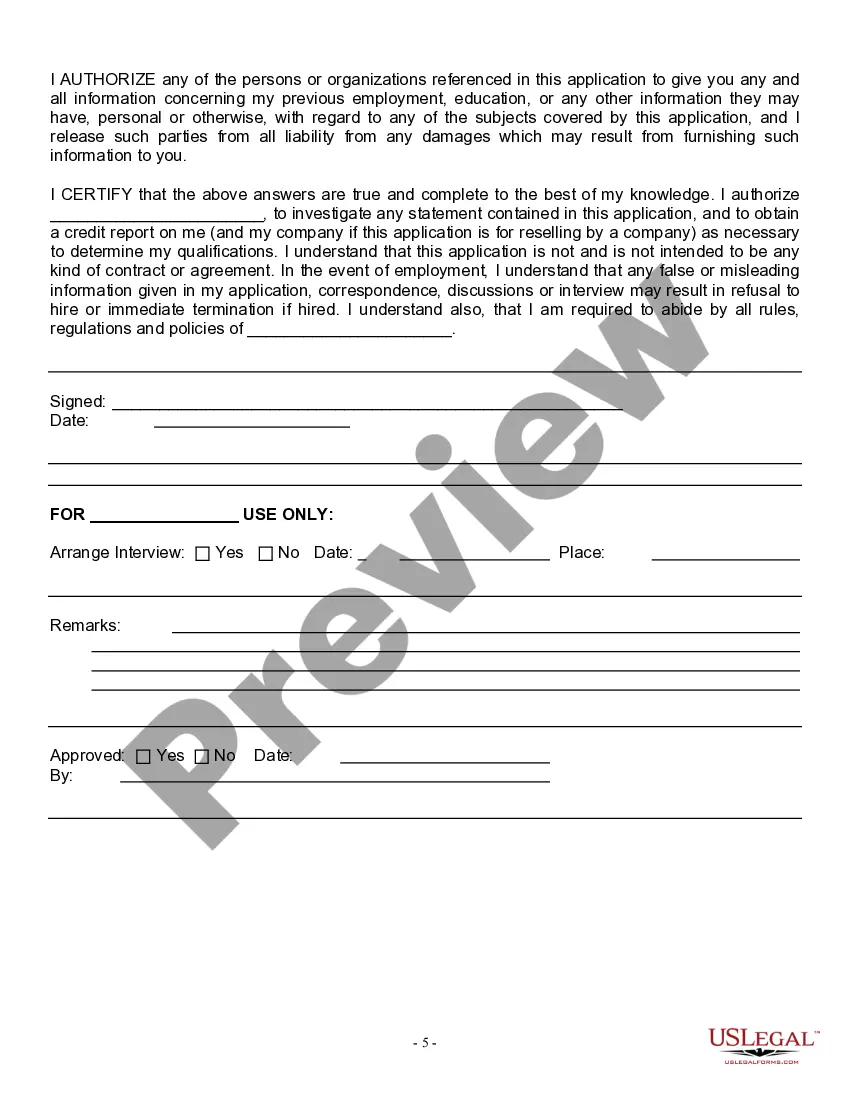
Job Application Format For Resume In Harris
Description

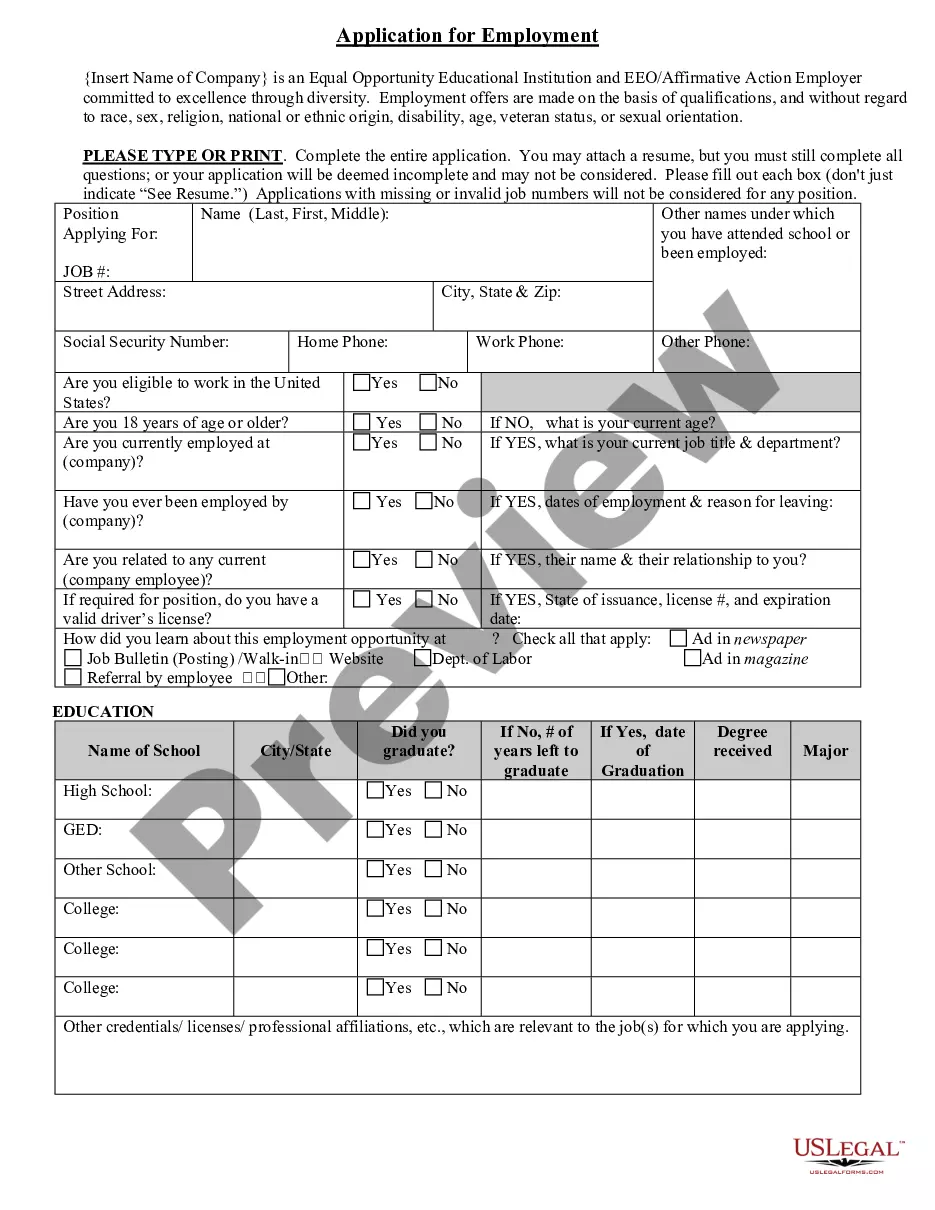
Get your form ready online
Our built-in tools help you complete, sign, share, and store your documents in one place.
Make edits, fill in missing information, and update formatting in US Legal Forms—just like you would in MS Word.
Download a copy, print it, send it by email, or mail it via USPS—whatever works best for your next step.
Sign and collect signatures with our SignNow integration. Send to multiple recipients, set reminders, and more. Go Premium to unlock E-Sign.
If this form requires notarization, complete it online through a secure video call—no need to meet a notary in person or wait for an appointment.
We protect your documents and personal data by following strict security and privacy standards.

Make edits, fill in missing information, and update formatting in US Legal Forms—just like you would in MS Word.

Download a copy, print it, send it by email, or mail it via USPS—whatever works best for your next step.

Sign and collect signatures with our SignNow integration. Send to multiple recipients, set reminders, and more. Go Premium to unlock E-Sign.

If this form requires notarization, complete it online through a secure video call—no need to meet a notary in person or wait for an appointment.

We protect your documents and personal data by following strict security and privacy standards.
Looking for another form?
Form popularity
FAQ
These seven "rules of the resume road" are applicable to all HR professionals, managers and executives. Use a Well-Branded Headline. Share Details About the Organizations Where You've Worked. Emphasize Achievements. Highlight HR Keywords. Prepare Your Resume for Applicant Tracking Systems. Share What Makes You Special.
The best file format for sending your resume to HR is typically a PDF. Here are a few reasons why: Consistency: PDFs preserve the formatting, ensuring that your resume looks the same on any device or operating system.
The most popular resume type is the reverse-chronological resume format. This is also the most preferred by most recruiters for its easy-to-read layout.
Attention to detail and clarity are essential for a good HR resume. Accurately representing yourself and your abilities requires being as clear and precise as possible. Additionally, it's helpful to use bullet points and always mention your experience and skills relevant to the role.
Chronological. A Chronological resume lists and describes your work history in reverse chronological order with your most recent position first. Most employers prefer this resume style because it is straightforward and clearly outlines your background to the reader.
The reverse-chronological format is the most popular one in 2025, and we always recommend you go with that one. A functional resume focuses more on skills rather than work experience and is usually used by career changers or students.
How to create a professional resume Choose the right format. A format is the style and order in which you display information on your resume. Tailor your resume for each position. Add a resume summary or objective. List your soft and hard skills. Detail your professional history. Proofread your resume.
To build a resume, click on "build a new resume." You'll be prompted to enter your email address, creating an Indeed account for your resume to be stored. Once you enter your basic information, click "next" to begin building your resume.
Mention what your professional experiences are, and what role you're applying for. The second paragraph - Explain why you're the perfect candidate for the job. Mention your top 2-3 achievements, your top skills, why you want to work in that specific industry, and whatever else is relevant.
Four Paragraphs Minimum—Your letter should have at least an introductory paragraph, an education paragraph, an employment paragraph, and a concluding paragraph. Complimentary Close—These are some standard phrases: Sincerely, Sincerely yours, Yours sincerely, Yours very truly, and Very truly yours.
