Agreement Division Property With Landlord In Illinois
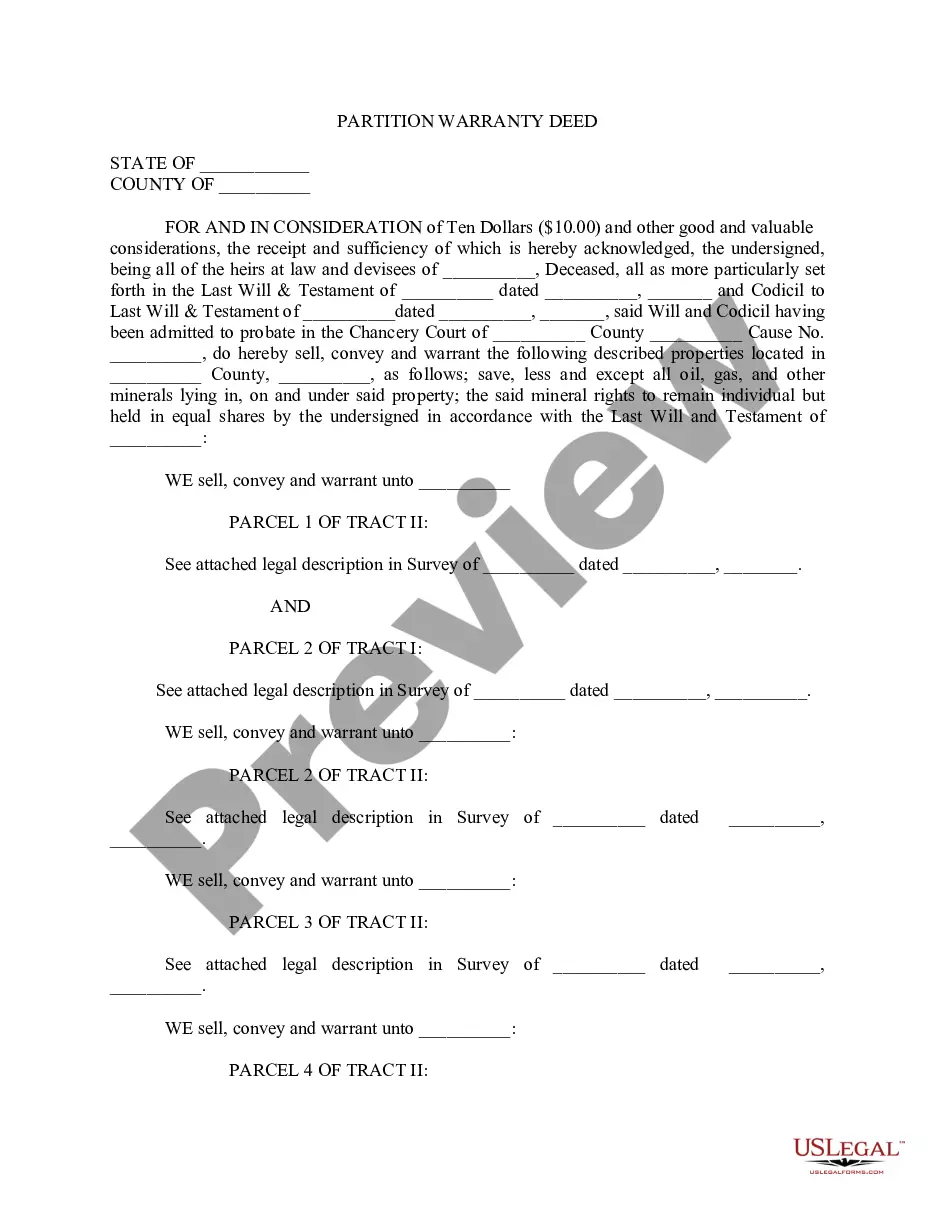
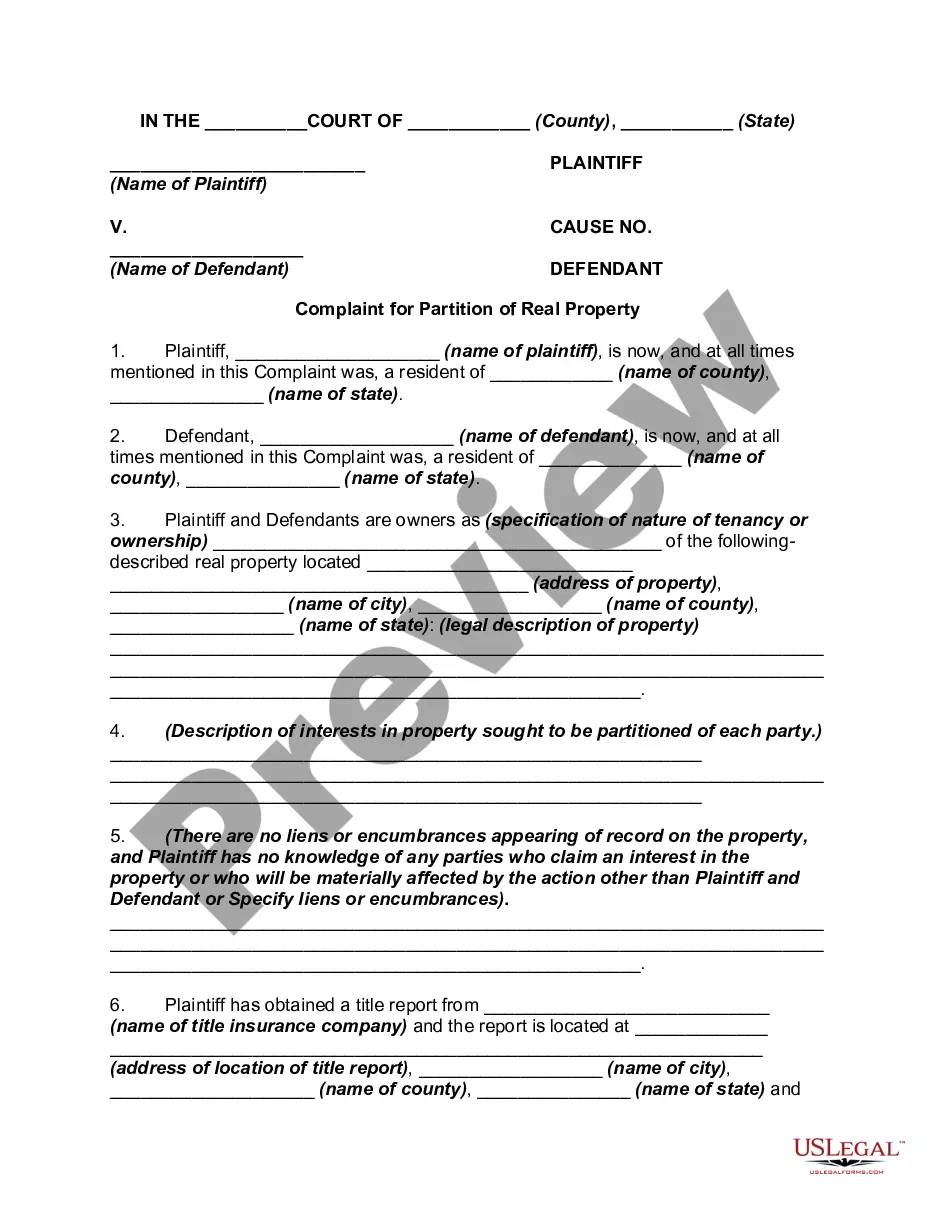
Description


Get your form ready online
Our built-in tools help you complete, sign, share, and store your documents in one place.
Make edits, fill in missing information, and update formatting in US Legal Forms—just like you would in MS Word.
Download a copy, print it, send it by email, or mail it via USPS—whatever works best for your next step.
Sign and collect signatures with our SignNow integration. Send to multiple recipients, set reminders, and more. Go Premium to unlock E-Sign.
If this form requires notarization, complete it online through a secure video call—no need to meet a notary in person or wait for an appointment.
We protect your documents and personal data by following strict security and privacy standards.

Make edits, fill in missing information, and update formatting in US Legal Forms—just like you would in MS Word.

Download a copy, print it, send it by email, or mail it via USPS—whatever works best for your next step.

Sign and collect signatures with our SignNow integration. Send to multiple recipients, set reminders, and more. Go Premium to unlock E-Sign.

If this form requires notarization, complete it online through a secure video call—no need to meet a notary in person or wait for an appointment.

We protect your documents and personal data by following strict security and privacy standards.
Looking for another form?


Form popularity
FAQ
In Illinois, tenants without a written lease have legal protections, and landlords must provide justified reasons for evictions, like non-payment of rent. Landlords must give proper notice, document violations carefully, and follow legal procedures to file an eviction lawsuit to avoid complications.
Landlords may only access a unit at reasonable times of the day. Generally entry between a.m. and p.m, by consent, or by request is presumed reasonable. A landlord may enter at any time due to an emergency.
What Does a Rental Agreement Include in Illinois? Name and address of the landlord and tenant. Description of the leased property. Rental payments clauses. Security deposit clauses. Information about the person responsible for repairs and maintenance services.
In most standard Illinois residential leases, tenants are required to provide 30 days' written notice to legally terminate early. The notice period commences at the start of the next rental period after notice is given. Inform your landlord in writing as soon as possible once you decide to leave.
As of 2024, Illinois landlords do not legally have to notify a tenant before accessing a rental property. That said, a 24-48-hour notice is generally considered sufficient and good practice. In the case of an emergency, a landlord may enter a property without notice.
Illinois law: In Chicago, a tenant can stop paying rent when there is no hot water, rodents or bugs are infesting in the area, failure to dispose the garbage or waste and to maintain the floors and stairs.
Habitability requirements. The landlord must keep the rental unit in a livable and safe condition. The landlord must maintain all services that are the landlord's responsibility under the lease.
It's standard to expect (and outlined by the Illinois Attorney General) that the previous tenant will go through the property and clean it when they leave so it is in an acceptable condition.
No less than 30 days prior to listing or otherwise offering a rental property for sale, the owner shall provide notice to the tenant association, or if no tenant association exists, to each tenant, and to the Department, of the owner's intent to sell.
