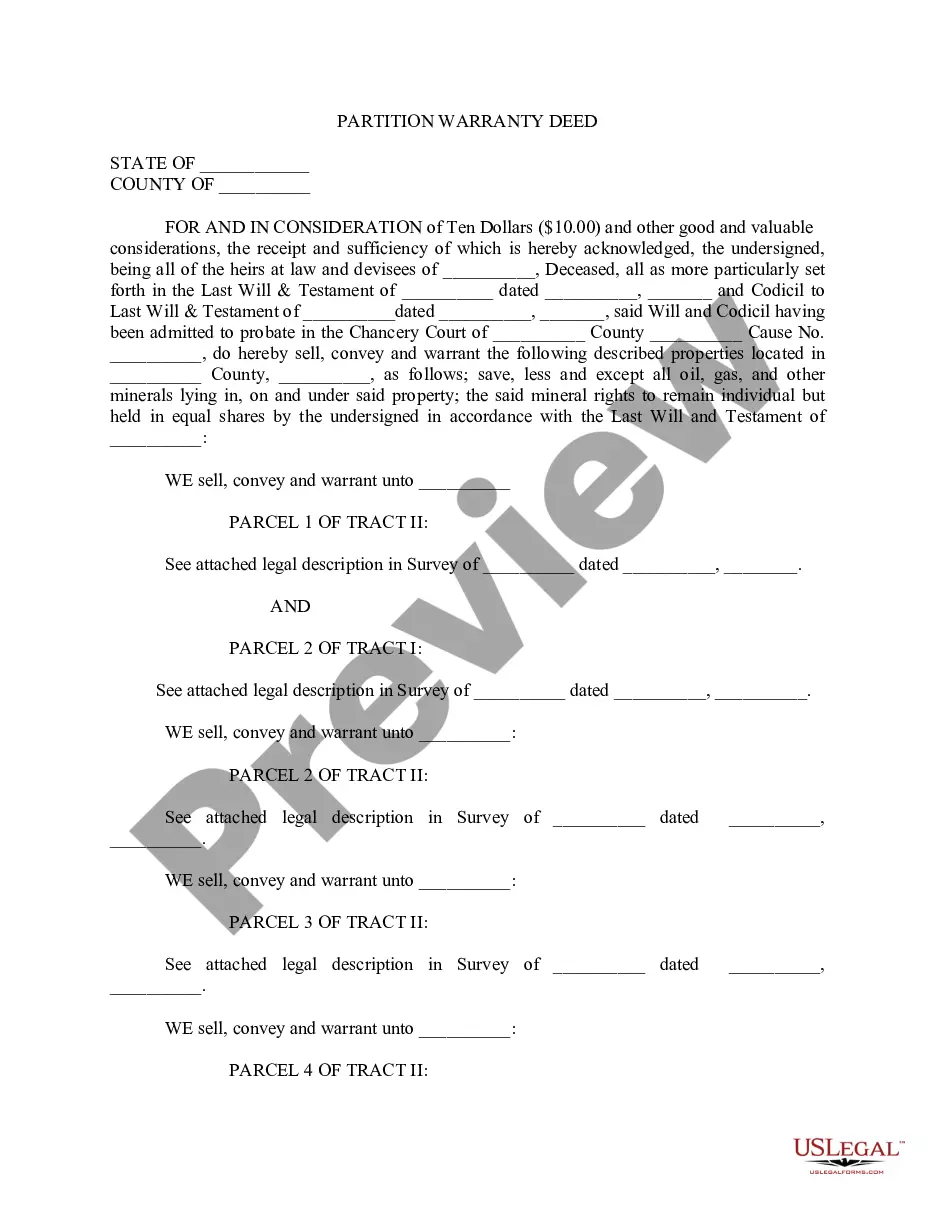
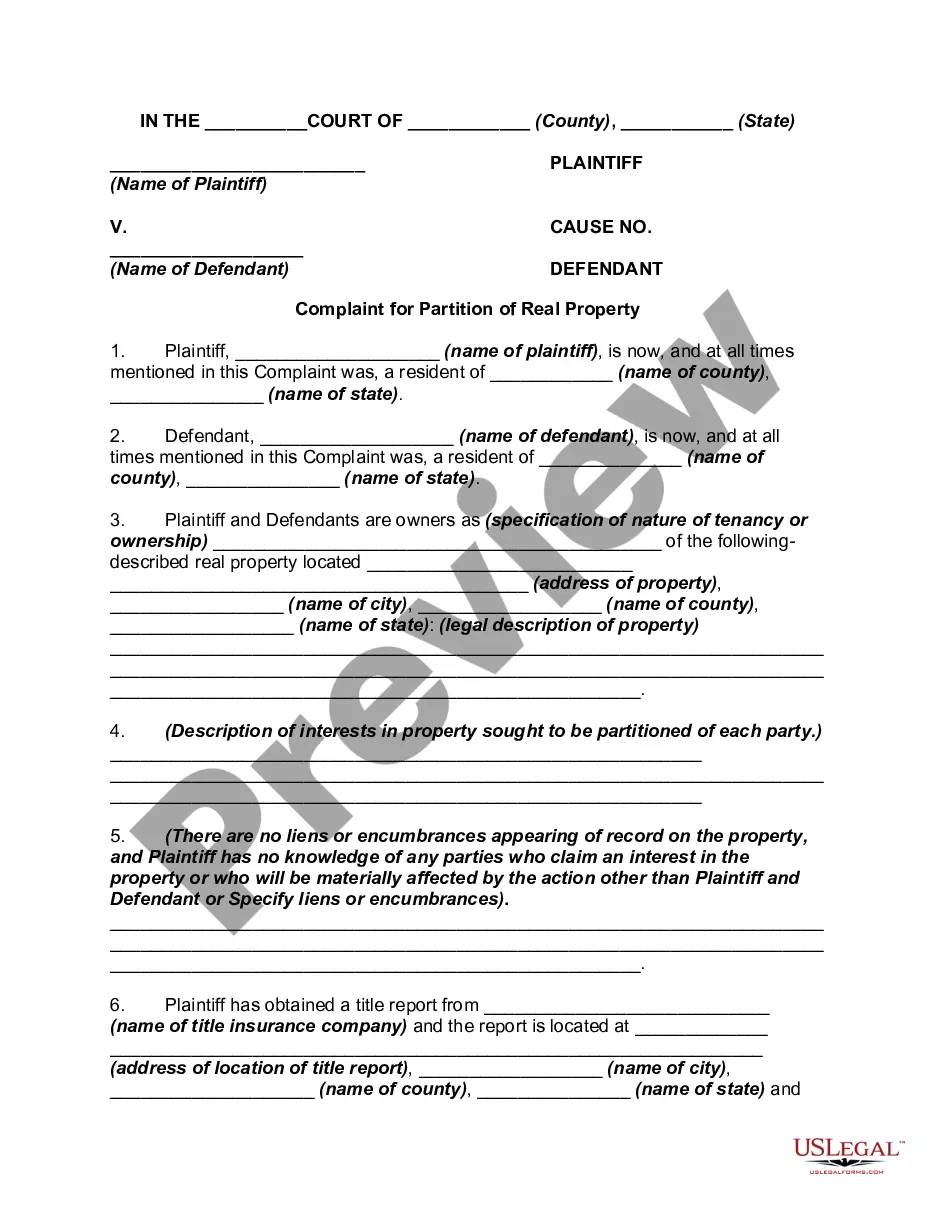
Texas Partition Agreement With Exchange In California
Description

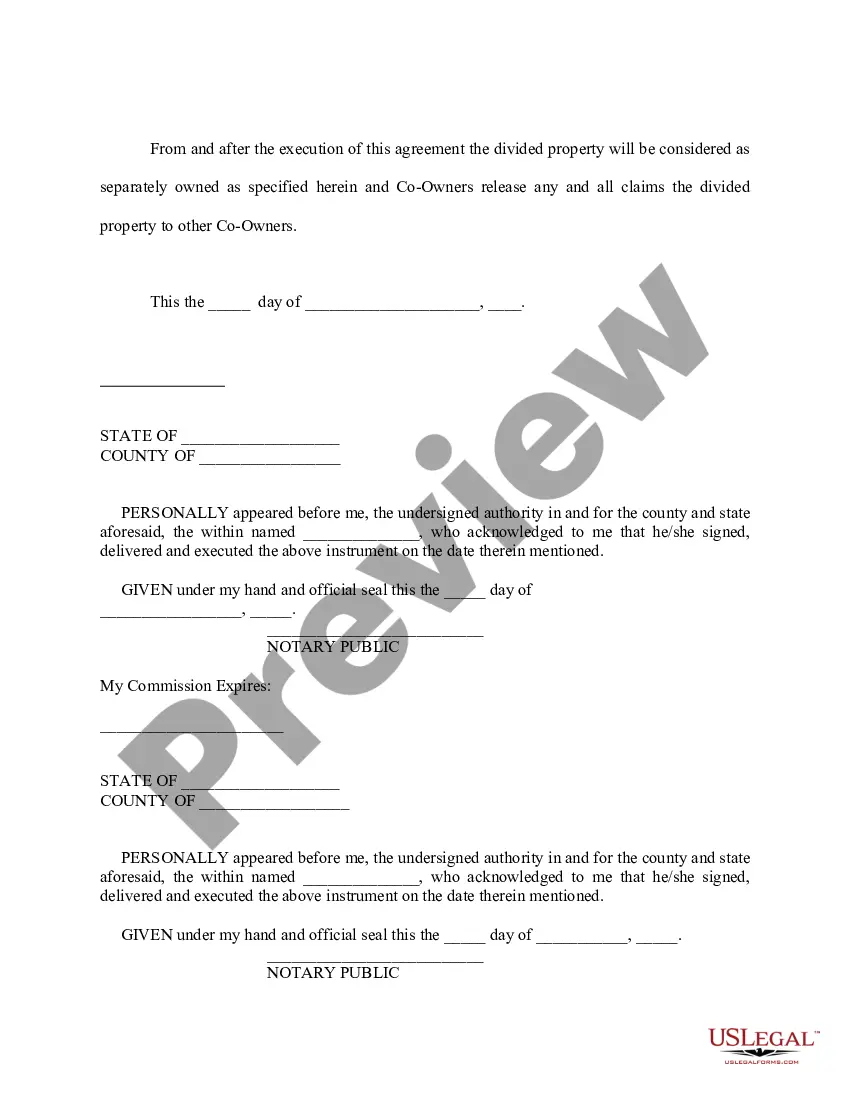
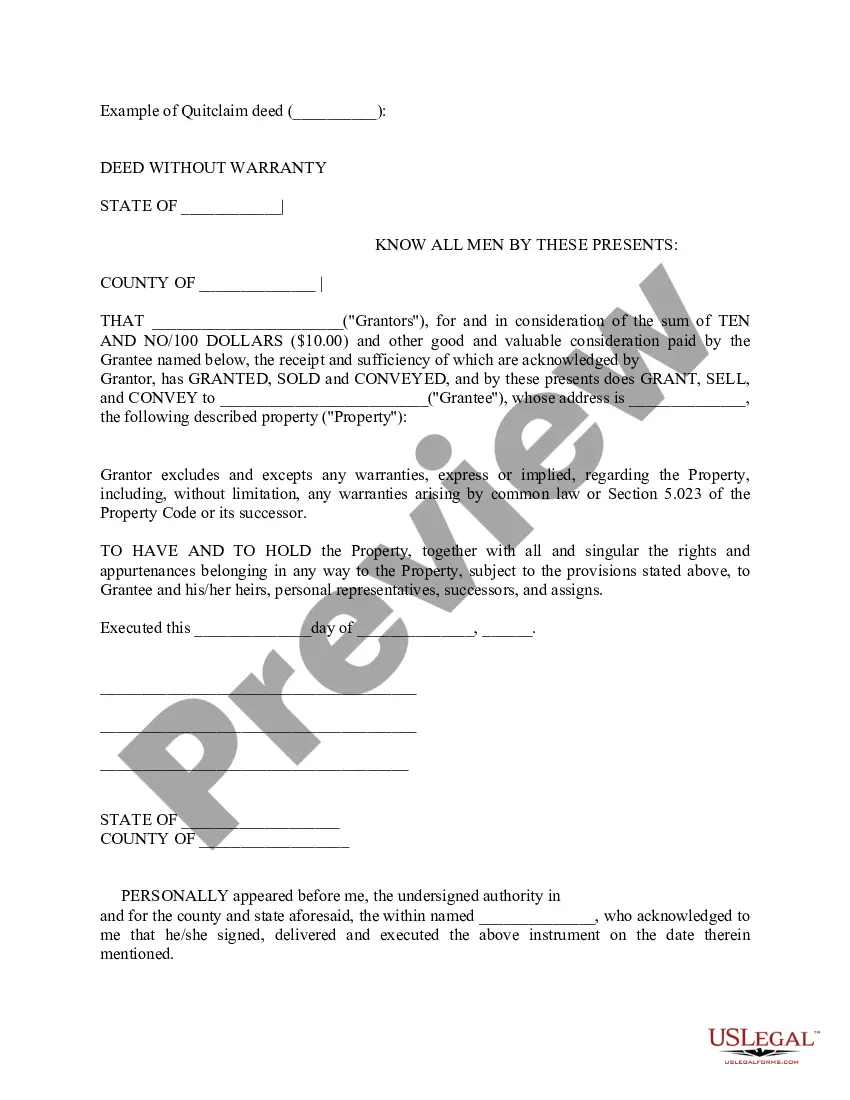
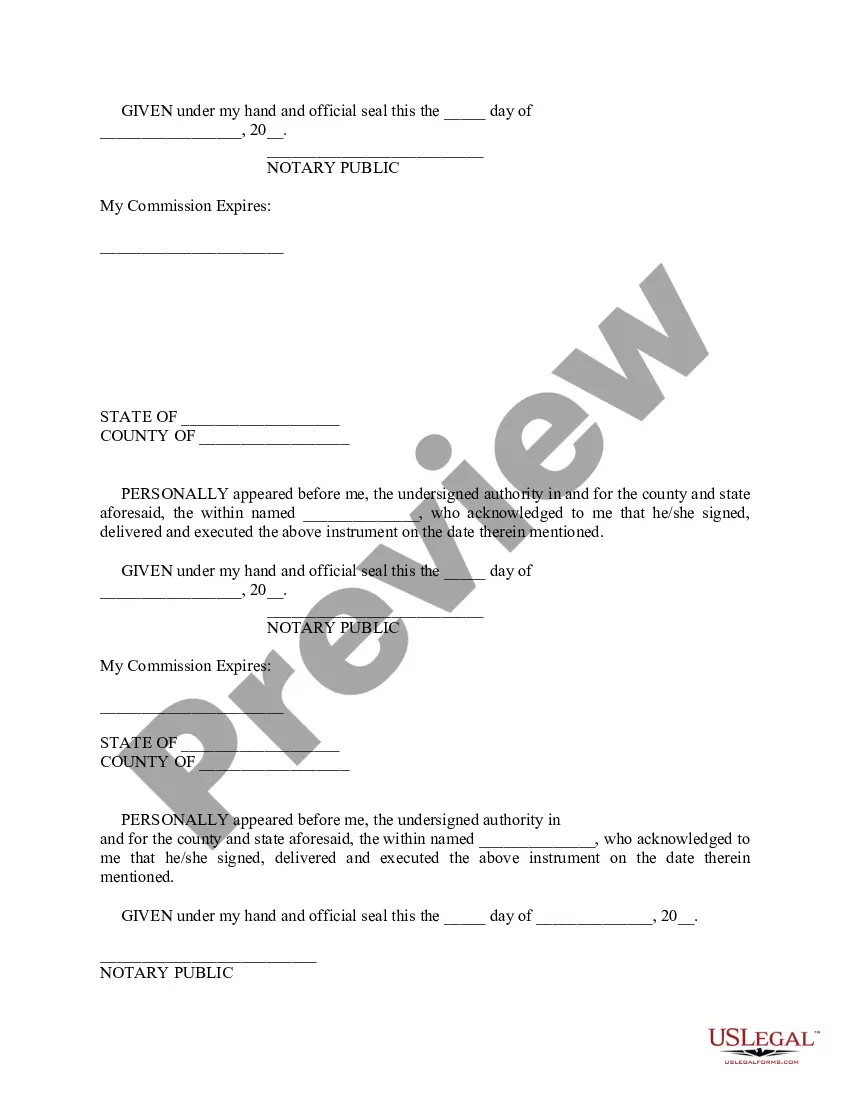

Get your form ready online
Our built-in tools help you complete, sign, share, and store your documents in one place.
Make edits, fill in missing information, and update formatting in US Legal Forms—just like you would in MS Word.
Download a copy, print it, send it by email, or mail it via USPS—whatever works best for your next step.
Sign and collect signatures with our SignNow integration. Send to multiple recipients, set reminders, and more. Go Premium to unlock E-Sign.
If this form requires notarization, complete it online through a secure video call—no need to meet a notary in person or wait for an appointment.
We protect your documents and personal data by following strict security and privacy standards.

Make edits, fill in missing information, and update formatting in US Legal Forms—just like you would in MS Word.

Download a copy, print it, send it by email, or mail it via USPS—whatever works best for your next step.

Sign and collect signatures with our SignNow integration. Send to multiple recipients, set reminders, and more. Go Premium to unlock E-Sign.

If this form requires notarization, complete it online through a secure video call—no need to meet a notary in person or wait for an appointment.

We protect your documents and personal data by following strict security and privacy standards.
Looking for another form?


Form popularity
FAQ
Code § 4.102. Current with legislation from the 2023 Regular and Special Sessions signed by the Governor as of November 21, 2023. At any time, the spouses may partition or exchange between themselves all or part of their community property, then existing or to be acquired, as the spouses may desire.
In short, yes, you should have an attorney to represent you in a postnuptial agreement for several reasons: To be sure you are treated fairly in the agreement. To have the agreement upheld, as a court is much more likely to say it is a valid contract if both parties were represented by counsel when they entered into it.
Yes you can. Texas has a 6 month/ 90 days requirement, which means you must have been living in the state of Texas for 6 month and in the county for 90 days before you can file for divorce. You meet this requirement.
There is a somewhat common misconception that in all Texas divorce cases community property will be divided between the spouses equally, or “50/50.” However, the legal standard for dividing community property in Texas is not 50/50.
Section 4.105 - Enforcement (a) A partition or exchange agreement is not enforceable if the party against whom enforcement is requested proves that: (1) the party did not sign the agreement voluntarily; or (2) the agreement was unconscionable when it was signed and, before execution of the agreement, that party: (A) ...
3.002. COMMUNITY PROPERTY. Community property consists of the property, other than separate property, acquired by either spouse during marriage. Added by Acts 1997, 75th Leg., ch.
“LOSS OF PROPERTY OWNERSHIP. IF YOU SIGN THIS AGREEMENT AND YOUR MARRIAGE IS SUBSEQUENTLY TERMINATED BY THE DEATH OF EITHER SPOUSE OR BY DIVORCE, ALL OR PART OF THE SEPARATE PROPERTY BEING CONVERTED TO COMMUNITY PROPERTY MAY BECOME THE SOLE PROPERTY OF YOUR SPOUSE OR YOUR SPOUSE'S HEIRS.
Waiting Period. (a) Except as provided by Subsection (c), the court may not grant a divorce before the 60th day after the date the suit was filed.
