Notary Public Form Application With Signature
Description

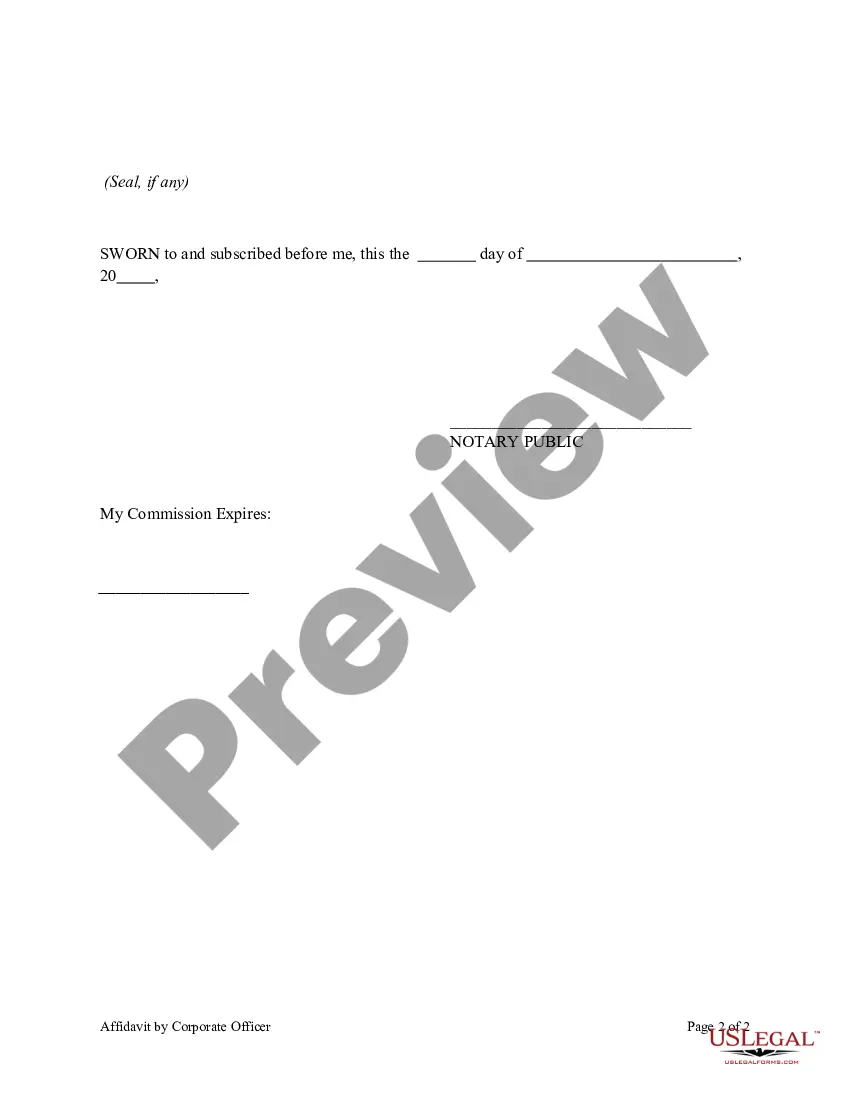
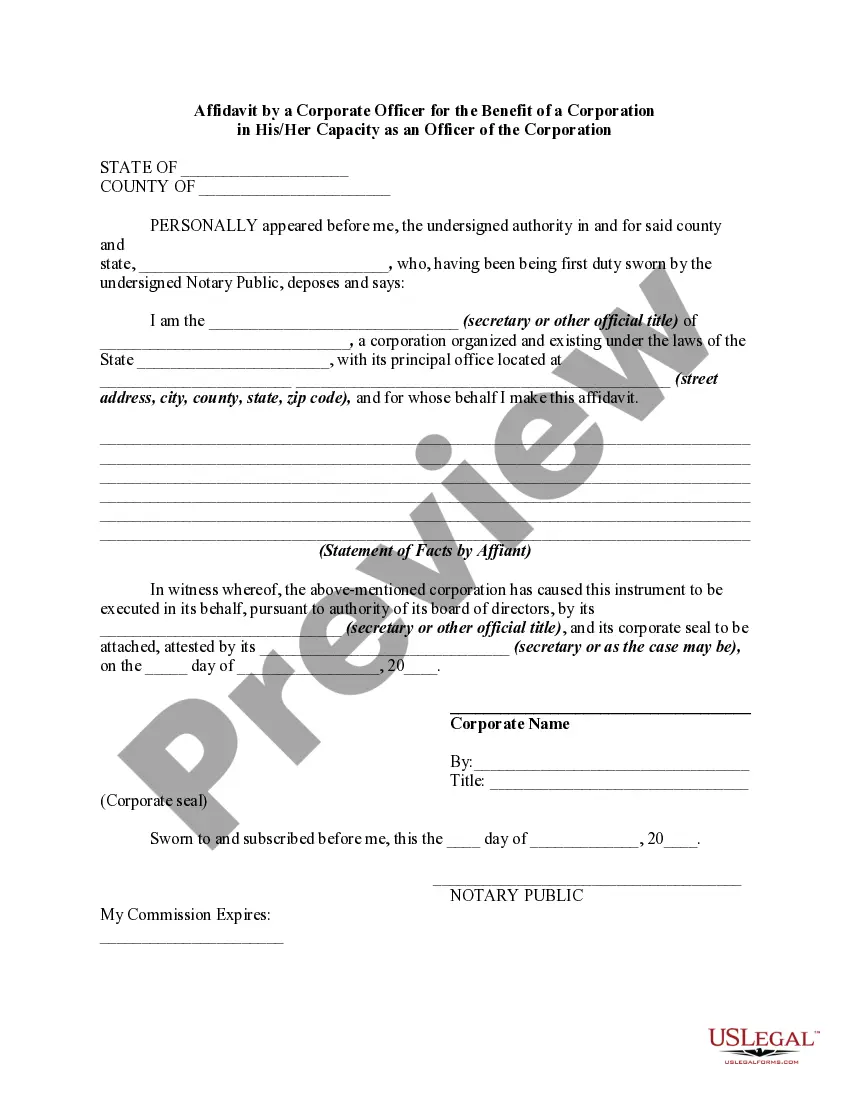
Get your form ready online
Our built-in tools help you complete, sign, share, and store your documents in one place.
Make edits, fill in missing information, and update formatting in US Legal Forms—just like you would in MS Word.
Download a copy, print it, send it by email, or mail it via USPS—whatever works best for your next step.
Sign and collect signatures with our SignNow integration. Send to multiple recipients, set reminders, and more. Go Premium to unlock E-Sign.
If this form requires notarization, complete it online through a secure video call—no need to meet a notary in person or wait for an appointment.
We protect your documents and personal data by following strict security and privacy standards.

Make edits, fill in missing information, and update formatting in US Legal Forms—just like you would in MS Word.

Download a copy, print it, send it by email, or mail it via USPS—whatever works best for your next step.

Sign and collect signatures with our SignNow integration. Send to multiple recipients, set reminders, and more. Go Premium to unlock E-Sign.

If this form requires notarization, complete it online through a secure video call—no need to meet a notary in person or wait for an appointment.

We protect your documents and personal data by following strict security and privacy standards.
Looking for another form?
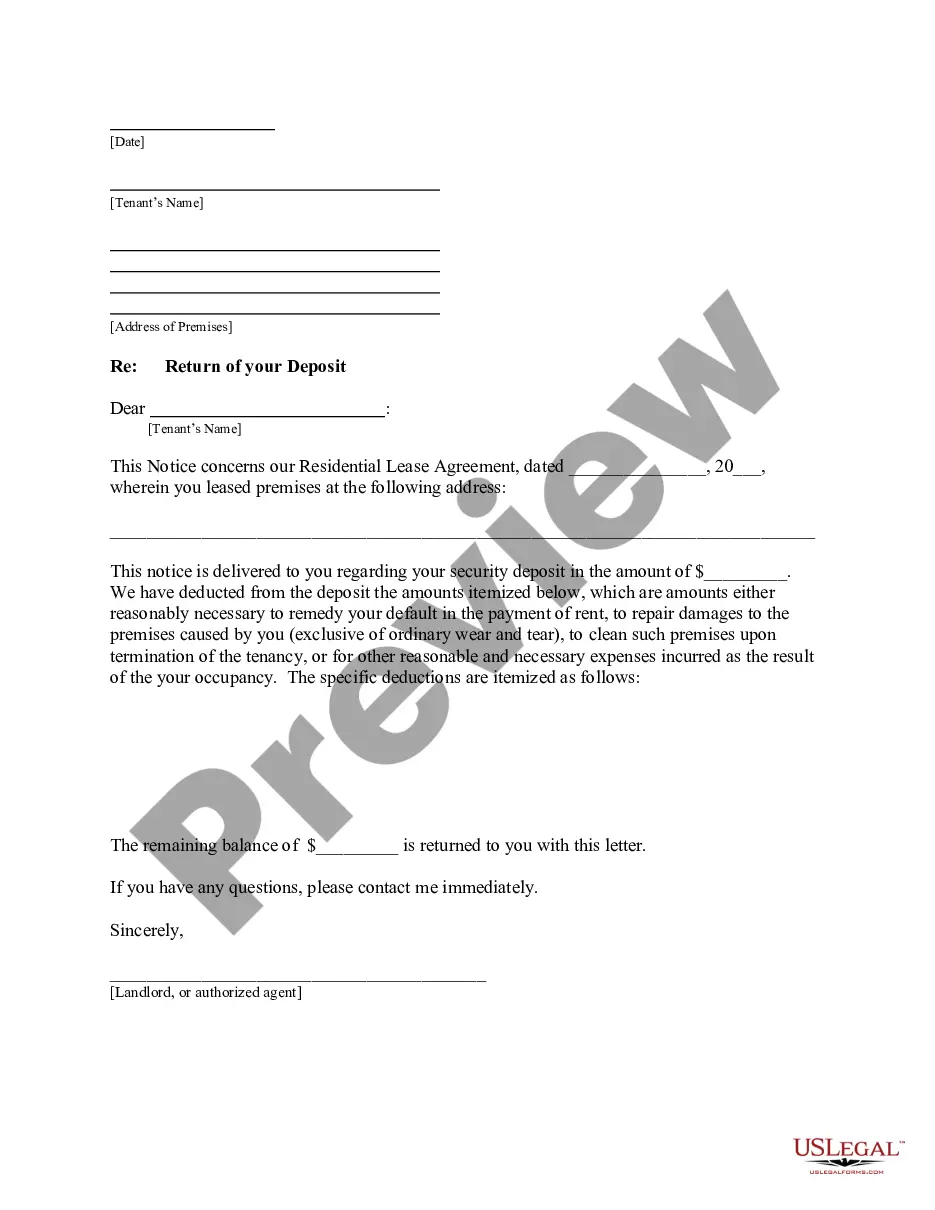
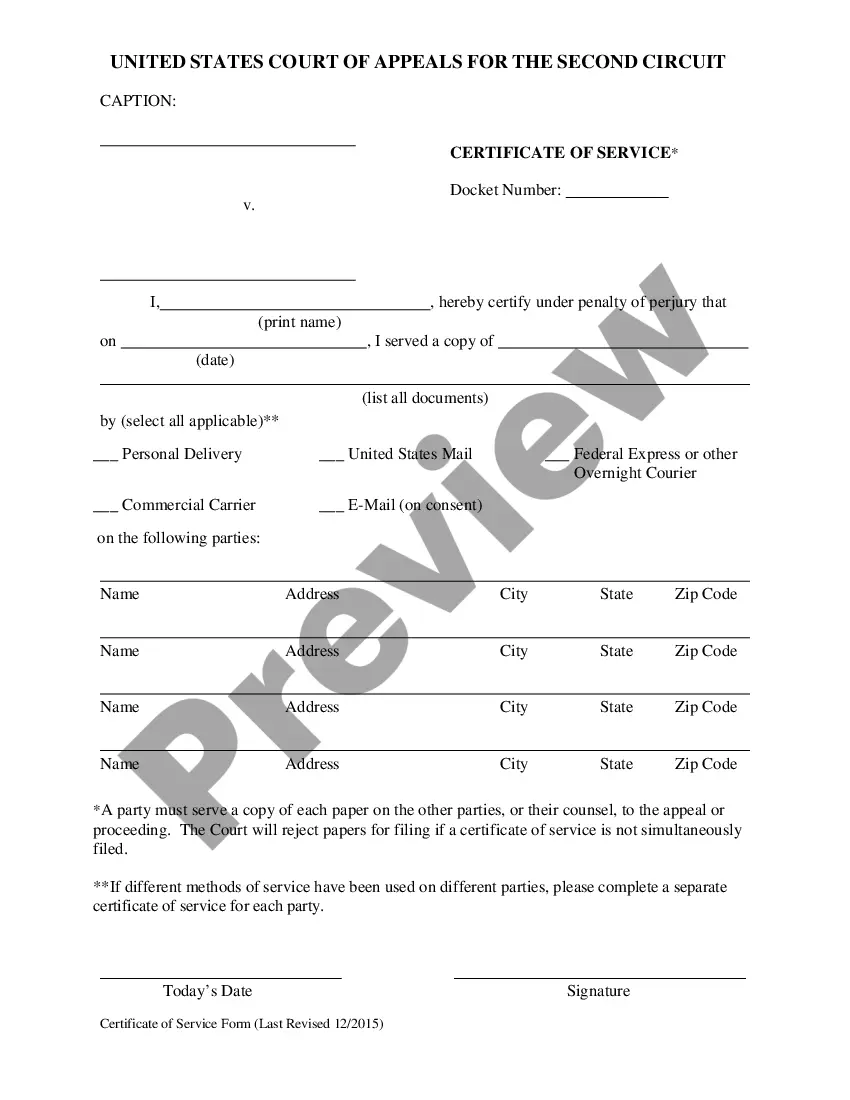
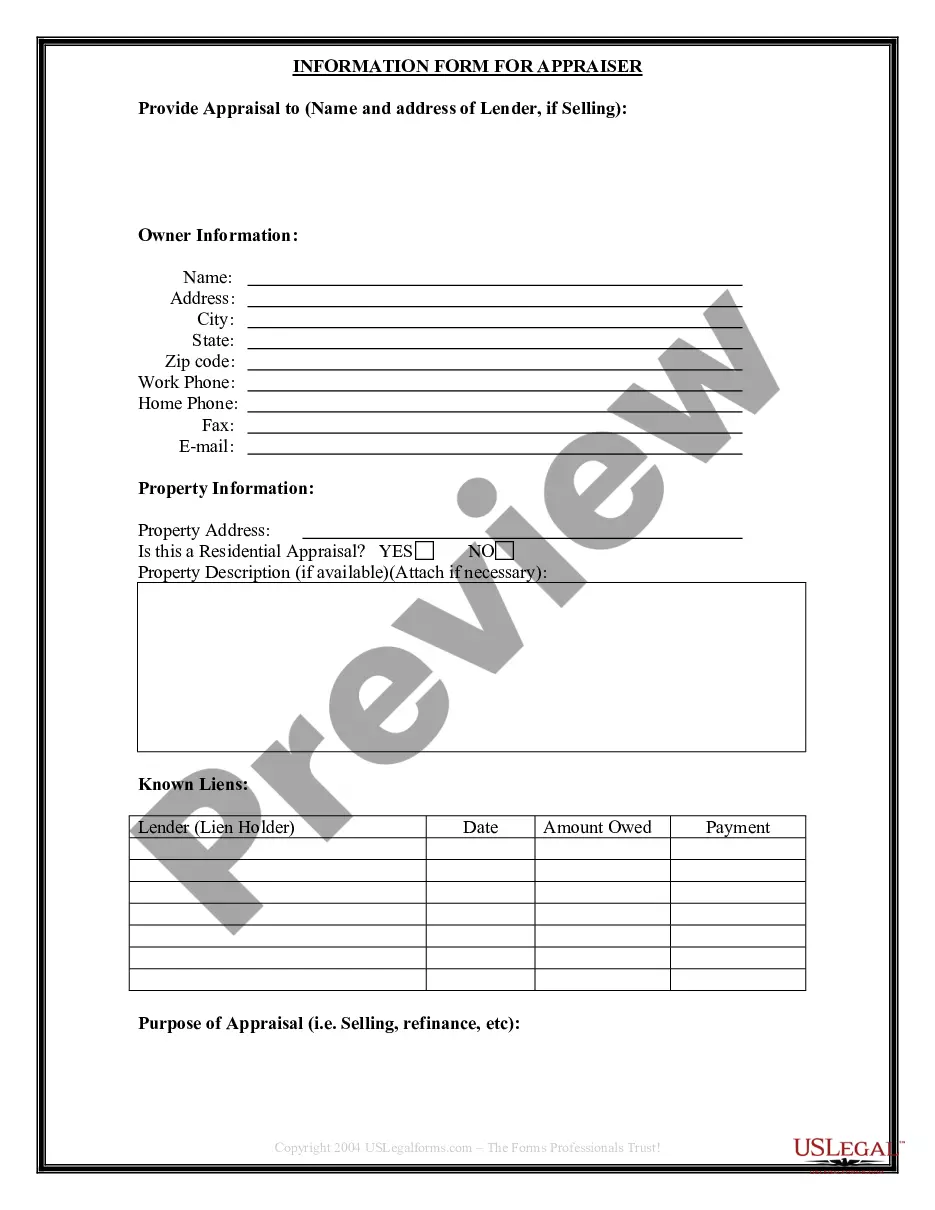
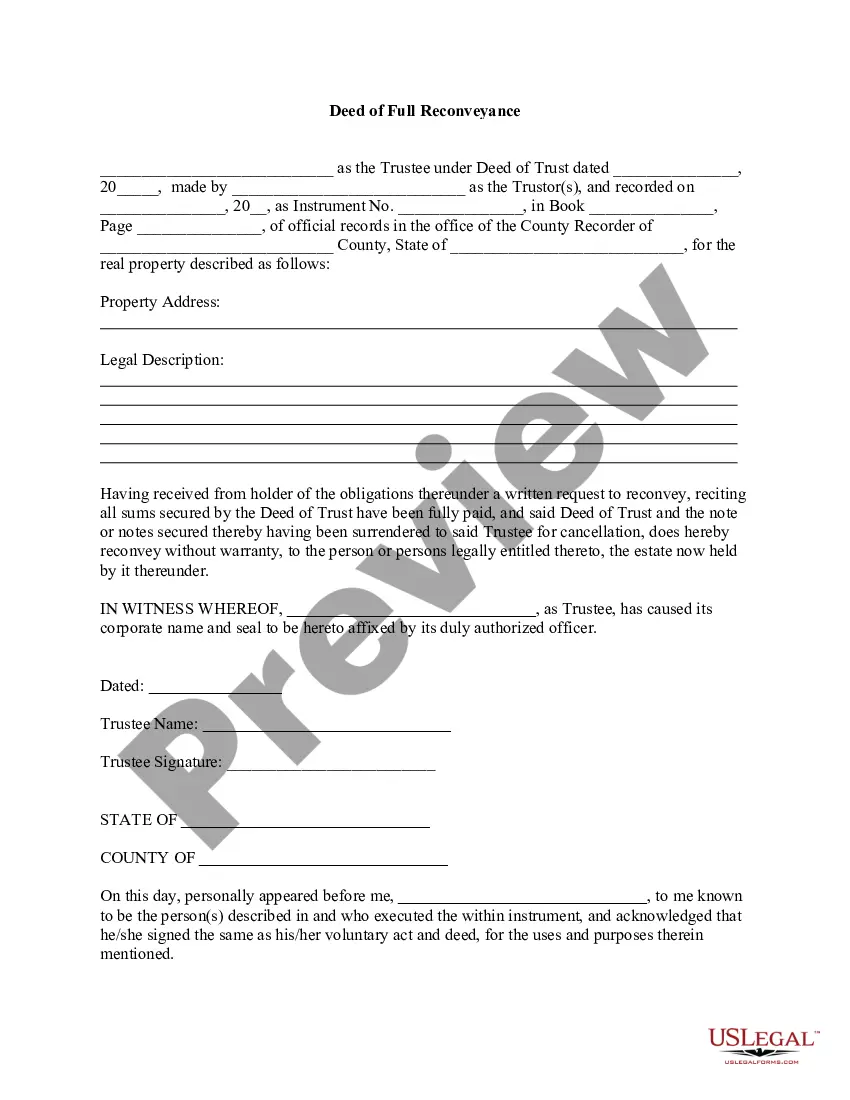
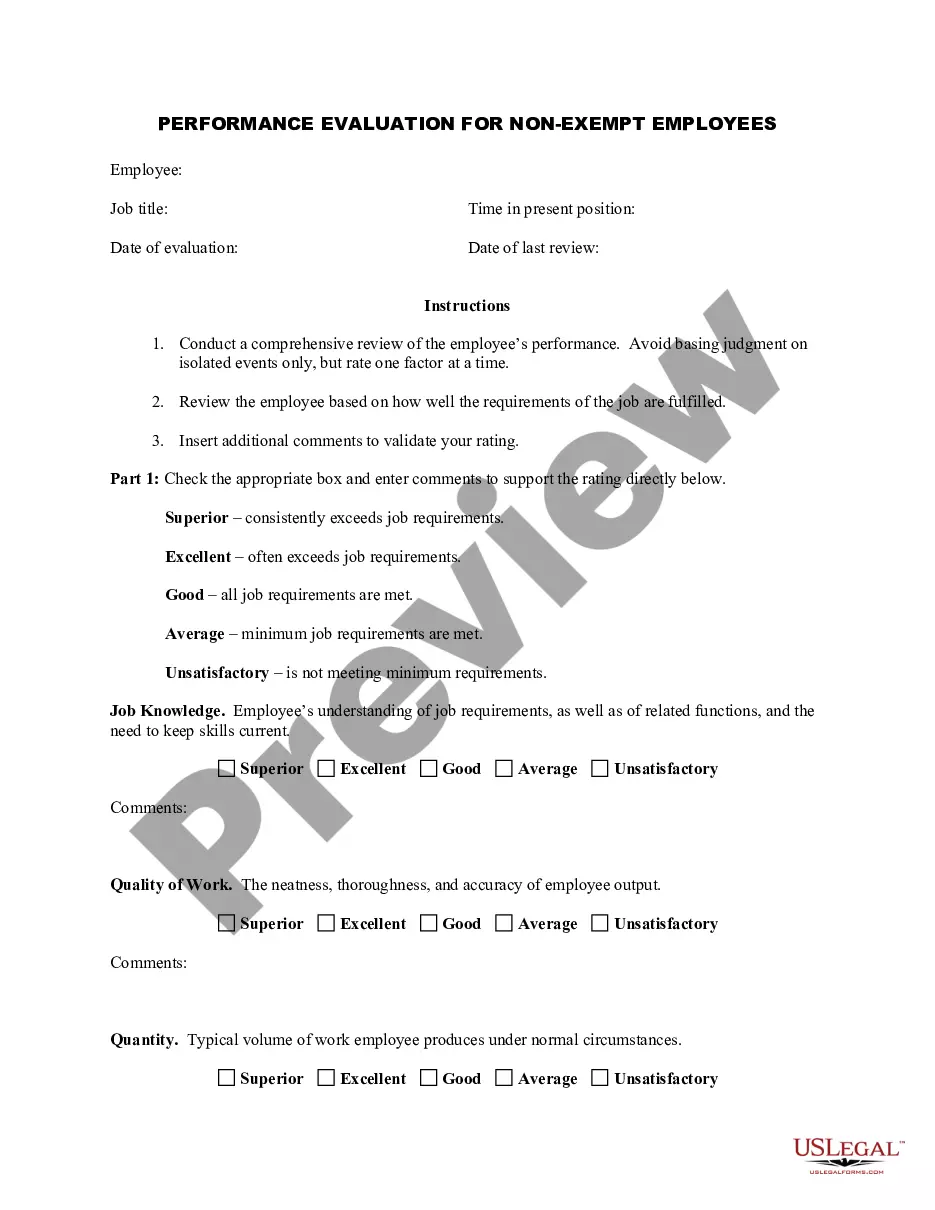
How to fill out Affidavit By Corporate Officer Before A Notary Public?
The Notary Public Form Application With Signature present on this page is a reusable official template crafted by experienced attorneys in compliance with federal and state legislation and guidelines.
For over 25 years, US Legal Forms has offered individuals, enterprises, and legal experts access to more than 85,000 authenticated, state-specific documents for any professional and personal need. It’s the fastest, easiest, and most reliable method to secure the documents you require, as the service ensures bank-level data security and anti-malware safeguards.
Register with US Legal Forms to access verified legal templates for every aspect of life at your convenience.
- Search for the document you require and review it.
- Examine the file you looked for and preview it or review the form description to confirm it meets your preferences. If it doesn't, use the search feature to find the correct one. Click Buy Now when you have found the template you need.
- Register and Log In.
- Choose the pricing plan that fits you and create an account. Use PayPal or a credit card for a quick transaction. If you already possess an account, Log In to verify your subscription to continue.
- Obtain the editable template.
- Select the format you want for your Notary Public Form Application With Signature (PDF, DOCX, RTF) and save the document on your device.
- Fill out and sign the documents.
- Print the template to complete it manually. Alternatively, use an online versatile PDF editor to swiftly and accurately fill out and sign your form with a legally-binding electronic signature.
- Redownload your documents as needed.
- Access the same document again at any time. Visit the My documents tab in your profile to redownload any previously acquired forms.
Form popularity
FAQ
If an existing custody order or other enforceable agreement does not expressly govern the relocation of the principal residence of a child, a parent who intends to change his or her principal residence shall, provide reasonable written notice by certified mail or admission of service to the other legal parent of the ...
Status hearing ? A hearing in which the judge assesses the progress of the case or addresses problems the parties are having. Statute ? A statute is a formal written law. Federal statutes are found in the United Stated Code. South Dakota statutes are found in South Dakota Codified Laws.
In South Dakota, the standard parenting guidelines will set out the custody arrangement to be followed by the parents. You can object to the standard guidelines and the judge will order a hearing within thirty days.
In South Dakota, the standard parenting guidelines will set out the custody arrangement to be followed by the parents. You can object to the standard guidelines and the judge will order a hearing within thirty days.
A support order may be modified without showing any change in circumstances if the order was entered and in effect prior to July 1, 2022. An order entered and in effect after July 1, 2022 may be modified only: If it was entered three years or more from the date the petition is filed; or.
What are the basic steps in filing a lawsuit? File the Summons and Complaint. The person starting the case is called the Petitioner or Plaintiff. ... File the Answer. The person being sued is either called the Defendant or the Respondent. ... Prepare the case. ... The judge holds a hearing. ... The judge makes a decision.
South Dakota child custody laws don't prescribe a certain age when a child's preference may be considered. Judges have broad discretion when deciding how much weight to give the child's preference. In some South Dakota custody cases, judges have considered the well-reasoned preferences of children as young as 10.