Notary Public Application Form Gujarat In New York
Description

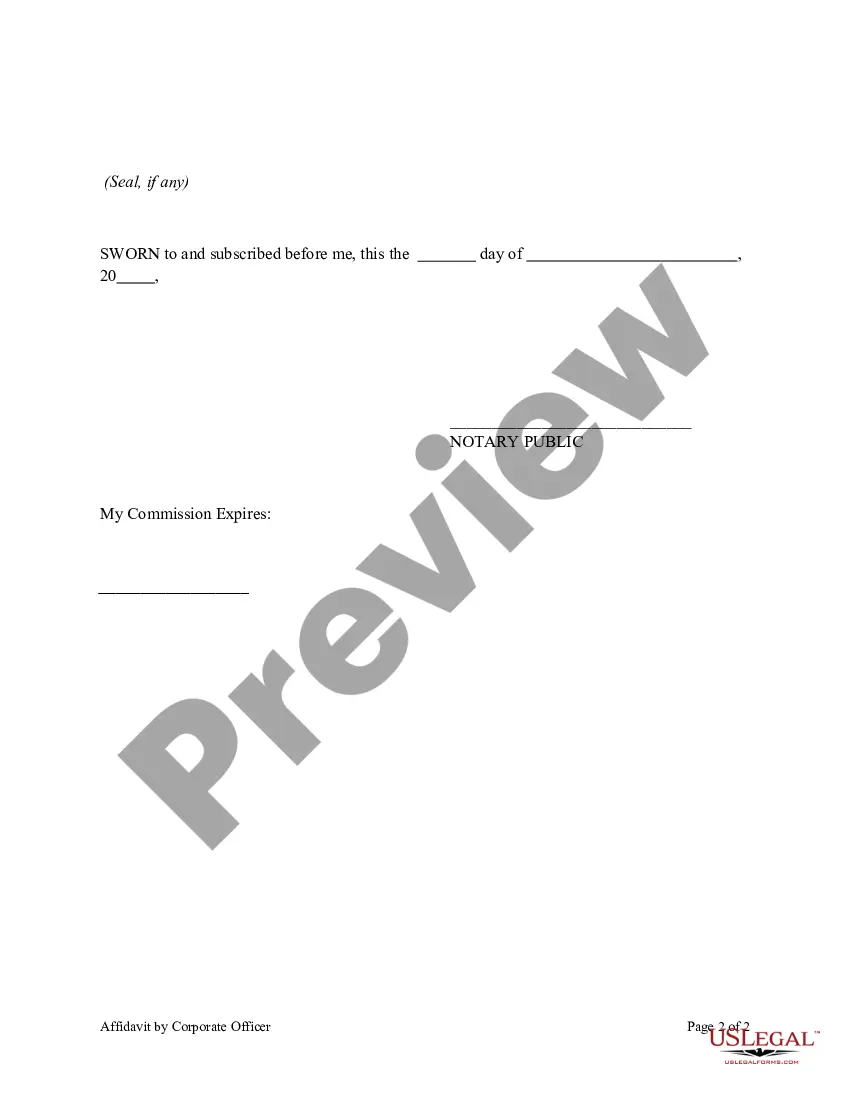
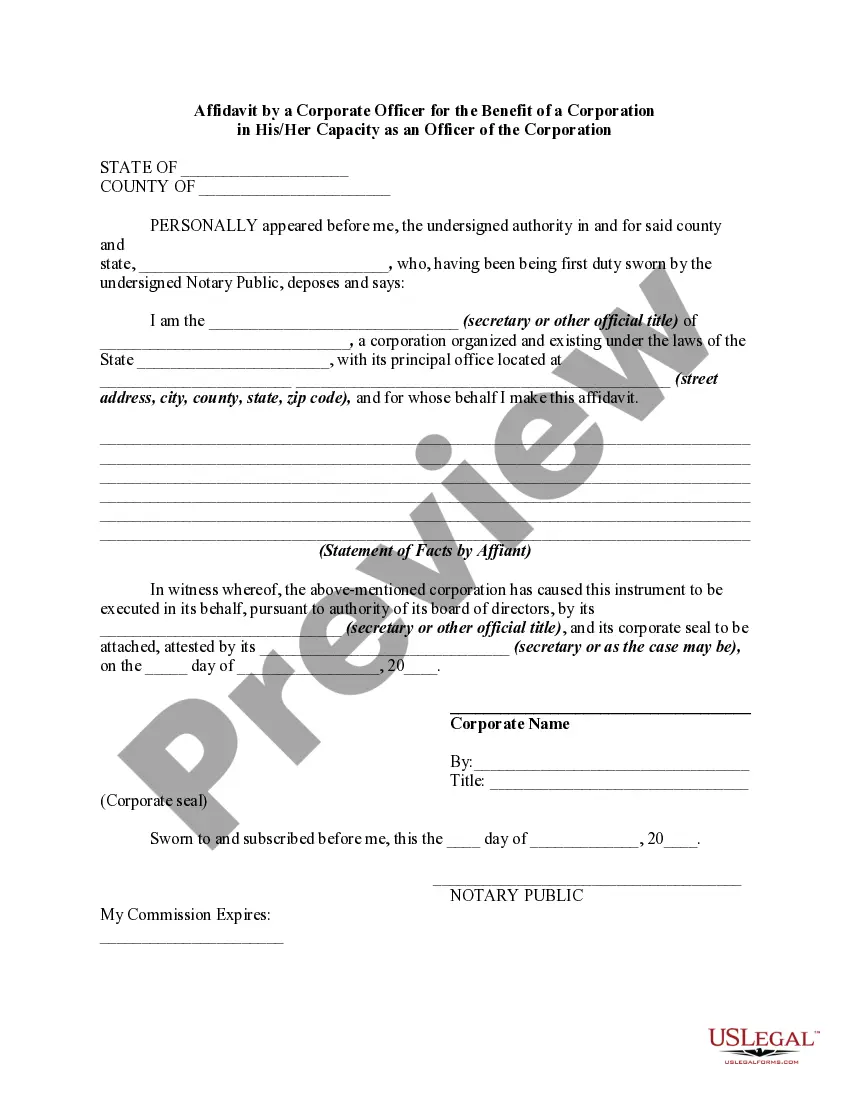
Get your form ready online
Our built-in tools help you complete, sign, share, and store your documents in one place.
Make edits, fill in missing information, and update formatting in US Legal Forms—just like you would in MS Word.
Download a copy, print it, send it by email, or mail it via USPS—whatever works best for your next step.
Sign and collect signatures with our SignNow integration. Send to multiple recipients, set reminders, and more. Go Premium to unlock E-Sign.
If this form requires notarization, complete it online through a secure video call—no need to meet a notary in person or wait for an appointment.
We protect your documents and personal data by following strict security and privacy standards.

Make edits, fill in missing information, and update formatting in US Legal Forms—just like you would in MS Word.

Download a copy, print it, send it by email, or mail it via USPS—whatever works best for your next step.

Sign and collect signatures with our SignNow integration. Send to multiple recipients, set reminders, and more. Go Premium to unlock E-Sign.

If this form requires notarization, complete it online through a secure video call—no need to meet a notary in person or wait for an appointment.

We protect your documents and personal data by following strict security and privacy standards.
Looking for another form?
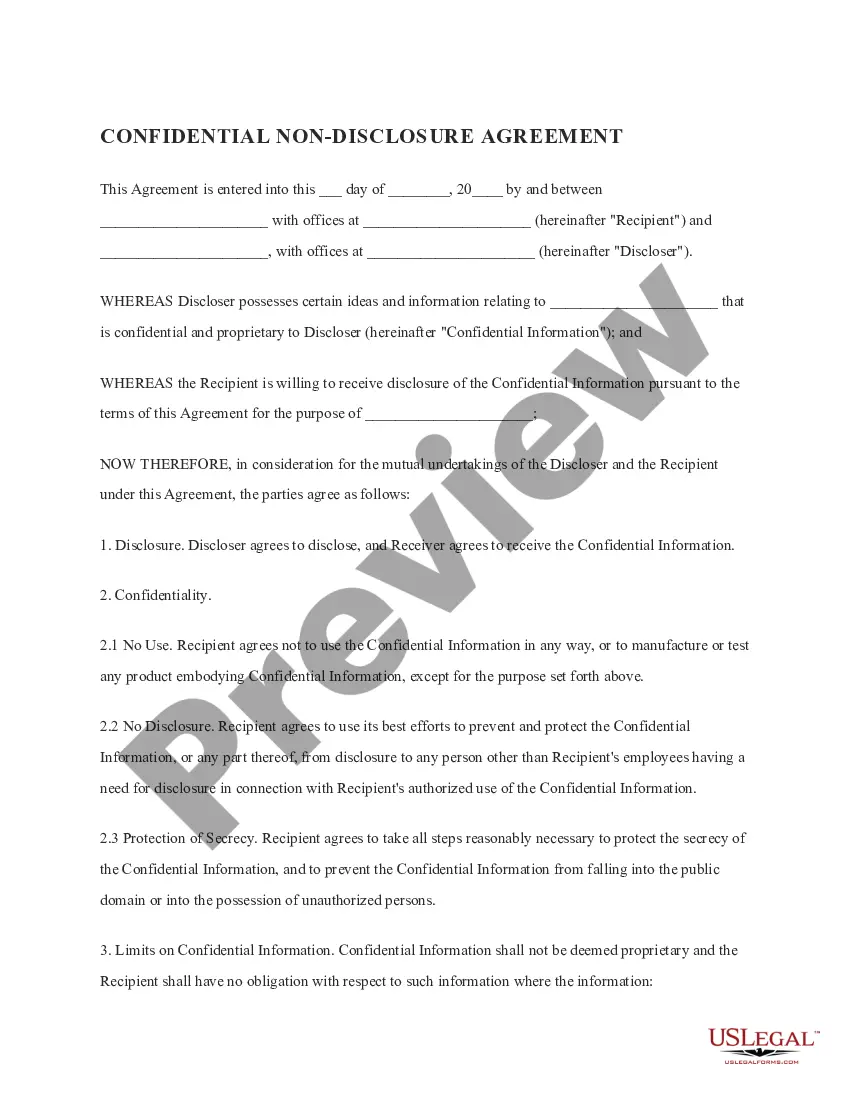

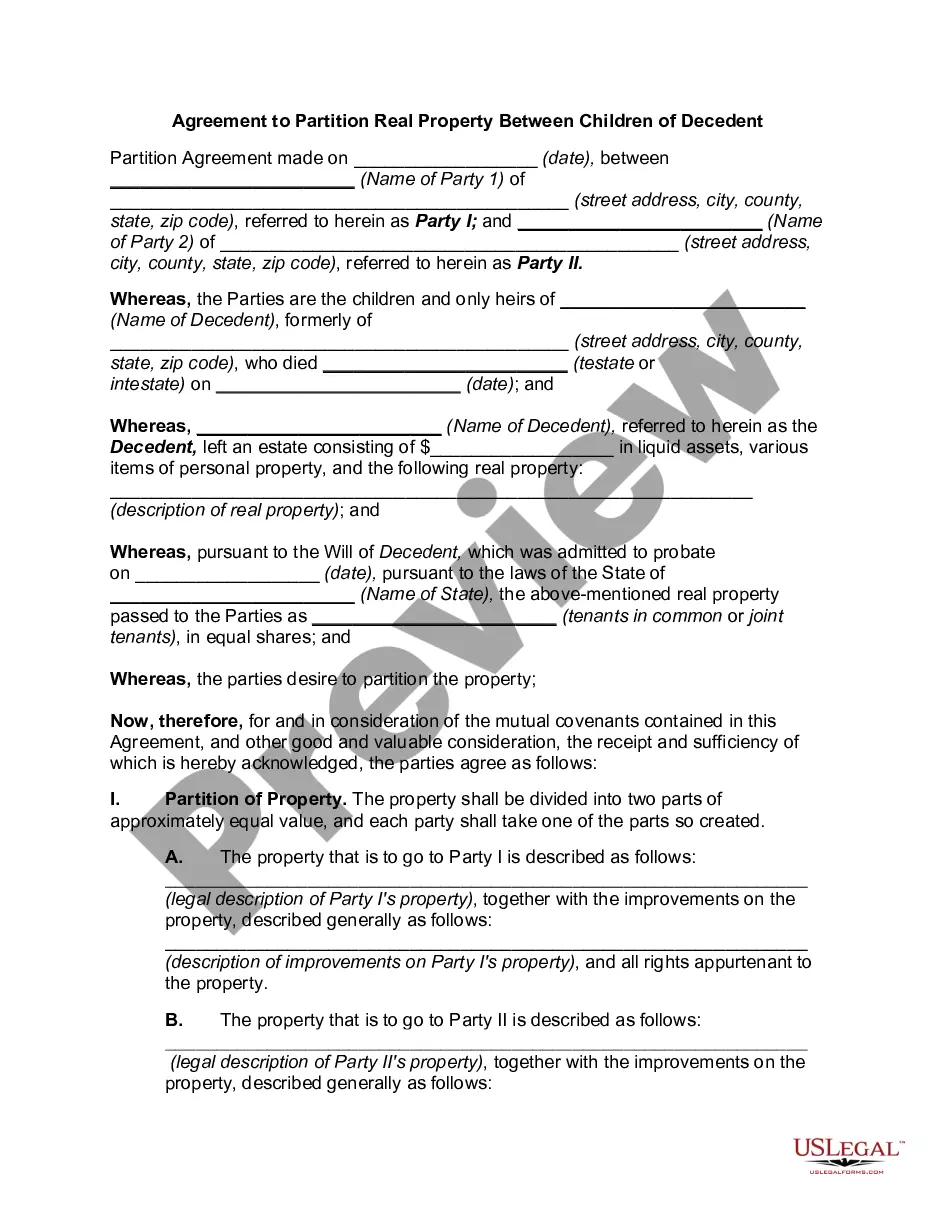
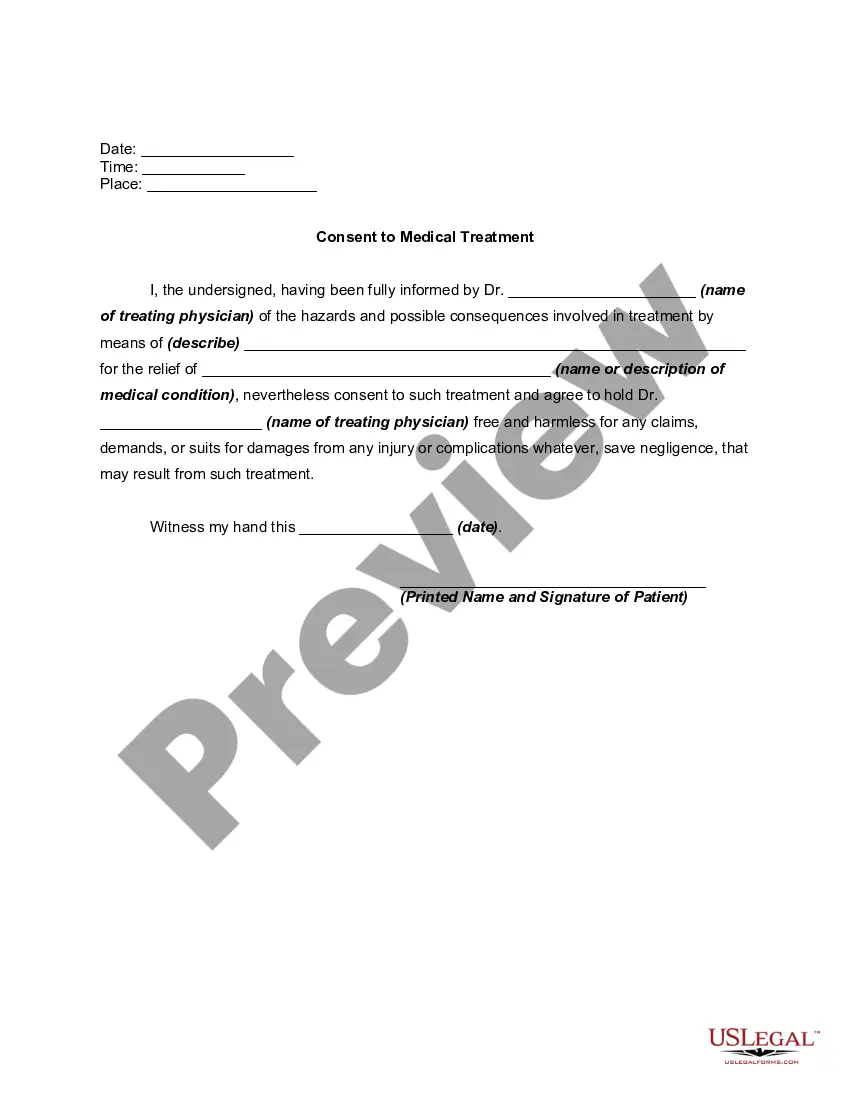
Form popularity
FAQ
Generally, state laws do not expressly prohibit the Notary from notarizing a document that is not in the English language. However, depending on the circumstances, it may be inadvisable to notarize such foreign-language documents. The danger, of course, is that the document is being misrepresented to the Notary.
Yes, notaries… it's possible to safely perform a notarization involving a document written in an unfamiliar language, but you must carefully assess the circumstances and proceed with care.
Signatures can be usually also notarized by a U.S. “Notary Public”, however in some cases an apostille is required as well. Please clarify beforehand with the German authority in question, to whom you need to submit the document, whether an apostille is additionally required.
The Easy Answer: Yes, You May Notarize Out-Of-State Documents.
On January 31, 2023, only electronic notarization is permitted in New York State, through repeal of Executive Law § 135-c, Remote ink notarization and replacement with Executive Law § 135-c, Electronic notarization.
Post the translation phase, a notary public can notarize the document. Notaries Public, licensed by their local state government, bear the responsibility of verifying the identity of signatories. They also, in situations, administer oaths or affirmations if necessary.
Does New York allow remote online notarization? Yes, remote online notarization is legal in New York effective January 31, 2023. Introduced on January 15, 2021, Senate 1780 authorizes traditional Notaries to perform electronic notarial acts using communication technology.
In February 2023, remote online notarization became permanently authorized, requiring notaries to complete specific training and register with the Department of State. This change allows notaries to perform notarizations using audio-visual technology while ensuring compliance with identity verification measures.
No requirement for notarization A court can accept a self-proving will without reaching out to the witnesses, speeding up the probate process. To protect your assets and honor your final wishes, ensure your will meets New York's requirements.
In lieu of a traditional inked stamp, New York notaries must handwrite, typewrite or print, below the official signature, the "statement of authority": commissioned name; the words "Notary Public State of New York"; the county in which they are qualified (the county in which the county clerk records a signed and sworn ...
