Notary Application In Virginia In Mecklenburg
Description

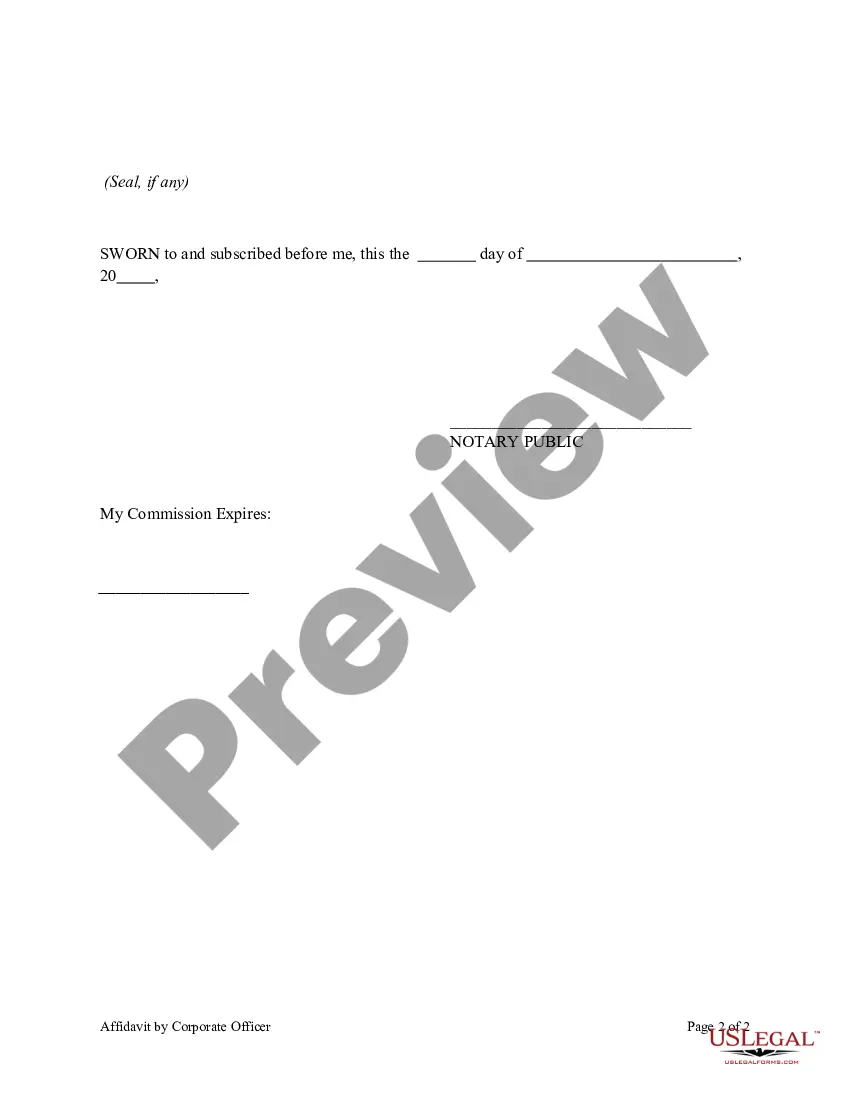
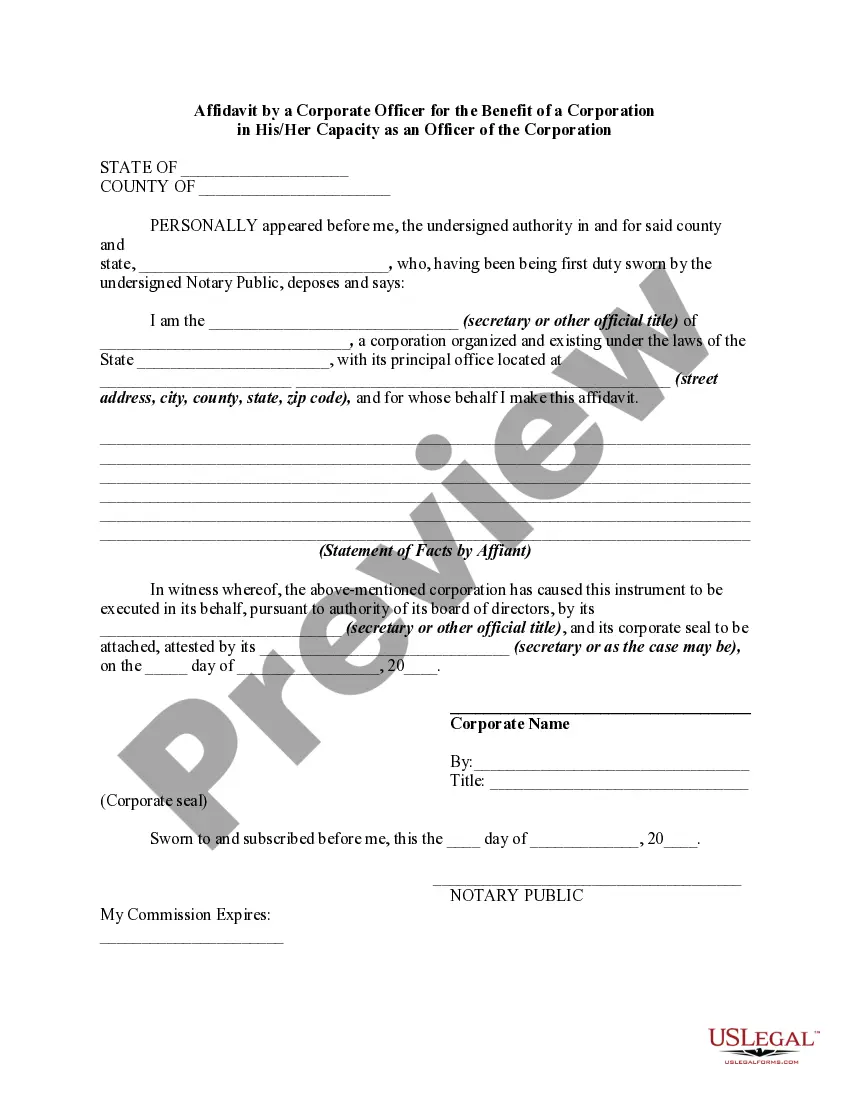
Get your form ready online
Our built-in tools help you complete, sign, share, and store your documents in one place.
Make edits, fill in missing information, and update formatting in US Legal Forms—just like you would in MS Word.
Download a copy, print it, send it by email, or mail it via USPS—whatever works best for your next step.
Sign and collect signatures with our SignNow integration. Send to multiple recipients, set reminders, and more. Go Premium to unlock E-Sign.
If this form requires notarization, complete it online through a secure video call—no need to meet a notary in person or wait for an appointment.
We protect your documents and personal data by following strict security and privacy standards.

Make edits, fill in missing information, and update formatting in US Legal Forms—just like you would in MS Word.

Download a copy, print it, send it by email, or mail it via USPS—whatever works best for your next step.

Sign and collect signatures with our SignNow integration. Send to multiple recipients, set reminders, and more. Go Premium to unlock E-Sign.

If this form requires notarization, complete it online through a secure video call—no need to meet a notary in person or wait for an appointment.

We protect your documents and personal data by following strict security and privacy standards.
Looking for another form?
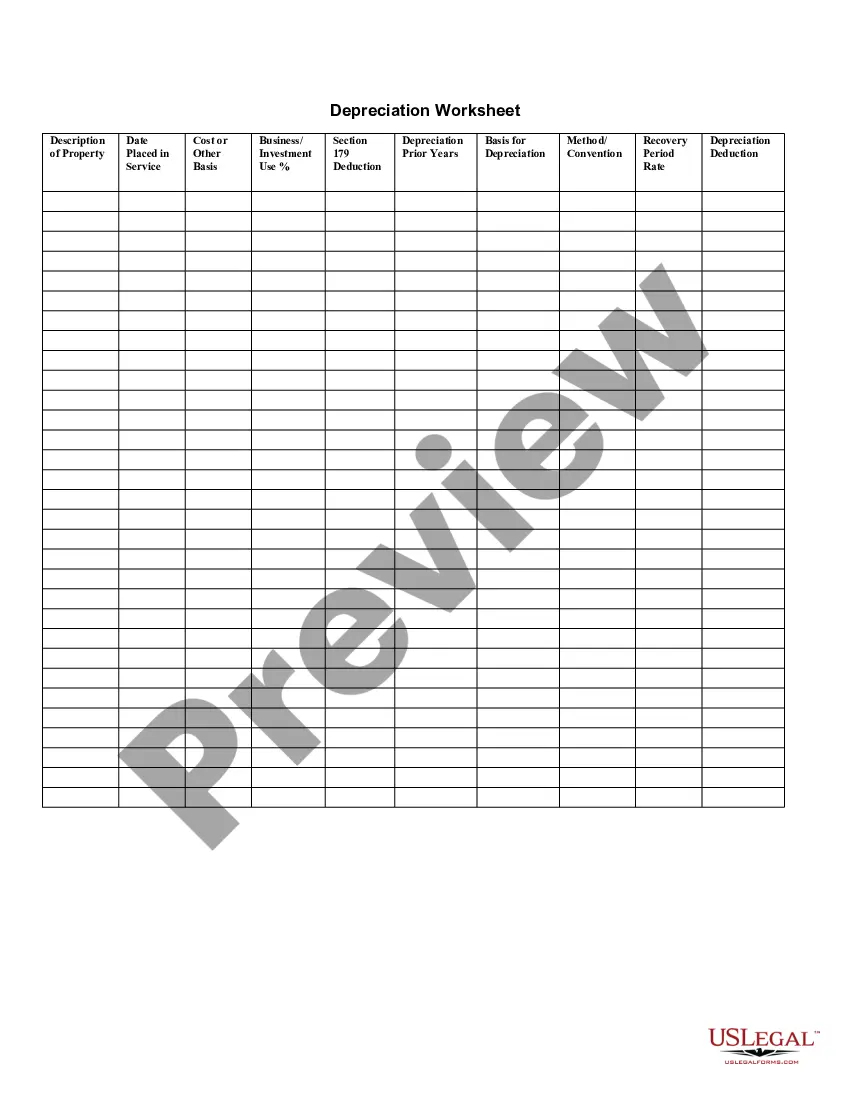
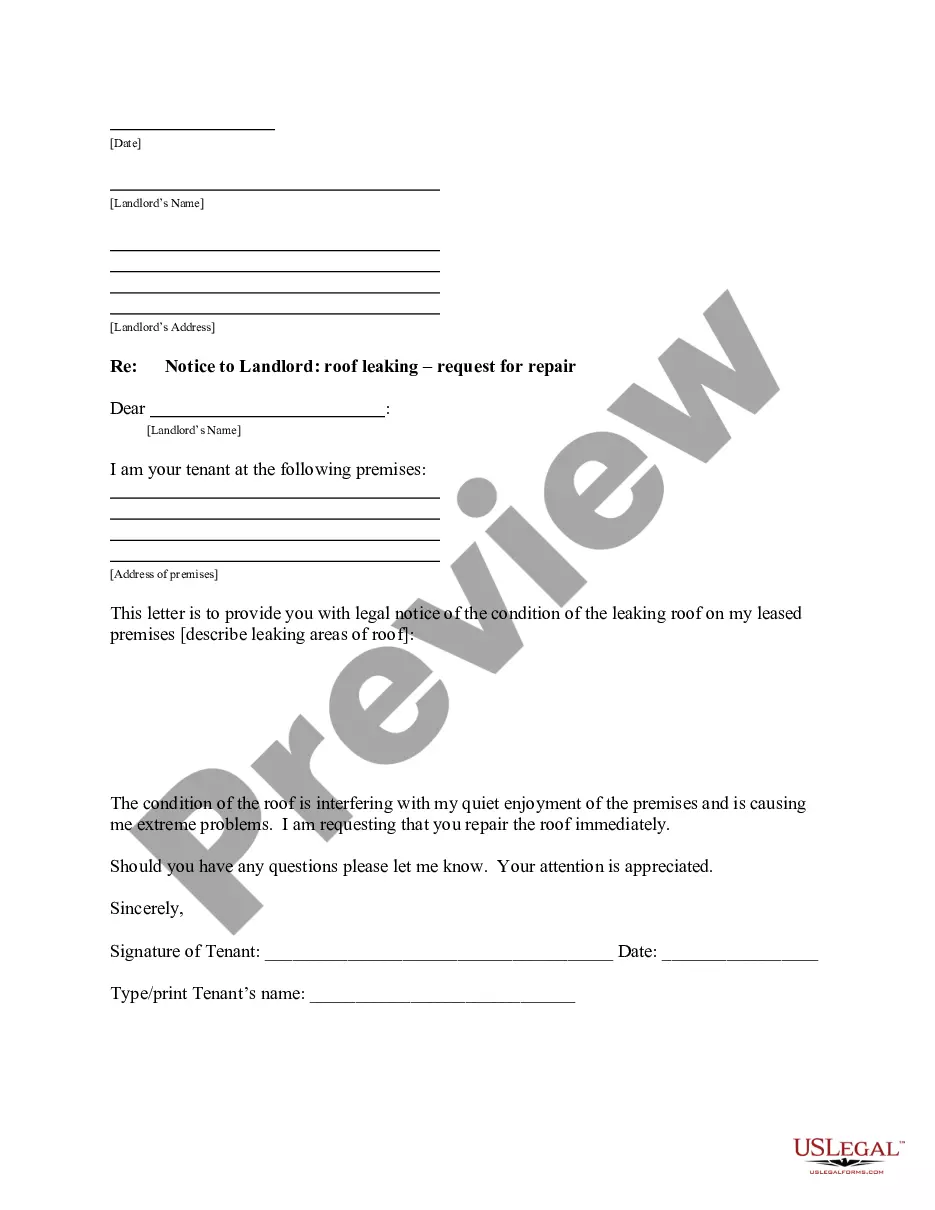

Form popularity
FAQ
So, can a notary public notarize out-of-state documents? The short answer is yes, notary publics are legally allowed to notarize documents from any state as long the notarial act is conducted within the geographical boundaries of the notary's state of commission.
One of the most common mistakes that notaries make is not printing or signing their name exactly as it appears on their notary commission.
Remote Notarization (remote online notary, or RON) In Virginia, notarizing a document "remotely" is permissible. In fact, Virginia became the first state in 2012 to formally authorize and provide a legal framework for such notarizations.
A notarized letter or document is certified by a notary public, a licensed public officer who serves as an impartial witness to the signing of documents and establishes the authenticity of the signatures. A notary's signature and seal are required to authenticate the signature on your letter or legal document.
The most common place to get papers notarized is at a bank. You could call your bank to make sure they offer that. The second thing is, the mom would have to be there and sign the paper in front of the notary. You can't have someone just sign the paper, it has to be face to face to be valid.
Follow these simple steps to get your document notarized: Know what type of notarization you need. Make sure the document is complete. Bring acceptable identification. Ensure the name on your ID matches the name on your document. Have all signers present for the notarization. Be aware and willing to sign.
No person who has ever been convicted of a felony under the laws of the United States, the Commonwealth of Virginia, or the laws of any other state, qualify to be appointed and commissioned as a notary public unless such person has had their civil rights restored.
A notary must always be completely satisfied with the identity of the person whose signature is being notarized. A notary is not obligated to notarize a person's signature without being sure that the person is who he or she claims to be. Always check identification and be satisfied that the identification is valid.
In order to complete an online notarization in Virginia, you'll need the following: An original, unsigned document (Don't sign it before uploading! ... A computer, iPhone, or Android phone with audio and video capabilities. A valid government–issued photo ID. A U.S. social security number for secure identity verification.