Subletting Apartment Rental Without Permission In San Antonio
Description


Get your form ready online
Our built-in tools help you complete, sign, share, and store your documents in one place.
Make edits, fill in missing information, and update formatting in US Legal Forms—just like you would in MS Word.
Download a copy, print it, send it by email, or mail it via USPS—whatever works best for your next step.
Sign and collect signatures with our SignNow integration. Send to multiple recipients, set reminders, and more. Go Premium to unlock E-Sign.
If this form requires notarization, complete it online through a secure video call—no need to meet a notary in person or wait for an appointment.
We protect your documents and personal data by following strict security and privacy standards.

Make edits, fill in missing information, and update formatting in US Legal Forms—just like you would in MS Word.

Download a copy, print it, send it by email, or mail it via USPS—whatever works best for your next step.

Sign and collect signatures with our SignNow integration. Send to multiple recipients, set reminders, and more. Go Premium to unlock E-Sign.

If this form requires notarization, complete it online through a secure video call—no need to meet a notary in person or wait for an appointment.

We protect your documents and personal data by following strict security and privacy standards.
Looking for another form?


Form popularity
FAQ
If your agreement doesn't say anything about subletting You don't need your landlord's permission but it's usually best to let them know. If they don't want you to sublet your home, your landlord can get a court order to end your tenancy, evict your subtenant and stop you from moving back in.
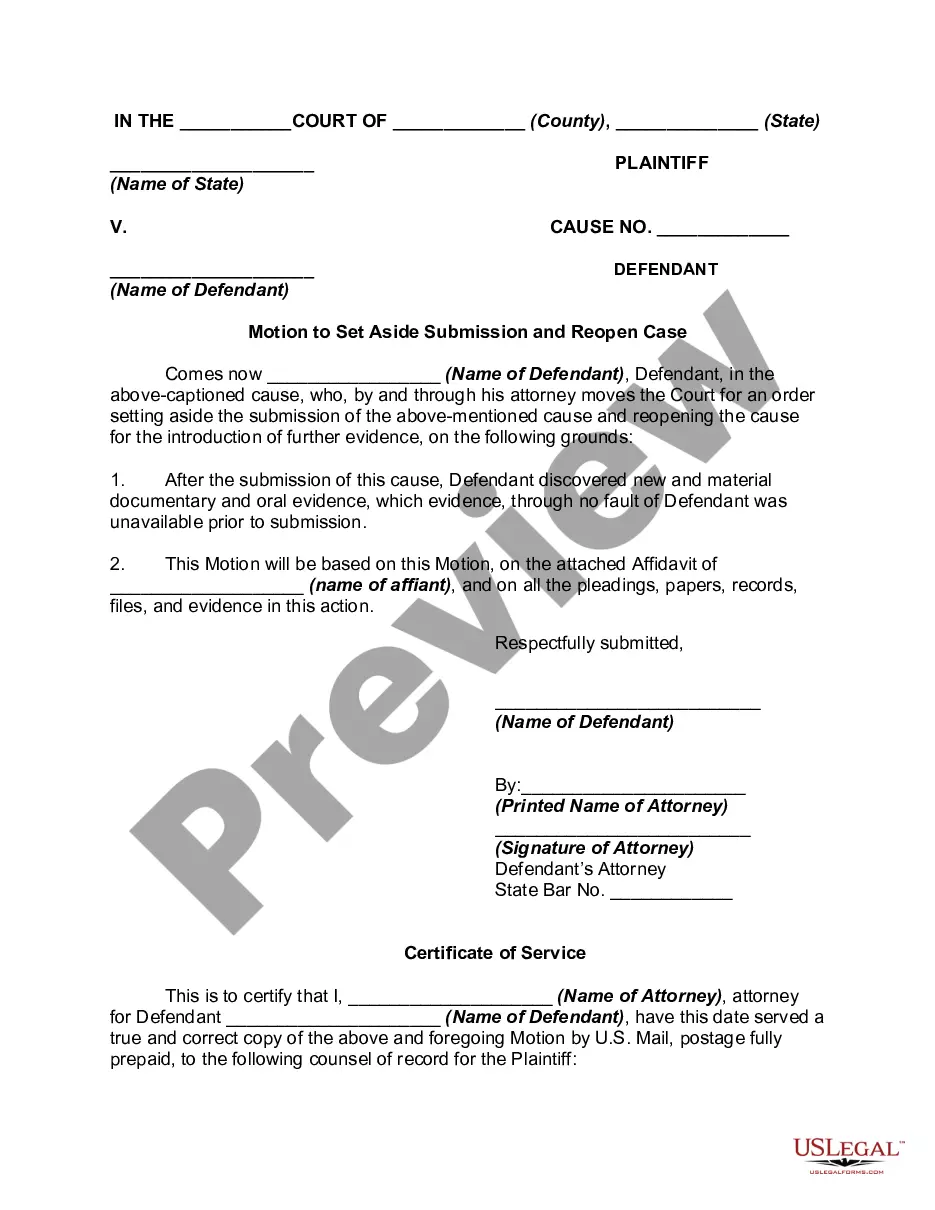
Subletting isn't illegal in Texas, but you can't sublet without getting consent from the landlord. Check your original lease to determine if there's a right to sublease. If that's not included, you may ask the landlord specifically, though they have the right to say no.
Cons of Subleasing Subleasing can get legally tricky. Many lease agreements have strict rules about subletting, often requiring landlord approval. Be sure to look over your lease agreement and have a conversation with your landlord or property manager to avoid disputes and penalties.
Yes, you can add a tenant to an existing lease. While it's not the most simple process, it's not uncommon for a tenant to request to add a roommate or partner to their lease agreement. However, a lease is a legally binding agreement, so it's crucial to ensure each tenant is listed within the contract.
A tenant must get the landlord's approval before subleasing their apartment. This is required by the Texas Property Code 91.005, which makes it clear that subleasing is not allowed without the landlord's consent. Agreements often have specific clauses about this topic.
Some states allow one person to sign the lease and then bring in unrelated roommates who do not sign the lease. Other states, like California and Texas, require all adult tenants to sign the lease. Those who do not are considered a guest of the lease signing tenant.
Subletting isn't illegal in Texas, but you can't sublet without getting consent from the landlord. Check your original lease to determine if there's a right to sublease. If that's not included, you may ask the landlord specifically, though they have the right to say no.
Subletting. In Texas, you are not allowed to rent your place to someone else without your landlord's permission. This law is in Section 91.005 of Texas Property Code. Some leases may allow it under certain conditions.
Some written leases require the tenant give a 30-day or 60-day notice of non-renewal to end the lease. Some written leases automatically renew on a month-to-month basis or for a longer period if neither party gives notice. It's important to review your lease for details on when and how each party should provide notice.
