Restrictive Covenants In Land Law In Virginia
Description

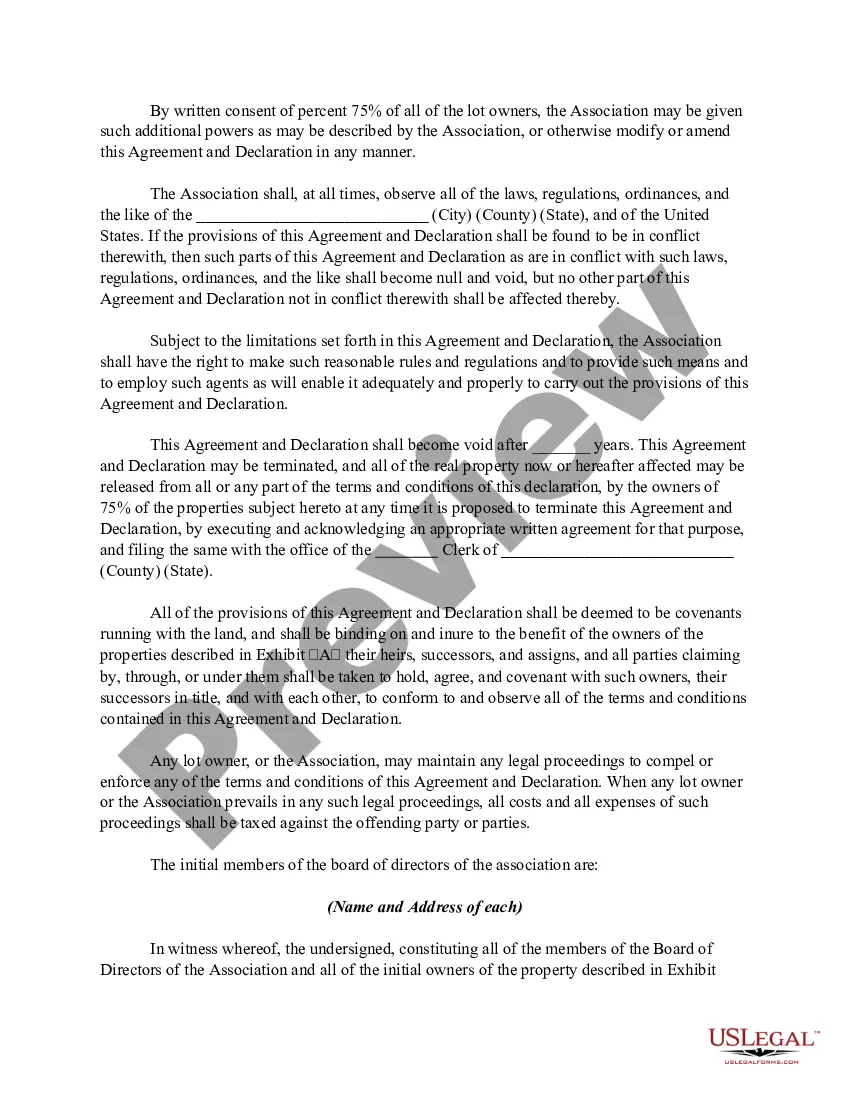
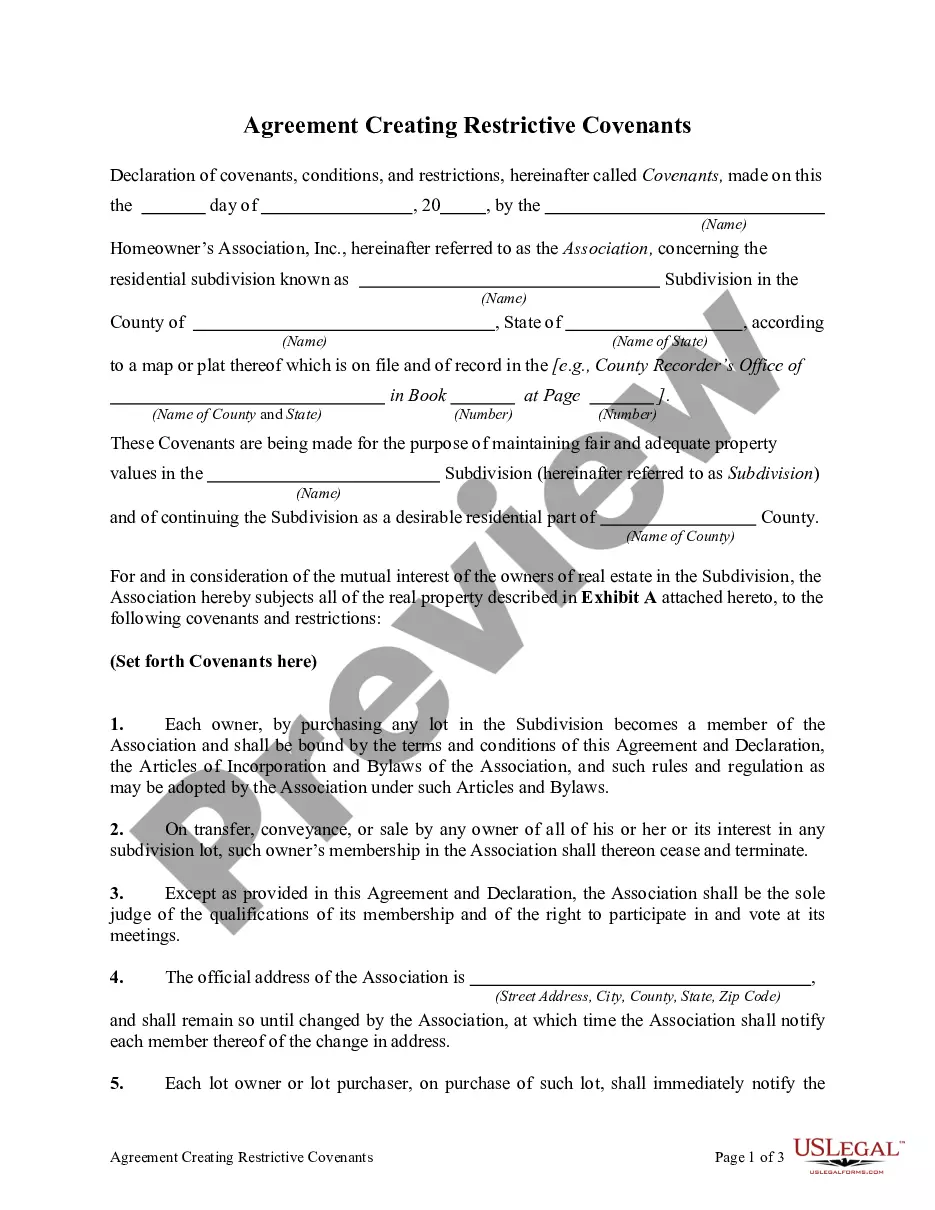
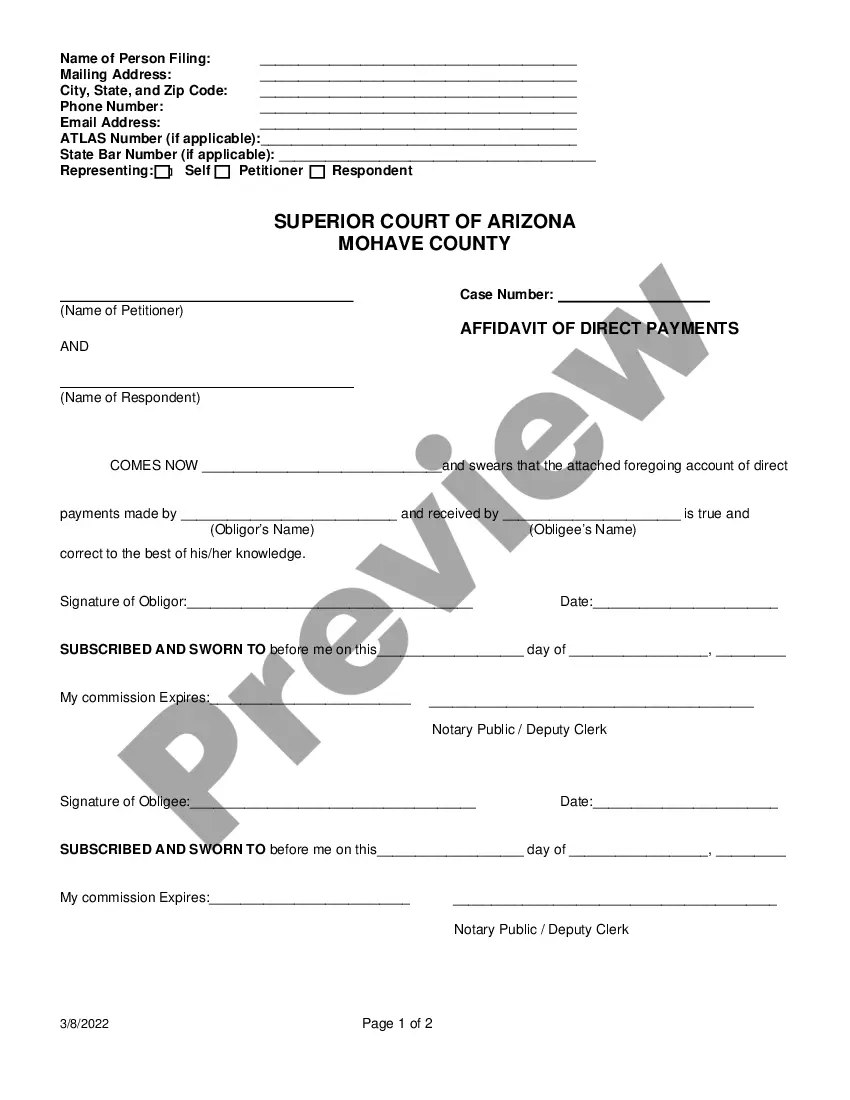
Get your form ready online
Our built-in tools help you complete, sign, share, and store your documents in one place.
Make edits, fill in missing information, and update formatting in US Legal Forms—just like you would in MS Word.
Download a copy, print it, send it by email, or mail it via USPS—whatever works best for your next step.
Sign and collect signatures with our SignNow integration. Send to multiple recipients, set reminders, and more. Go Premium to unlock E-Sign.
If this form requires notarization, complete it online through a secure video call—no need to meet a notary in person or wait for an appointment.
We protect your documents and personal data by following strict security and privacy standards.

Make edits, fill in missing information, and update formatting in US Legal Forms—just like you would in MS Word.

Download a copy, print it, send it by email, or mail it via USPS—whatever works best for your next step.

Sign and collect signatures with our SignNow integration. Send to multiple recipients, set reminders, and more. Go Premium to unlock E-Sign.

If this form requires notarization, complete it online through a secure video call—no need to meet a notary in person or wait for an appointment.

We protect your documents and personal data by following strict security and privacy standards.
Looking for another form?


Form popularity
FAQ
We recommend seeing a licensed attorney in the Commonwealth familiar with recordation/land records to prepare the deed so that it is prepared properly as it is a legal document transferring property. All deeds have to meet all standards within the Code of Virginia and the Library of Virginia Recordation Standards.
Deed restrictions usually apply for a defined period of time, such as 30 or 45 years, after which they expire. In some programs, the clock restarts each time the home is sold, so in practice the deed restrictions tend to apply for much longer.
Removing deed restrictions is not easy, but it's possible. You'll need to get consent, either from the governing body that set them — your city or HOA, for example — or from the other parties involved in the restriction, like neighbors.
What Happens if You Break a Deed Restriction? If a deed restriction is broken, the party who created the restriction or their heirs may seek to enforce the restriction by filing a lawsuit to take the property back.
At its core, an easement is a legal provision that grants a person, organization, or entity the right to use a specific portion of another individual's property without having actual ownership of it. Think of it as a "permission slip" that allows certain activities or access on a piece of land.
Restrictive covenants in employment agreements (like non-compete and non-soliciation provisions) are disfavored in Virginia and only enforced when narrowly crafted so that the restrictions are no broader than necessary to protect the employer's legitimate business interests.
Generally speaking, deed restrictions do not expire unless there is a specified, written expiration date. If there is a specific expiration date, it is possible for an HOA to vote to extend the time limit on the restriction.
``In order to enforce a restrictive covenant, an employer must demonstrate that the clause protects one of its legitimate business interests. Secondly, the employer must show that the clause is reasonable, and it only goes so far as is necessary protect a legitimate business interest of the employer.''
In Virginia, non-compete agreements are enforceable if an employer can show: the restriction is “no greater than is necessary to protect the employer's legitimate business interest”; the agreement is not excessively severe or oppressive in restricting the employee's ability to find another job or make an income; and.
Restrictive covenants in employment agreements (like non-compete and non-soliciation provisions) are disfavored in Virginia and only enforced when narrowly crafted so that the restrictions are no broader than necessary to protect the employer's legitimate business interests.
