Mutual Covenants And Agreements Meaning In Virginia
Description

Get your form ready online
Our built-in tools help you complete, sign, share, and store your documents in one place.
Make edits, fill in missing information, and update formatting in US Legal Forms—just like you would in MS Word.
Download a copy, print it, send it by email, or mail it via USPS—whatever works best for your next step.
Sign and collect signatures with our SignNow integration. Send to multiple recipients, set reminders, and more. Go Premium to unlock E-Sign.
If this form requires notarization, complete it online through a secure video call—no need to meet a notary in person or wait for an appointment.
We protect your documents and personal data by following strict security and privacy standards.

Make edits, fill in missing information, and update formatting in US Legal Forms—just like you would in MS Word.

Download a copy, print it, send it by email, or mail it via USPS—whatever works best for your next step.

Sign and collect signatures with our SignNow integration. Send to multiple recipients, set reminders, and more. Go Premium to unlock E-Sign.

If this form requires notarization, complete it online through a secure video call—no need to meet a notary in person or wait for an appointment.

We protect your documents and personal data by following strict security and privacy standards.
Looking for another form?

Form popularity
FAQ
A contract is an agreement between parties , creating mutual obligations that are enforceable by law . The basic elements required for the agreement to be a legally enforceable contract are: mutual assent , expressed by a valid offer and acceptance ; adequate consideration ; capacity ; and legality .
A covenant agreement is akin to a contractual agreement between parties. It often outlines terms and conditions where a party will perform a certain action or refrain from performing a certain action. Covenants are legally binding and enforceable.
There are four essential elements of forming a contract: offer, acceptance, consideration, and intention to create legal relations. Beyond this, the terms of the contract must also be unambiguous, and the parties must have the mental capacity to agree.
Restrictive covenants in employment agreements (like non-compete and non-soliciation provisions) are disfavored in Virginia and only enforced when narrowly crafted so that the restrictions are no broader than necessary to protect the employer's legitimate business interests.
A contract will only be legally binding upon the contracting parties if the following requirements are complied with: consensus, contractual capacity, certainty, possibility, legality and formalities. 39 The above requirements will be discussed next. 39Para 1 1 above.
In the area of law, for a contract to be legally enforceable, several requirements must be met, including an offer; acceptance of that offer; mutual understanding of the agreement; capacity to agree; an item or service; consideration in exchange for the item or service; and legality of the contract itself, including ...
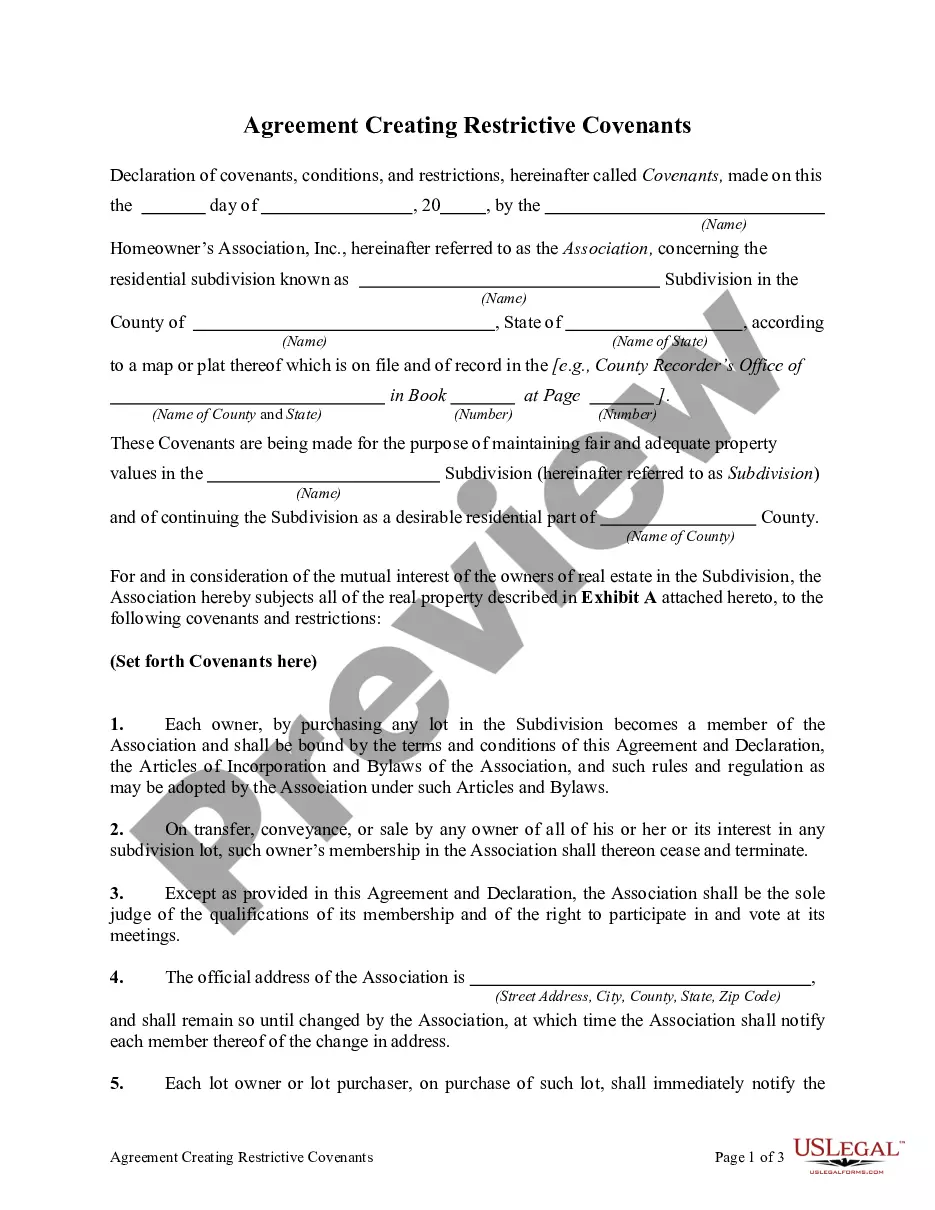
Restrictive Covenants, Explained This restricts how homeowners can manage and modify their land. Examples include restrictions on fence options, the type of animals allowed and the use of outbuildings, such as sheds.
In the area of law, for a contract to be legally enforceable, several requirements must be met, including an offer; acceptance of that offer; mutual understanding of the agreement; capacity to agree; an item or service; consideration in exchange for the item or service; and legality of the contract itself, including ...
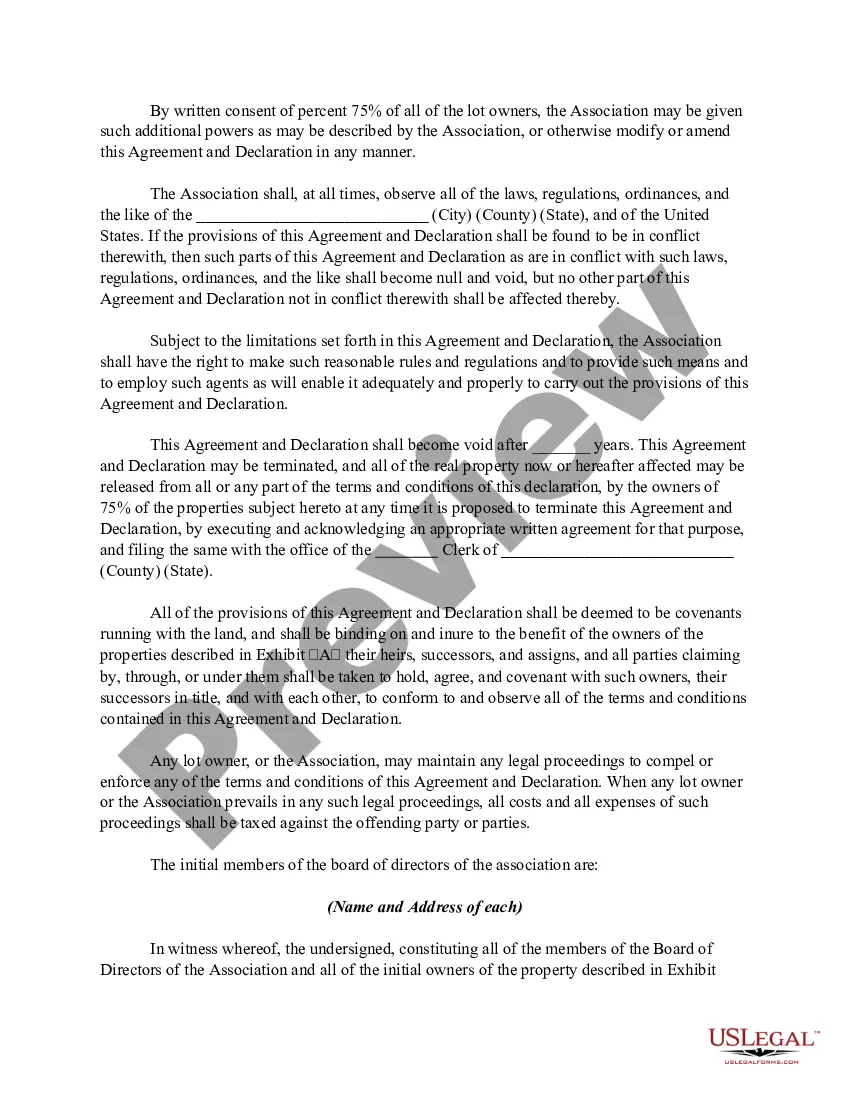
In simple terms, mutual covenants and agreements refer to promises made by both parties to a contract to uphold certain obligations or responsibilities. A covenant is a legally binding promise or agreement between two or more parties, typically included in a written contract.
