Restrictive Covenants In Commercial Contracts In San Antonio
Description

Get your form ready online
Our built-in tools help you complete, sign, share, and store your documents in one place.
Make edits, fill in missing information, and update formatting in US Legal Forms—just like you would in MS Word.
Download a copy, print it, send it by email, or mail it via USPS—whatever works best for your next step.
Sign and collect signatures with our SignNow integration. Send to multiple recipients, set reminders, and more. Go Premium to unlock E-Sign.
If this form requires notarization, complete it online through a secure video call—no need to meet a notary in person or wait for an appointment.
We protect your documents and personal data by following strict security and privacy standards.

Make edits, fill in missing information, and update formatting in US Legal Forms—just like you would in MS Word.

Download a copy, print it, send it by email, or mail it via USPS—whatever works best for your next step.

Sign and collect signatures with our SignNow integration. Send to multiple recipients, set reminders, and more. Go Premium to unlock E-Sign.

If this form requires notarization, complete it online through a secure video call—no need to meet a notary in person or wait for an appointment.

We protect your documents and personal data by following strict security and privacy standards.
Looking for another form?





Form popularity
FAQ
Ingly, if, for example, a restrictive covenant between employer and employee includes a five-year term, the covenant is unlikely to be deemed enforceable by a court. In the sale of business context, courts typically are more willing to enforce covenants lasting longer than 1-2 years.
Under Texas law noncompete agreements can be enforceable if: The noncompete provision is part of an otherwise enforceable agreement. The non-compete requirement is supported by valid consideration (consideration meaning something of value provided to the employee).
Texas will enforce a non-compete agreement if it meets certain criteria: It must be included with another agreement (such as an employment offer), and be in exchange for “consideration” (i.e. something in return, such as specialized training or confidential information).
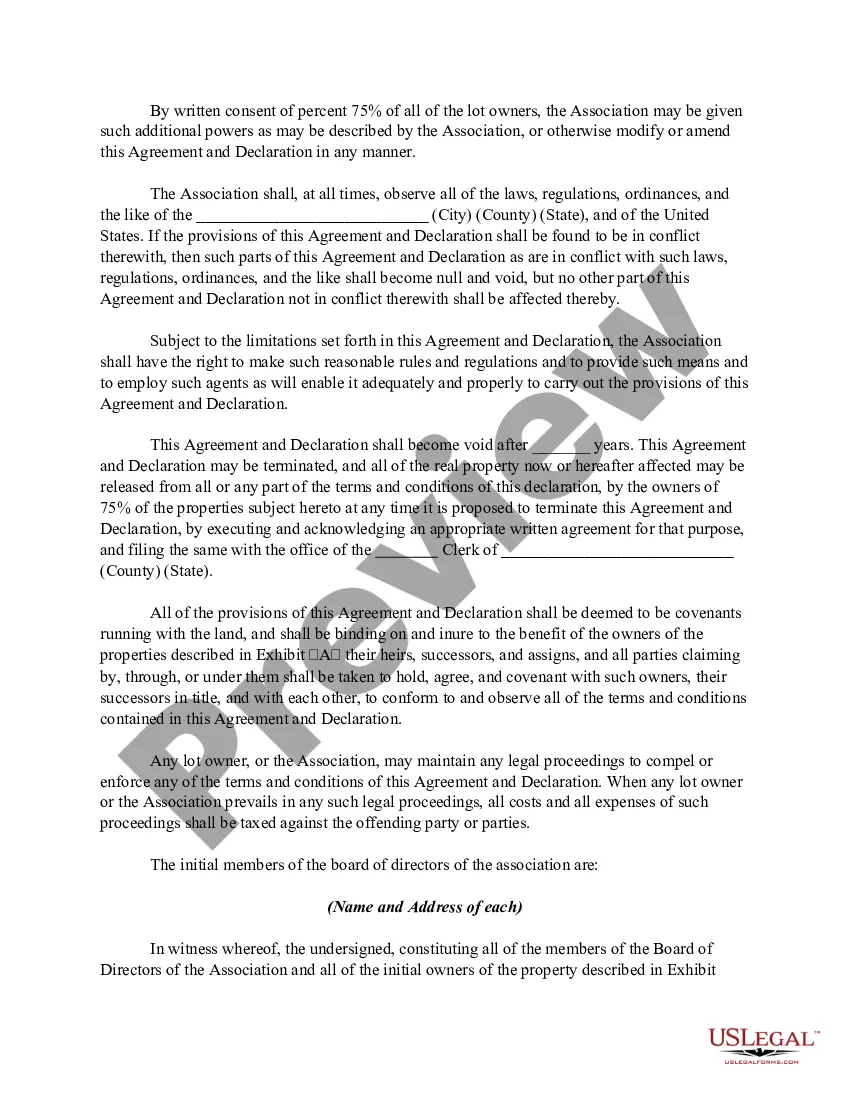
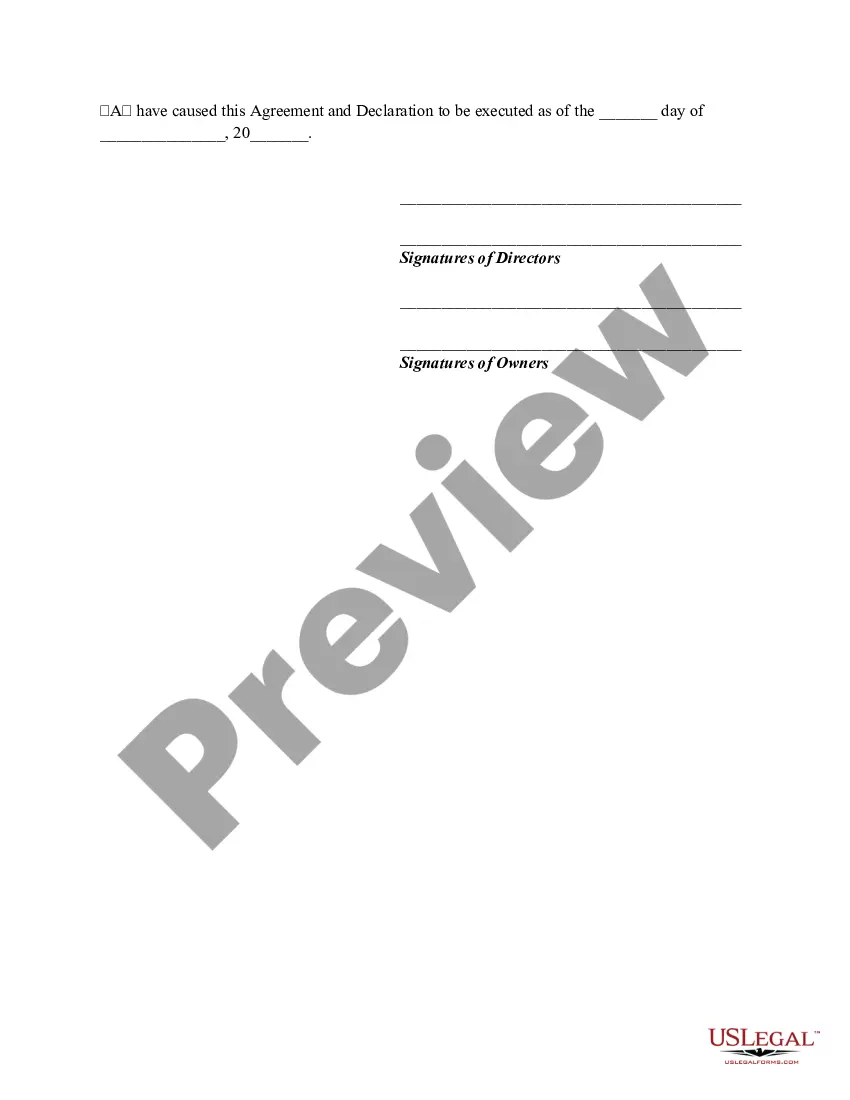
Restrictive covenants are clauses in commercial contracts that limit what a party can do, to protect your business interests. The primary purpose of a restrictive covenant in a commercial contract is to restrict the other party from engaging in certain commercial activities.
There may be terms in your contract that says you can't work for a competitor or have contact with customers for a period of time after you leave the company. These are called 'restrictive covenants'. Your company could take you to court if you breach the restrictive covenants in your contract.
The association or another representative may enforce restrictive covenants by civil litigation or administrative proceedings. This section gives justice courts jurisdiction in cases relating to the enforcement of a deed restriction of a residential subdivision that does not concern a structural change to a dwelling.
Any non-compete agreement that is void under existing law is unenforceable, “regardless of where and when the contract was signed” or where employment was maintained.
Restrictive covenants) are enforceable in Texas. To be valid under Texas law, a covenant not to compete must be “ancillary to an otherwise enforceable agreement.” Then, the restrictions must be reasonable in scope.
Justice courts are limited to enforcing residential subdivision deed restrictions, except for restrictions related to structural changes of a dwelling. A justice court cannot order specific performance, unlike a district court. Instead, it can assess civil damages of up to $200 for each day of each violation.
In the case of an HOA, restrictive covenants are general rules that members of your HOA vote on that all property owners living in the area must follow. The covenant may include actions you can't take with your property, like raising livestock or running a business from your home.
