Covenant Agreement Meaning In New York
Description

Get your form ready online
Our built-in tools help you complete, sign, share, and store your documents in one place.
Make edits, fill in missing information, and update formatting in US Legal Forms—just like you would in MS Word.
Download a copy, print it, send it by email, or mail it via USPS—whatever works best for your next step.
Sign and collect signatures with our SignNow integration. Send to multiple recipients, set reminders, and more. Go Premium to unlock E-Sign.
If this form requires notarization, complete it online through a secure video call—no need to meet a notary in person or wait for an appointment.
We protect your documents and personal data by following strict security and privacy standards.

Make edits, fill in missing information, and update formatting in US Legal Forms—just like you would in MS Word.

Download a copy, print it, send it by email, or mail it via USPS—whatever works best for your next step.

Sign and collect signatures with our SignNow integration. Send to multiple recipients, set reminders, and more. Go Premium to unlock E-Sign.

If this form requires notarization, complete it online through a secure video call—no need to meet a notary in person or wait for an appointment.

We protect your documents and personal data by following strict security and privacy standards.
Looking for another form?

Form popularity
FAQ
The five points of God's covenant model are: ethics, oath, representation, grace, and succession. These same points apply to our relationship with God and with other people.
Are non-competes legal? A non-compete is only allowed and enforceable to the extent it (1) is necessary to protect the employer's legitimate interests, (2) does not impose an undue hardship on the employee, (3) does not harm the public, and (4) is reasonable in time period and geographic scope.
Specifically, the Bible speaks of seven different covenants from Genesis to Revelation: Adamic, Noahic, Abrahamic, Mosaic, Davidic, New, and Everlasting Covenants. With each covenant are four elements— promises, terms, blood, and a seal. In the Adamic and Noahic Covenants, redemption was revealed.
A real covenant is only enforceable if it was created intentionally, it relates to the property in question, and two kinds of privity are established. Additionally, a real covenant must be in writing. The party capable of enforcing the covenant depends on whether the burden or the benefit runs with the land.
That a party has made a covenant can often be seen by the use of words such as “promise,” “undertake,” or “agree.” A “condition,” on the other hand, is a contingency, the happening of which may either excuse or trigger the obligation of a party to do something. Conditions can be either precedent or subsequent.
A contract is an agreement between parties while a covenant is a pledge. A contract is an agreement you can break while a covenant is a perpetual promise. You seal a covenant while you sign a contract. A contract is a mutually beneficial relationship while a covenant is something you fulfill.
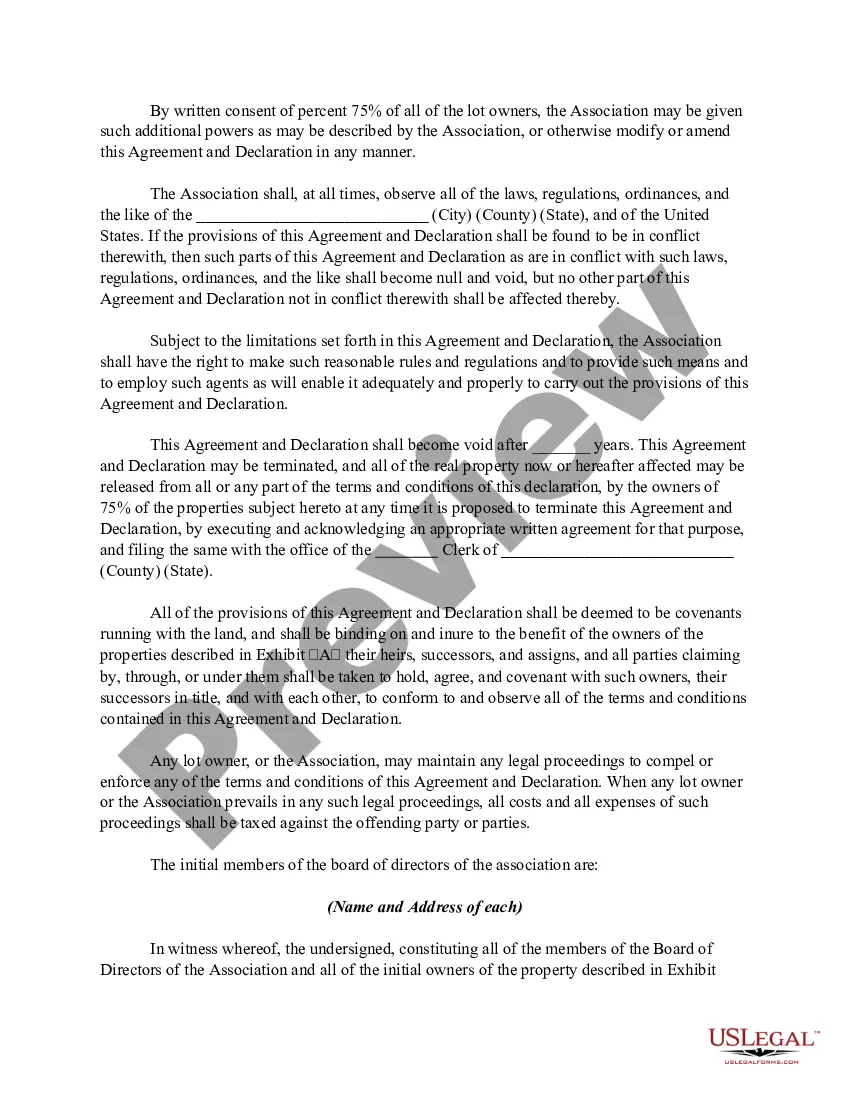
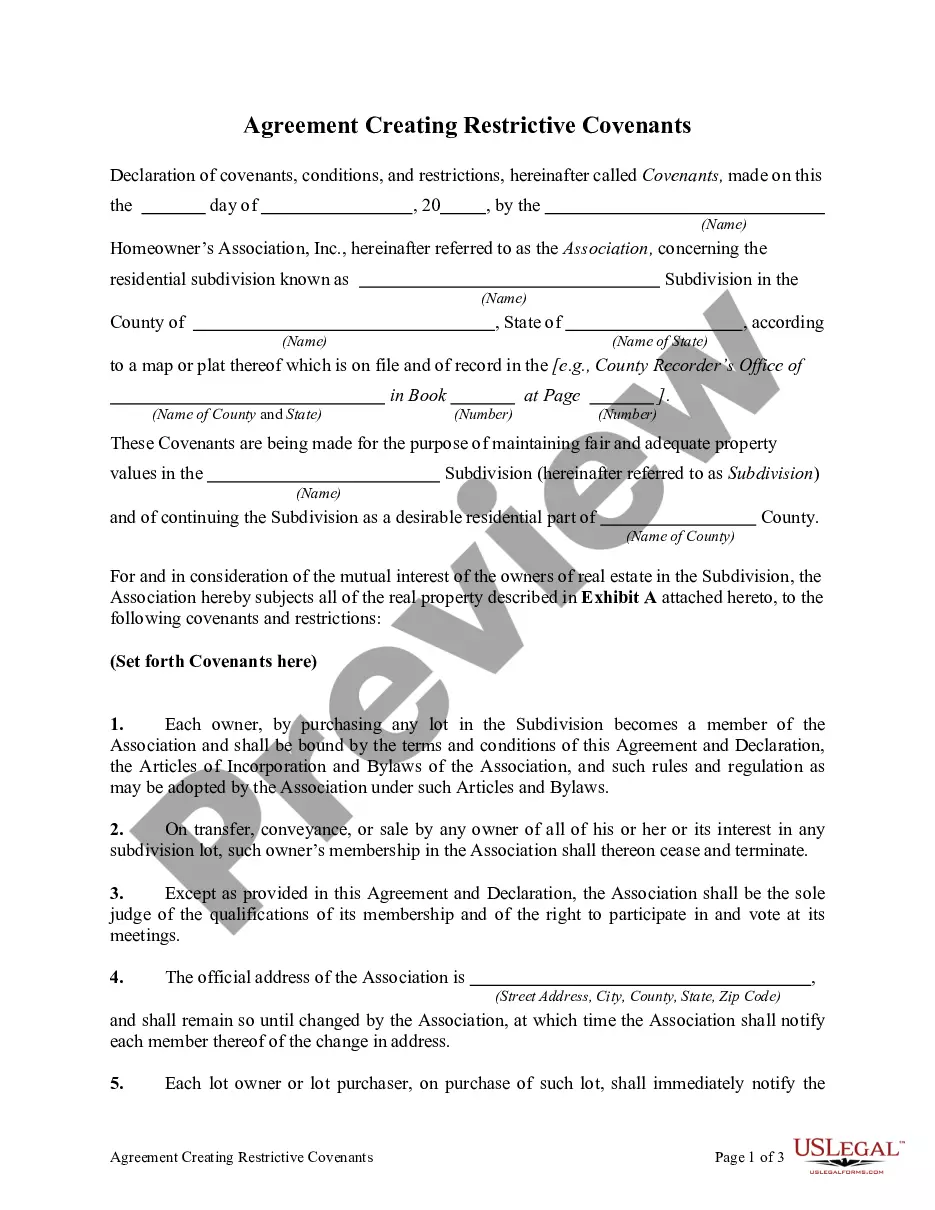
A covenant agreement is akin to a contractual agreement between parties. It often outlines terms and conditions where a party will perform a certain action or refrain from performing a certain action. Covenants are legally binding and enforceable.
A contract is an agreement between parties while a covenant is a pledge. A contract is an agreement you can break while a covenant is a perpetual promise. You seal a covenant while you sign a contract. A contract is a mutually beneficial relationship while a covenant is something you fulfill.
