Restrictive Covenant For Contract Work In Nassau
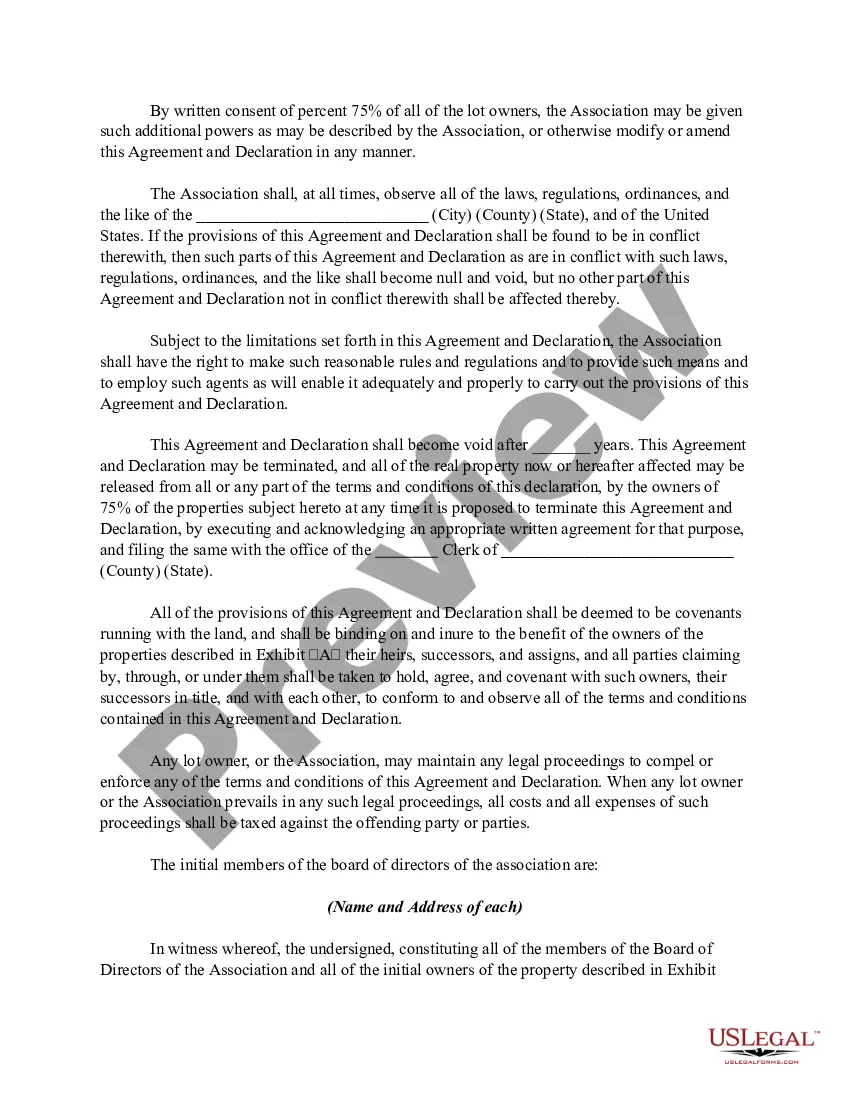
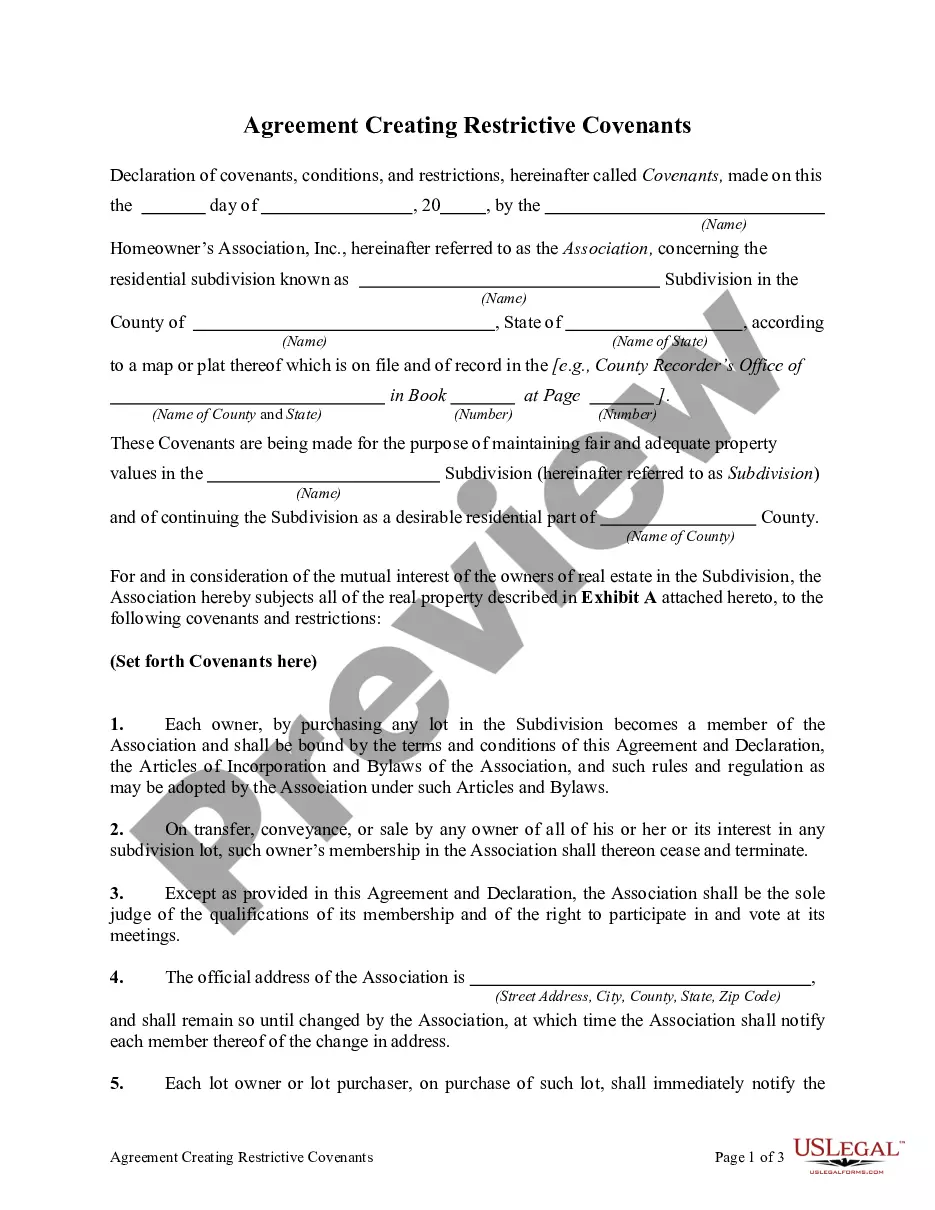
Description

Get your form ready online
Our built-in tools help you complete, sign, share, and store your documents in one place.
Make edits, fill in missing information, and update formatting in US Legal Forms—just like you would in MS Word.
Download a copy, print it, send it by email, or mail it via USPS—whatever works best for your next step.
Sign and collect signatures with our SignNow integration. Send to multiple recipients, set reminders, and more. Go Premium to unlock E-Sign.
If this form requires notarization, complete it online through a secure video call—no need to meet a notary in person or wait for an appointment.
We protect your documents and personal data by following strict security and privacy standards.

Make edits, fill in missing information, and update formatting in US Legal Forms—just like you would in MS Word.

Download a copy, print it, send it by email, or mail it via USPS—whatever works best for your next step.

Sign and collect signatures with our SignNow integration. Send to multiple recipients, set reminders, and more. Go Premium to unlock E-Sign.

If this form requires notarization, complete it online through a secure video call—no need to meet a notary in person or wait for an appointment.

We protect your documents and personal data by following strict security and privacy standards.
Looking for another form?





Form popularity
FAQ
As a general rule, restrictive covenants entered into voluntarily will be enforced where the covenant is “reasonable in time and area, necessary to protect the employer's legitimate interests, not harmful to the general public and not unreasonably burdensome to the employee.” Reed, Roberts Associates, Inc.
A covenant is a formal promise or agreement to do or not do something. Covenants are found in legal documents like contracts and often deal with major issues like payment terms, confidentiality, non-compete agreements etc. A clause is a section or provision within a legal document that covers a specific issue.
Simply put, a covenant within a contract is an agreement that certain activities or things will or won't happen once the contract is signed. You'll often find covenants in financial or property-related contracts, where one party wants a certain guarantee that something will or won't occur.
Although New York State lawmakers passed a non-compete ban in 2023, Gov. Hochul vetoed the bill primarily because she wanted to see exceptions allowing non-competes in connection with the sale of a business and for high-income earners that have more negotiating power.
Broadly speaking, 'covenants' are the contractual devices ensuring that a party receives the benefits that it negotiated for in the business deal. In other words, covenants support the achievement of the purpose implied by the key provisions characterising the transaction.
There may be terms in your contract that says you can't work for a competitor or have contact with customers for a period of time after you leave the company. These are called 'restrictive covenants'. Your company could take you to court if you breach the restrictive covenants in your contract.
A provision in a contract under which a party agrees to perform (an affirmative covenant) or abstain from performing (a negative covenant) a particular act.
In my experience, corporate lawyers generally use obligation and covenant interchangeably, except that many use only covenant when referring to obligations that are grouped together in a contract and that address how a given party is to conduct itself between signing and closing, while a debt remains outstanding, or in ...
Globally, non-compete agreements vary significantly in terms of enforceability, scope, and legal framework. While they are a common practice in many countries, the extent to which they are recognized and enforced can differ.
