Covenant In Agreement In Mecklenburg
Description

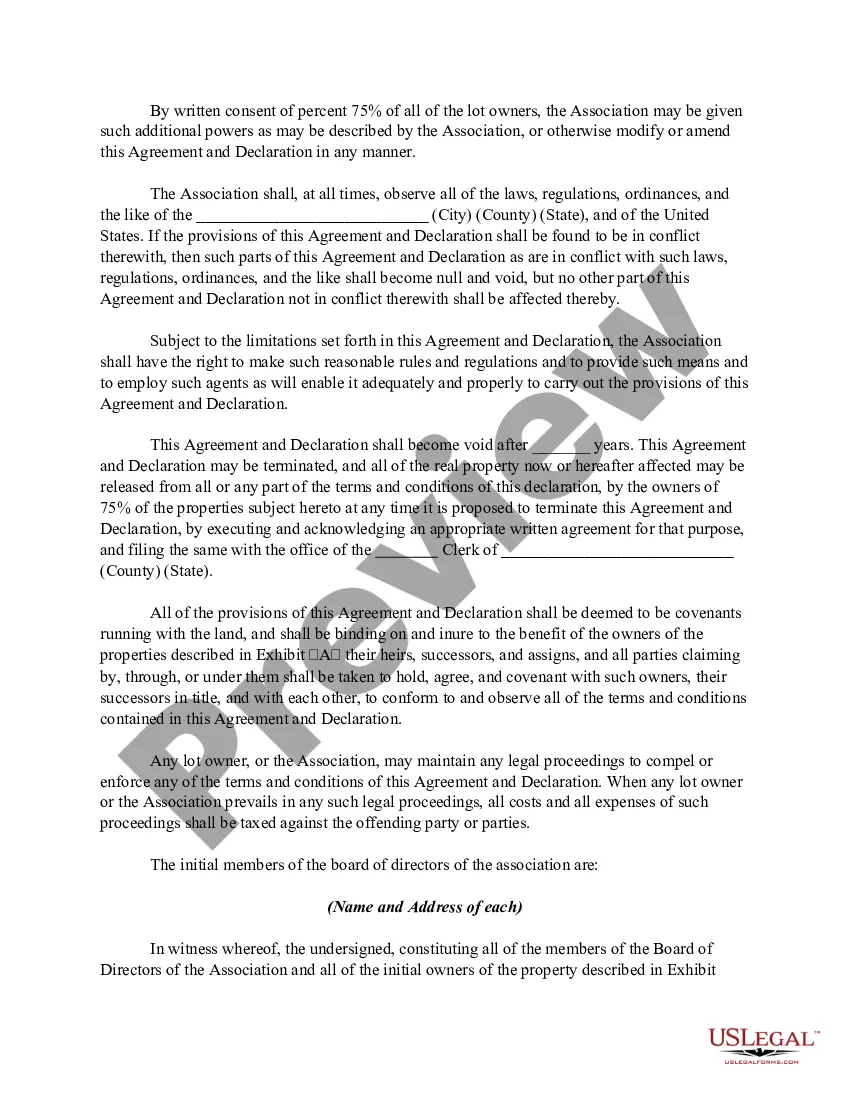
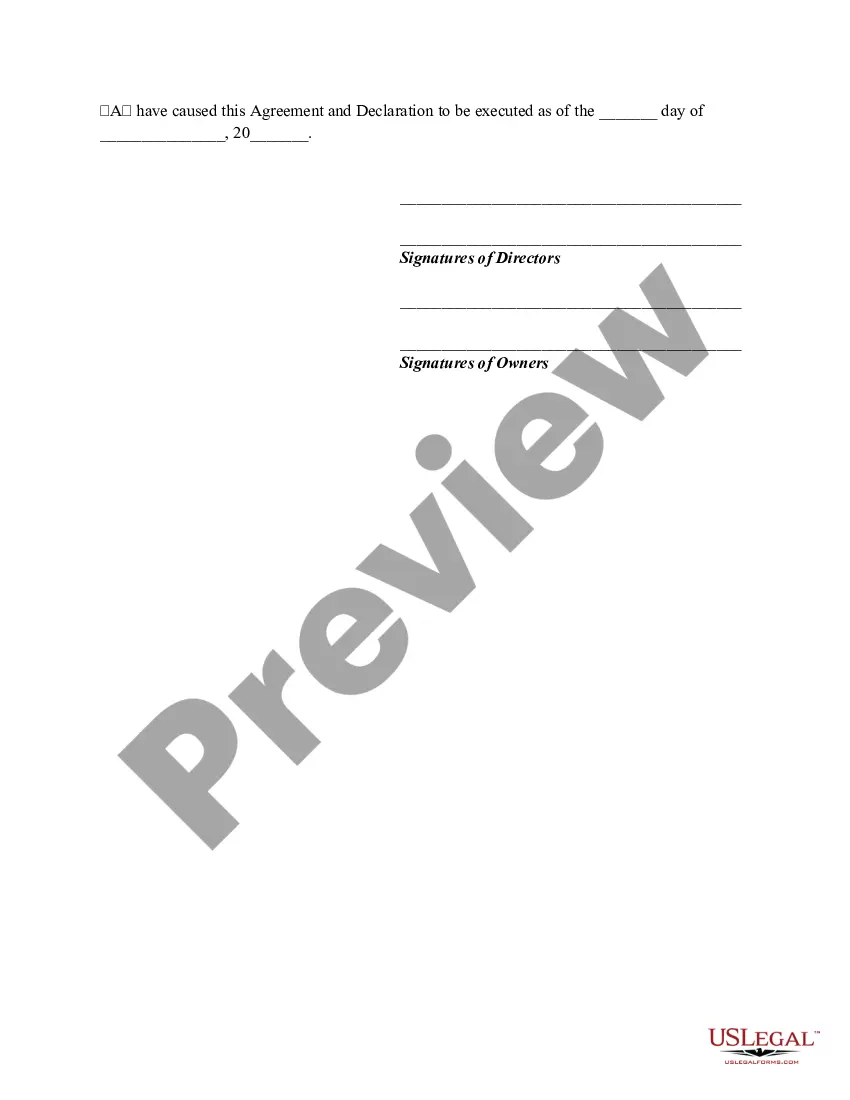
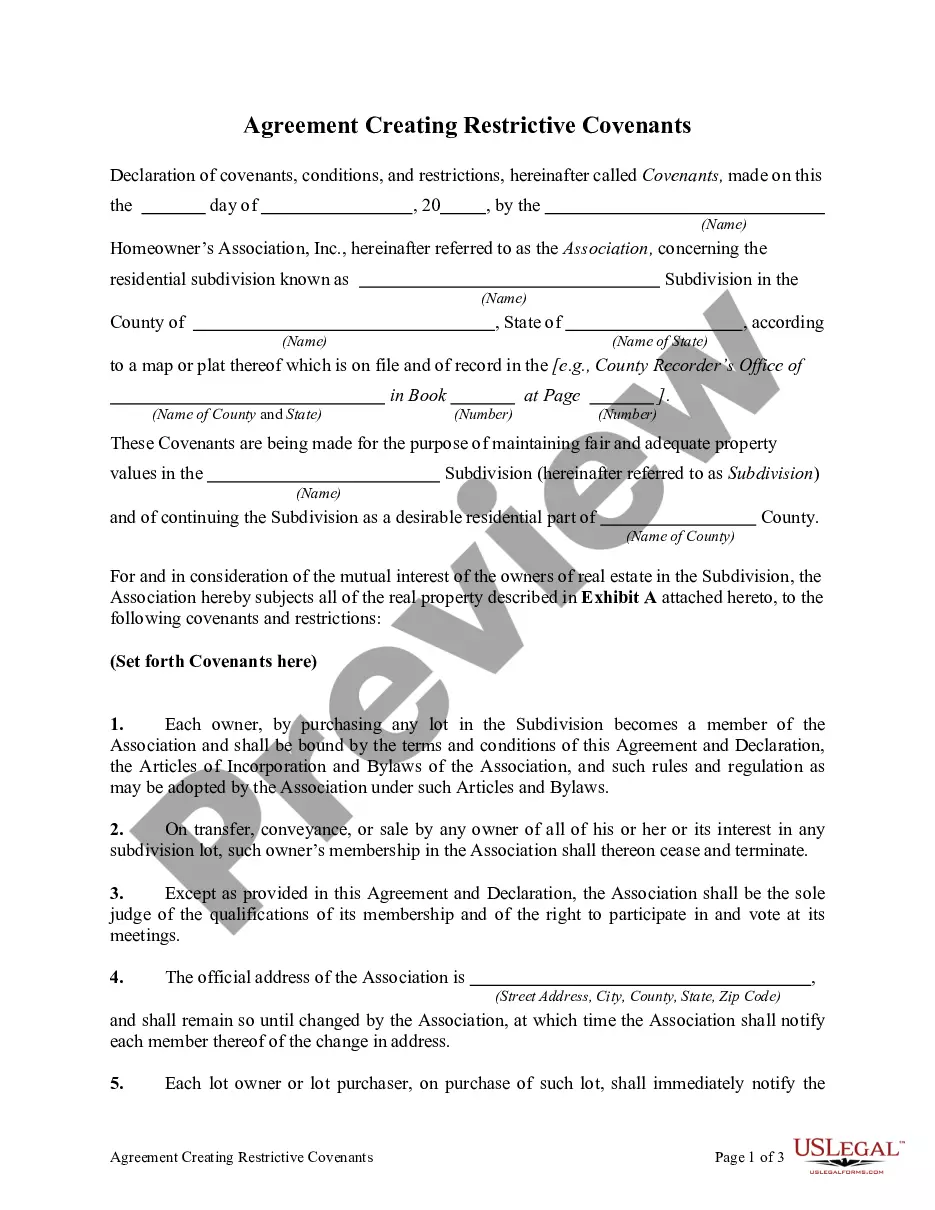
Get your form ready online
Our built-in tools help you complete, sign, share, and store your documents in one place.
Make edits, fill in missing information, and update formatting in US Legal Forms—just like you would in MS Word.
Download a copy, print it, send it by email, or mail it via USPS—whatever works best for your next step.
Sign and collect signatures with our SignNow integration. Send to multiple recipients, set reminders, and more. Go Premium to unlock E-Sign.
If this form requires notarization, complete it online through a secure video call—no need to meet a notary in person or wait for an appointment.
We protect your documents and personal data by following strict security and privacy standards.

Make edits, fill in missing information, and update formatting in US Legal Forms—just like you would in MS Word.

Download a copy, print it, send it by email, or mail it via USPS—whatever works best for your next step.

Sign and collect signatures with our SignNow integration. Send to multiple recipients, set reminders, and more. Go Premium to unlock E-Sign.

If this form requires notarization, complete it online through a secure video call—no need to meet a notary in person or wait for an appointment.

We protect your documents and personal data by following strict security and privacy standards.
Looking for another form?
Form popularity
FAQ
A covenant is a chosen relationship or partnership in which two parties make binding promises to each other and work together to reach a common goal. They're often accompanied by oaths, signs, and ceremonies.
A covenant agreement is akin to a contractual agreement between parties. It often outlines terms and conditions where a party will perform a certain action or refrain from performing a certain action. Covenants are legally binding and enforceable.
The covenant is a promise that God made with Abraham. ing to the covenant, God would offer protection and land to Abraham and his descendants, but they must follow the path of God.
A Deed of Release: This is a legal document, signed by all parties, that formally removes restrictive covenants from a property. Typically, all beneficiaries are party to this deed, as it releases them from their benefits over the property.
A covenant is a relationship between two partners who make binding promises to each other and work together to reach a common goal. They're often accompanied by oaths, signs, and ceremonies. Covenants define obligations and commitments, but they are different from a contract because they are relational and personal.
How do I challenge a restrictive covenant? Express release: It may be possible to negotiate the release or variation of a restrictive covenant. Indemnity insurance: It is possible to obtain indemnity insurance to protect against the risk of a person with the benefit of a restrictive covenant seeking to enforce it.
Points to Note A single leader should lead the group through the covenant writing process. Limit your covenant to no more than 10 clauses. Keep clauses concise and specific. Begin where you are, not where you think you should be. Place the clauses in the same order they are named in the General Rule of Discipleship.
Points to Note A single leader should lead the group through the covenant writing process. Limit your covenant to no more than 10 clauses. Keep clauses concise and specific. Begin where you are, not where you think you should be. Place the clauses in the same order they are named in the General Rule of Discipleship.
Covenants are particularly relevant in the fields of contract law and property law. An example of a contractual covenant is a non-compete agreement . Examples of common covenants in property law include agreements not to build a fence or agreements to maintain a shared driveway.
A proper “covenant relationship” with God requires five major experiences: 1) Faith, faith in Jehovah God and Jesus Christ. 2) Repentance of sins. 3) Confession of sins. 4) Baptism and 5) Obedience, effective operation of all of these means genuine conversion.
