Mutual Covenants And Agreements Meaning In Massachusetts
Description

Get your form ready online
Our built-in tools help you complete, sign, share, and store your documents in one place.
Make edits, fill in missing information, and update formatting in US Legal Forms—just like you would in MS Word.
Download a copy, print it, send it by email, or mail it via USPS—whatever works best for your next step.
Sign and collect signatures with our SignNow integration. Send to multiple recipients, set reminders, and more. Go Premium to unlock E-Sign.
If this form requires notarization, complete it online through a secure video call—no need to meet a notary in person or wait for an appointment.
We protect your documents and personal data by following strict security and privacy standards.

Make edits, fill in missing information, and update formatting in US Legal Forms—just like you would in MS Word.

Download a copy, print it, send it by email, or mail it via USPS—whatever works best for your next step.

Sign and collect signatures with our SignNow integration. Send to multiple recipients, set reminders, and more. Go Premium to unlock E-Sign.

If this form requires notarization, complete it online through a secure video call—no need to meet a notary in person or wait for an appointment.

We protect your documents and personal data by following strict security and privacy standards.
Looking for another form?



Form popularity
FAQ
A contract is an agreement between parties while a covenant is a pledge. A contract is an agreement you can break while a covenant is a perpetual promise. You seal a covenant while you sign a contract. A contract is a mutually beneficial relationship while a covenant is something you fulfill.
Mutual emphasizes that where an agreement requires that something needs to happen, a party is not required to simply consent with what the other party determines (even though such required consent follows a pattern of 'proposal', 'modified proposal' to 'approval').
A covenant is a formal agreement or promise , usually included in a contract or deed , to do or not do a particular act. Covenants are particularly relevant in the fields of contract law and property law. An example of a contractual covenant is a non-compete agreement .
A contract is an agreement between parties while a covenant is a pledge. A contract is an agreement you can break while a covenant is a perpetual promise. You seal a covenant while you sign a contract. A contract is a mutually beneficial relationship while a covenant is something you fulfill.
"A covenant not to compete contained in a contract for personal services will be enforced if it is reasonable, based on all the circumstances."
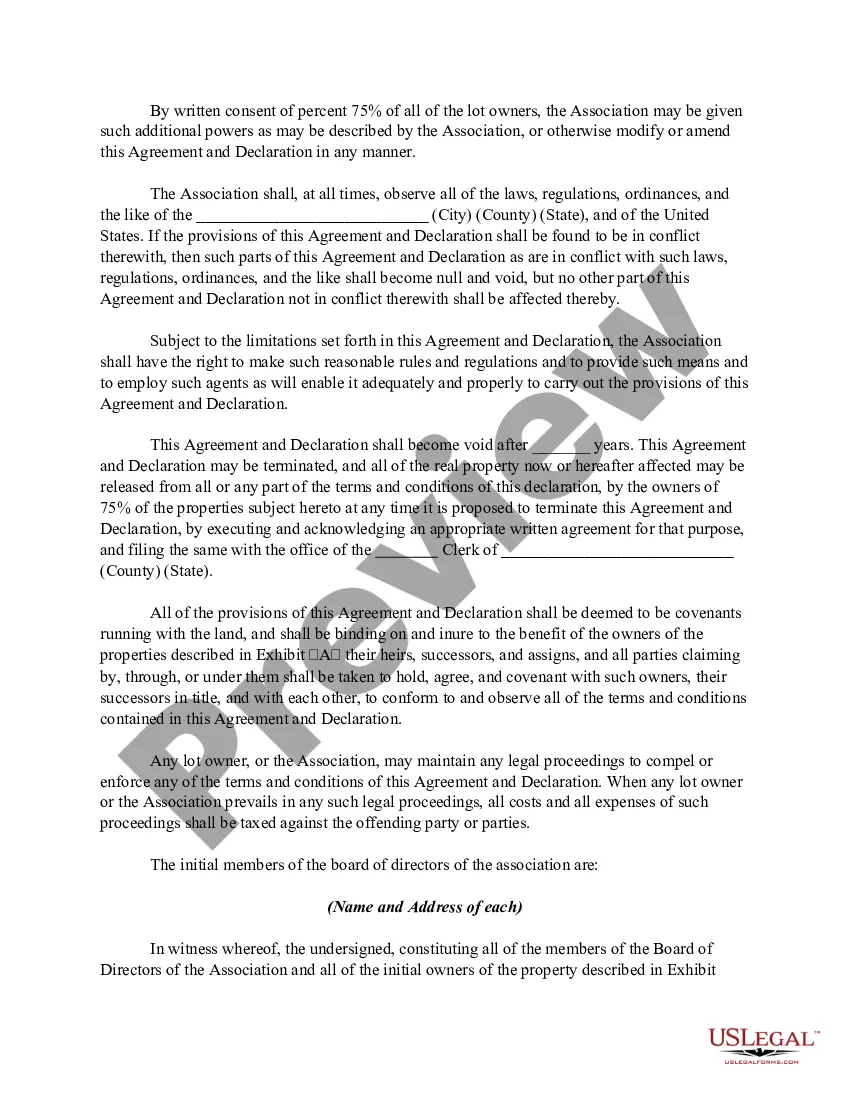
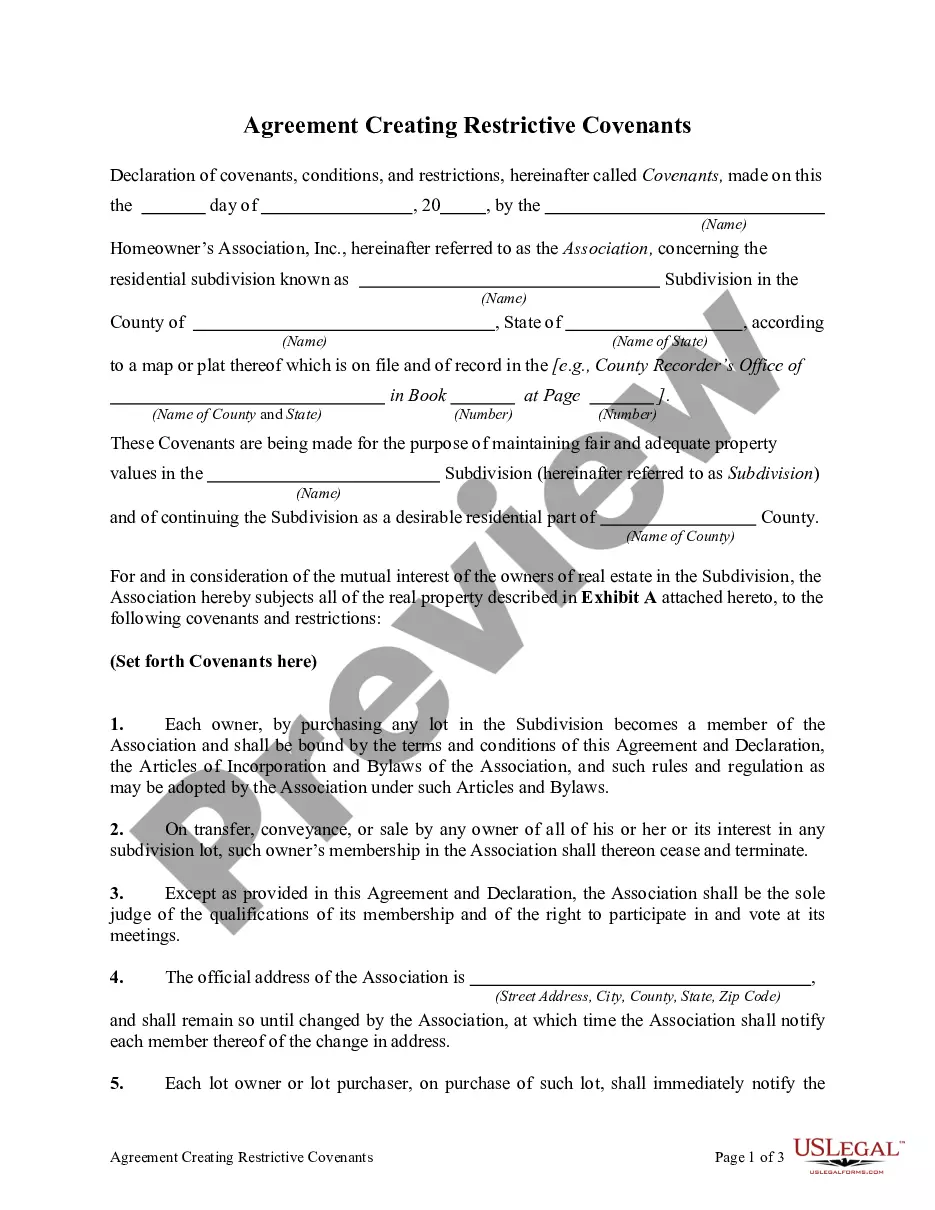
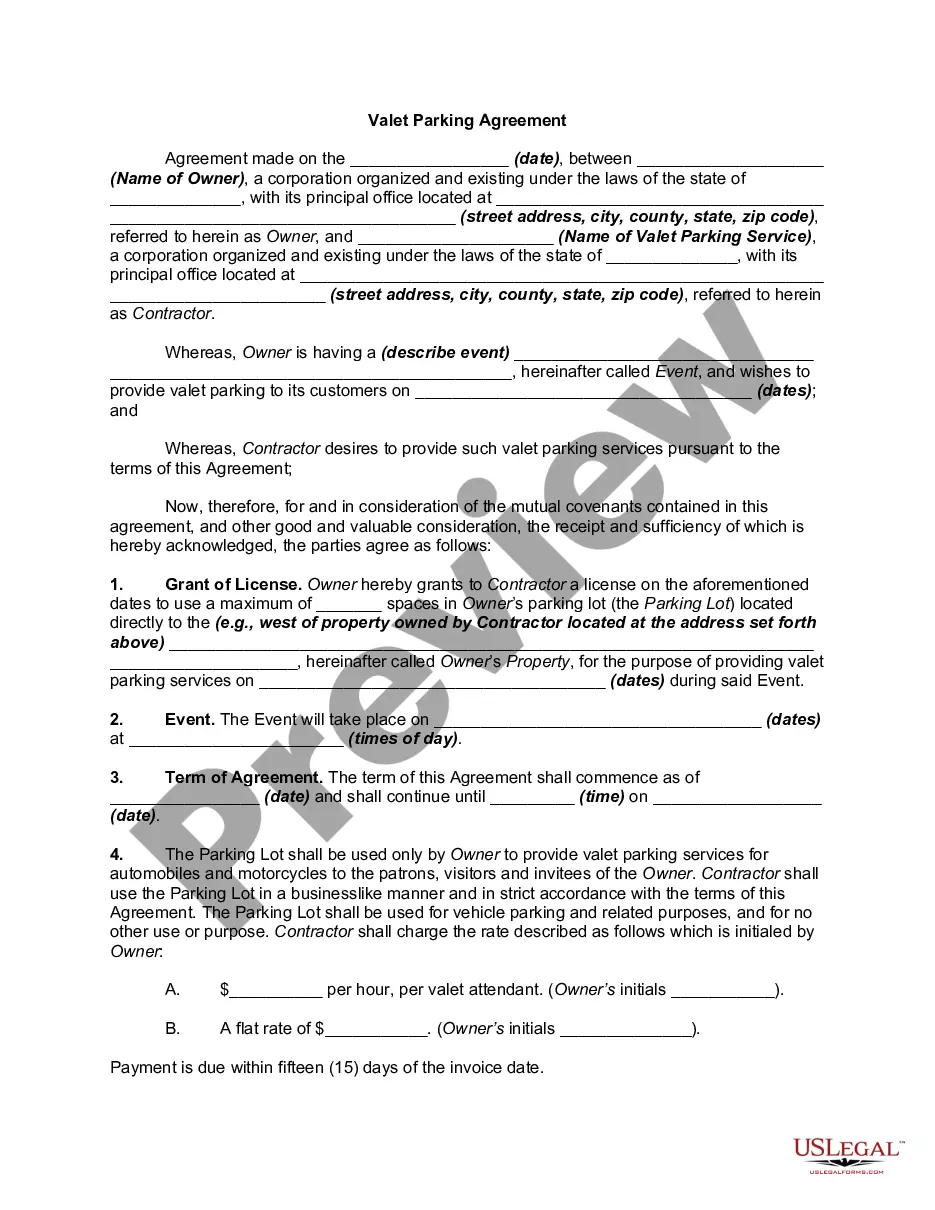
In simple terms, mutual covenants and agreements refer to promises made by both parties to a contract to uphold certain obligations or responsibilities. A covenant is a legally binding promise or agreement between two or more parties, typically included in a written contract.
A quick definition of mutual promises: It is a type of promise that is legally binding and is the foundation of a contract. A promise is when someone says they will or will not do something, and it is important to keep promises to build trust and respect in relationships.
A binding contract requires both an offer and acceptance of that offer. A party makes an offer by expressing a willingness or desire to enter into an agreement with the intent that, if the other party accepts the terms of the offer, then there is a binding contract.
A covenant agreement is akin to a contractual agreement between parties. It often outlines terms and conditions where a party will perform a certain action or refrain from performing a certain action. Covenants are legally binding and enforceable.
