Covenant Agreement Meaning In Maryland
Description

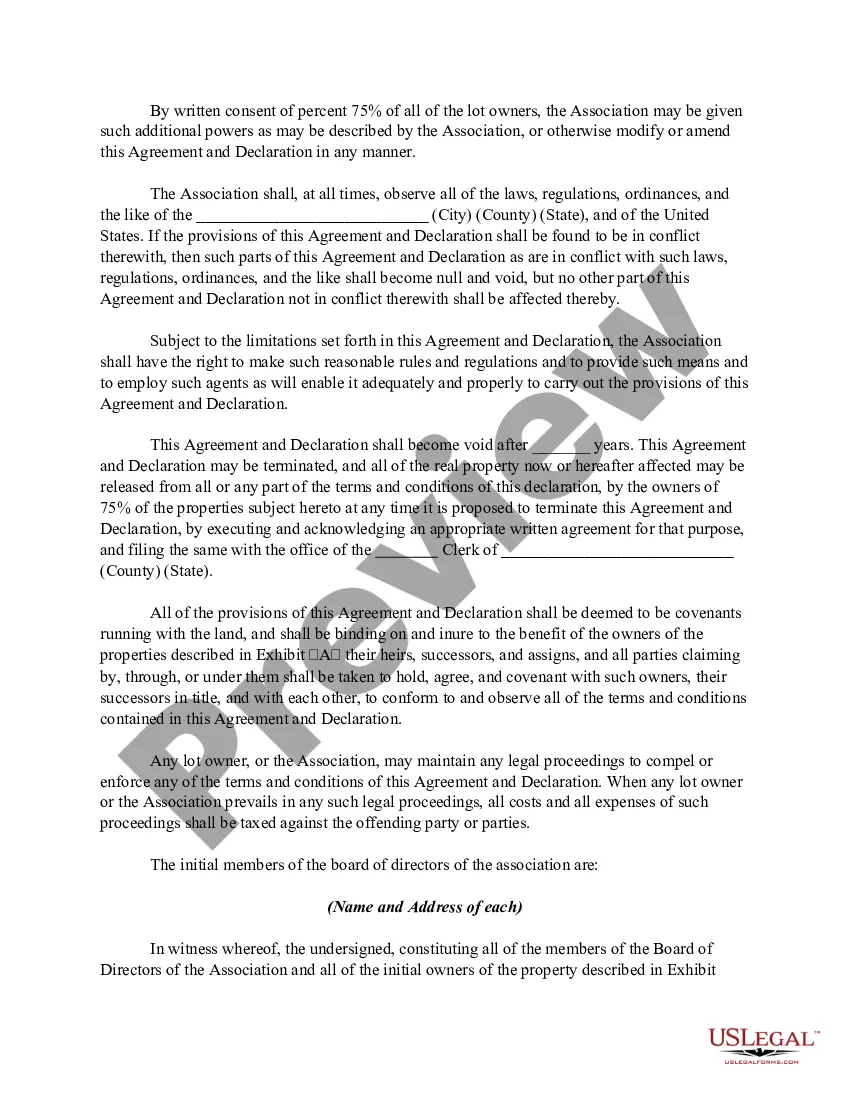
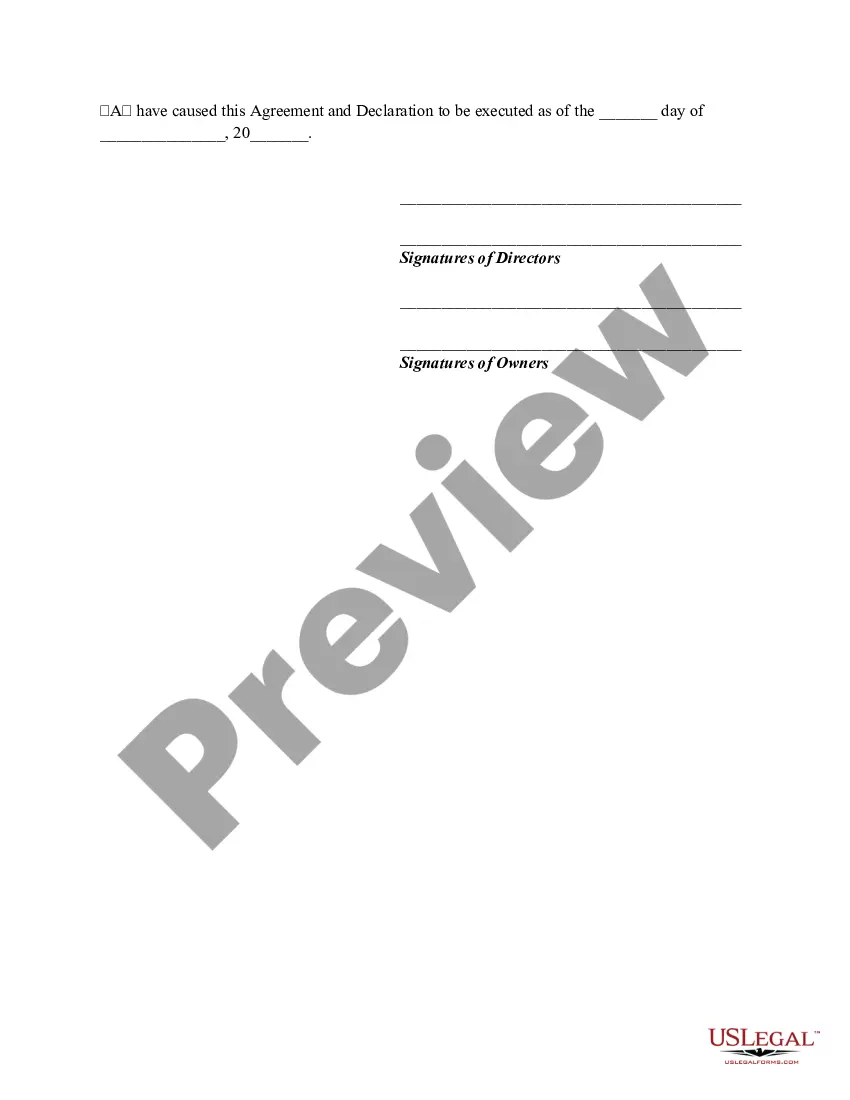
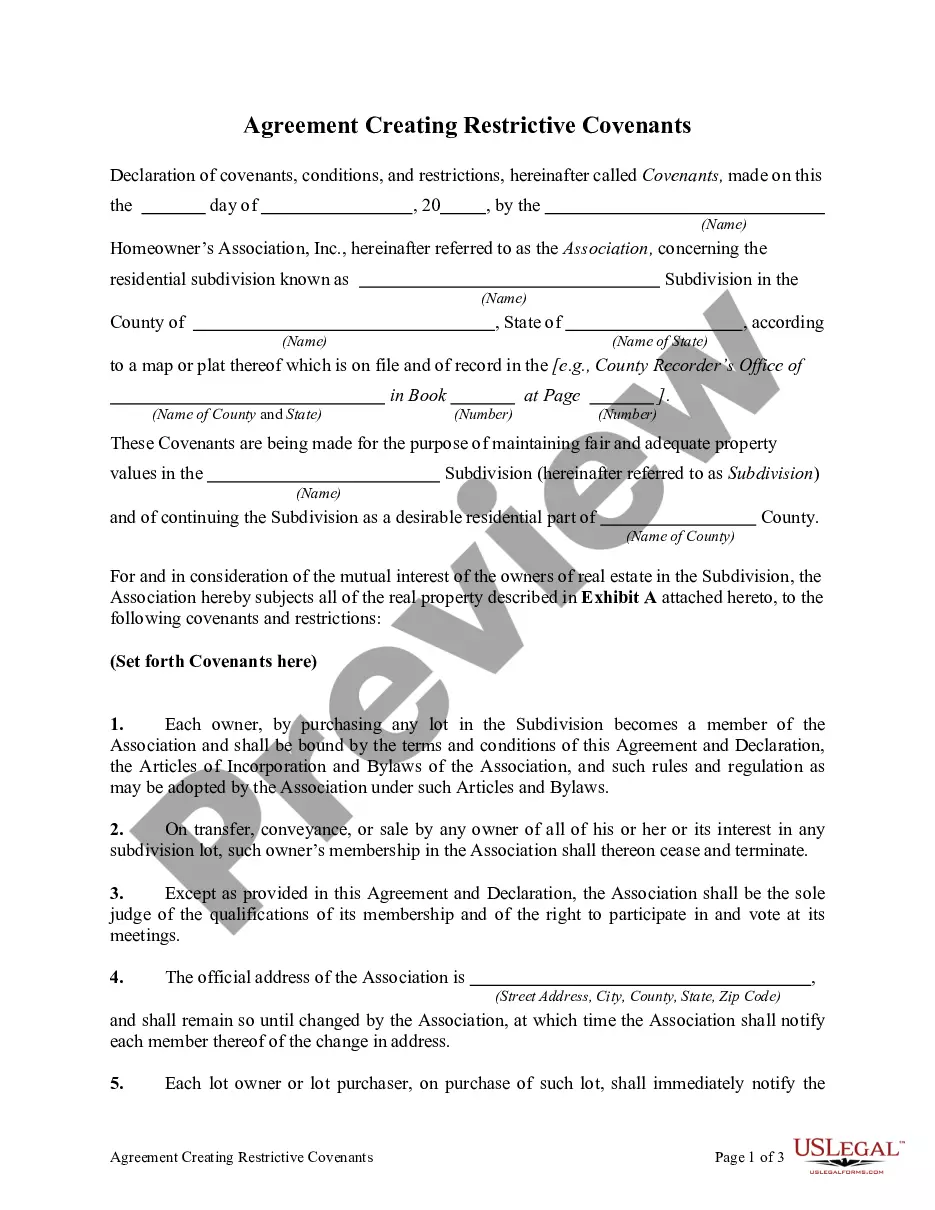
Get your form ready online
Our built-in tools help you complete, sign, share, and store your documents in one place.
Make edits, fill in missing information, and update formatting in US Legal Forms—just like you would in MS Word.
Download a copy, print it, send it by email, or mail it via USPS—whatever works best for your next step.
Sign and collect signatures with our SignNow integration. Send to multiple recipients, set reminders, and more. Go Premium to unlock E-Sign.
If this form requires notarization, complete it online through a secure video call—no need to meet a notary in person or wait for an appointment.
We protect your documents and personal data by following strict security and privacy standards.

Make edits, fill in missing information, and update formatting in US Legal Forms—just like you would in MS Word.

Download a copy, print it, send it by email, or mail it via USPS—whatever works best for your next step.

Sign and collect signatures with our SignNow integration. Send to multiple recipients, set reminders, and more. Go Premium to unlock E-Sign.

If this form requires notarization, complete it online through a secure video call—no need to meet a notary in person or wait for an appointment.

We protect your documents and personal data by following strict security and privacy standards.
Looking for another form?


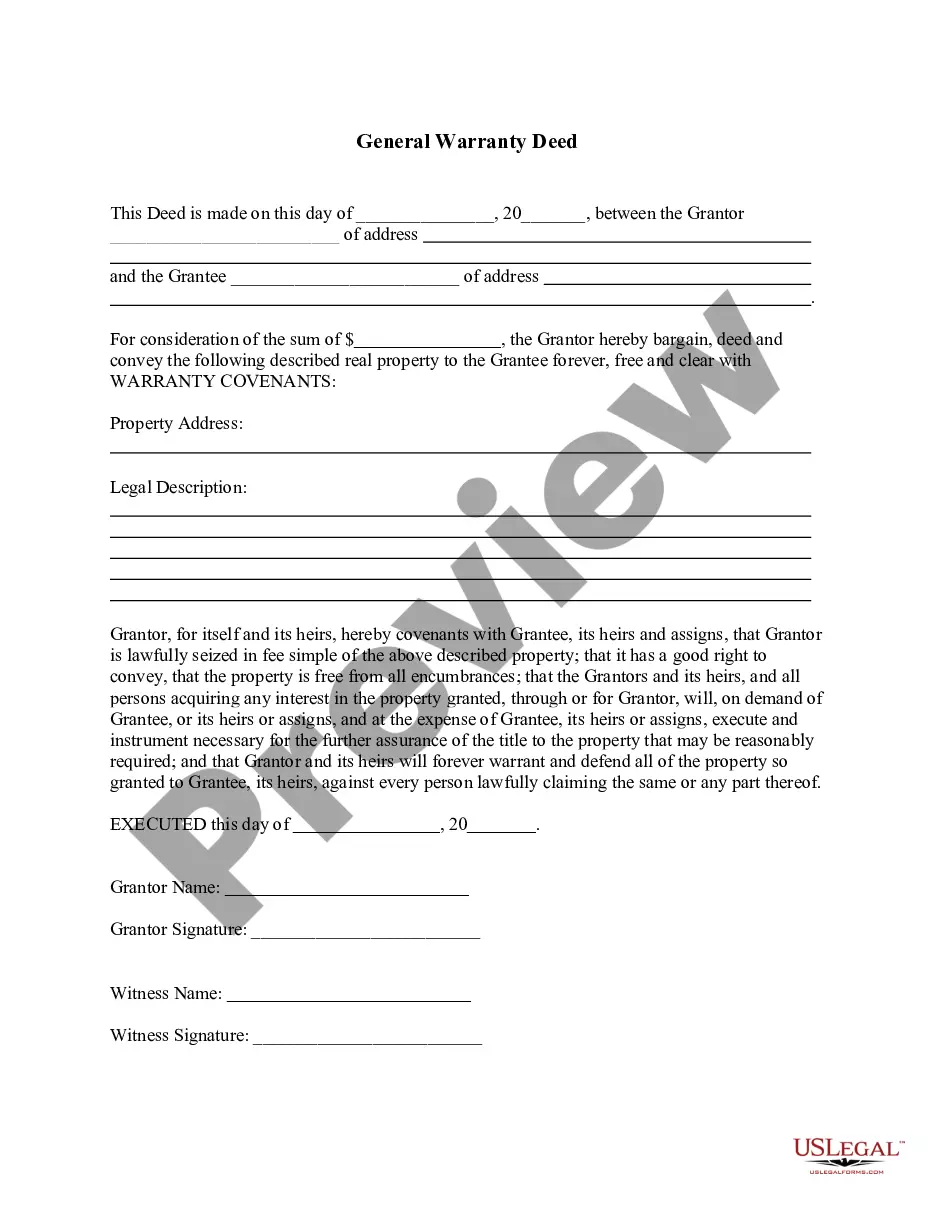
Form popularity
FAQ
A contract is an agreement between parties while a covenant is a pledge. A contract is an agreement you can break while a covenant is a perpetual promise. You seal a covenant while you sign a contract. A contract is a mutually beneficial relationship while a covenant is something you fulfill.
Covenants not to compete are contractual agreements between employees and employers whereby the employee promises not to compete with the employer for a specific period of time and/or within a particular geographic area should the employment relationship terminate.
In Maryland, a “noncompete . . . provision in an employment contract . . . that restricts the ability of the employee to enter into employment with a new employer or to become self-employed in the same or similar business or trade shall be null and void as against the public policy of the State.”
Covenants not to compete are disfavored in Maryland and are strictly construed against the employer. For a non-compete agreement to be enforceable, it must be necessary to protect the employer's legitimate business interests and cannot impose undue hardship on the employee.
A covenant is a formal agreement or promise , usually included in a contract or deed , to do or not do a particular act.
To be enforceable, a restrictive covenant must be reasonably limited in duration. In some cases, a three year limitation might be acceptable, while, in other cases, one year would be too long. The restriction must also be sufficiently limited in a geographic scope.
A contract is an agreement between parties while a covenant is a pledge. A contract is an agreement you can break while a covenant is a perpetual promise. You seal a covenant while you sign a contract. A contract is a mutually beneficial relationship while a covenant is something you fulfill.
The key differences between a promise and a covenant are: 1. A promise is a verbal or written agreement to do or not do something, while a covenant is a more formal and binding agreement, compact, or contract between two parties. 2.
A covenant is a chosen relationship or partnership in which two parties make binding promises to each other and work together to reach a common goal. They're often accompanied by oaths, signs, and ceremonies.
