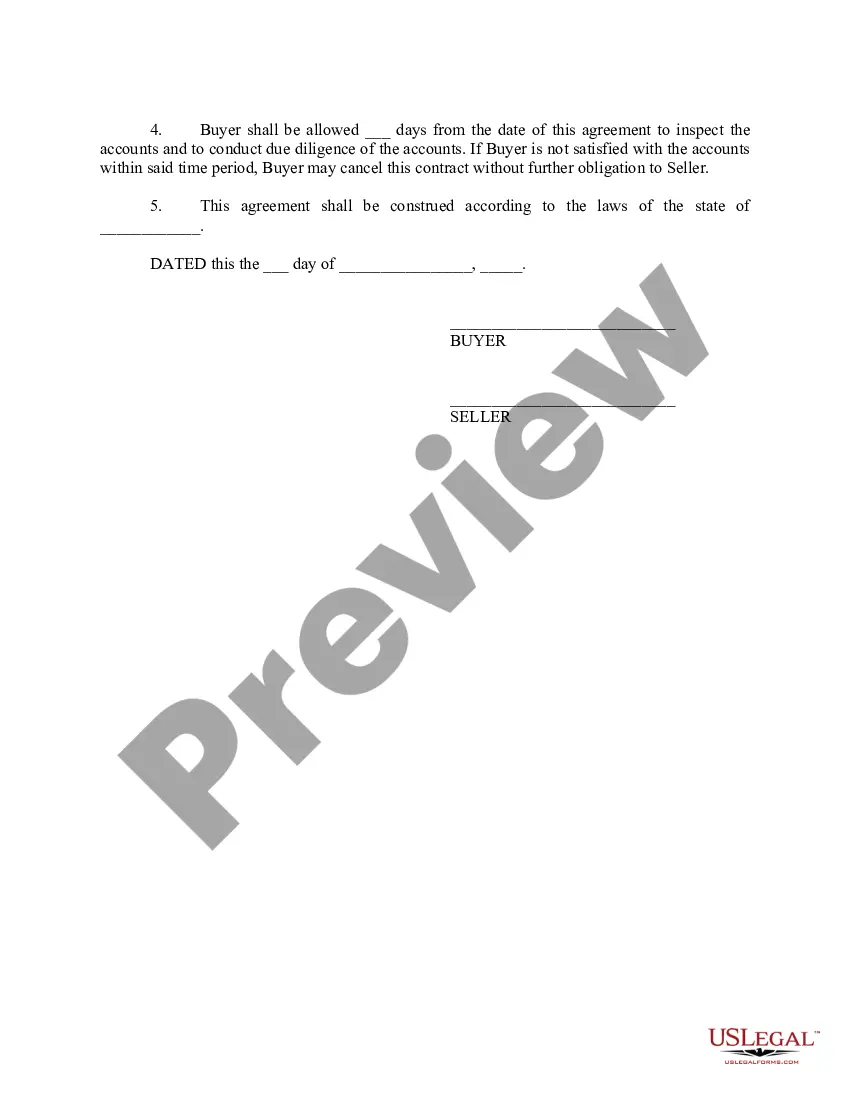
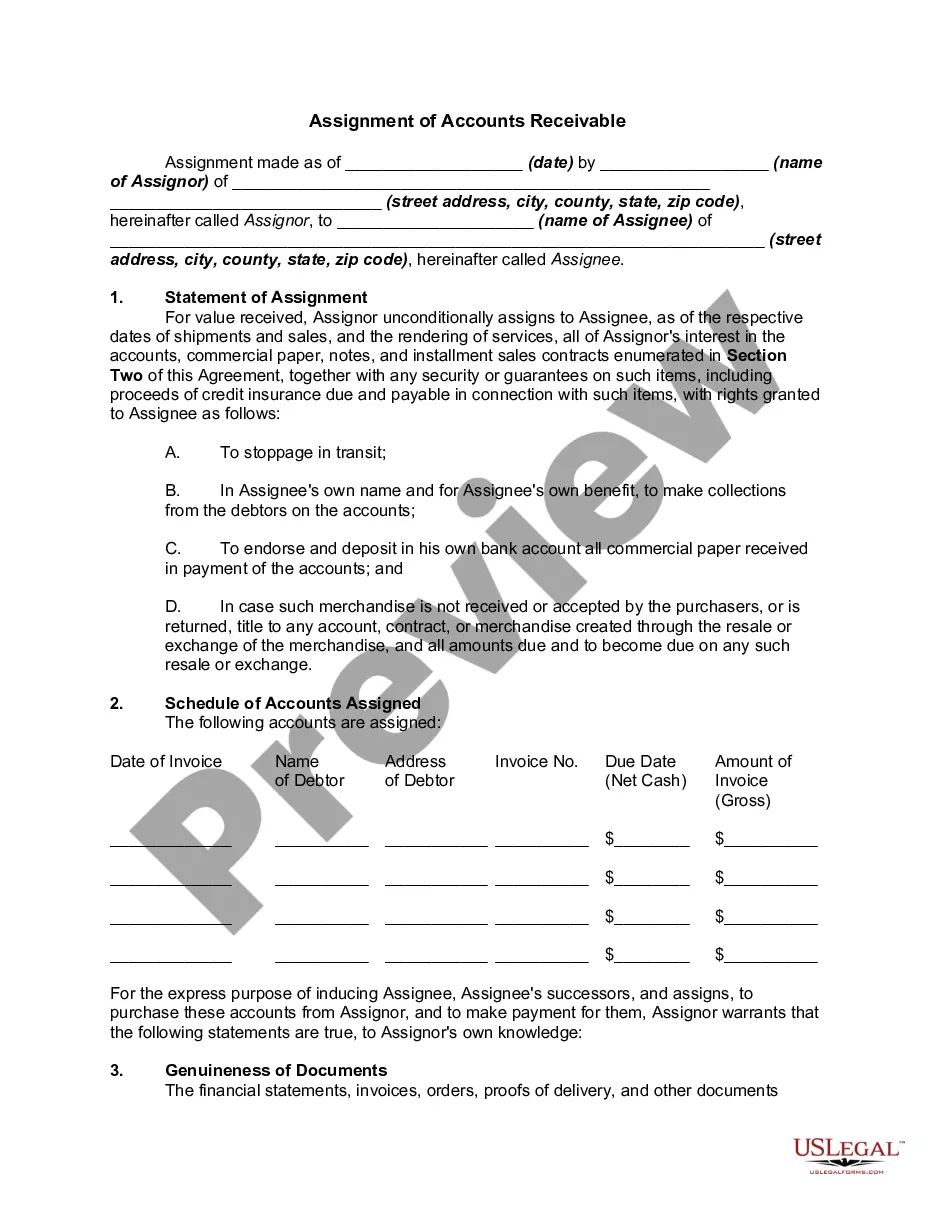
Accounts Receivable Contract With Recourse
Description


Get your form ready online
Our built-in tools help you complete, sign, share, and store your documents in one place.
Make edits, fill in missing information, and update formatting in US Legal Forms—just like you would in MS Word.
Download a copy, print it, send it by email, or mail it via USPS—whatever works best for your next step.
Sign and collect signatures with our SignNow integration. Send to multiple recipients, set reminders, and more. Go Premium to unlock E-Sign.
If this form requires notarization, complete it online through a secure video call—no need to meet a notary in person or wait for an appointment.
We protect your documents and personal data by following strict security and privacy standards.

Make edits, fill in missing information, and update formatting in US Legal Forms—just like you would in MS Word.

Download a copy, print it, send it by email, or mail it via USPS—whatever works best for your next step.

Sign and collect signatures with our SignNow integration. Send to multiple recipients, set reminders, and more. Go Premium to unlock E-Sign.

If this form requires notarization, complete it online through a secure video call—no need to meet a notary in person or wait for an appointment.

We protect your documents and personal data by following strict security and privacy standards.
Looking for another form?





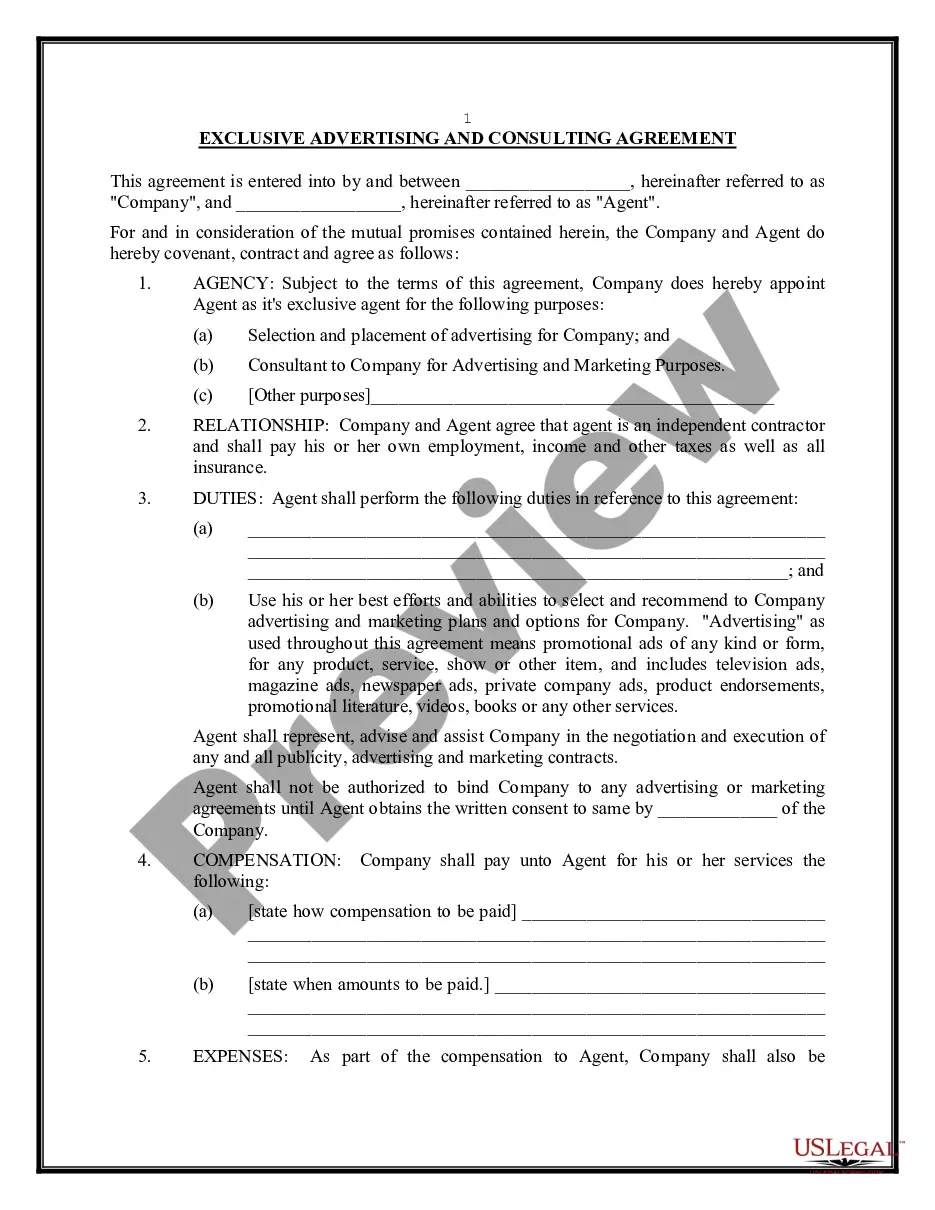

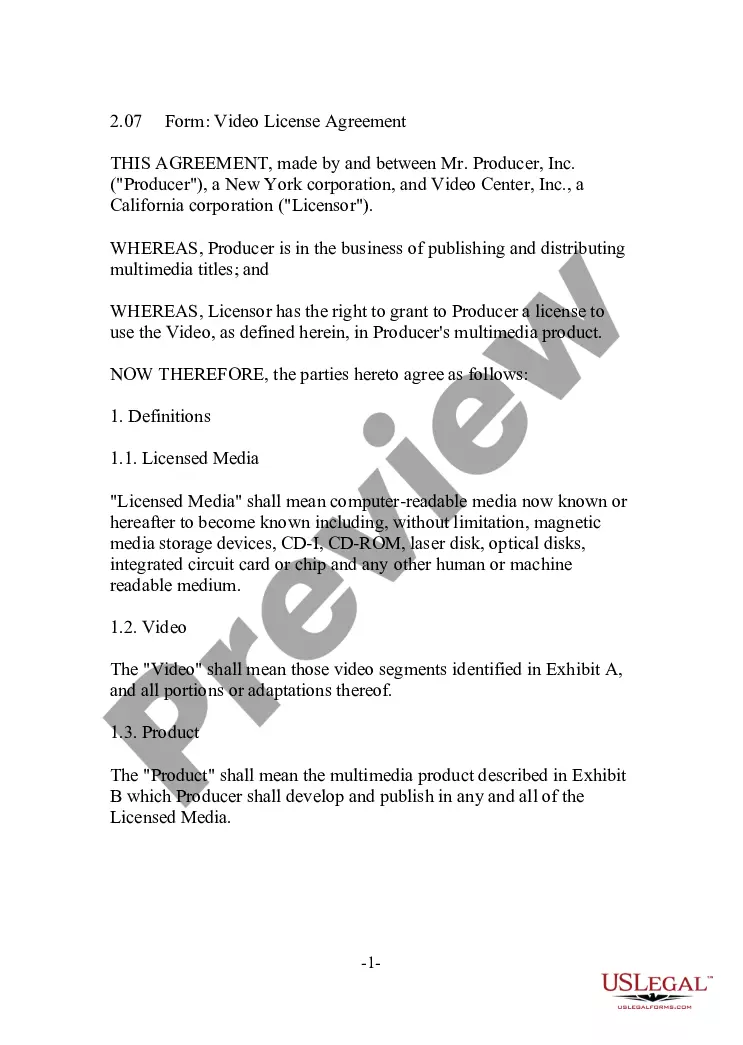
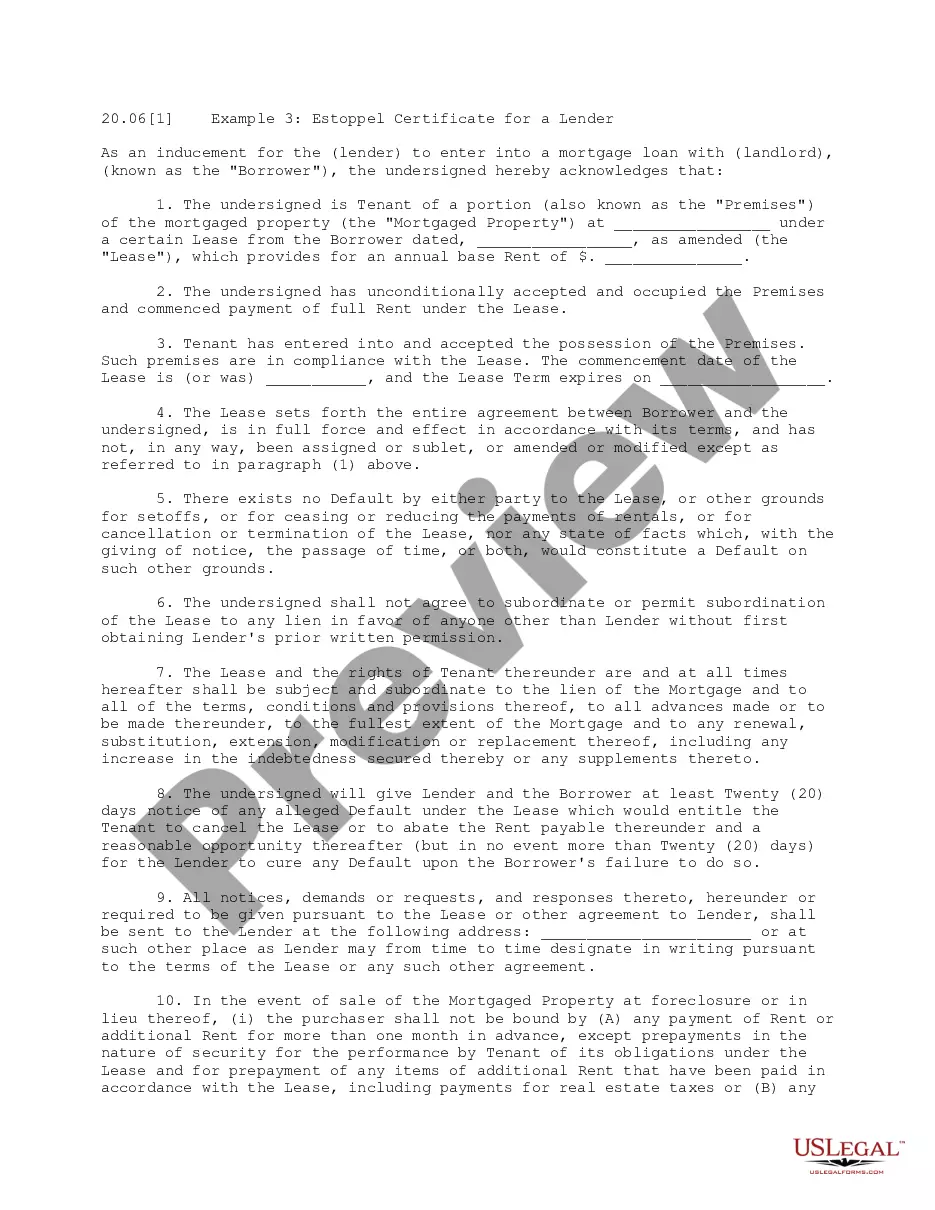
How to fill out Accounts Receivable - Contract To Sale?
Creating legal documents from the ground up can occasionally be daunting.
Certain cases may entail extensive research and considerable expenses.
If you’re searching for a more straightforward and cost-effective method of drafting Accounts Receivable Contract With Recourse or any other papers without unnecessary hurdles, US Legal Forms is readily available for you.
Our online collection of more than 85,000 current legal forms addresses nearly every aspect of your financial, legal, and personal needs. With just a few clicks, you can promptly access templates that are compliant with state and county regulations, meticulously prepared by our legal experts.
Ensure the template you select adheres to the laws and regulations of your state and county. Pick the appropriate subscription plan to obtain the Accounts Receivable Contract With Recourse. Download the document, fill it out, authenticate it, and print it. US Legal Forms has a solid reputation and over 25 years of experience. Join us now and simplify your form completion process!
- Utilize our site whenever you need dependable and trustworthy services to easily locate and download the Accounts Receivable Contract With Recourse.
- If you’re familiar with our services and have already created an account with us, simply Log In, select the template, and download it or re-download it anytime in the My documents section.
- Not yet a member? No problem. Registration takes only a few minutes, and you can explore the catalog.
- Before jumping directly to downloading the Accounts Receivable Contract With Recourse, keep these suggestions in mind.
- Examine the form preview and descriptions to confirm that you've identified the right document.
Form popularity
FAQ
In accounting, recourse refers to the right of a lender or seller to reclaim an asset if the borrower or buyer defaults on their obligation. This term often appears in financing arrangements, such as accounts receivable contracts with recourse, where the seller retains some responsibility for the collection of receivables. Recognizing how recourse functions in accounting can help businesses make informed decisions about managing their assets and liabilities.
The 5 C's of accounts receivable management are character, capacity, capital, conditions, and collateral. Understanding these elements is crucial when working with an accounts receivable contract with recourse. Character refers to the trustworthiness of the borrower, while capacity assesses their ability to repay. Capital indicates the financial resources available, conditions describe the economic environment, and collateral provides security for the lender.
In accounting, 'with recourse' refers to an accounts receivable contract that allows the seller to reclaim the receivables if the buyer defaults. This means that the seller retains some level of risk associated with the debt, as they can seek repayment from the borrower. Understanding this concept is crucial when entering into an accounts receivable contract with recourse, as it impacts the overall risk assessment and financial planning.
With recourse factoring, you're responsible for the debt if your customers don't pay. With non-recourse factoring, the factoring company accepts the loss for nonpayment.
There are three accounts which need to be created to account for a factoring relationship based on With Recourse Conditions, including the following: FIZ ? Factored Invoices Sold: a contra asset account. FIR ? Factored Invoice Reserve: an asset account. FFE ? Factored Fees Expense: an expense account.
With recourse factoring finance if an invoice is unpaid or paid late to the factor then it is up to the company to buy back the invoices and either settle the debt or chase up payment with its customers.
What is receivables recourse? Recourse factoring involves pledging a company's invoices in exchange for an immediate cash advance. Any non-performing accounts receivable must be paid off by the company or the owners should the factor request payment of the non-performing accounts.