Vehicle Agreement With Employee In Texas
Description

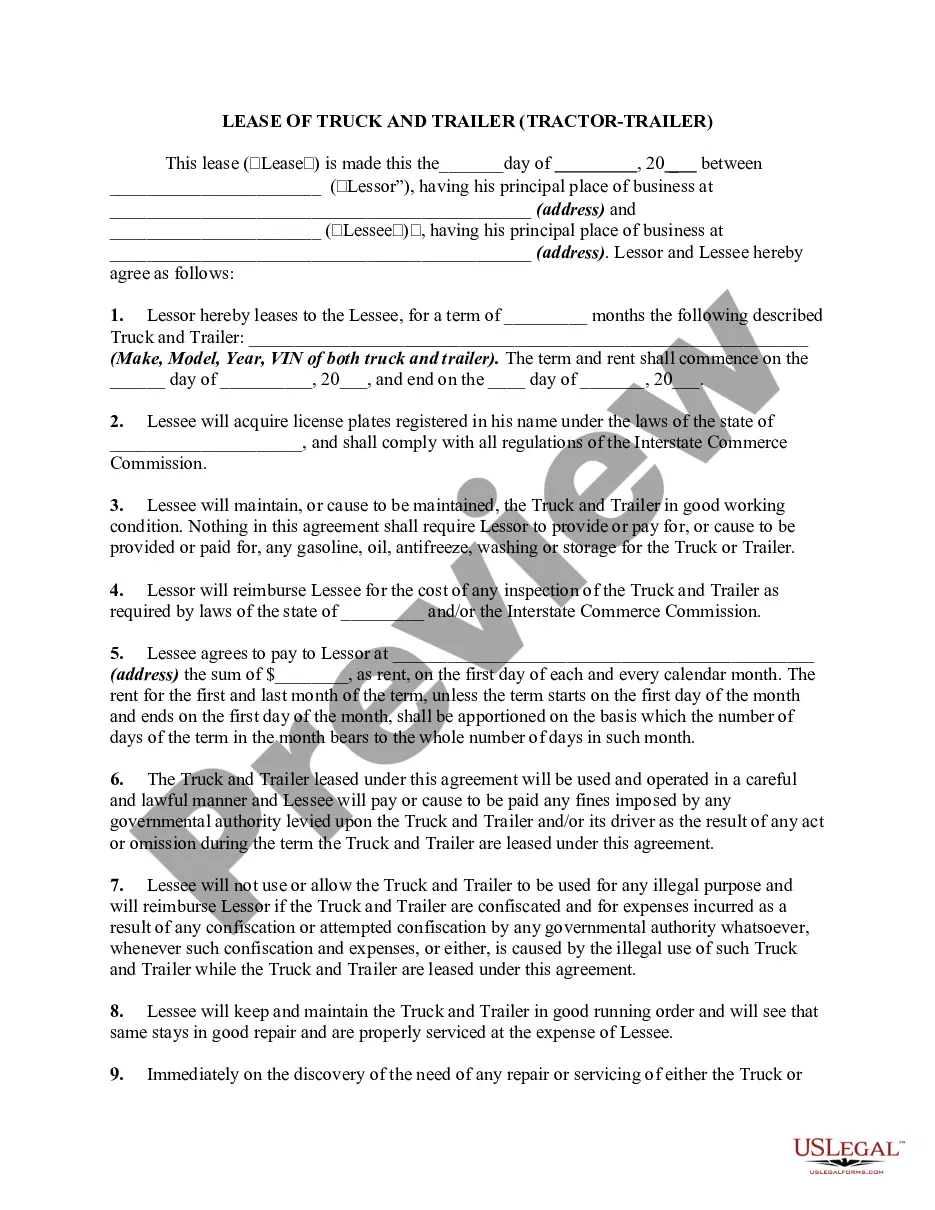
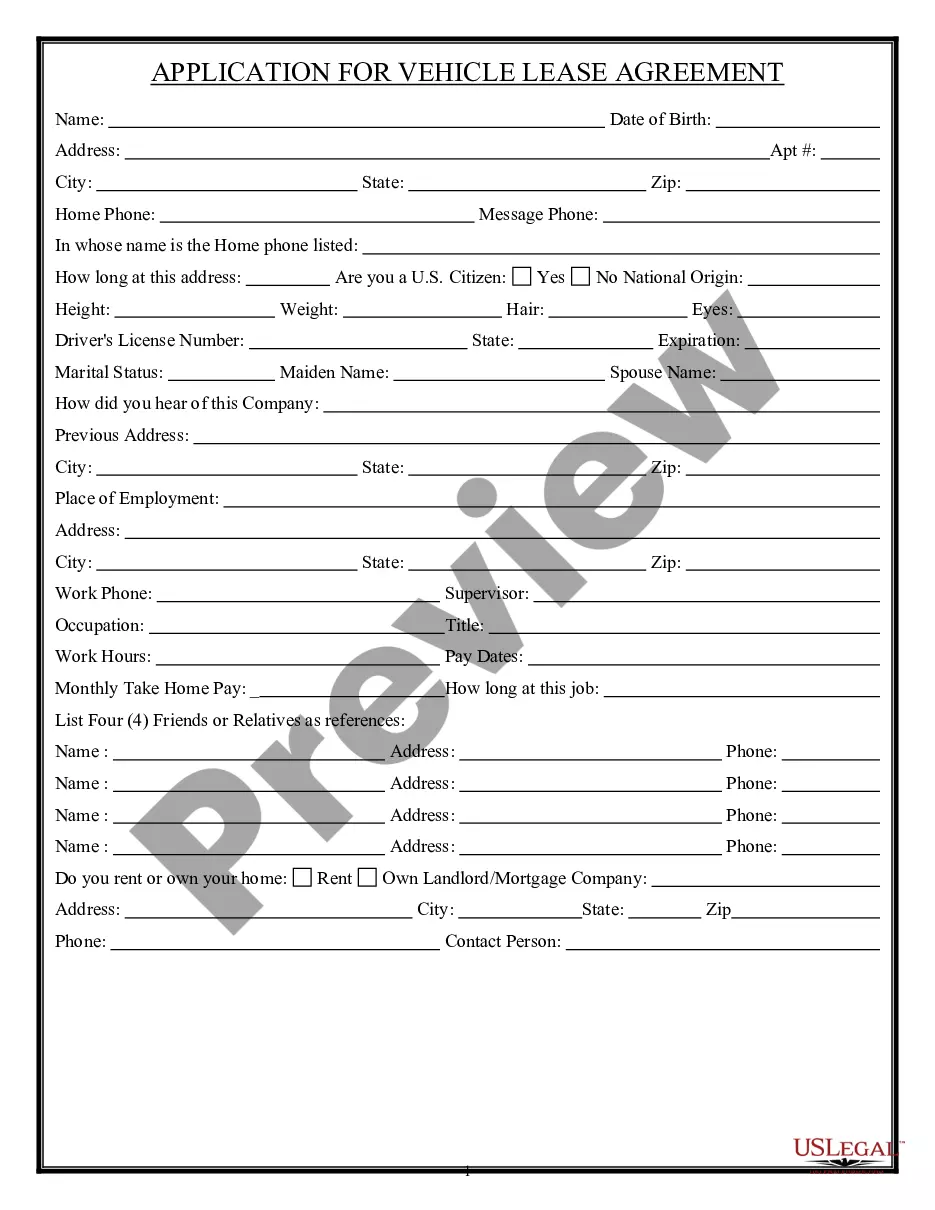
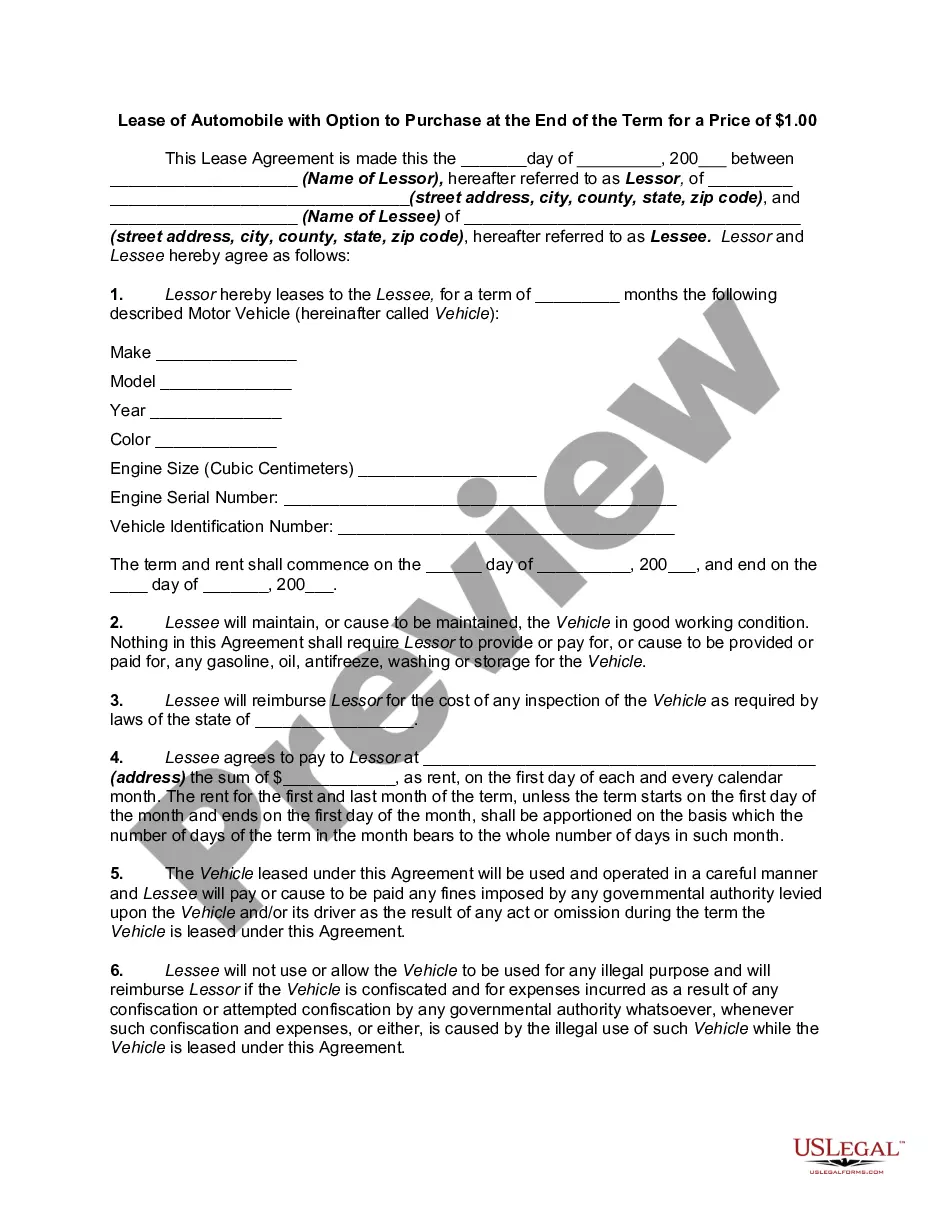
Get your form ready online
Our built-in tools help you complete, sign, share, and store your documents in one place.
Make edits, fill in missing information, and update formatting in US Legal Forms—just like you would in MS Word.
Download a copy, print it, send it by email, or mail it via USPS—whatever works best for your next step.
Sign and collect signatures with our SignNow integration. Send to multiple recipients, set reminders, and more. Go Premium to unlock E-Sign.
If this form requires notarization, complete it online through a secure video call—no need to meet a notary in person or wait for an appointment.
We protect your documents and personal data by following strict security and privacy standards.

Make edits, fill in missing information, and update formatting in US Legal Forms—just like you would in MS Word.

Download a copy, print it, send it by email, or mail it via USPS—whatever works best for your next step.

Sign and collect signatures with our SignNow integration. Send to multiple recipients, set reminders, and more. Go Premium to unlock E-Sign.

If this form requires notarization, complete it online through a secure video call—no need to meet a notary in person or wait for an appointment.

We protect your documents and personal data by following strict security and privacy standards.
Looking for another form?






Form popularity
FAQ
No driver may pick up or transport non-employees while in a Company vehicle or on Company business, unless there is a work-related need to do so. Any illegal, dangerous, or other conduct while driving that would tend to place the lives or property of others at risk is prohibited.
If you use a motor vehicle for both employment and personal use, you can deduct only the percentage of expenses related to earning income. To support the amount you can deduct, keep a record of both the total kilometres you drove and the kilometres you drove to earn employment income.
Many businesses have company cars that they own or lease for employee use. These vehicles are typically for business purposes, but many employers also allow them for personal use. Some company cars are take-home vehicles, allowing employees to commute to the office conveniently.
How much is a car allowance? The current, reasonable car allowance rate is 72¢ per kilometre for the first 5,000 kilometres driven, and 66 per km after that. Note that receiving a car allowance at a different per-kilometre rate or as a lump sum might be taxed.
Personal driving is any driving of a motor vehicle provided by the employer for purposes not related to their employment. This includes driving between home to a regular place of employment. The CRA considers a regular place of employment to be any location where your employee regularly: Reports for work.
Although circumstances may vary, you do not necessarily need to be on the clock when using a company vehicle.
A company car is a vehicle provided by an employer for both business and private use. To justify the use of a company car, the employee is usually required to travel significantly for their role, such as a regional sales manager. Historically, company cars tended to be bought in bulk and the keys handed to an employee.
When a vehicle is to be titled in the name of an entity, the buyer may choose what ID information will be included on the 130-U title application form. The buyer may select either their own personal ID information, or they may select the EIN/FEIN of the business. One or the other must be entered on the 130-U.
An occupational driver license authorizes you to operate a non-commercial motor vehicle only in connection with: Work, Performance of essential household duties, or. School-related activities.