Trademark Law In Cambodia In Cook
Description

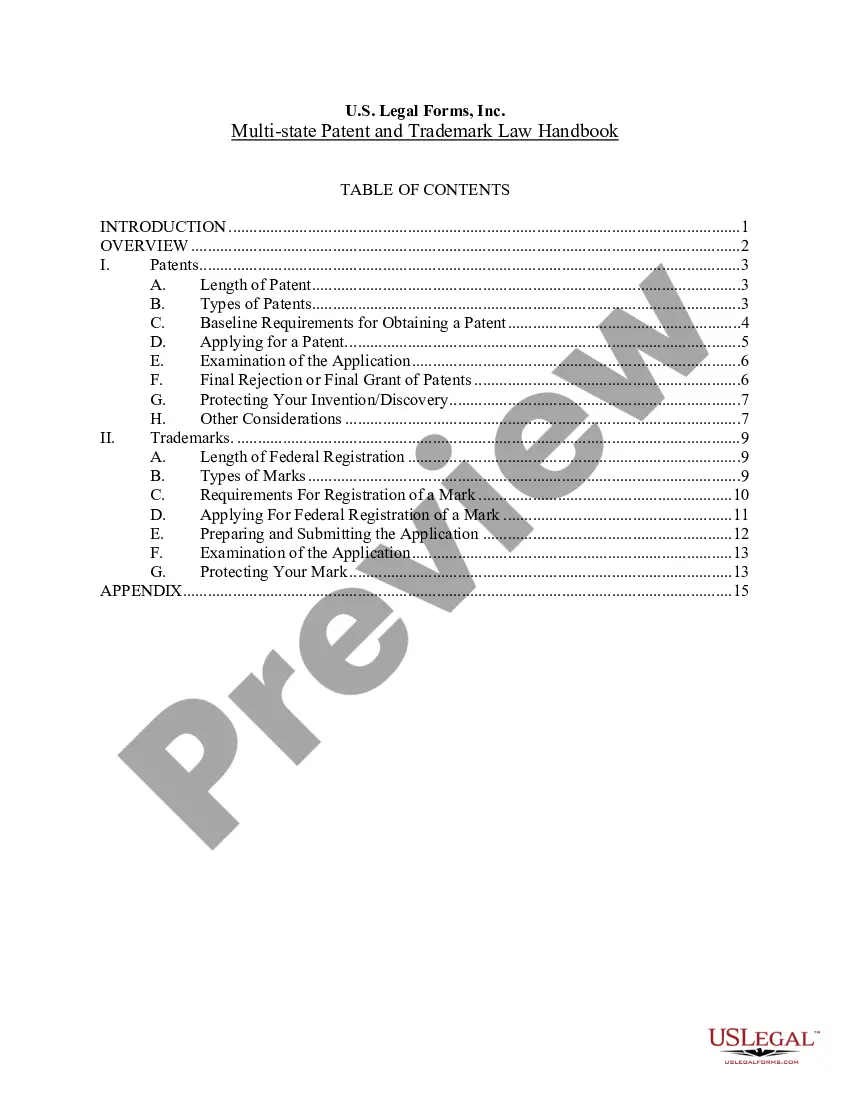
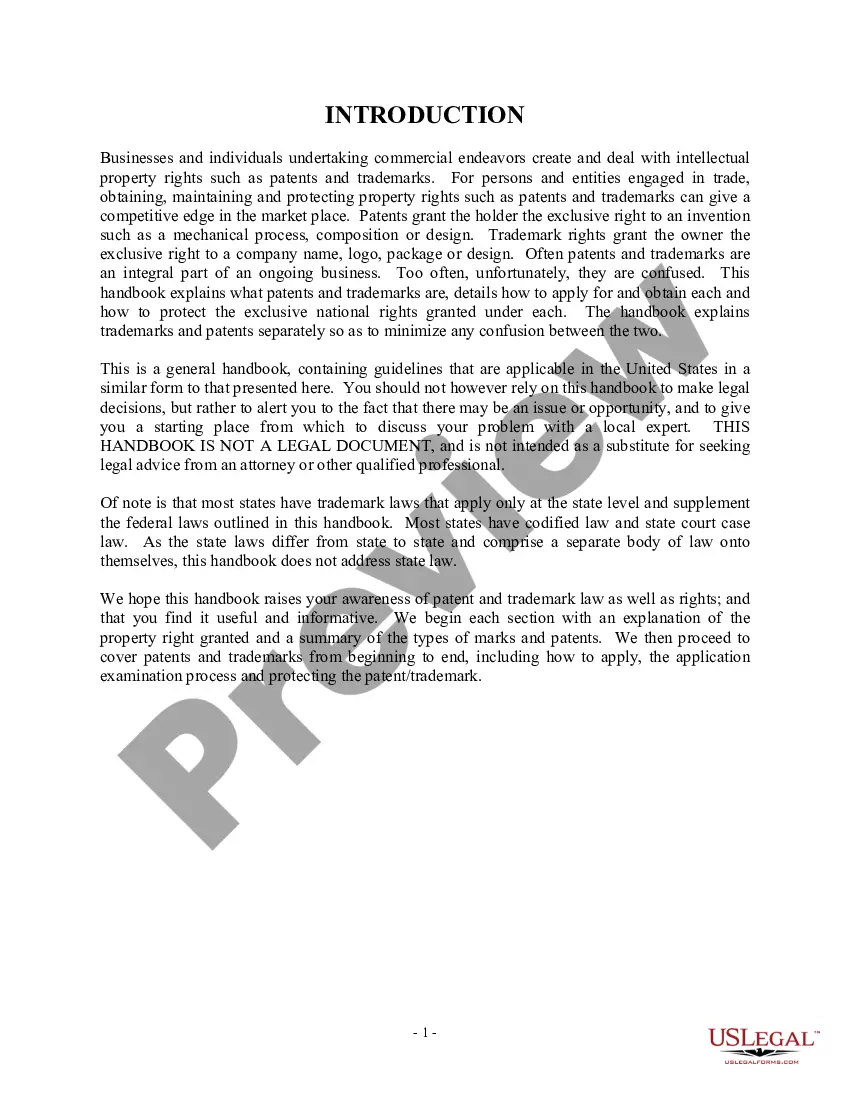
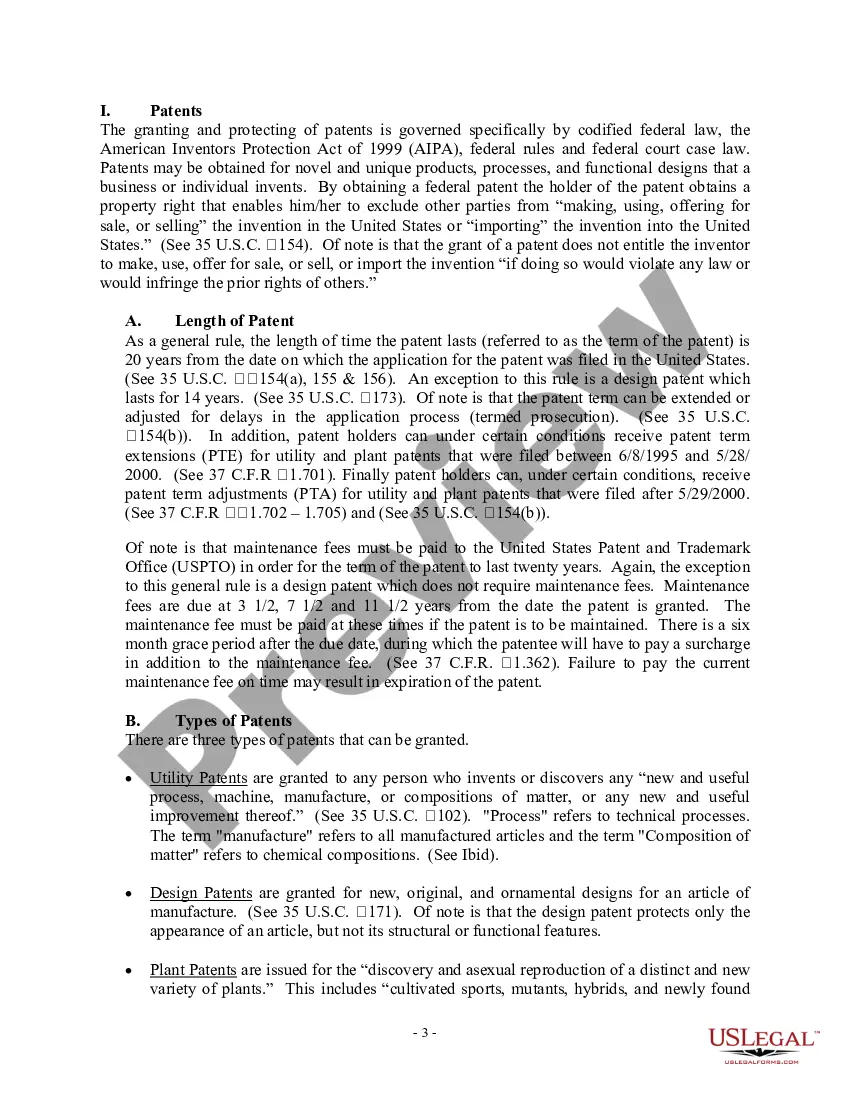


Get your form ready online
Our built-in tools help you complete, sign, share, and store your documents in one place.
Make edits, fill in missing information, and update formatting in US Legal Forms—just like you would in MS Word.
Download a copy, print it, send it by email, or mail it via USPS—whatever works best for your next step.
Sign and collect signatures with our SignNow integration. Send to multiple recipients, set reminders, and more. Go Premium to unlock E-Sign.
If this form requires notarization, complete it online through a secure video call—no need to meet a notary in person or wait for an appointment.
We protect your documents and personal data by following strict security and privacy standards.

Make edits, fill in missing information, and update formatting in US Legal Forms—just like you would in MS Word.

Download a copy, print it, send it by email, or mail it via USPS—whatever works best for your next step.

Sign and collect signatures with our SignNow integration. Send to multiple recipients, set reminders, and more. Go Premium to unlock E-Sign.

If this form requires notarization, complete it online through a secure video call—no need to meet a notary in person or wait for an appointment.

We protect your documents and personal data by following strict security and privacy standards.
Looking for another form?


Form popularity
FAQ
If your trademark is a name, word, or phrase, put TM or ® at the right side corner of your wordmark. Often, superscript is used so that it is in the upper-right side corner.
The TM symbol is used when an application for trademark is made with the trademark registry. The TM symbol is thus used to indicate the fact that a trademark application exists with respect to the trademark and serves as a warning for infringers and counter-fitters.
The symbol ® (often seen in superscript like this: ®) is used to provide notice to the public that a trademark or service mark is registered.
An international trade mark search can be conducted using the Global Brand Database or by checking individual country systems. Australian trade marks do not provide protection overseas. To secure international protection, you need to either use the Madrid System or file applications in your target countries.
Examples of acceptable specimens include, but may not be limited to, the following: Pictures of the good with label or tag attached, which shows the trademarked name; Pictures of the packaging accompanying the good(s) at issue; Pictures of a display showing the goods being offered for sale in a retail setting; or.
Trademark process Step 1: Is a trademark application right for you? ... Step 2: Get ready to apply. Step 3: Prepare and submit your application. Step 4: Work with the assigned USPTO examining attorney. Step 5: Receive approval/denial of your application. Step 6: Maintain your registration.
Trademark process Step 1: Is a trademark application right for you? ... Step 2: Get ready to apply. Step 3: Prepare and submit your application. Step 4: Work with the assigned USPTO examining attorney. Step 5: Receive approval/denial of your application. Step 6: Maintain your registration.
The Cambodian legal system is a statutory law system, which means it is mostly based on written law passed by the legislature. Sources of law in Cambodia can be classified into primary sources and secondary sources. Primary sources include the formal laws issued by State authorities.
Countries with the Longest Copyright Duration Mexico: As of 2023, Mexico is the country with the longest-lasting copyrights. Mexican copyrights last the creator's entire life plus an additional 100 years but are non-extendable past that duration. Spain: In Spain, copyrights last the life of the creator plus 80 years.
This protection covers the life of the author, and the whole 50 (fifty) years following his/her decease. In the case of a work of collaboration, the economic rights shall be protected during the life of the last surviving author and for 50 (fifty) years after his/her death.
