Best Cover Letter For Cv In Massachusetts
Description

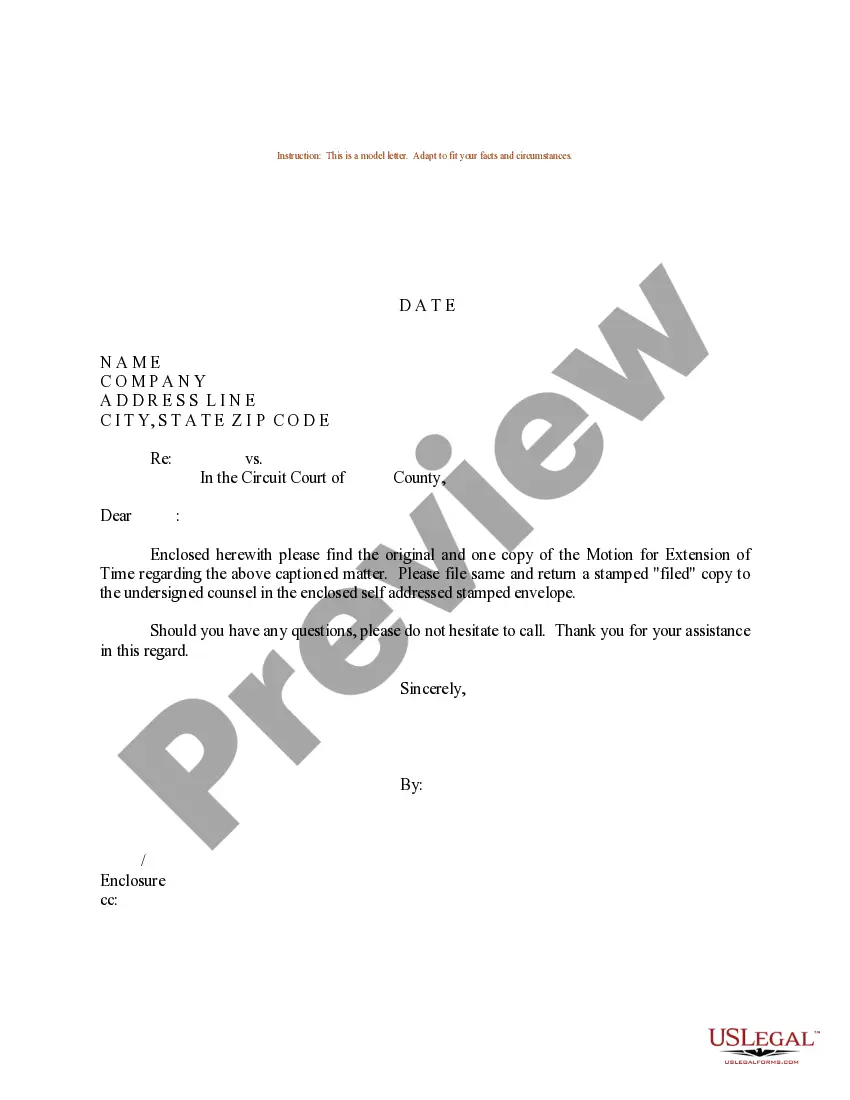
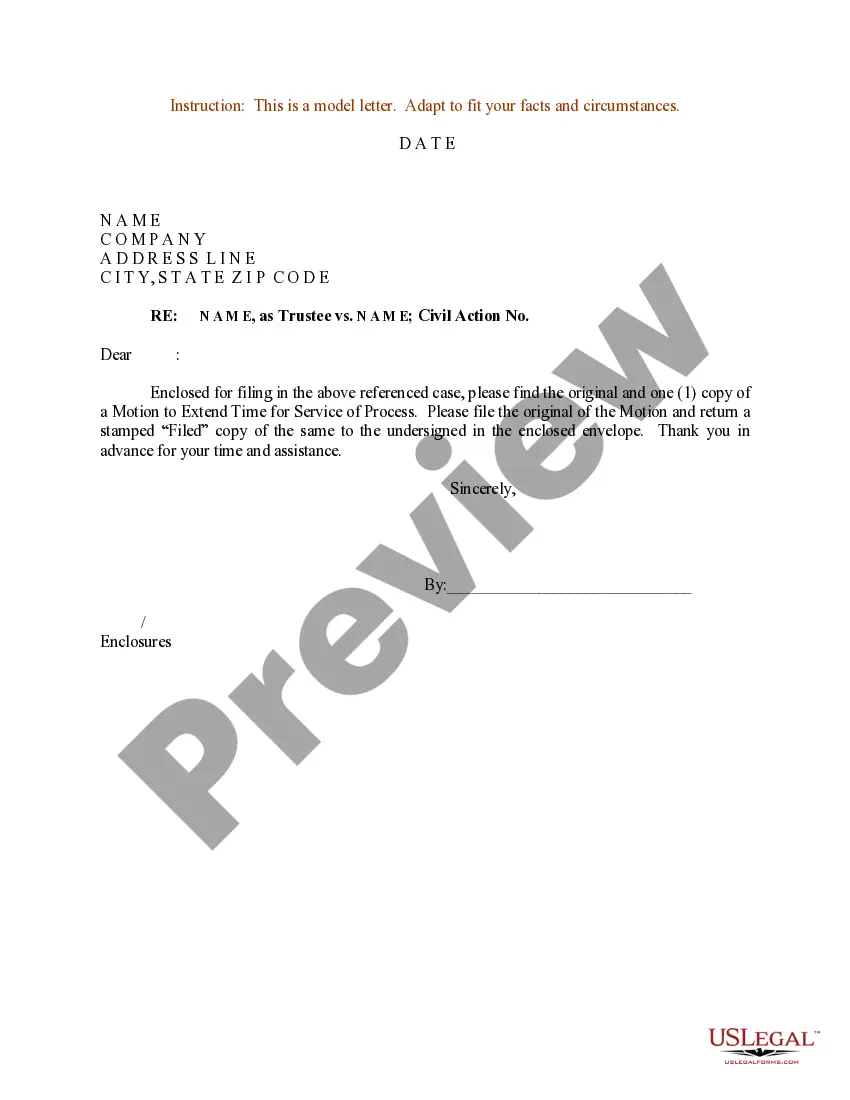
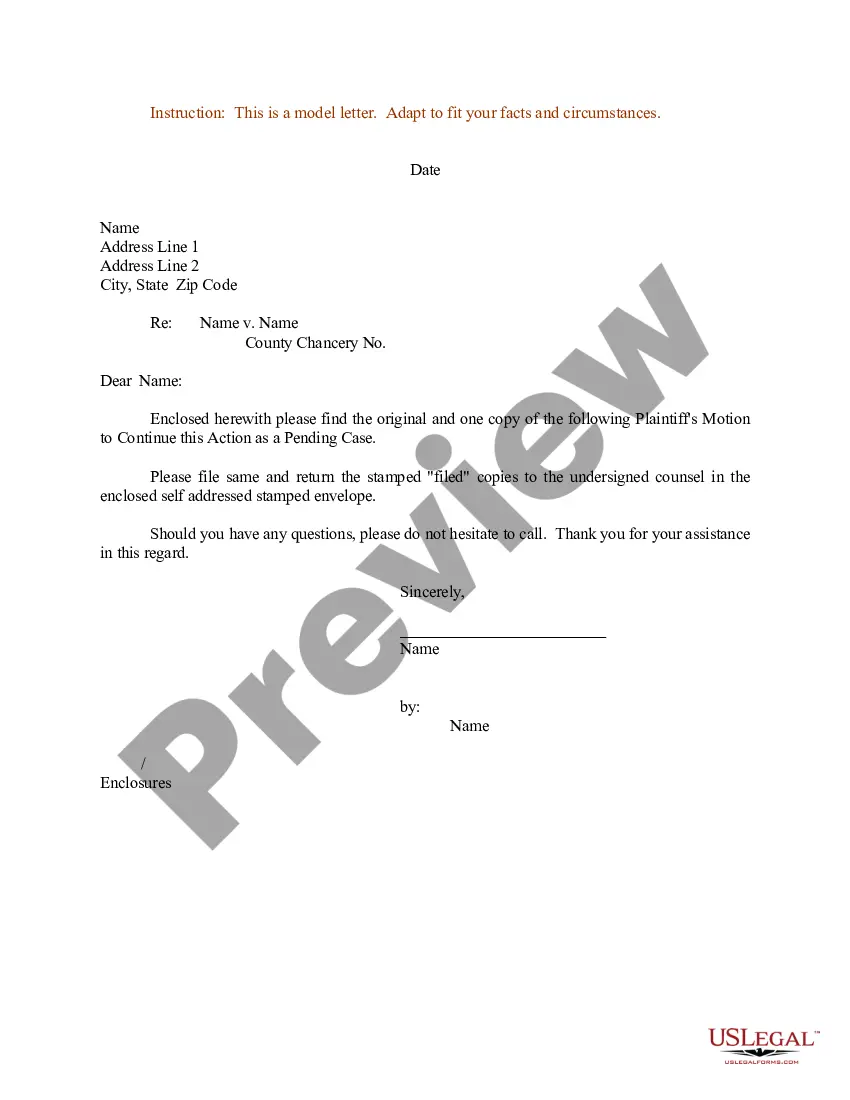
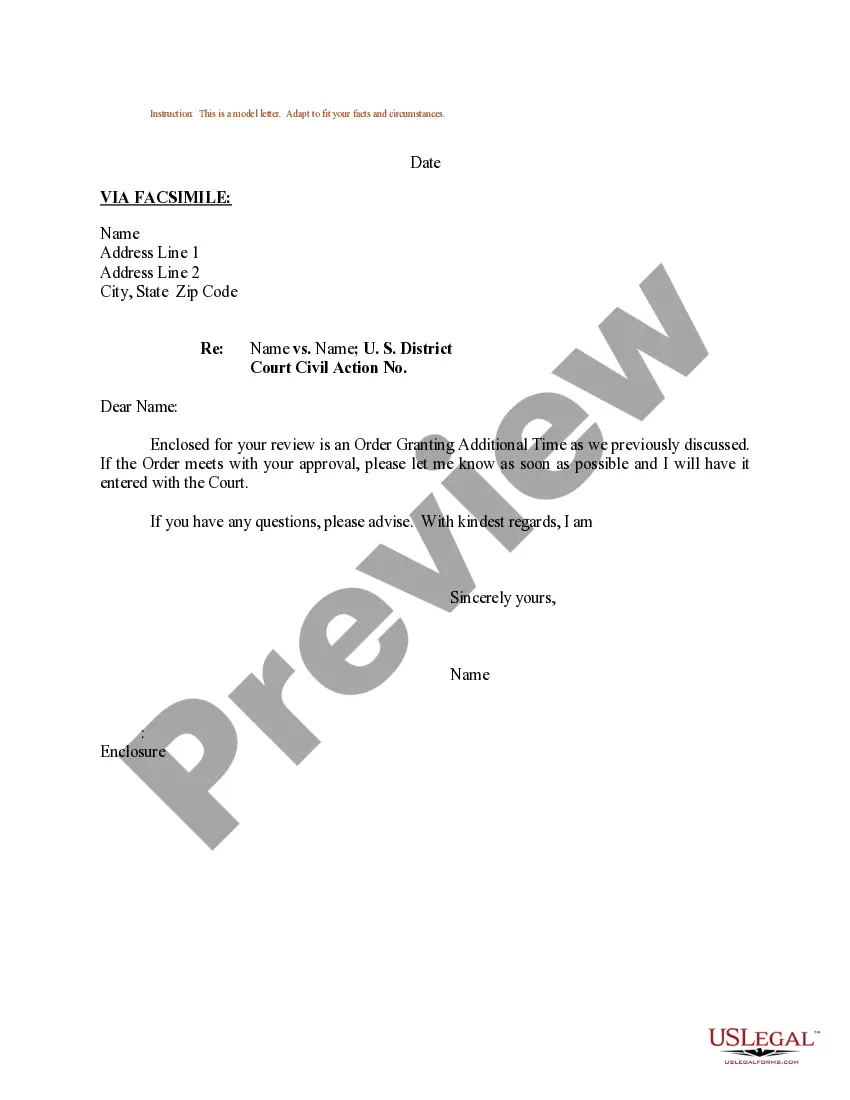
Get your form ready online
Our built-in tools help you complete, sign, share, and store your documents in one place.
Make edits, fill in missing information, and update formatting in US Legal Forms—just like you would in MS Word.
Download a copy, print it, send it by email, or mail it via USPS—whatever works best for your next step.
Sign and collect signatures with our SignNow integration. Send to multiple recipients, set reminders, and more. Go Premium to unlock E-Sign.
If this form requires notarization, complete it online through a secure video call—no need to meet a notary in person or wait for an appointment.
We protect your documents and personal data by following strict security and privacy standards.

Make edits, fill in missing information, and update formatting in US Legal Forms—just like you would in MS Word.

Download a copy, print it, send it by email, or mail it via USPS—whatever works best for your next step.

Sign and collect signatures with our SignNow integration. Send to multiple recipients, set reminders, and more. Go Premium to unlock E-Sign.

If this form requires notarization, complete it online through a secure video call—no need to meet a notary in person or wait for an appointment.

We protect your documents and personal data by following strict security and privacy standards.
Looking for another form?




Form popularity
FAQ
Writing a Stand-Out Cover Letter Start fresh for each position you're applying to. Address your letter to a real person. Adopt a positive mindset. Grab attention with your opening line. Explain why you're the best candidate. Show them why you want THIS job. Finish strong. Sit on it.
Elements of a Cover Letter FIRST PARAGRAPH OR INTRODUCTION: ACTS AS BASIS OR PURPOSE OF THE LETTER. SECOND PARAGRAPH OR BODY: SUPPORTS YOUR CLAIMS FOR BEING THE RIGHT CANDIDATE FOR THIS POSITION/ORGANIZATION. THIRD PARAGRAPH OR CLOSING: REITERATES YOUR INTEREST IN THE POSITION/ORGANIZATION.
Make sure you have tailored your CV to the role you're applying for. Avoid using the same CV or cover letter for every application – it should be specific to the role and company you are applying for. Don't make it too long – CVs should be kept to two pages. Avoid long paragraphs and keep your sentences short.
With your cover letter, you'll aim to: Highlight your qualifications: You'll show how your skills and experience relate to the employer's needs for a specific position. Showcase your motivation: You'll demonstrate your enthusiasm for the specific position and the organization.
Here are some expert tips to help you create the best cover letter possible: Research the company. Tailor it to the job. Don't just repeat what's on your resume. Be excited, but not desperate. Keep it concise. Check your formatting. Proofread carefully. Ask for feedback.
Example: General Career Change Cover Letter Dear Hiring Manager's Name, I am excited to apply for the Position at Company, transitioning from a career in Current Industry to New Industry. My experience in Current Industry has equipped me with valuable skills that I am eager to apply in New Industry.
It's generally preferred to submit the cover letter and CV as separate documents, allowing each to be reviewed independently. This ensures clarity and makes it easier for recruiters to navigate your application materials. For more advice on job application etiquette, check out my Quora Profile.
Tell how your skills and personal qualities match the employer's needs. Focus on what you can do for the employer and how you contribute to the organization. Show you have researched the company double check those facts. Be specific avoid general statements.
Your cover letter should articulate your qualifications and motivation for the position. Read the job description closely and research the organization. As you craft your cover letter, use examples that demonstrate your relevant skills, knowledge, and interests.
Beyond that, Siegel boils down the most important things to include in a cover letter to three points. "Show enthusiasm, show you've done research, and show you want to come in there and make a contribution," he says.

