Best Application Letter For Job Vacancy In Nigeria In Illinois
Description

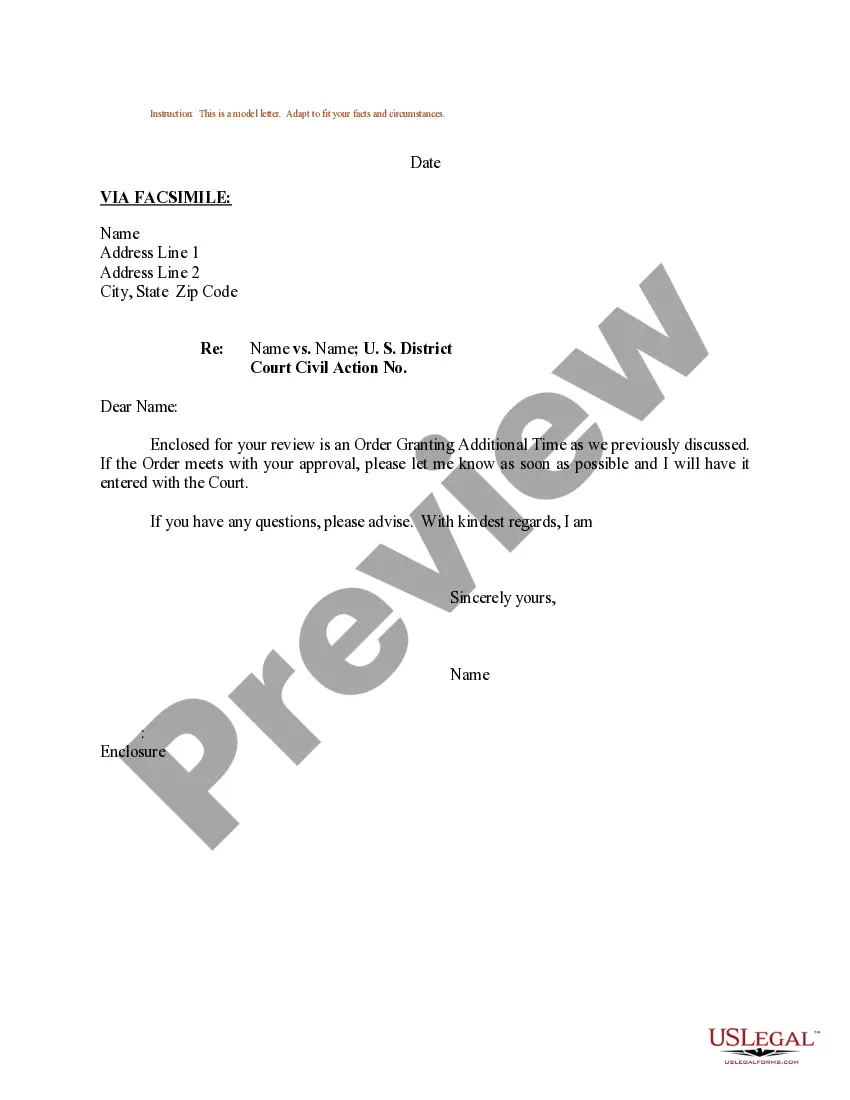
Get your form ready online
Our built-in tools help you complete, sign, share, and store your documents in one place.
Make edits, fill in missing information, and update formatting in US Legal Forms—just like you would in MS Word.
Download a copy, print it, send it by email, or mail it via USPS—whatever works best for your next step.
Sign and collect signatures with our SignNow integration. Send to multiple recipients, set reminders, and more. Go Premium to unlock E-Sign.
If this form requires notarization, complete it online through a secure video call—no need to meet a notary in person or wait for an appointment.
We protect your documents and personal data by following strict security and privacy standards.

Make edits, fill in missing information, and update formatting in US Legal Forms—just like you would in MS Word.

Download a copy, print it, send it by email, or mail it via USPS—whatever works best for your next step.

Sign and collect signatures with our SignNow integration. Send to multiple recipients, set reminders, and more. Go Premium to unlock E-Sign.

If this form requires notarization, complete it online through a secure video call—no need to meet a notary in person or wait for an appointment.

We protect your documents and personal data by following strict security and privacy standards.
Looking for another form?



Form popularity
FAQ
A header with the date and your contact information. A greeting that tells the reader who the letter is for (if possible) An opening paragraph that says why you are writing and why you want the job. Body paragraphs that show your relevant skills and experiences and explain how they match the job's needs.
Your cover letter should accomplish the following: Introduce yourself to the hiring managers. Provide details about your qualifications. Tell employers why you want to work for them. Illustrate why you're the best match for the job. Explain circumstances like job hopping or gaps in employment.
Tips to write a job application letter: Mention the job position you are applying for and where you found the information about the job opening. Introduce yourself and highlight your skills and qualifications. State strongly why you would be right for the job. Use a polite tone throughout your letter.
A header with the date and your contact information. A greeting that tells the reader who the letter is for (if possible) An opening paragraph that says why you are writing and why you want the job. Body paragraphs that show your relevant skills and experiences and explain how they match the job's needs.
Dear Hiring Manager's Name or Hiring Manager, I'm writing to express my interest in any open position at Company Name. With a strong work ethic, adaptability, and a commitment to making a positive contribution to team goals, I believe I can be a valuable asset to your organization.
How to write an application letter Research the company and job opening. Use a professional format. State the position you're applying for. Explain why you're the best fit for the job. Summarize your qualifications. Mention why you want the job. Include a professional closing.
The main letter writing format includes: Sender's Address. Date. Date. Name / Designation of Addressee. Address of the Addressee. Salutation. Subject. Body Introduction, Content, Conclusion
There are different ways to request an employment verification letter from a current or former employer: Ask your supervisor or manager. Contact Human Resources. Get a template from the company or organization requesting the letter. Use an employment verification service.
How to request a letter of employment Find out who to request a letter of employment from. Follow your company's procedure for requesting a letter. Include your contact information. Clearly state the details you need to be included. Provide the recipient's contact information. Give your employer enough notice.
Write a compelling introduction. Assert your interest in the role or company. Emphasize your skills and experience. Demonstrate your research. Highlight measurable accomplishments. Tell your professional story. Mention a shared contact.