Best Cover Letter With Resume In Franklin
Description

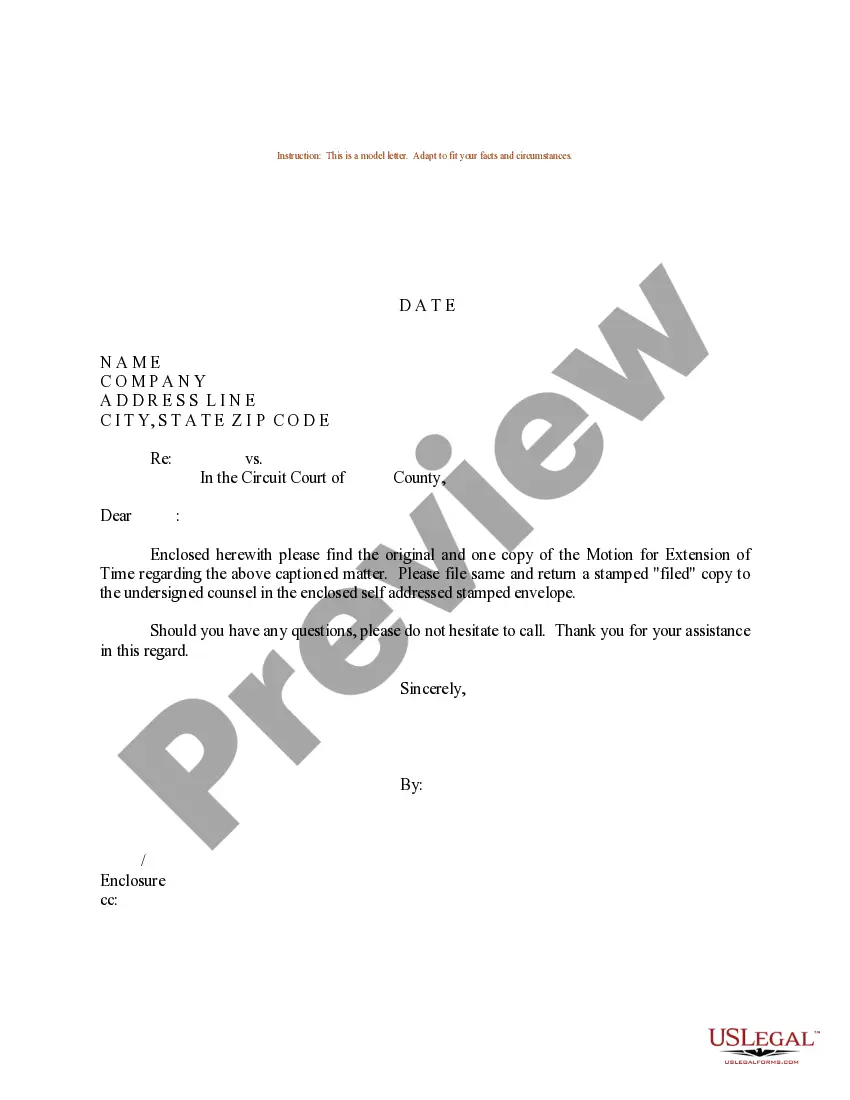

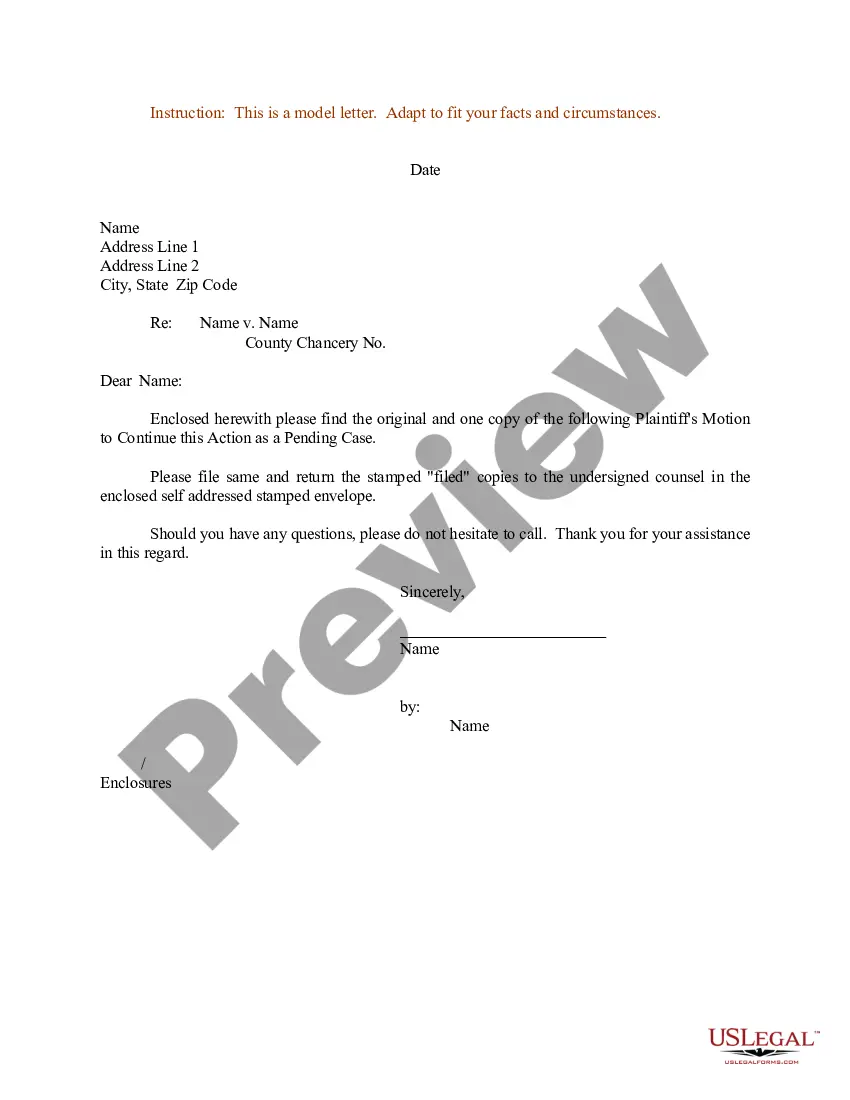
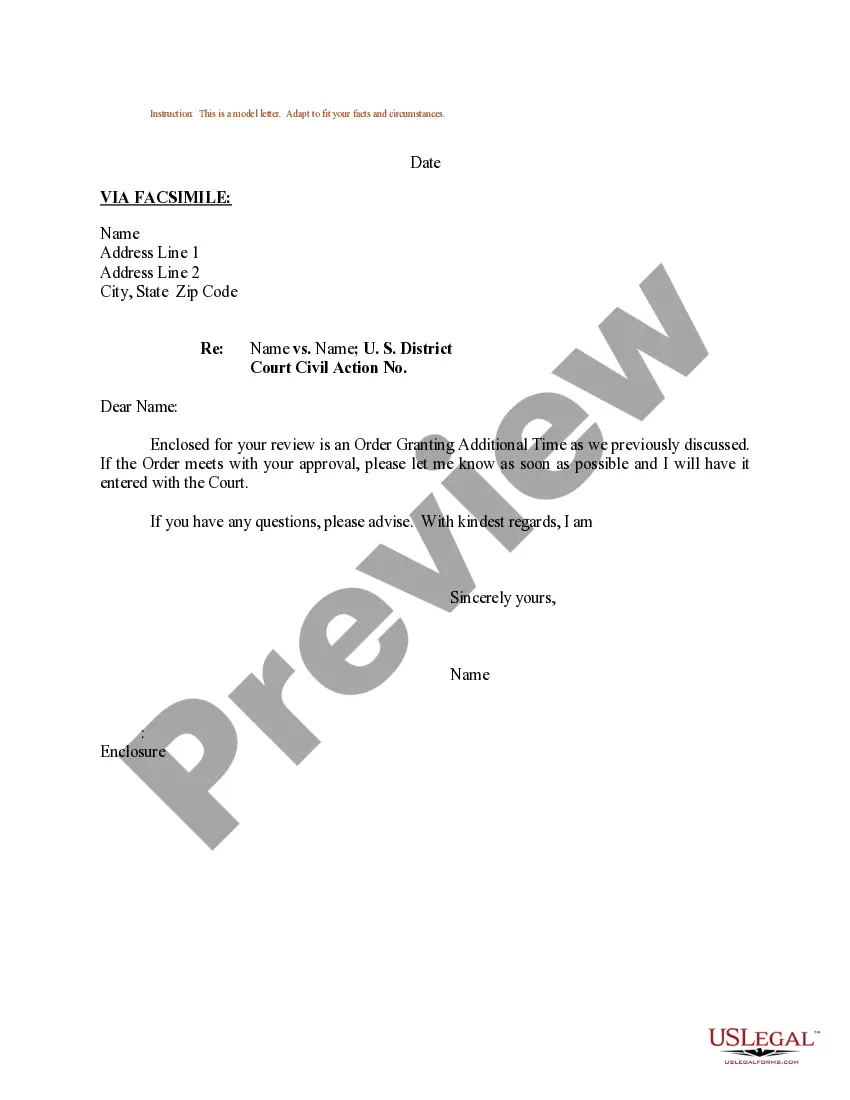
Get your form ready online
Our built-in tools help you complete, sign, share, and store your documents in one place.
Make edits, fill in missing information, and update formatting in US Legal Forms—just like you would in MS Word.
Download a copy, print it, send it by email, or mail it via USPS—whatever works best for your next step.
Sign and collect signatures with our SignNow integration. Send to multiple recipients, set reminders, and more. Go Premium to unlock E-Sign.
If this form requires notarization, complete it online through a secure video call—no need to meet a notary in person or wait for an appointment.
We protect your documents and personal data by following strict security and privacy standards.

Make edits, fill in missing information, and update formatting in US Legal Forms—just like you would in MS Word.

Download a copy, print it, send it by email, or mail it via USPS—whatever works best for your next step.

Sign and collect signatures with our SignNow integration. Send to multiple recipients, set reminders, and more. Go Premium to unlock E-Sign.

If this form requires notarization, complete it online through a secure video call—no need to meet a notary in person or wait for an appointment.

We protect your documents and personal data by following strict security and privacy standards.
Looking for another form?
Form popularity
FAQ
Cover letters should be a separate document unless otherwise specified – or you risk having your resume rejected. Assuming you know the specific position you're applying for, write your letter to that company and targeted to that position.
In some situations, an employer may request that you submit both application items as a single document so they can review them at once. Learning how to create a file that combines both a resume and a cover letter can help you prepare to apply for a new job and ensure that you adhere to the employer's preferences.
To keep your cover letter and your resume together, you can create them in the same document and use a separate section, with different information and formatting, for each.
Absolutely send the cover letter along with your resume to the email provided. It shows initiative and attention to detail. If you're looking to streamline your cover letter creation for future applications, check out tools like jobfly that can help tailor your cover letters efficiently.
The recruiter always read the cover letter first to find out information about you that might make you an eligible candidate for the job post and then proceed with your job resume.
It's generally not recommended to staple your resume and cover letter together. Here are a few reasons why: Professional Appearance: A resume and cover letter should be presented as separate documents to maintain a clean and professional look.
Follow these steps to combine your resume and cover letter into a single file: Determine which document to add first. Revise and review both documents. Open a new document. Insert each document into the new file. Create a page break. Confirm in an email. Use active verbs. Customize both parts of your application.
Once your email message is ready to send, you need to attach your resume and cover letter to your message: Click on Insert > Attach File.
Acceptable resume fonts include Calibri, Cambria, Garamond, Helvetica, Georgia, Tahoma, Verdana, Trebuchet MS, and Book Antiqua. Bad resume fonts include Times New Roman, Courier, Comic Sans, Papyrus, Impact, Futura, Lucida Console, and Arial. The ideal resume font size is between 10 and 12 pt.
The body of your cover letter should be three to five brief paragraphs, with the completed letter not exceeding one page. Your letter should follow the same general formatting as your resume (i.e., same font style and size).

