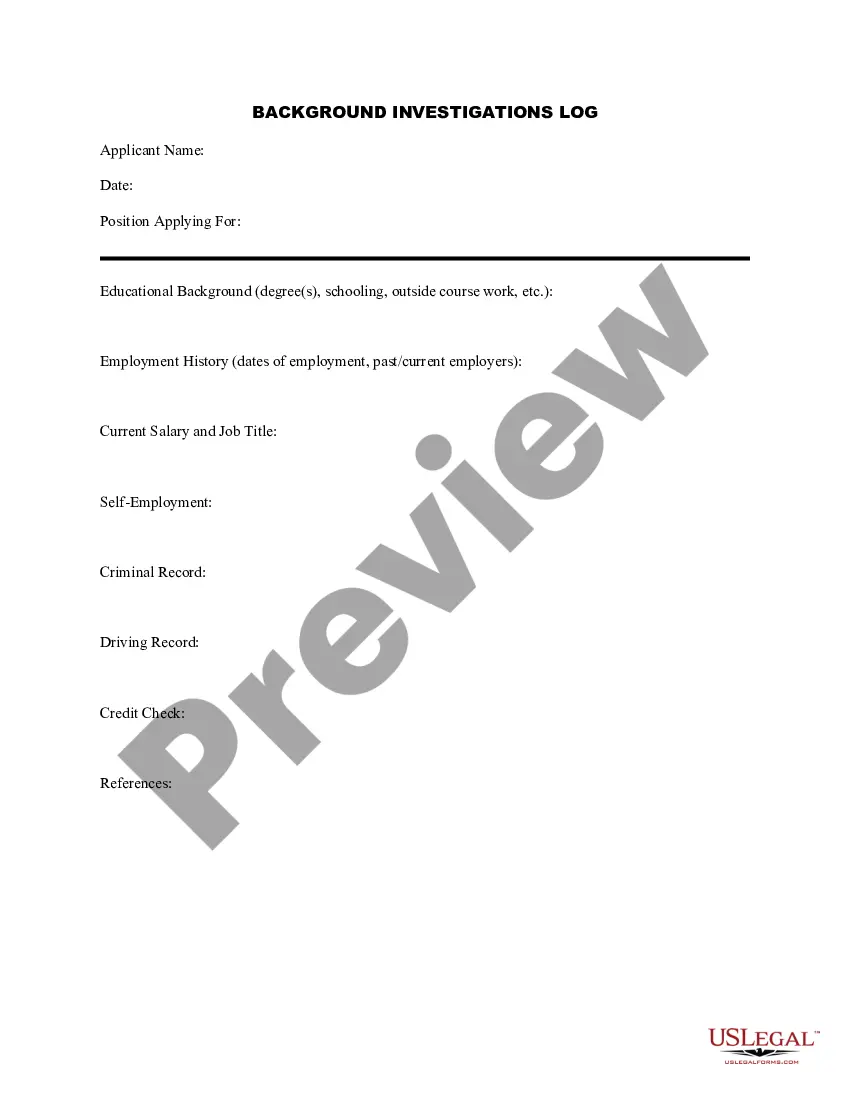
Account Stated Statement For Visa Application In Contra Costa
Description
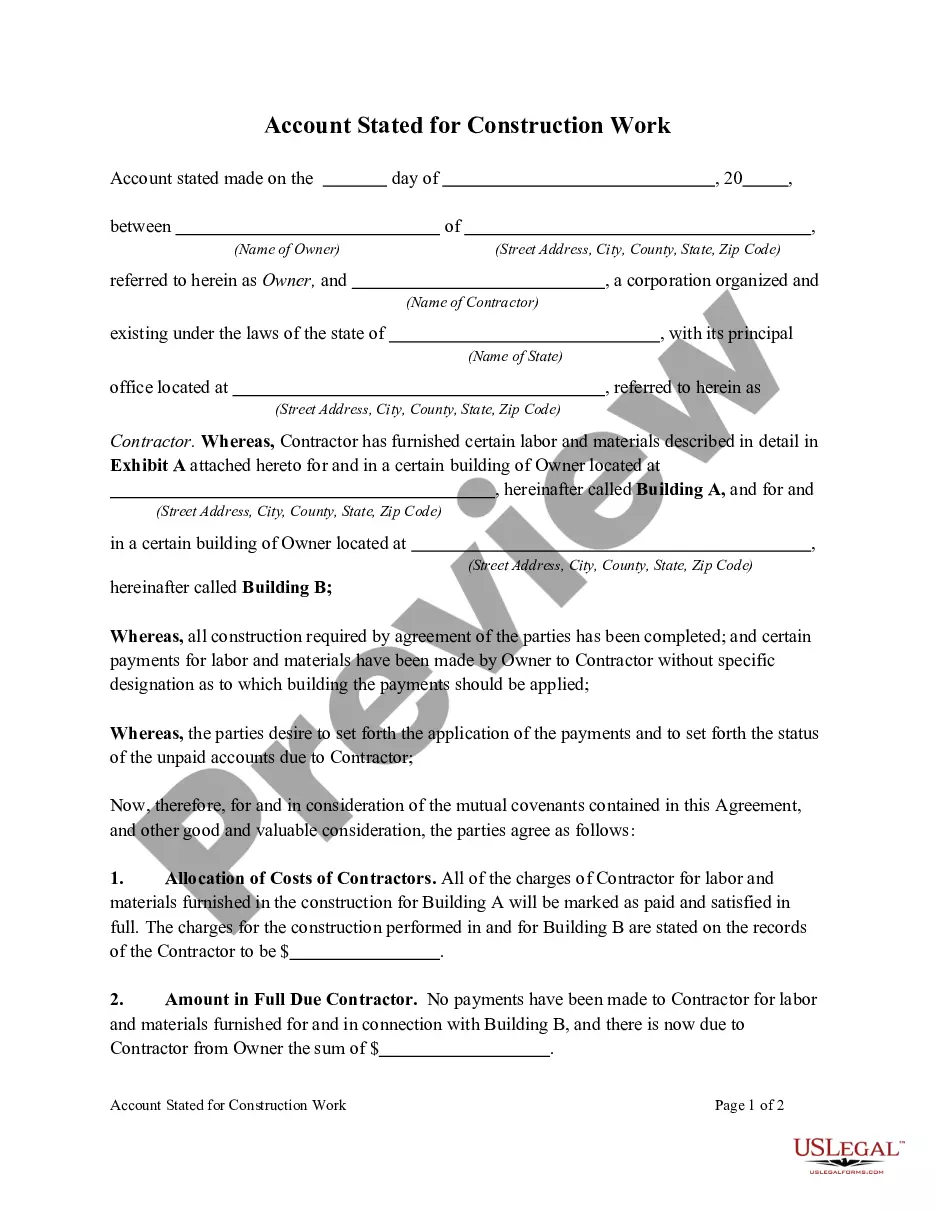
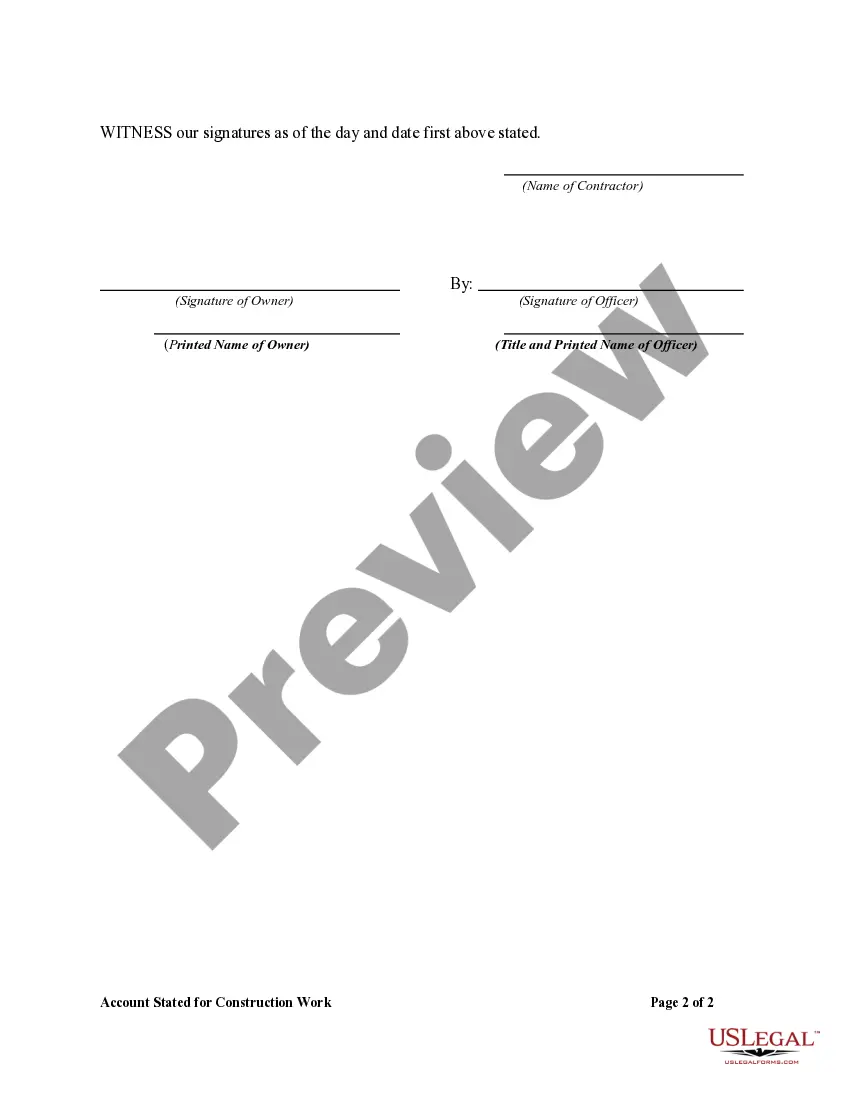
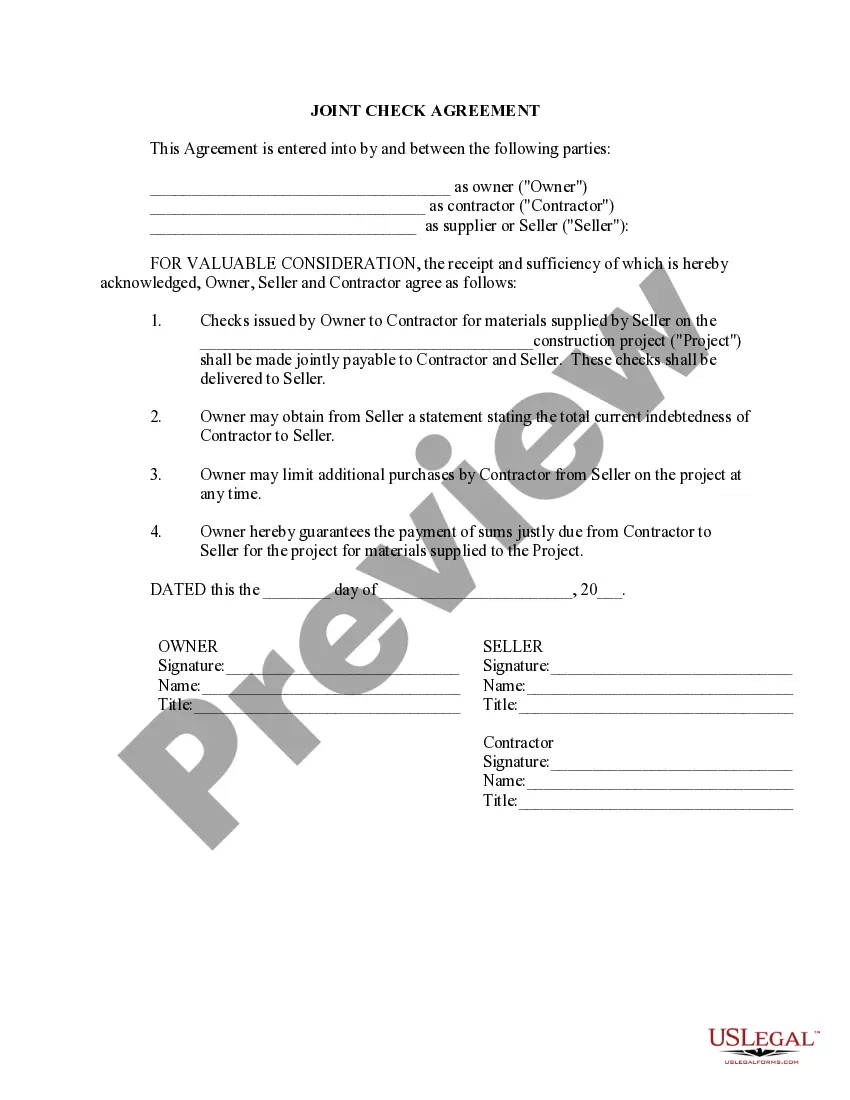
Get your form ready online
Our built-in tools help you complete, sign, share, and store your documents in one place.
Make edits, fill in missing information, and update formatting in US Legal Forms—just like you would in MS Word.
Download a copy, print it, send it by email, or mail it via USPS—whatever works best for your next step.
Sign and collect signatures with our SignNow integration. Send to multiple recipients, set reminders, and more. Go Premium to unlock E-Sign.
If this form requires notarization, complete it online through a secure video call—no need to meet a notary in person or wait for an appointment.
We protect your documents and personal data by following strict security and privacy standards.
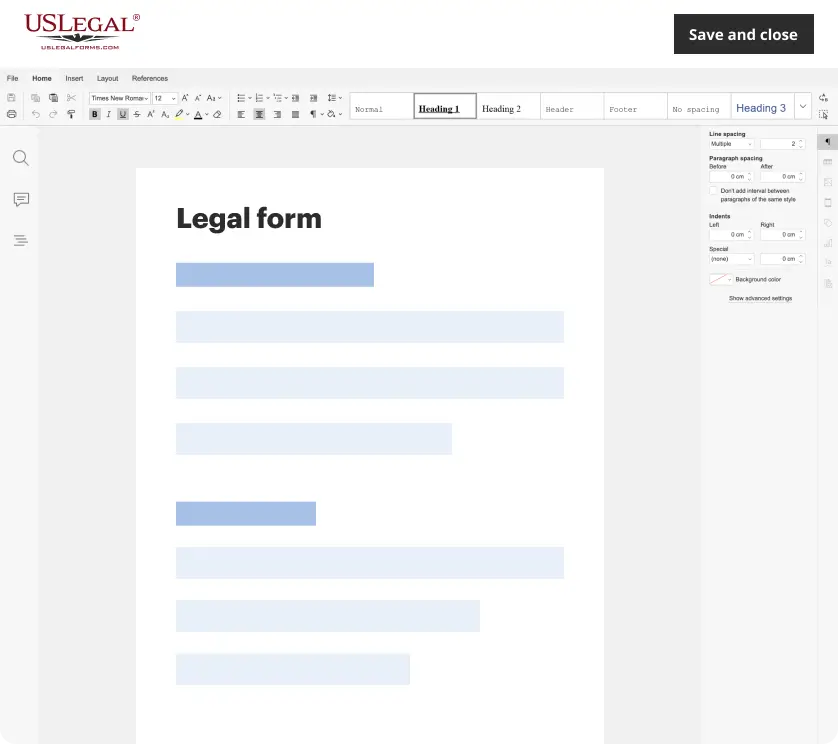
Make edits, fill in missing information, and update formatting in US Legal Forms—just like you would in MS Word.
Download a copy, print it, send it by email, or mail it via USPS—whatever works best for your next step.
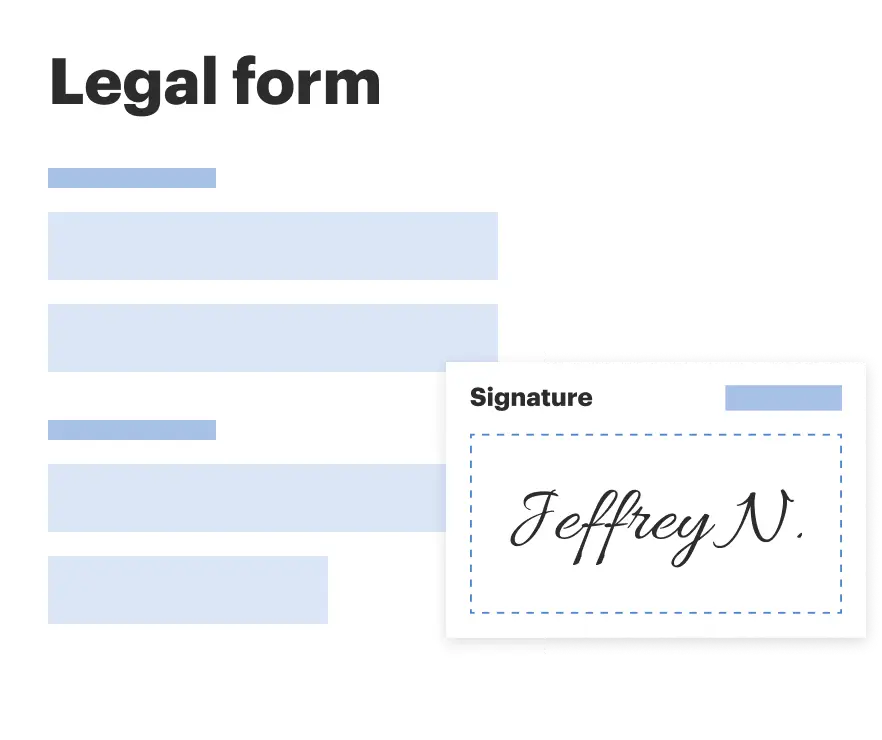
Sign and collect signatures with our SignNow integration. Send to multiple recipients, set reminders, and more. Go Premium to unlock E-Sign.
If this form requires notarization, complete it online through a secure video call—no need to meet a notary in person or wait for an appointment.
We protect your documents and personal data by following strict security and privacy standards.
Looking for another form?




Form popularity
FAQ
Although California courts have not yet weighed in on the issue, “federal courts applying California law have concluded that monthly credit card statements may form the basis for an account stated,” notwithstanding the existence of a written cardholder agreement. (Lauron, supra, 8 Cal.
An Account Stated establishes an implied contract, whereas a breach of contract traditionally refers to an expressly written contract. Account Stated is used when no contract exists or when the plaintiff cannot prove the existence of the contract.
Under California case law, an account stated is “an agreement, based on prior transactions between the parties, that the items of an account are true and that the balance struck is due and owing.” See Maggio, Inc. v. Neal, 196 Cal.
Essentially, an account stated is a new contract under which the parties to prior transactions agree to a new balance due. 6. Thus, a claim for an account stated is based not on the original transactions between the parties, but on the new, agreed upon contractual balance.