Notice Of Application For Discovery In Virginia
Description


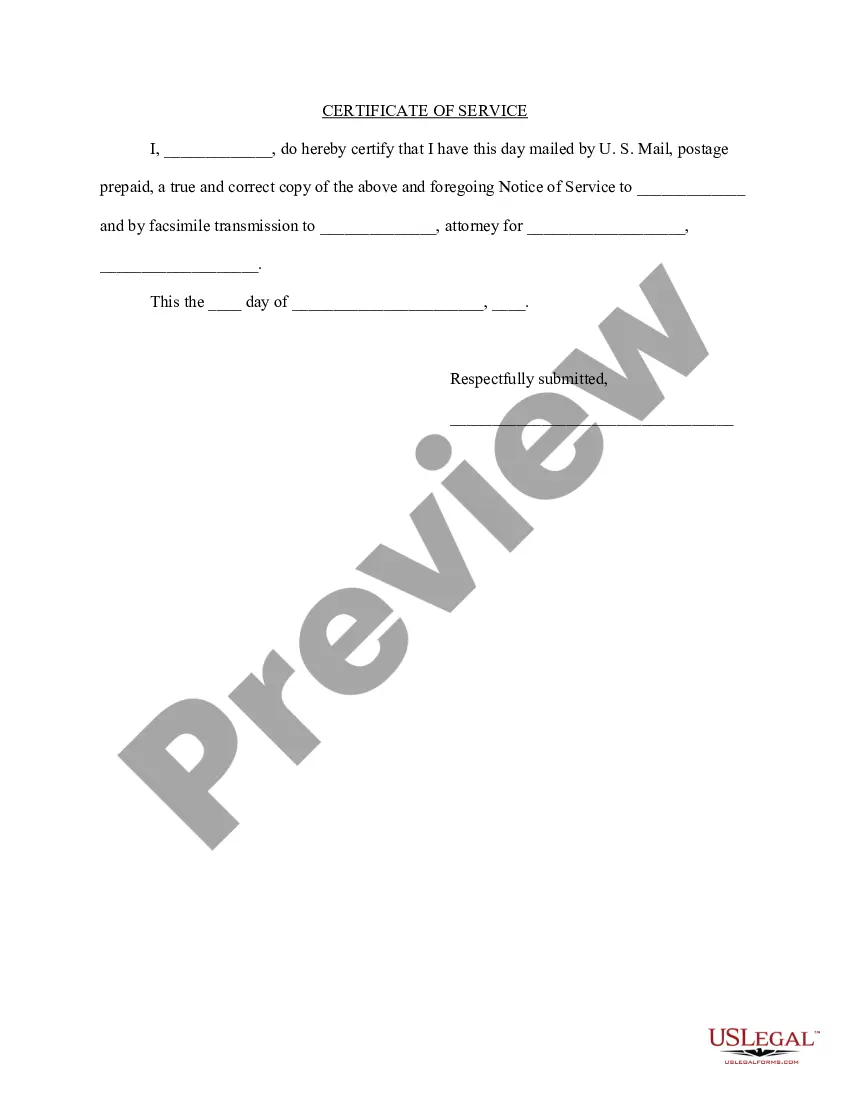
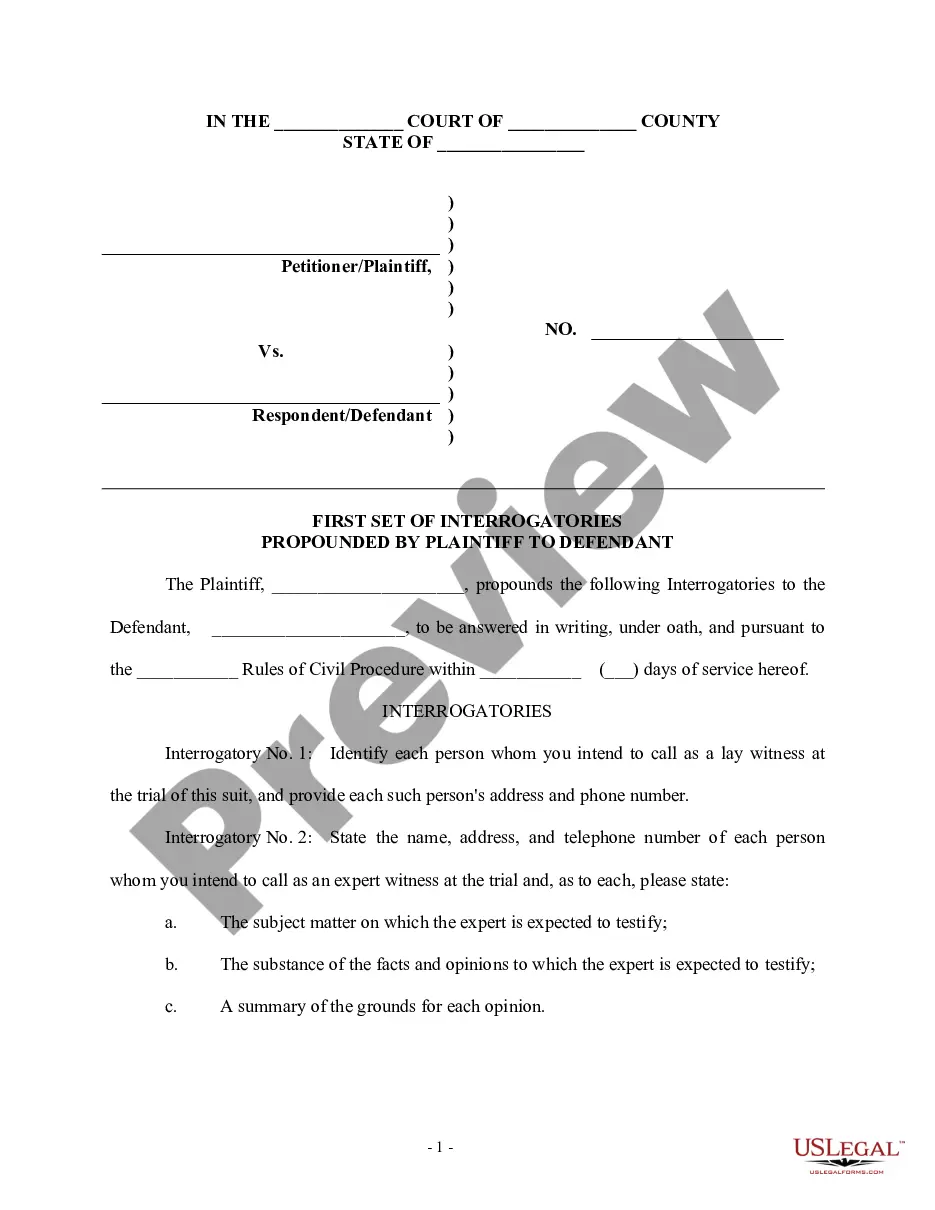
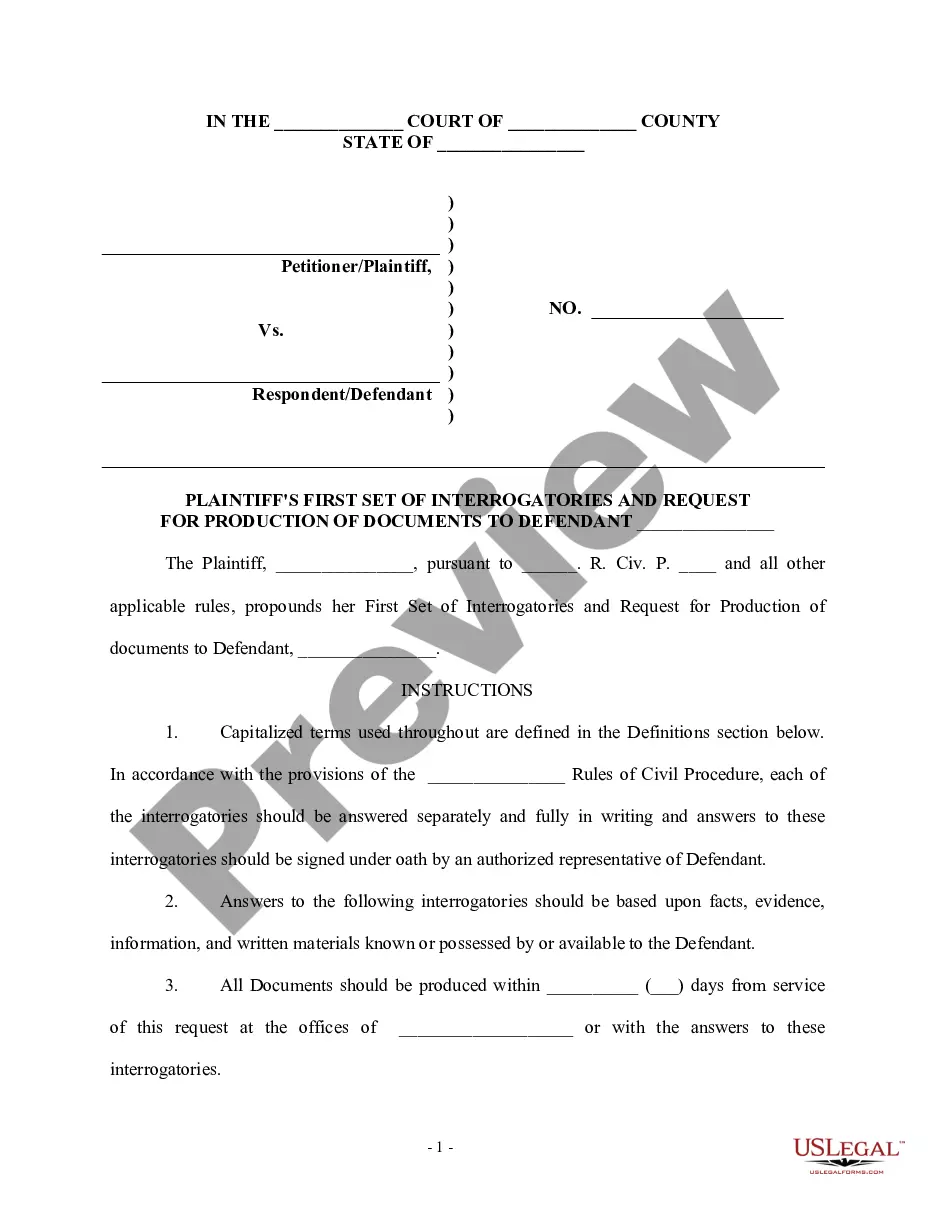
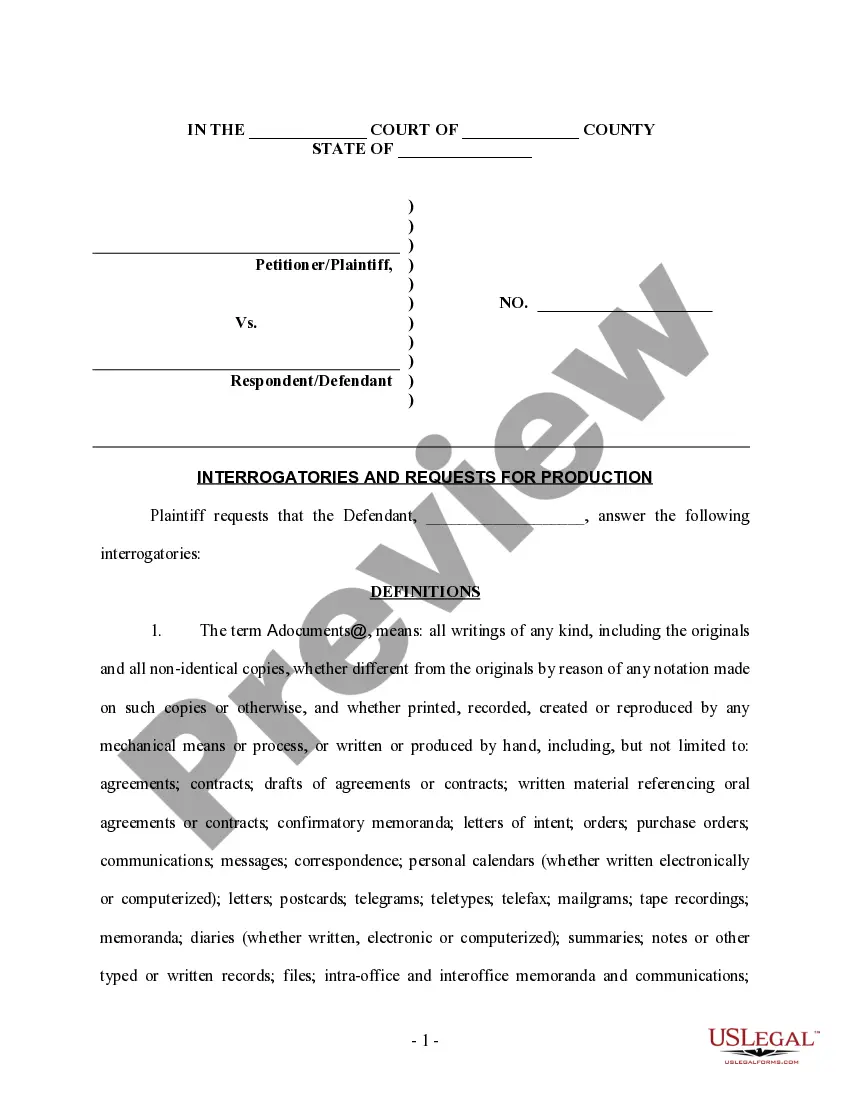
Get your form ready online
Our built-in tools help you complete, sign, share, and store your documents in one place.
Make edits, fill in missing information, and update formatting in US Legal Forms—just like you would in MS Word.
Download a copy, print it, send it by email, or mail it via USPS—whatever works best for your next step.
Sign and collect signatures with our SignNow integration. Send to multiple recipients, set reminders, and more. Go Premium to unlock E-Sign.
If this form requires notarization, complete it online through a secure video call—no need to meet a notary in person or wait for an appointment.
We protect your documents and personal data by following strict security and privacy standards.

Make edits, fill in missing information, and update formatting in US Legal Forms—just like you would in MS Word.

Download a copy, print it, send it by email, or mail it via USPS—whatever works best for your next step.

Sign and collect signatures with our SignNow integration. Send to multiple recipients, set reminders, and more. Go Premium to unlock E-Sign.

If this form requires notarization, complete it online through a secure video call—no need to meet a notary in person or wait for an appointment.

We protect your documents and personal data by following strict security and privacy standards.
Looking for another form?

Form popularity
FAQ
A discovery response is essentially a choice that you make after receiving a request for information. The question then becomes, Should you comply or not?
Cut Off of Expert Discovery – the civil law time limit for expert discovery cutoff is fifteen (15) days before the original set trial date.
Once discovery is issued, parties typically have 21 days to respond. However, attorneys (in collaboration with their paralegal to keep costs down) will likely need several days to compile, review, and complete the responses as well.
The 21-Day Rule: Why Time Is Critical for Post-Trial Relief Under Virginia Supreme Court Rule , a circuit court loses jurisdiction over a case 21 days after entry of a final order unless action is taken to suspend or vacate the order.
Formally issued discovery requests must be answered within twenty‐one days of receiving the requests alone or within twenty‐eight days of receiving a request with a Complaint for Divorce.
The parties shall complete discovery, including depositions, by 30 days before trial; however, depositions taken in lieu of live testimony at trial will be permitted until 15 days before trial.
Discovery ends 30 days before trial (the cutoff date). That means, at the very latest anything you ask for must be due 30 days before your trial. At the latest, you need to serve your requests 60 days before your trial date (65 if you serve by mail).
Parties may obtain discovery regarding any matter, not privileged, which is relevant to the subject matter involved in the pending action, whether it relates to the claim or defense of the party seeking discovery or to the claim or defense of any other party, including the existence, description, nature, custody, ...