Service Notice By Email In San Diego
Description


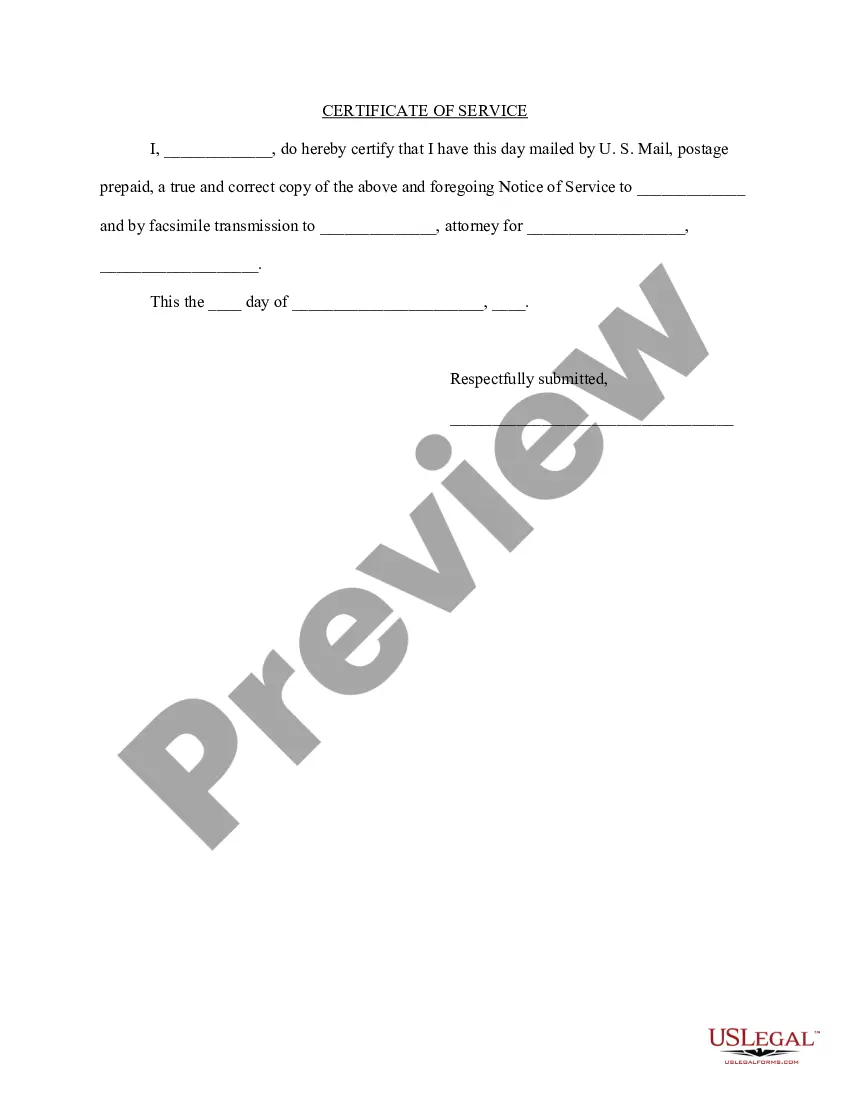
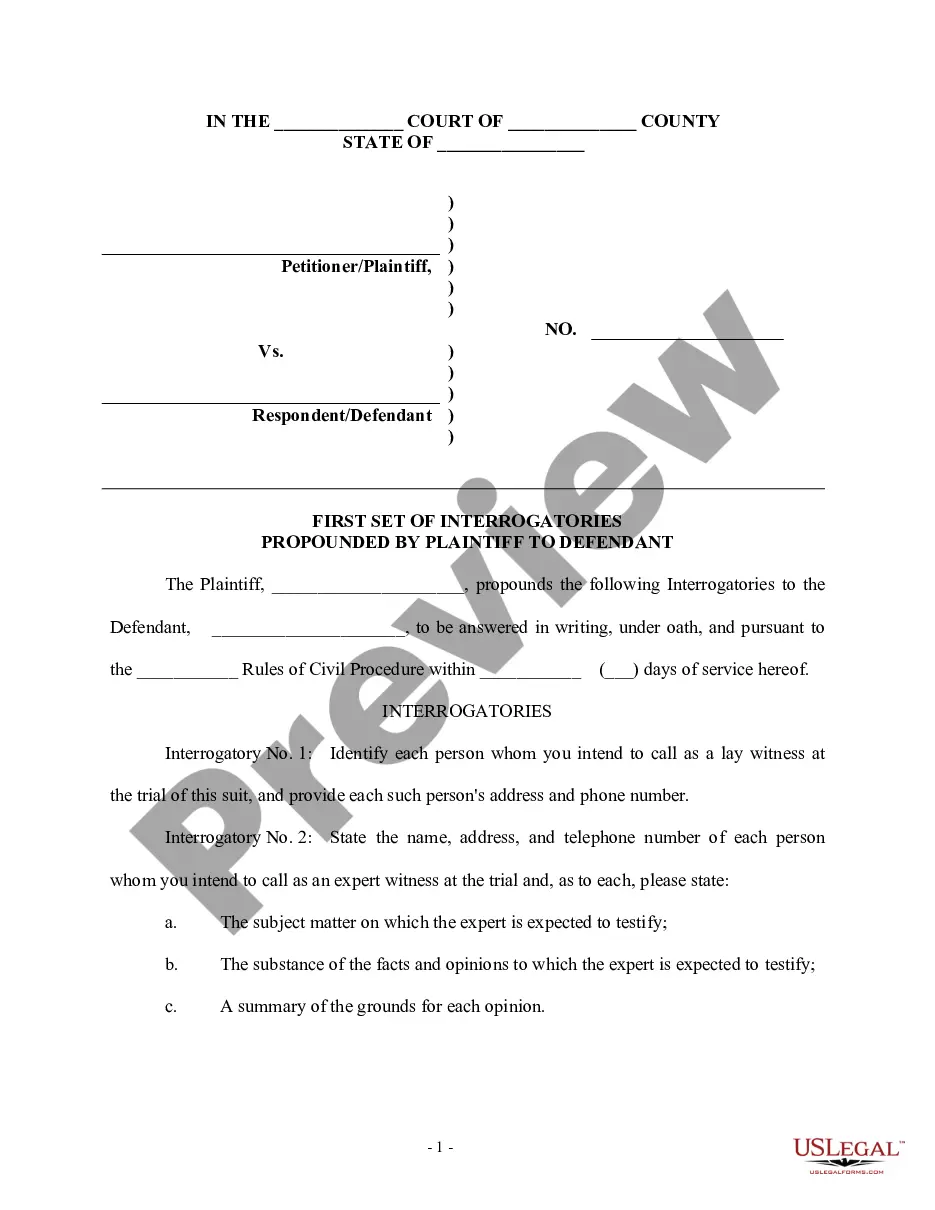

Get your form ready online
Our built-in tools help you complete, sign, share, and store your documents in one place.
Make edits, fill in missing information, and update formatting in US Legal Forms—just like you would in MS Word.
Download a copy, print it, send it by email, or mail it via USPS—whatever works best for your next step.
Sign and collect signatures with our SignNow integration. Send to multiple recipients, set reminders, and more. Go Premium to unlock E-Sign.
If this form requires notarization, complete it online through a secure video call—no need to meet a notary in person or wait for an appointment.
We protect your documents and personal data by following strict security and privacy standards.

Make edits, fill in missing information, and update formatting in US Legal Forms—just like you would in MS Word.

Download a copy, print it, send it by email, or mail it via USPS—whatever works best for your next step.

Sign and collect signatures with our SignNow integration. Send to multiple recipients, set reminders, and more. Go Premium to unlock E-Sign.

If this form requires notarization, complete it online through a secure video call—no need to meet a notary in person or wait for an appointment.

We protect your documents and personal data by following strict security and privacy standards.
Looking for another form?


Form popularity
FAQ
To answer your question, barring a court order permitting service by text message (which would be exceptionally unusual), it would NOT constitute proper service in any jurisdiction.
A party or other person may serve documents electronically directly, by an agent, or through a designated electronic filing service provider.
The server must: Be at least 18 years old. Not be part of your case. Give your court papers to the other side by the deadline. Fill out a proof of service form. Give the proof of service form back to you so you can file it with the court.
(2) Proof of electronic service may be in electronic form and may be filed electronically with the court. (3) Under rule 3.1300(c), proof of service of the moving papers must be filed at least five court days before the hearing.
When being served by mail, parties have an additional five calendar days to respond, but with eService parties have an additional two court days (CCP 1010.6 B).
A party may serve documents electronically directly, by an agent, or through a designated electronic filing service provider. (Subd (c) amended effective January 1, 2016; previously amended effective January 1, 2011.)
When being served by mail, parties have an additional five calendar days to respond, but with eService parties have an additional two court days (CCP 1010.6 B).
Secondly, if the court is satisfied that the defendant/respondent has access to and the ability to receive and read the summons and complaint electronically, then electronic copies must be provided with a clear notice that the party is being sued.