Notice For Service In Salt Lake
Description



Get your form ready online
Our built-in tools help you complete, sign, share, and store your documents in one place.
Make edits, fill in missing information, and update formatting in US Legal Forms—just like you would in MS Word.
Download a copy, print it, send it by email, or mail it via USPS—whatever works best for your next step.
Sign and collect signatures with our SignNow integration. Send to multiple recipients, set reminders, and more. Go Premium to unlock E-Sign.
If this form requires notarization, complete it online through a secure video call—no need to meet a notary in person or wait for an appointment.
We protect your documents and personal data by following strict security and privacy standards.

Make edits, fill in missing information, and update formatting in US Legal Forms—just like you would in MS Word.

Download a copy, print it, send it by email, or mail it via USPS—whatever works best for your next step.

Sign and collect signatures with our SignNow integration. Send to multiple recipients, set reminders, and more. Go Premium to unlock E-Sign.

If this form requires notarization, complete it online through a secure video call—no need to meet a notary in person or wait for an appointment.

We protect your documents and personal data by following strict security and privacy standards.
Looking for another form?
Form popularity
FAQ
A process server will support any kind of legal documents and orders. Process servers have an essential role in the legal services, they are always there to notify someone of an impending lawsuit or court case in which they are named. It may be a divorce case, a lawsuit against them, or a summons to be a witness.
Service of process is giving the other parties in the court case the documents that were filed in the case so that they have notice that a lawsuit was filed against them and they have the opportunity to respond.
Reaching Out to Legal Entities You can also reach out to local legal entities. This could be the court's clerk office. Simply ask if there are any legal documents with your name on them that haven't been delivered yet. This is like calling customer service to check if they've dispatched that order you forgot you made.
These papers can be served by: Mailing them to the last known address provided. Handing them to the person. Emailing them to the most recent email address provided.
(b) Time of service. Unless the summons and complaint are accepted, a copy of the summons and complaint in an action commenced under Rule 3(a)(1) must be served no later than 120 days after the complaint is filed, unless the court orders a different period under Rule 6.
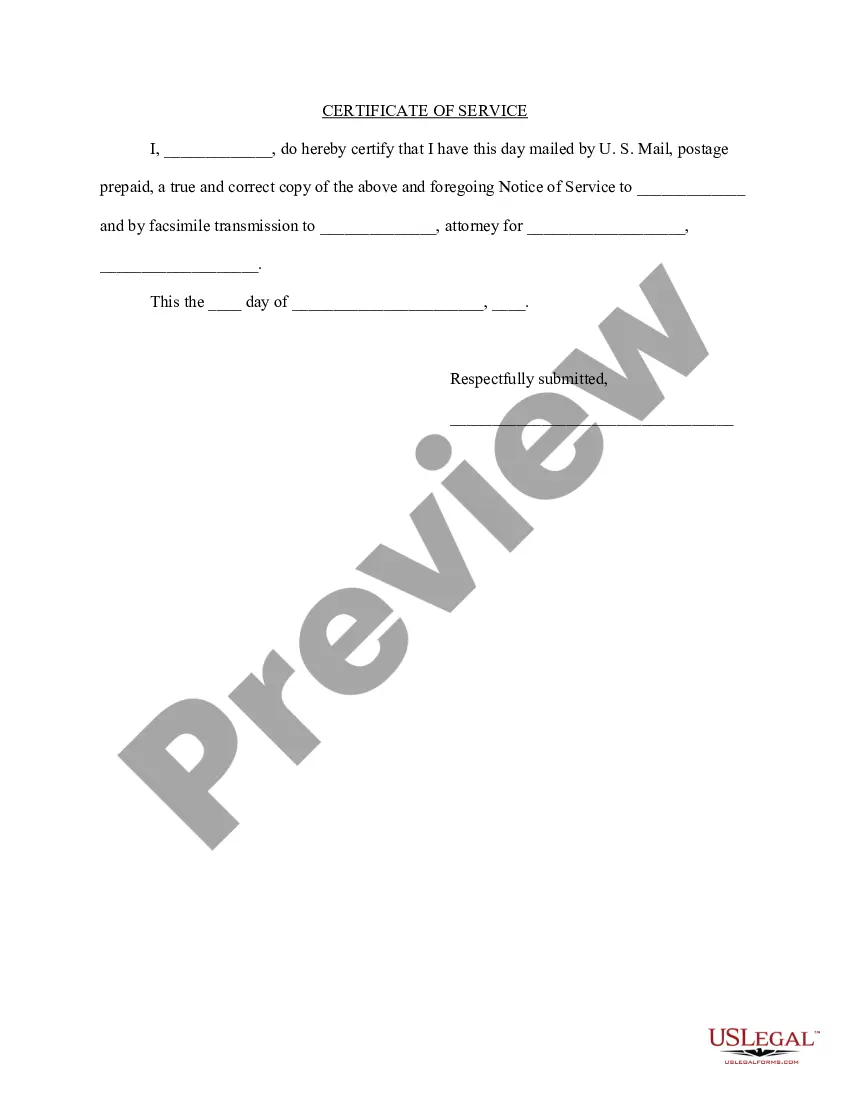
Service of process is the procedure by one party in a lawsuit or legal proceeding to give another party an appropriate notice of the initiation of legal action .
Service agents must perform service attempts to make an individual aware that they have been summoned to appear in court, thus making an “attempt” to reach out to the individual. Causes for an unsuccessful service attempt could be a bad address, absence of person inside home, or other various reasons.
Personal service and substituted service are two common types of service of process used in the United States, with personal service being the one most difficult for a defendant to attack for its legality. Another method used to perform service of process is publication. For example, publication in a newspaper.
We are the repository for permanent records of the Utah State Legislature, and the regulatory Administrative Rules Office.