Notice Of Motion For Discovery In Queens
Description

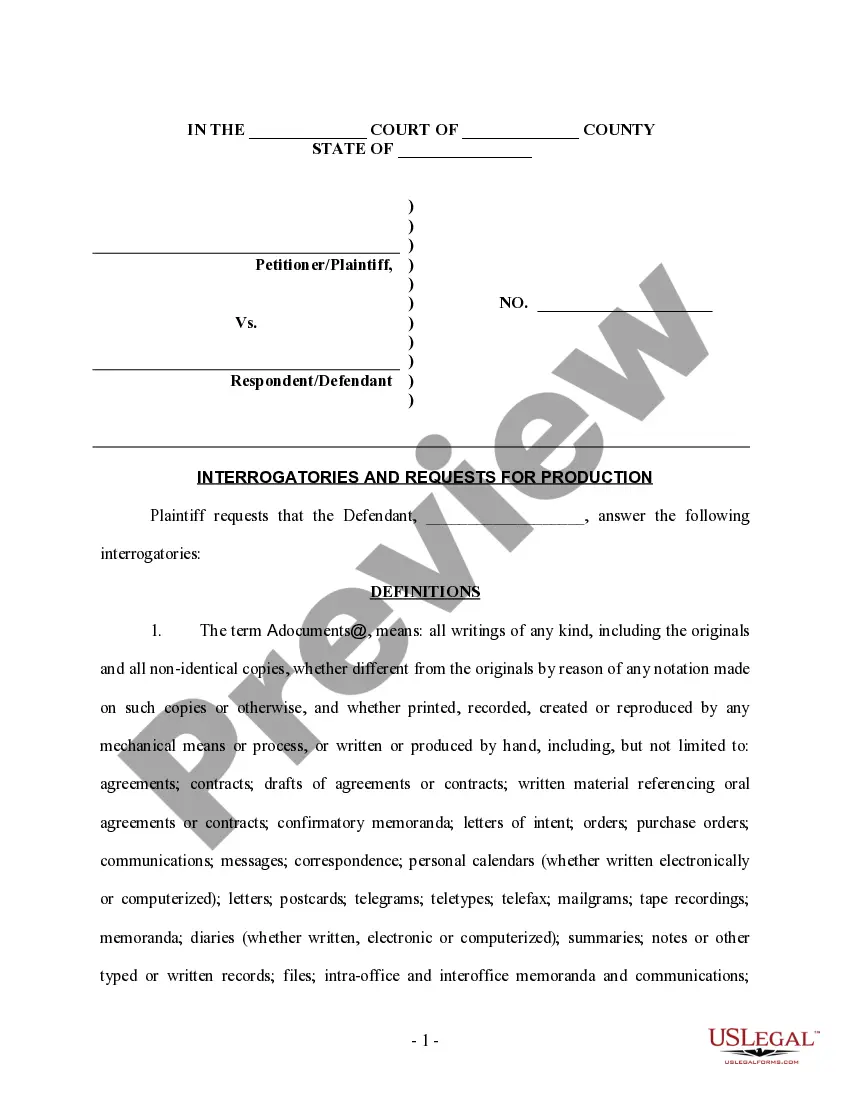
Get your form ready online
Our built-in tools help you complete, sign, share, and store your documents in one place.
Make edits, fill in missing information, and update formatting in US Legal Forms—just like you would in MS Word.
Download a copy, print it, send it by email, or mail it via USPS—whatever works best for your next step.
Sign and collect signatures with our SignNow integration. Send to multiple recipients, set reminders, and more. Go Premium to unlock E-Sign.
If this form requires notarization, complete it online through a secure video call—no need to meet a notary in person or wait for an appointment.
We protect your documents and personal data by following strict security and privacy standards.
Make edits, fill in missing information, and update formatting in US Legal Forms—just like you would in MS Word.
Download a copy, print it, send it by email, or mail it via USPS—whatever works best for your next step.
Sign and collect signatures with our SignNow integration. Send to multiple recipients, set reminders, and more. Go Premium to unlock E-Sign.
If this form requires notarization, complete it online through a secure video call—no need to meet a notary in person or wait for an appointment.
We protect your documents and personal data by following strict security and privacy standards.
Looking for another form?
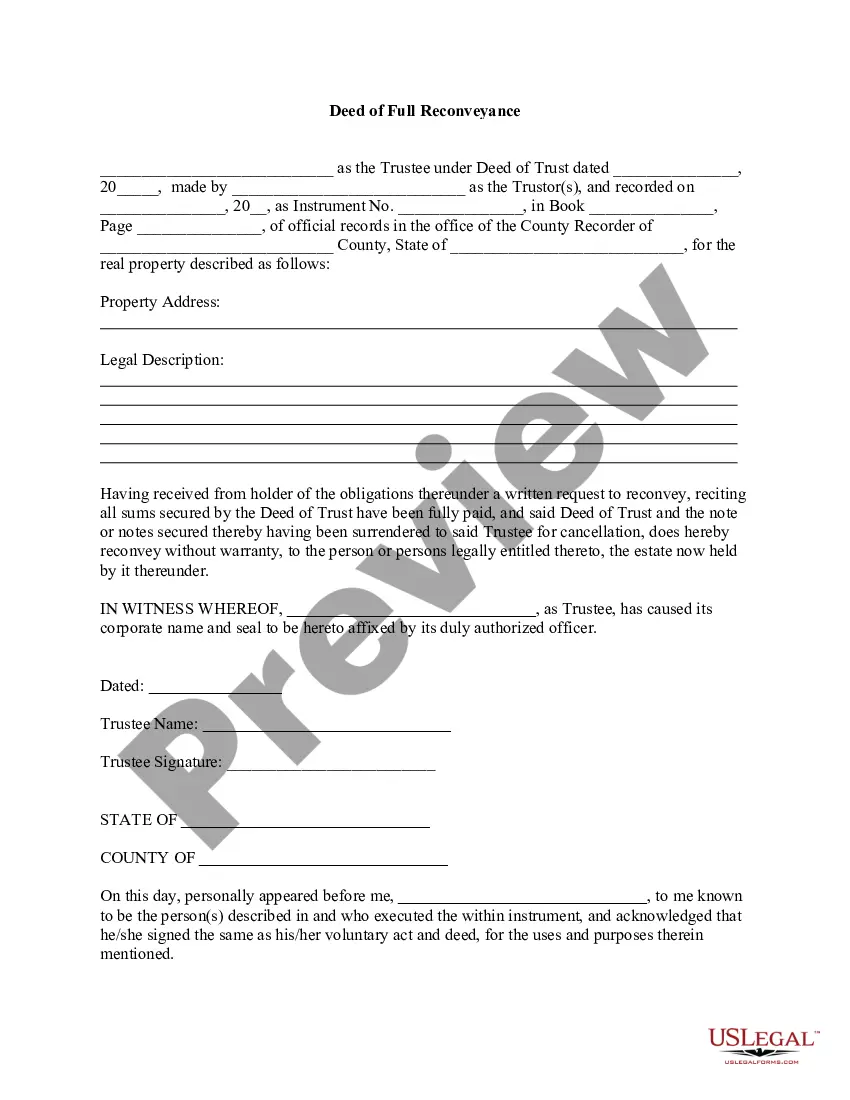
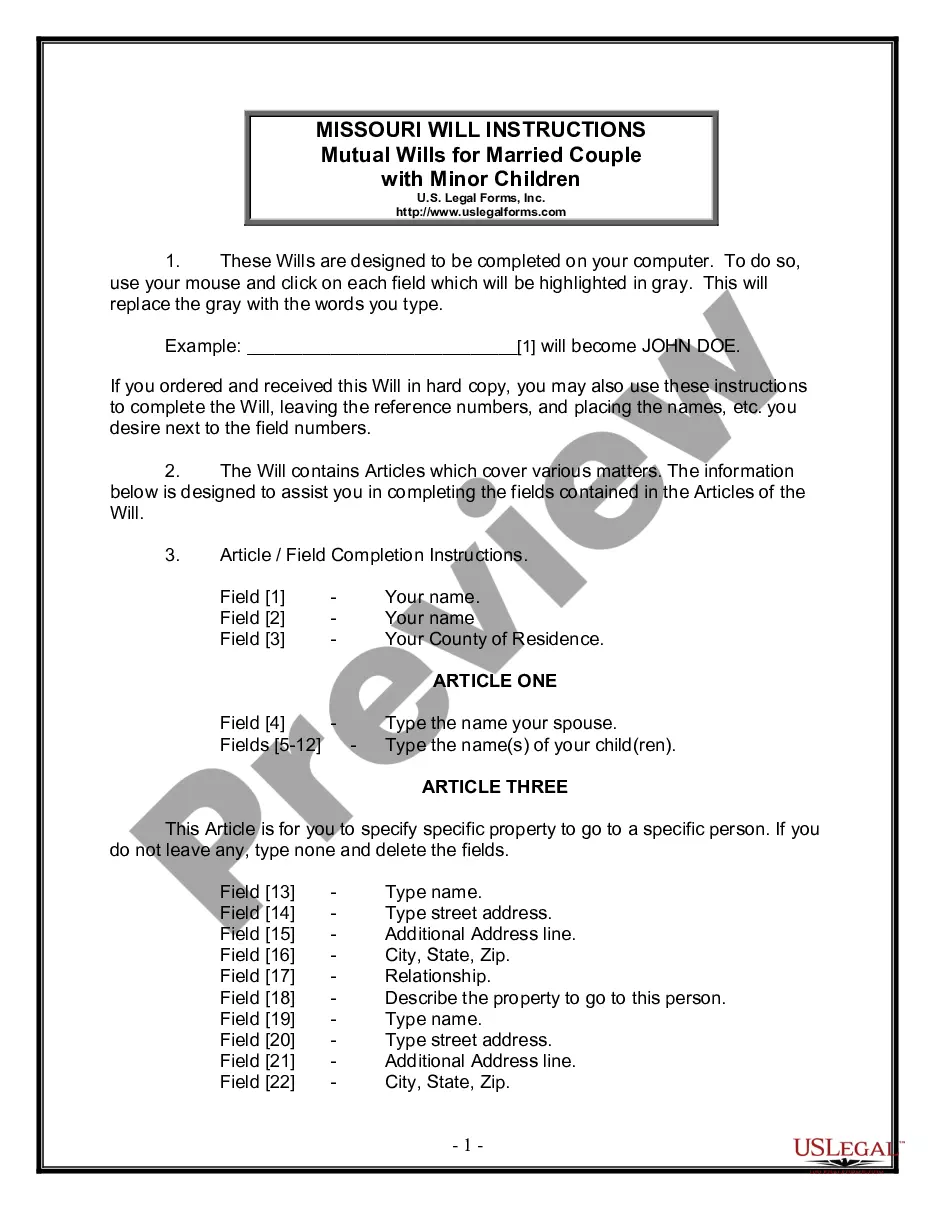
Form popularity
FAQ
Motion hearings occur in person at the courthouse or can be done via virtual hearings. During the hearing, all parties involved in the case have an opportunity to present their arguments and evidence to a judge concerning a particular motion that has been filed.
Generally, the prosecution must provide discovery within a set period after the defense's formal request, often ranging from a few weeks to several months. Evidence should be available to the defense either at the preliminary hearing or after the accused has been indicted by a grand jury.
Unlike a notice of motion, which is served first then filed, an order to show causes is filed first then served. It is filed before serving because the court sets the motion date, the amount of time for service of the motion, and how the order to show cause must be served.
A notice of motion and supporting affidavits shall be served at least eight days before the time at which the motion is noticed to be heard. Answering affidavits shall be served at least two days before such time.
A discovery response is essentially a choice that you make after receiving a request for information. The question then becomes, Should you comply or not?
This is sometimes called the “return date,” or the date the motion is “returnable.” The party making the motion (moving party) chooses the date the motion will be heard by the court. When you choose the date, you must pick a date that gives the other side at least 8 days of notice.
The time to rule on motions can range widely. For example the meanantime to rule on motions can beMoreThe time to rule on motions can range widely. For example the meanantime to rule on motions can be as short as 22 days in some districts. But it can also be as long as 116 days in others.
ALL MOTIONS shall be made returnable in the Centralized Motion Part (CMP). Parties are required to comply with the CMP rules. All inquires regarding such motions shall be made to the Centralized Motion Part Office at (718) 298-1728.
At any time before service of the responsive pleading is required, a party may move on one or more of the grounds set forth in subdivision (a), and no more than one such motion shall be permitted.