Notice Of Motion For Discovery In Phoenix
Description


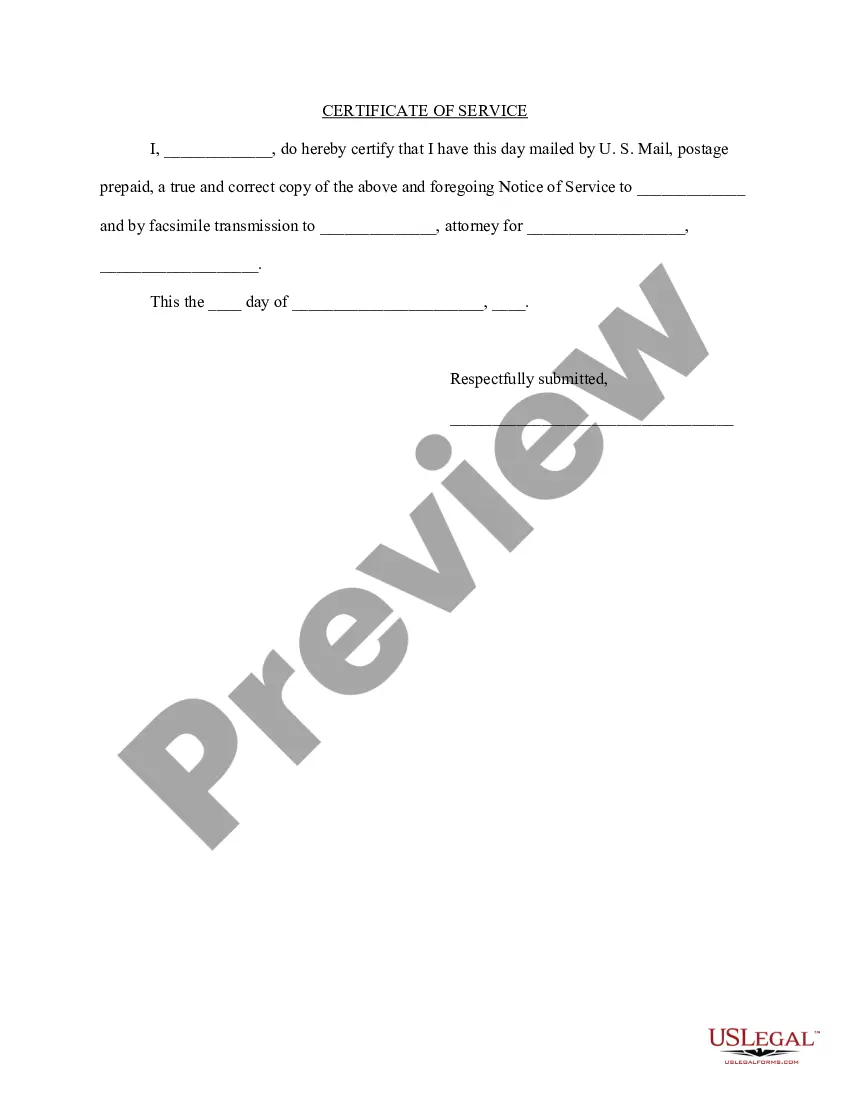
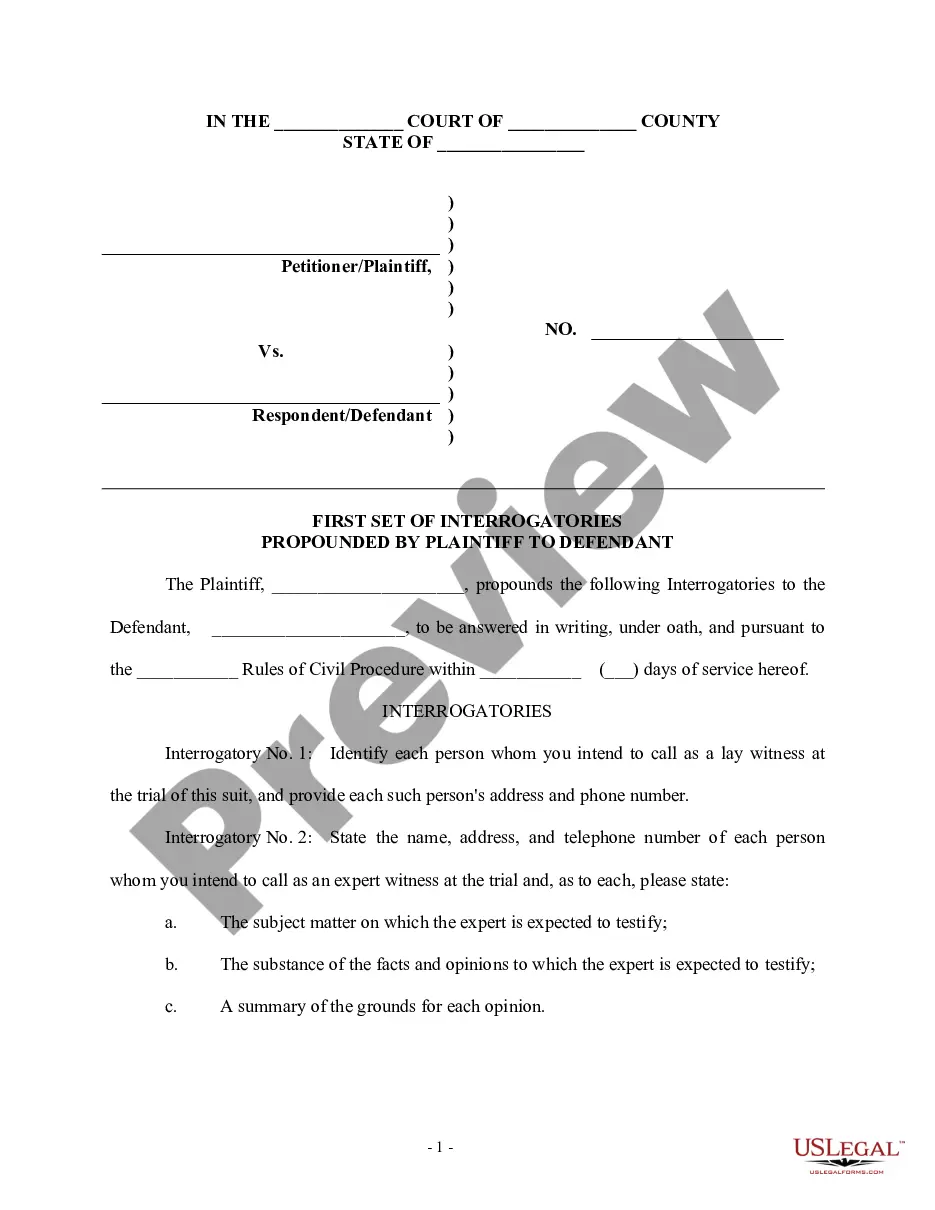
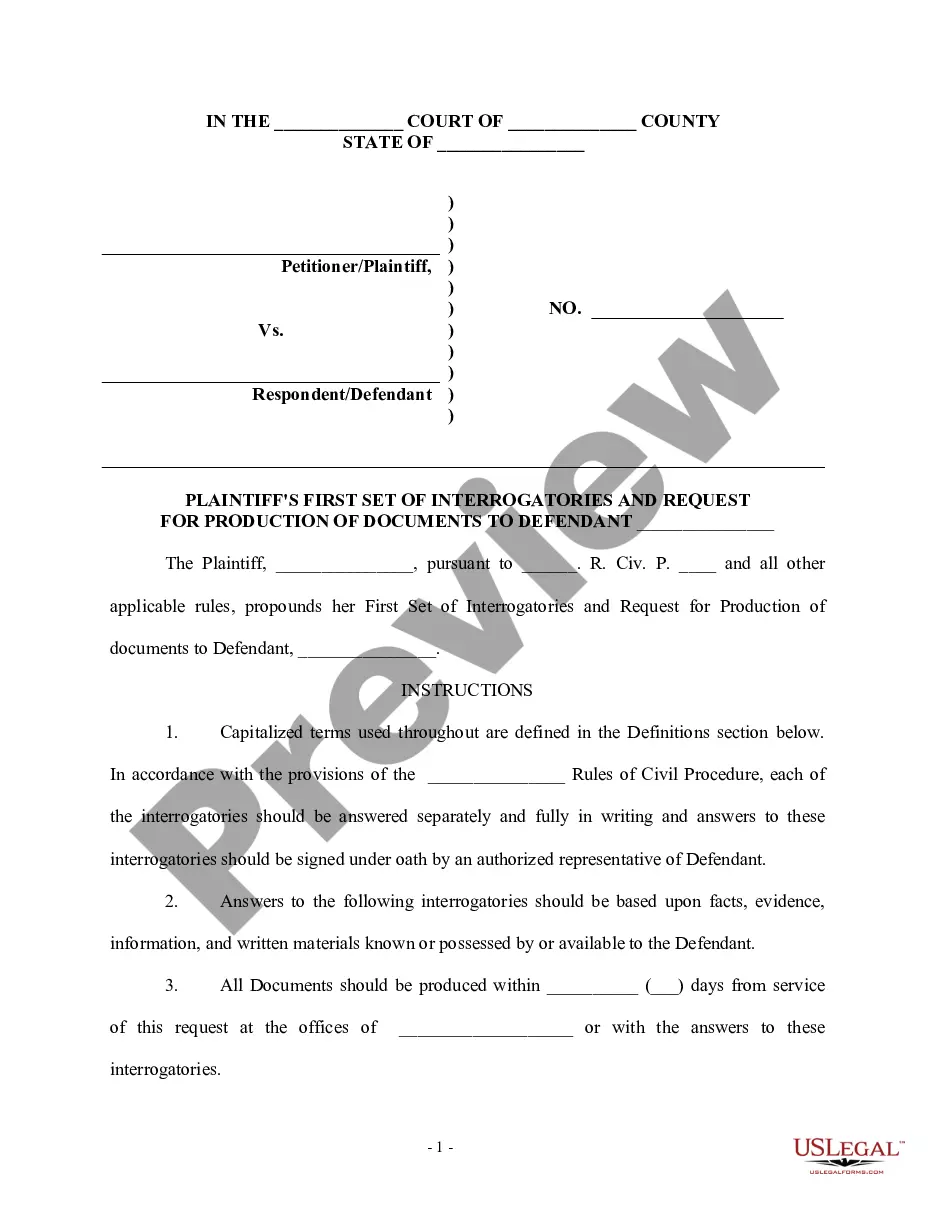
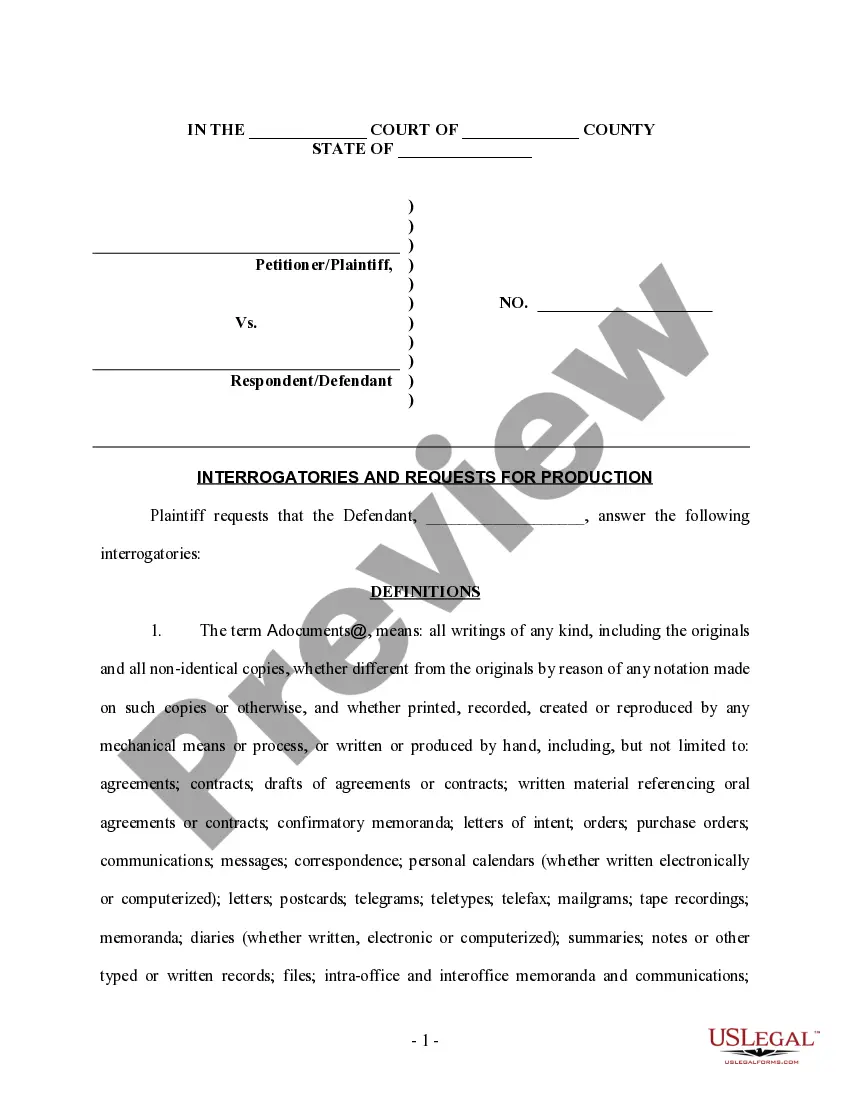
Get your form ready online
Our built-in tools help you complete, sign, share, and store your documents in one place.
Make edits, fill in missing information, and update formatting in US Legal Forms—just like you would in MS Word.
Download a copy, print it, send it by email, or mail it via USPS—whatever works best for your next step.
Sign and collect signatures with our SignNow integration. Send to multiple recipients, set reminders, and more. Go Premium to unlock E-Sign.
If this form requires notarization, complete it online through a secure video call—no need to meet a notary in person or wait for an appointment.
We protect your documents and personal data by following strict security and privacy standards.

Make edits, fill in missing information, and update formatting in US Legal Forms—just like you would in MS Word.

Download a copy, print it, send it by email, or mail it via USPS—whatever works best for your next step.

Sign and collect signatures with our SignNow integration. Send to multiple recipients, set reminders, and more. Go Premium to unlock E-Sign.

If this form requires notarization, complete it online through a secure video call—no need to meet a notary in person or wait for an appointment.

We protect your documents and personal data by following strict security and privacy standards.
Looking for another form?

Form popularity
FAQ
The Benefits of Discovery for Both Plaintiffs and Defendants Helps plaintiffs and defendants understand the legal issues at play in the case and better prepare for trial. During discovery, each party can obtain facts from the other through requests for admission, interrogatories, documents, depositions, and more.
Unless the court orders otherwise for good cause: (1) a party may not seek discovery from any source-including nonparties-before that party serves its initial disclosure statement under Rule 26.1; (2) methods of discovery may be used in any sequence; and (3) discovery by one party does not require any other party to ...
How Long Does it Take to Get Discovery in a Criminal Case? Generally, the prosecution must provide discovery within a set period after the defense's formal request, often ranging from a few weeks to several months.
In conclusion, discovery in a criminal case is considered a public record by law in most states. Public records promote transparency in the legal system and allow individuals, including defendants, their attorneys, members of the media, and protesters, to access relevant information regarding a case.
Think of discovery as obtaining and disclosing the evidence and position of each side of a case so that all parties involved can decide what their best options are – move forward toward to trial or negotiate an early settlement.
A standard entry on criminal dockets is “Motion for Discovery.” This motion is a tool your criminal defense lawyer uses to access the prosecution's information and evidence against you. Virtually every criminal case that reaches trial will undergo the discovery process.
Discovery allows you to get information and evidence from the other party or other persons you can use in your lawsuit.
What is the Purpose of Discovery? The purpose of discovery is to provide parties the opportunity to gather evidence relevant to proving or defending the case.
Maricopa County Phoenix / County
Cities in Maricopa County Apache Junction. Avondale. Buckeye. Carefree. Cave Creek. Chandler. El Mirage. Fountain Hills.