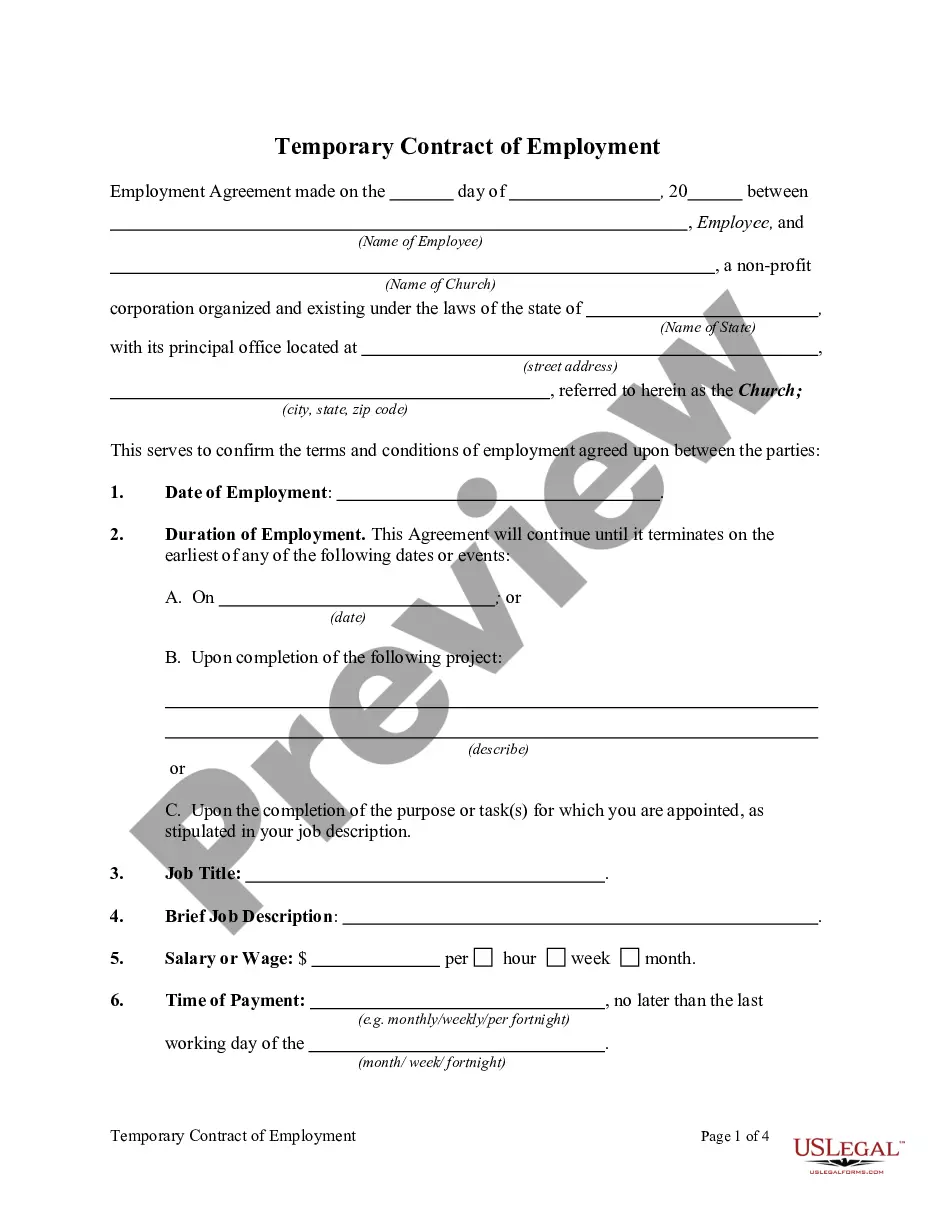
Notice Of Examination For Discovery Ontario In Middlesex
Description






Get your form ready online
Our built-in tools help you complete, sign, share, and store your documents in one place.
Make edits, fill in missing information, and update formatting in US Legal Forms—just like you would in MS Word.
Download a copy, print it, send it by email, or mail it via USPS—whatever works best for your next step.
Sign and collect signatures with our SignNow integration. Send to multiple recipients, set reminders, and more. Go Premium to unlock E-Sign.
If this form requires notarization, complete it online through a secure video call—no need to meet a notary in person or wait for an appointment.
We protect your documents and personal data by following strict security and privacy standards.

Make edits, fill in missing information, and update formatting in US Legal Forms—just like you would in MS Word.

Download a copy, print it, send it by email, or mail it via USPS—whatever works best for your next step.

Sign and collect signatures with our SignNow integration. Send to multiple recipients, set reminders, and more. Go Premium to unlock E-Sign.

If this form requires notarization, complete it online through a secure video call—no need to meet a notary in person or wait for an appointment.

We protect your documents and personal data by following strict security and privacy standards.
Looking for another form?




Form popularity
FAQ
The purpose of discovery is to enable the opposing party in a lawsuit to know the case it has to meet; to obtain admissions that may harm the other side's case; to narrow or eliminate the issues in an action; and to facilitate settlement.
Form 34A Notice of Examination. (To be used only for a party to the proceeding, a person to be examined for discovery or in aid of execution on behalf or in place of a party or a person to be cross-examined on an affidavit. For the examination of any other person, use a summons to witness (Form 34B).)
For example, you can ask the court to hold a hearing on the defendant's finances so that you can get more information about the debtor. This is called an examination. Step 1: FILE a Notice of Examination form at the court office. Also file an Affidavit for Enforcement Request (Form 20P) with details of the debt.
You serve the notice of examination on the debtor or other person to be examined at least 30 days before the hearing. If the debtor to be examined is an individual, you will also need to serve a blank Financial Information Form Form 20I. If the debtor is a business, no financial information form is required.
Typically, settlement will happen at some point after examinations for discovery. This is when all of the evidence has been disclosed in the proceeding, and each party has a better grasp of the strength/weaknesses of its own case.
Typically, settlement will happen at some point after examinations for discovery. This is when all of the evidence has been disclosed in the proceeding, and each party has a better grasp of the strength/weaknesses of its own case.
All parties are entitled to attend. No judge is present. There are two broad purposes to the examination for discovery: (1) understanding the other side's case and (2) obtaining admissions helpful to the examining party that can subsequently be used at trial or on a motion, such as a summary judgment motion.
However, the Notice of Action merely ensures that the person filing it is provided with an additional 30 days before filing the Statement of Claim. Once the Statement of Claim is filed, the person must serve both the Statement of Claim and Notice of Action together.
Form I-797, Notice of Action, is a letter sent to those who have recently filed an immigrant or non-immigrant application. This notice of action will either confirm that the government has received the application or it will contain the immigration officer's decision to approve an application or petition.
Applications begin with a party asking the court to make a ruling based on the law, without a trial. Applications are usually faster and less expensive than actions because they require less preparation, witnesses usually don't appear in person and they are shorter than trial.