Notice Of Motion For Discovery In Houston
Description


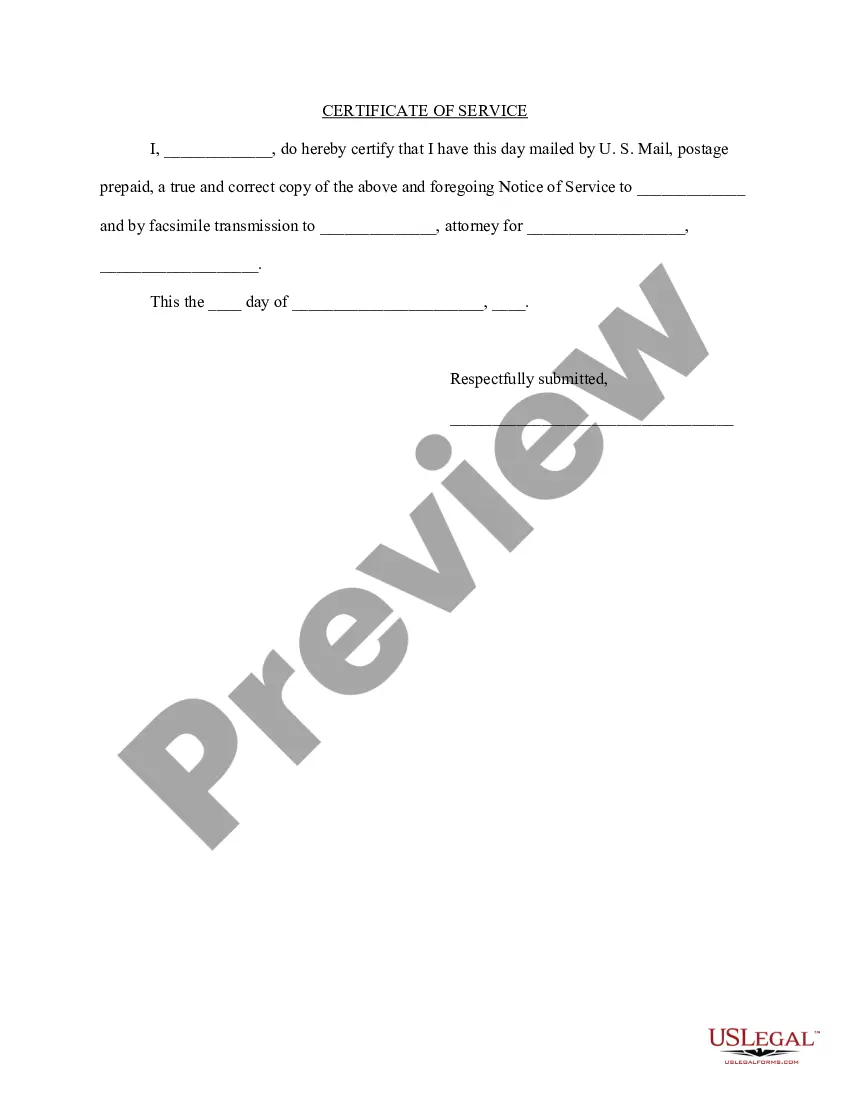
Get your form ready online
Our built-in tools help you complete, sign, share, and store your documents in one place.
Make edits, fill in missing information, and update formatting in US Legal Forms—just like you would in MS Word.
Download a copy, print it, send it by email, or mail it via USPS—whatever works best for your next step.
Sign and collect signatures with our SignNow integration. Send to multiple recipients, set reminders, and more. Go Premium to unlock E-Sign.
If this form requires notarization, complete it online through a secure video call—no need to meet a notary in person or wait for an appointment.
We protect your documents and personal data by following strict security and privacy standards.

Make edits, fill in missing information, and update formatting in US Legal Forms—just like you would in MS Word.

Download a copy, print it, send it by email, or mail it via USPS—whatever works best for your next step.

Sign and collect signatures with our SignNow integration. Send to multiple recipients, set reminders, and more. Go Premium to unlock E-Sign.

If this form requires notarization, complete it online through a secure video call—no need to meet a notary in person or wait for an appointment.

We protect your documents and personal data by following strict security and privacy standards.
Looking for another form?
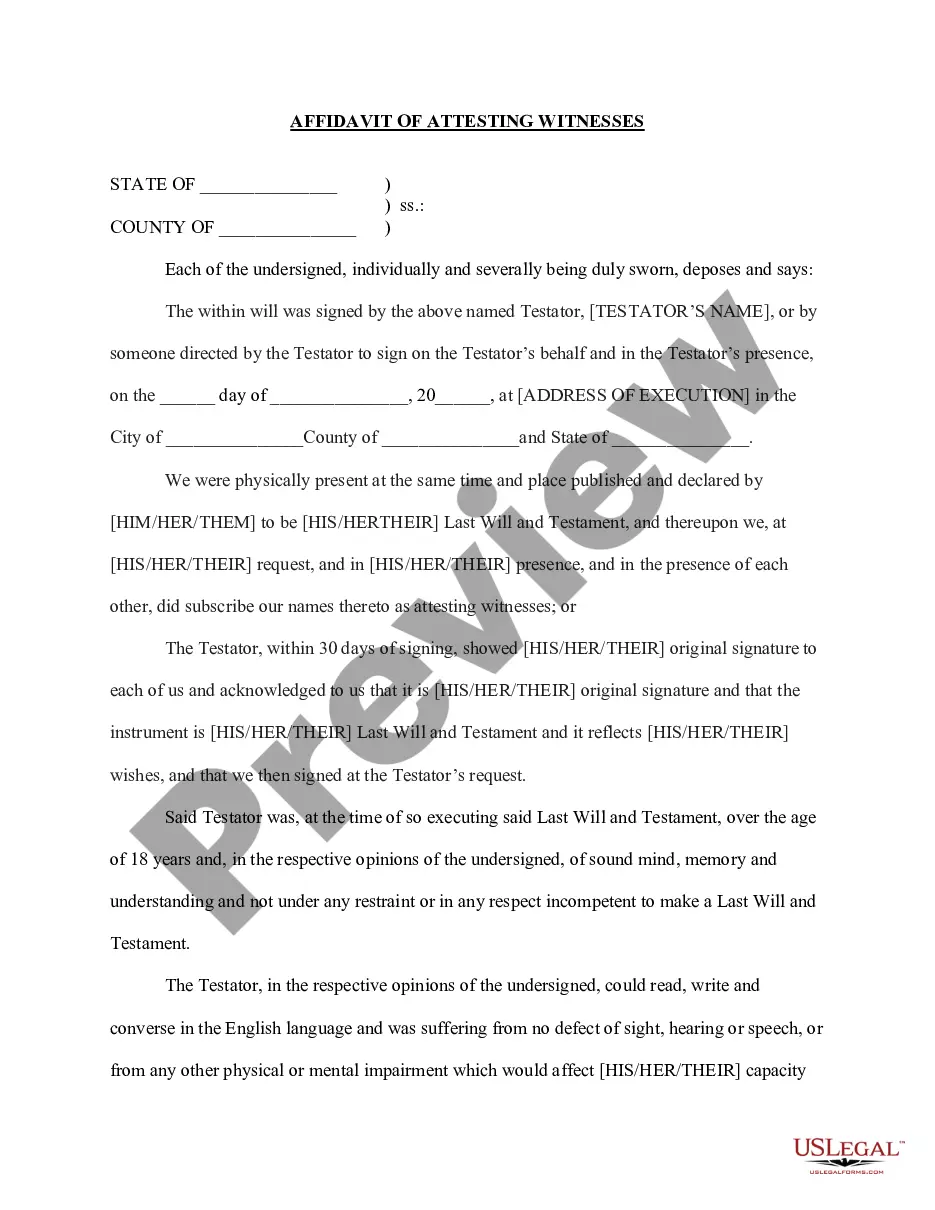
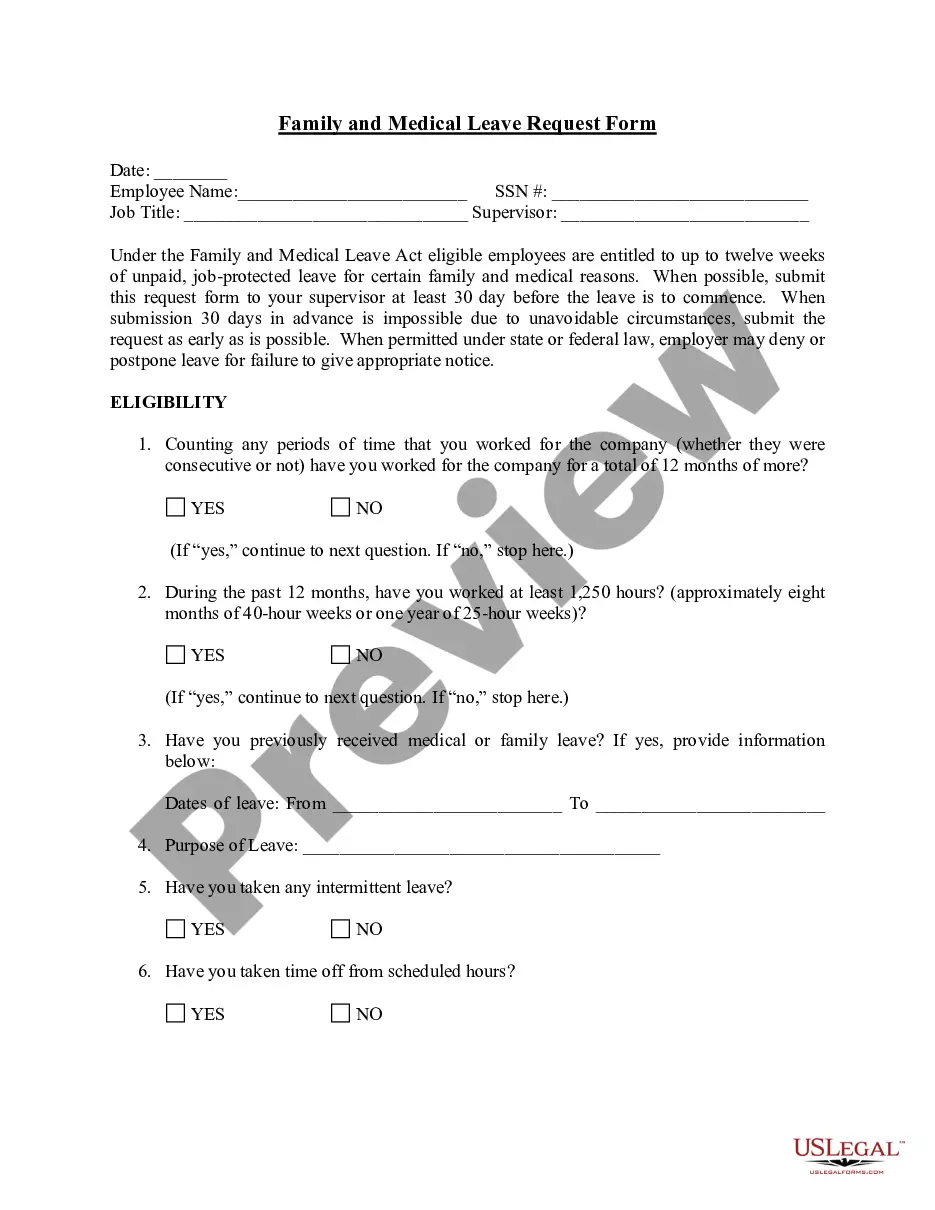
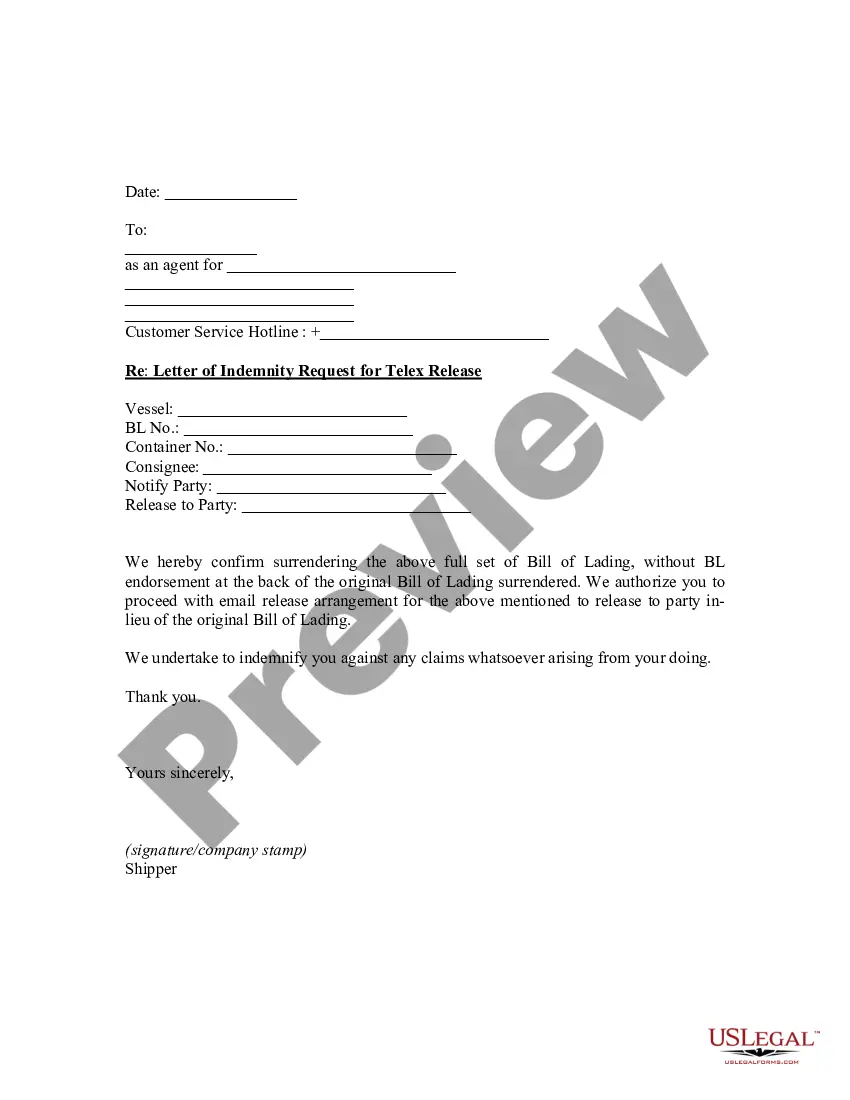
Form popularity
FAQ
Usually, the first thing after you've looked at it is to go over it with your client, the defendant. At least theoretically, the discovery material should show you how to proceed. Sometimes the discovery is enough to convince a client and his attorney that the best choice is to work out the best possible disposition.
Discovery materials are, for the most part, understood to be public so long as filed with a court; otherwise, they are not necessarily accessible.
What Happens After the Discovery Phase in a Lawsuit? Once the discovery phase is complete, the parties better understand the strengths and weaknesses of their respective cases. With this information, they can engage in settlement negotiations to resolve the dispute without going to trial.
Under the Federal Rules of Civil Procedure, discovery is intended to occur with limited intervention by the court, absent a dispute arising. However, in cases where a motion to dismiss is filed, judges are routinely asked to stay discovery while that motion is pending.
After discovery, lawyers begin preparing for trial. They'll sort through evidence, argue legal issues to posture the case for trial, design their trial strategy and themes, and more. In addition, your lawyer may file motions asking the court for rulings in the case.
Many of these cases will settle at the close of the discovery phase, which includes depositions. After a personal injury claim is filed in California, the defendant (person who is alleged to have caused the accident or injury) has a set period of time to respond to the complaint.
A person alleging failure to comply with discovery shall file a motion to compel as soon as practicable. A motion to compel shall include the relevant portion of the discovery response at issue.
How Long Does it Take to Get Discovery in a Criminal Case? Generally, the prosecution must provide discovery within a set period after the defense's formal request, often ranging from a few weeks to several months.
You or your lawyer may file a motion for discovery to request that the state produce evidence it plans to introduce at trial. Your lawyer needs to know the type of evidence the state will use against you at trial so that they can properly prepare for your case.
A motion is a written request asking a judge to do something. It also explains why you want that thing. For example, you might file a motion to change your court date. The court responds to your motion by issuing an order.