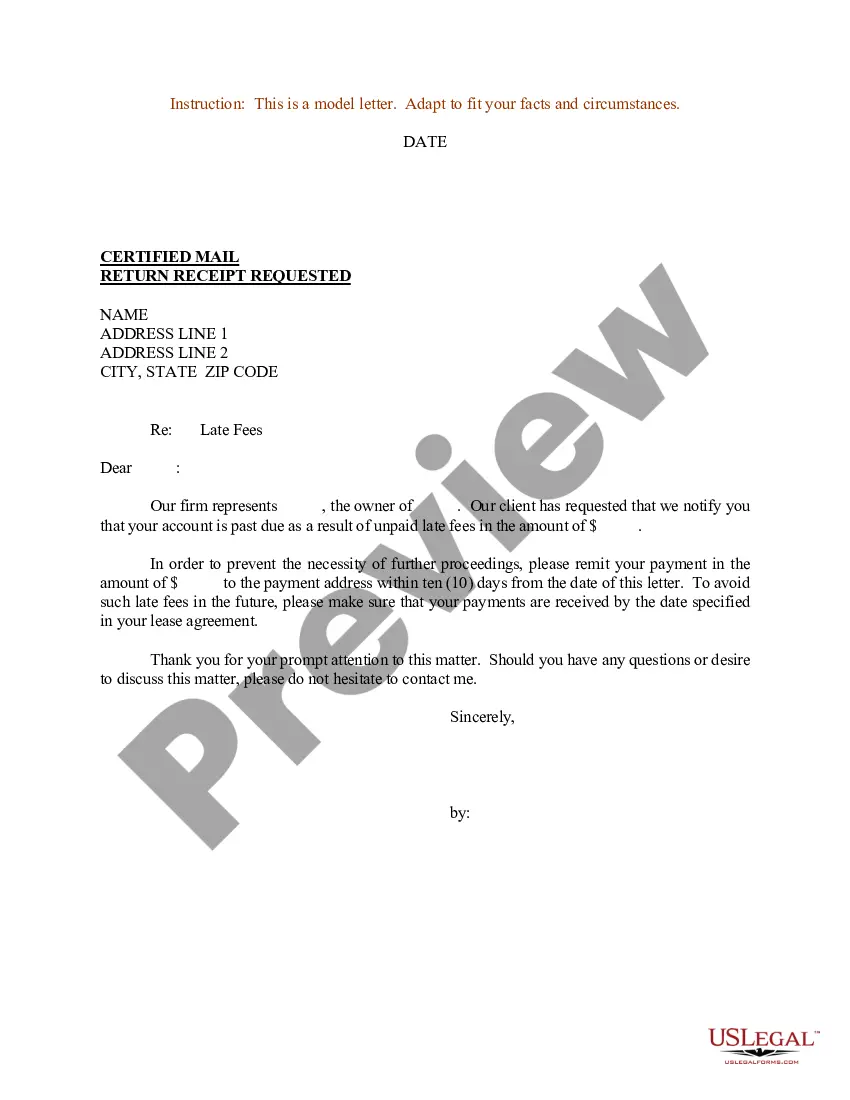
Service Of Interrogatories New York In Fulton
Description


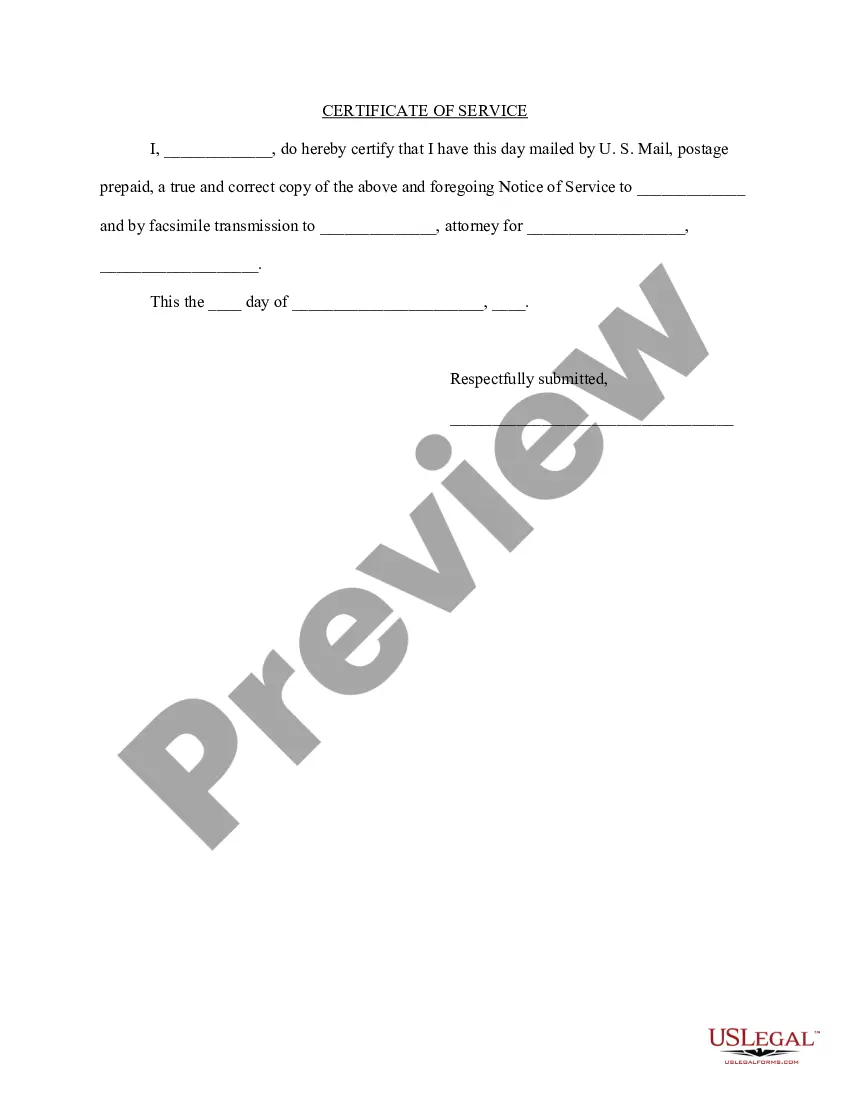
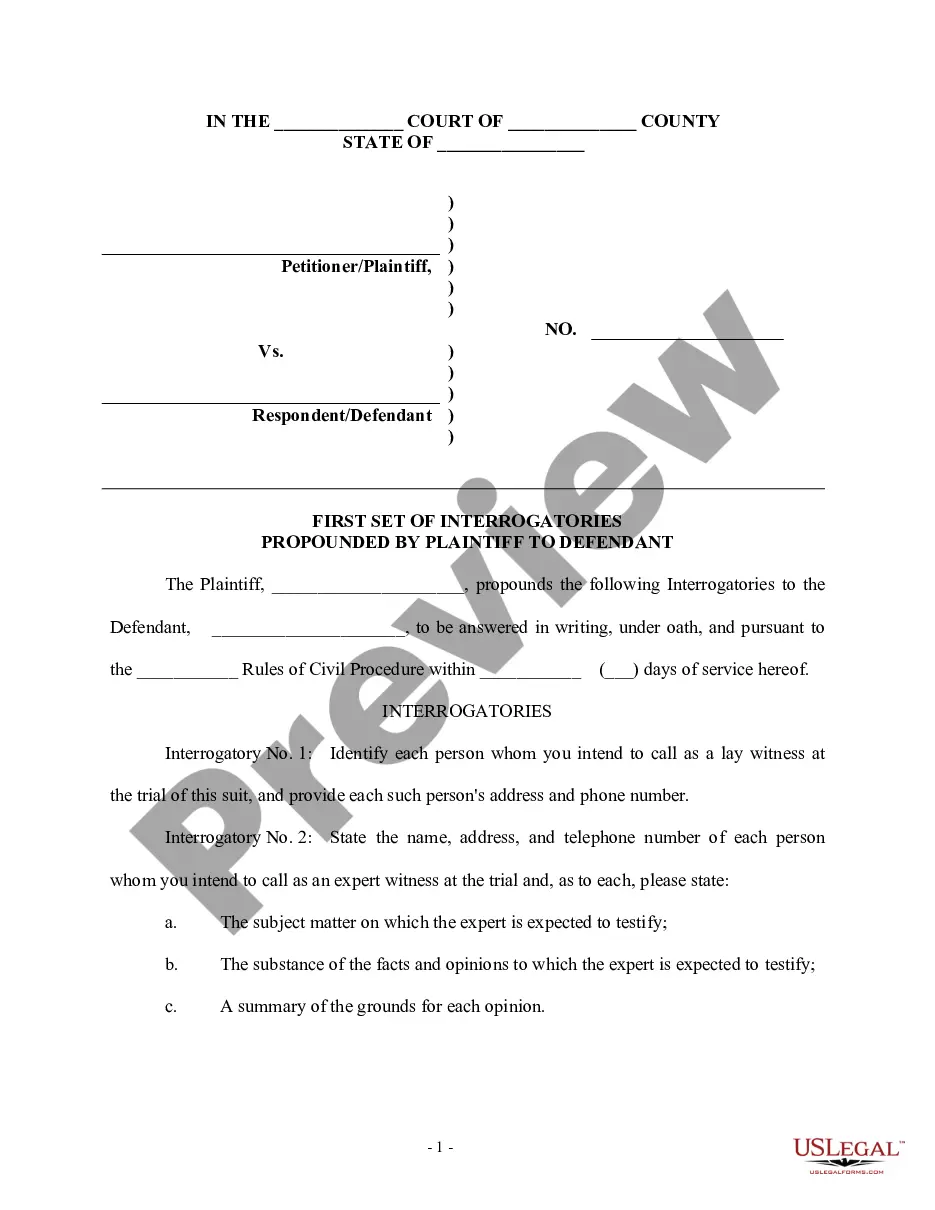
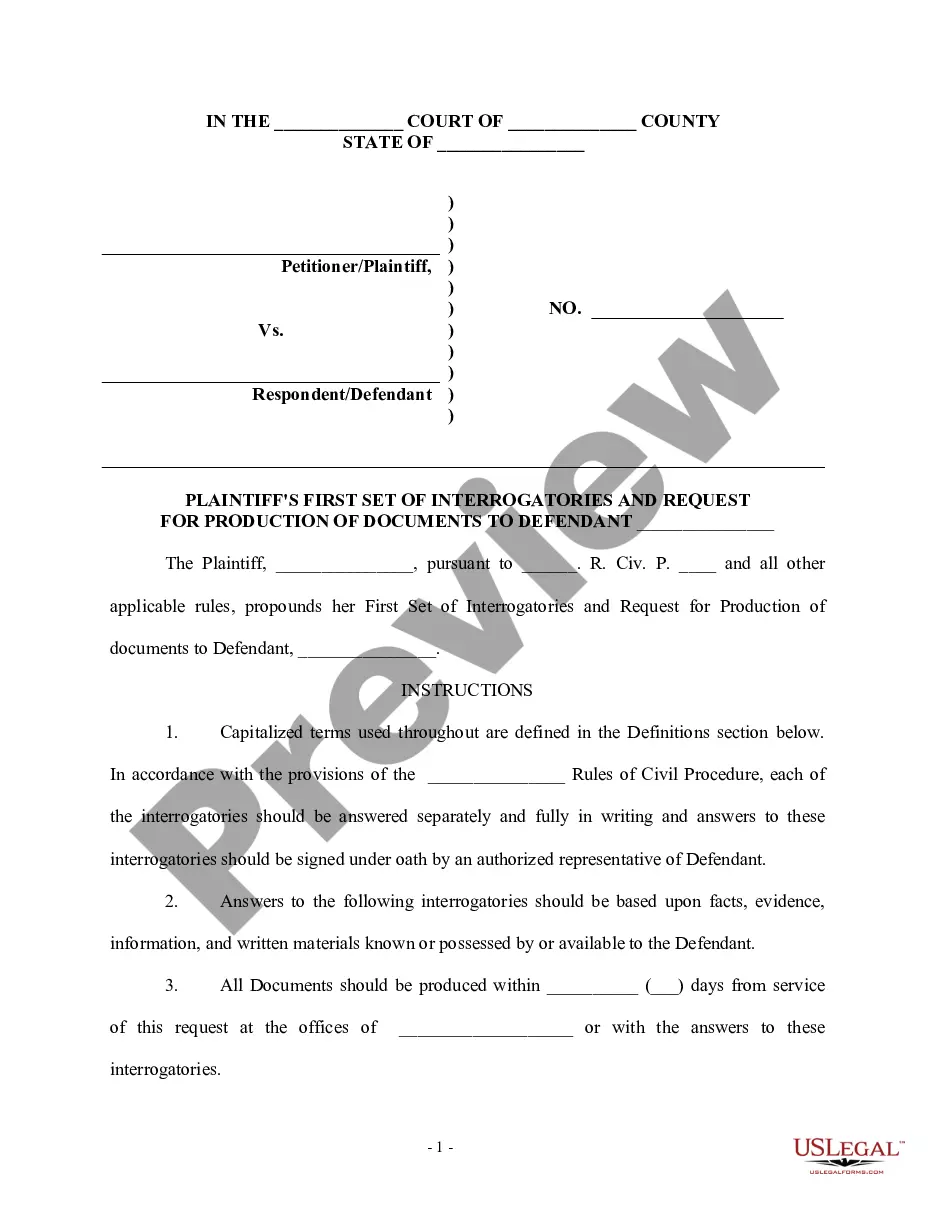
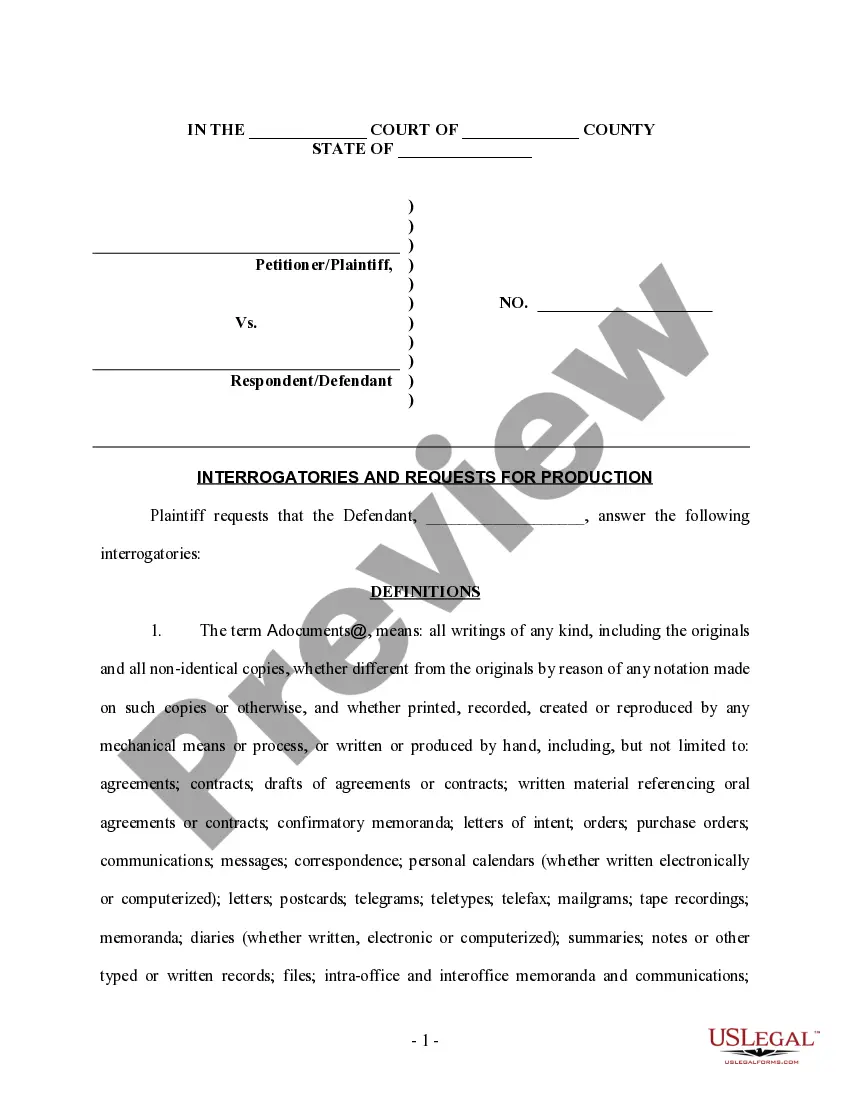
Get your form ready online
Our built-in tools help you complete, sign, share, and store your documents in one place.
Make edits, fill in missing information, and update formatting in US Legal Forms—just like you would in MS Word.
Download a copy, print it, send it by email, or mail it via USPS—whatever works best for your next step.
Sign and collect signatures with our SignNow integration. Send to multiple recipients, set reminders, and more. Go Premium to unlock E-Sign.
If this form requires notarization, complete it online through a secure video call—no need to meet a notary in person or wait for an appointment.
We protect your documents and personal data by following strict security and privacy standards.

Make edits, fill in missing information, and update formatting in US Legal Forms—just like you would in MS Word.

Download a copy, print it, send it by email, or mail it via USPS—whatever works best for your next step.

Sign and collect signatures with our SignNow integration. Send to multiple recipients, set reminders, and more. Go Premium to unlock E-Sign.

If this form requires notarization, complete it online through a secure video call—no need to meet a notary in person or wait for an appointment.

We protect your documents and personal data by following strict security and privacy standards.
Looking for another form?
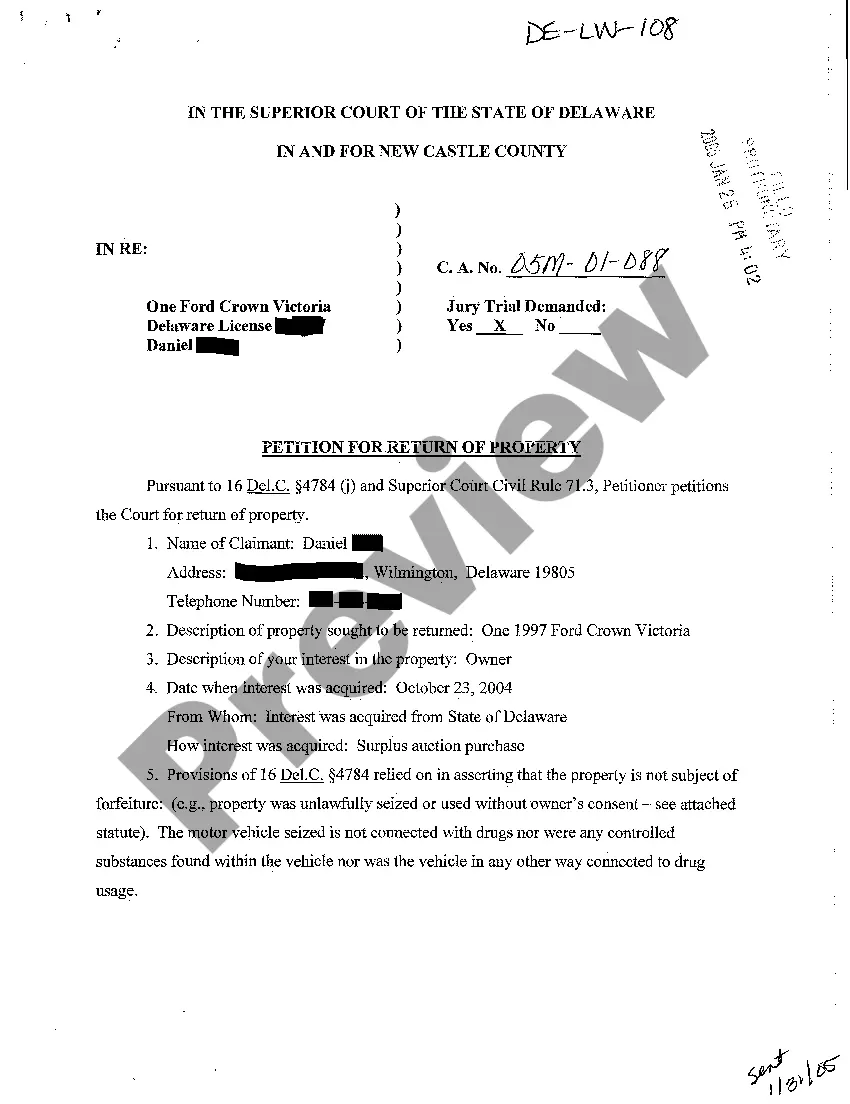
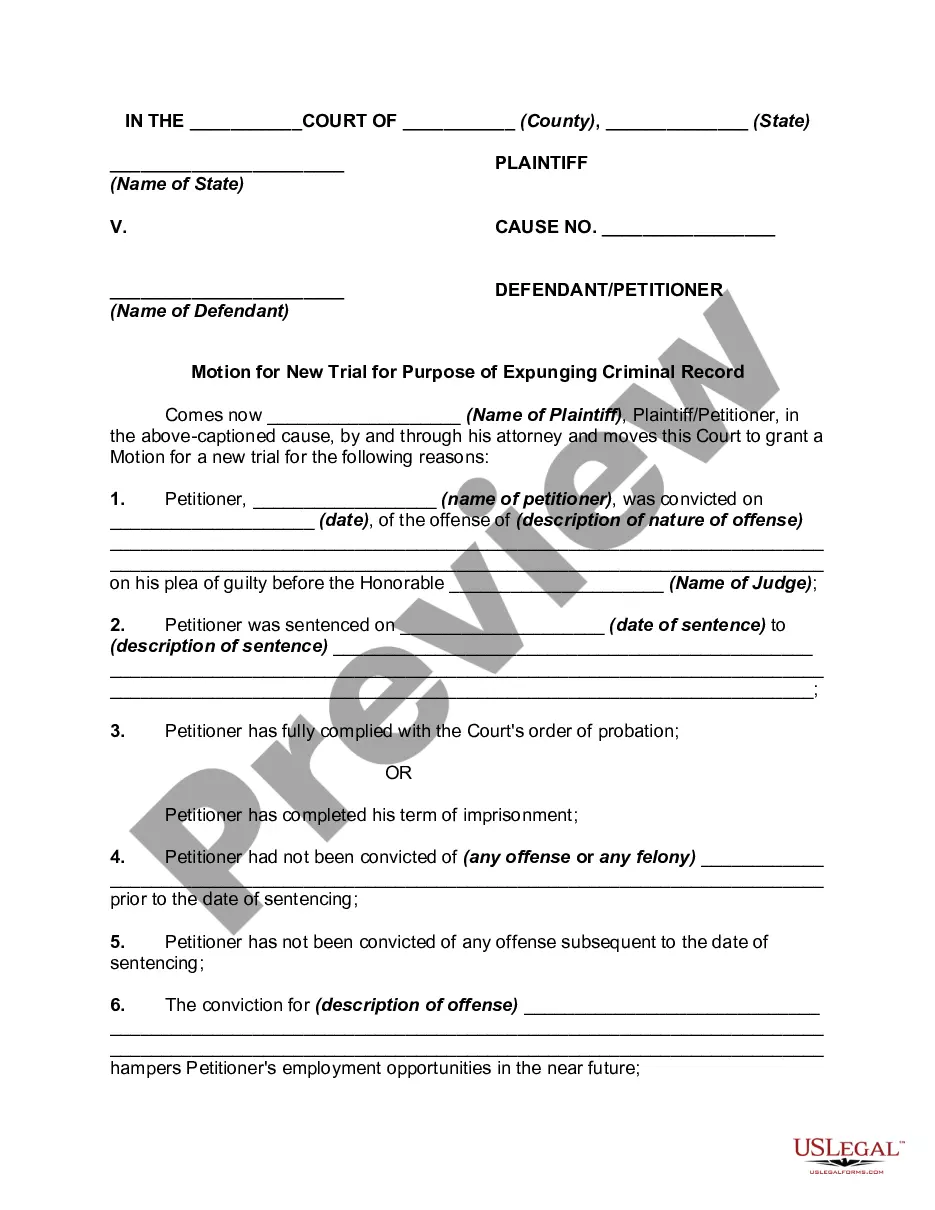
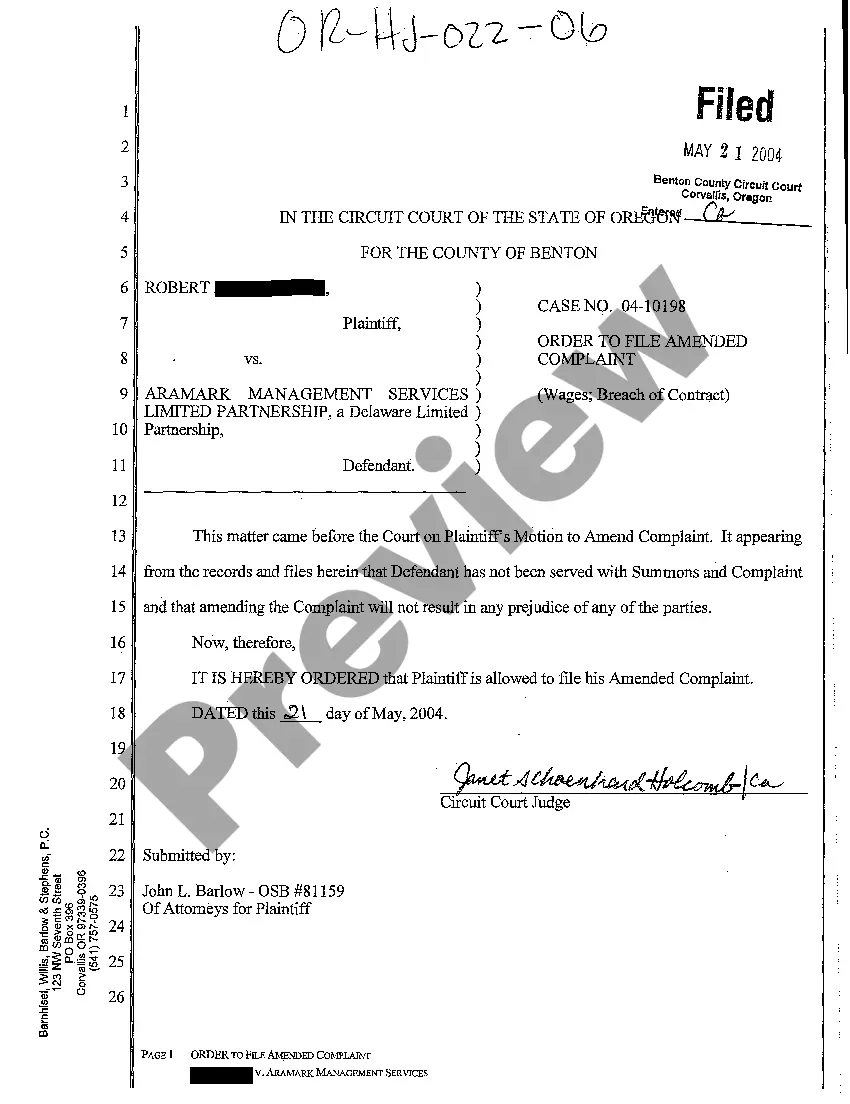



Form popularity
FAQ
Within twenty days after service of interrogatories, the party upon whom they are served shall serve upon each of the parties a copy of the answer to each interrogatory, except one to which the party objects, in which event the reasons for the objection shall be stated with reasonable particularity.
Service of interrogatories. After commencement of an action, any party may serve written interrogatories upon any other party. Interrogatories may not be served upon a defendant before that defendant's time for serving a responsive pleading has expired, except by leave of court granted with or without notice.
When a party to a civil case needs to get information from the other side, she can serve the other side with written requests called “discovery requests.” These requests might include: Interrogatories, which are written questions about things that are relevant or important to the case. (NRCP 33; JCRCP 33)
Interrogatories shall be answered in writing under oath by the party served, if an individual, or, if the party served is a corporation, a partnership or a sole proprietorship, by an officer, director, member, agent or employee having the information.
Attorneys must present a draft subpoena to the clerk of court in the jurisdiction where the evidence or witnesses they need are located. This draft should comply with the rules of the state, which in this case is New York. The clerk of court will then reissue a subpoena — no need for additional judicial intervention.
New York state law authorizes the “nail and mail” method of service, which authorizes the process server, after attempting service with “due diligence,” to (1) tape a copy of the summons and complaint to the door of the defendant's home or office; (2) mail a copy by first class mail to the defendant's home address; and ...
C.P.L.R. § 308 instructs how to serve process in New York State. Although it does not expressly include service by e-mail, case law is evolving so that service via e-mail is increasingly accepted by New York courts.
Proof of service shall be in the form of a certificate if the service is made by a sheriff or other authorized public officer, in the form of an affidavit if made by any other person, or in the form of a signed acknowledgement of receipt of a summons and complaint, or summons and notice or notice of petition as ...
(1) Unless otherwise provided, if a person fails to comply with a subpoena which is not returnable in a court, the issuer or the person on whose behalf the subpoena was issued may move in the supreme court to compel compliance.
Personal Service of Process in NY The most common way of effecting service upon a “natural person” is by hand delivery. Section 308 of the consolidated statutes (CPLR 308) states that personal service upon a person can be made “by delivering the summons within the state to the person to be served.” It's that simple.