Notice Of Motion For Discovery In Collin
Description


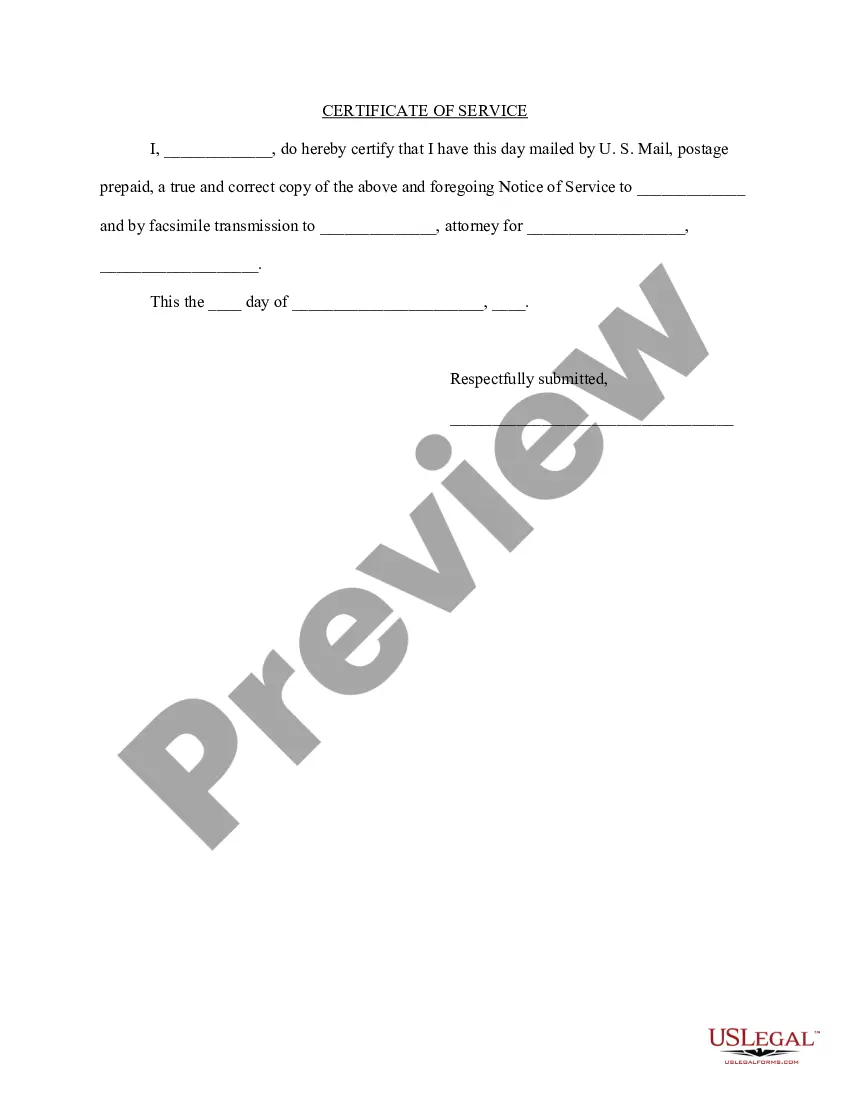
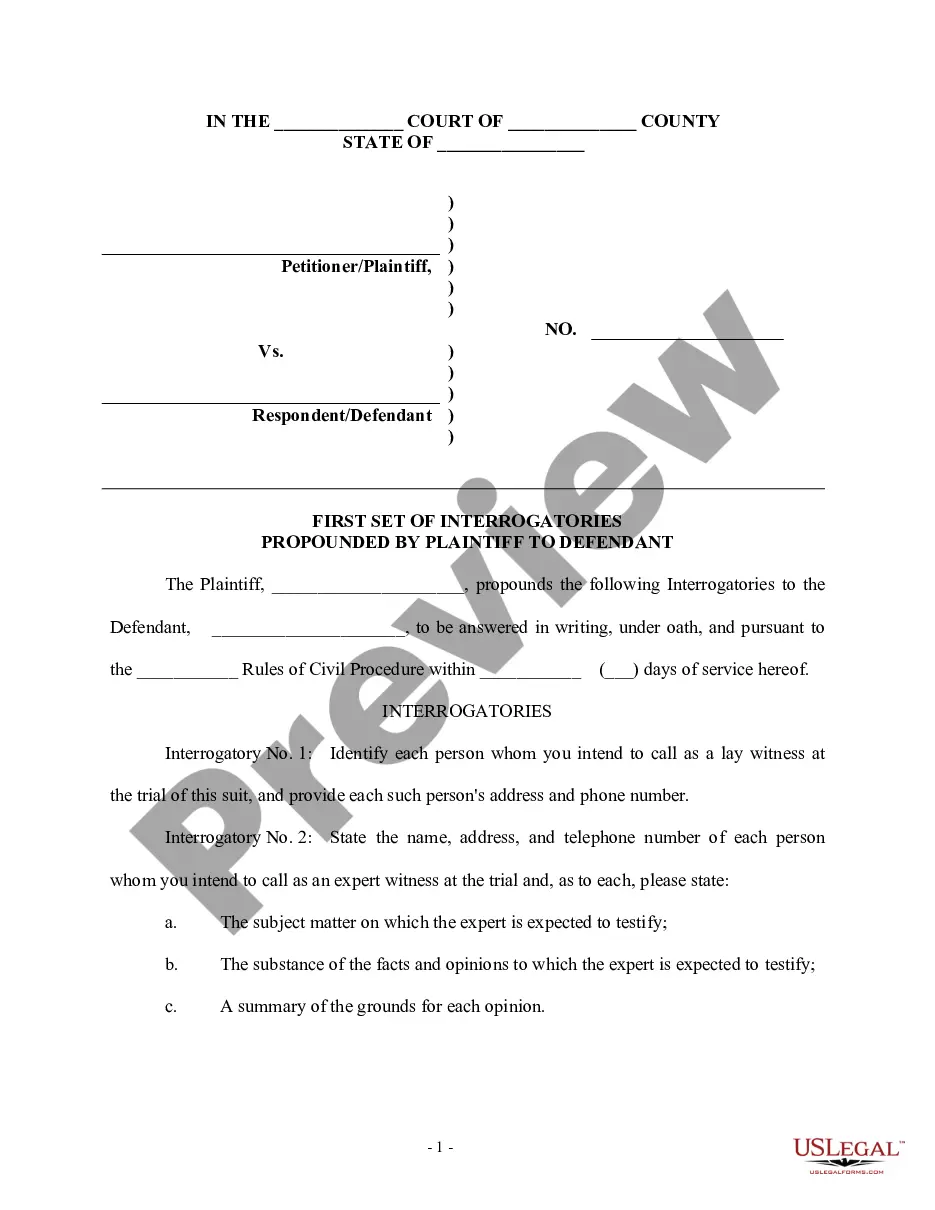
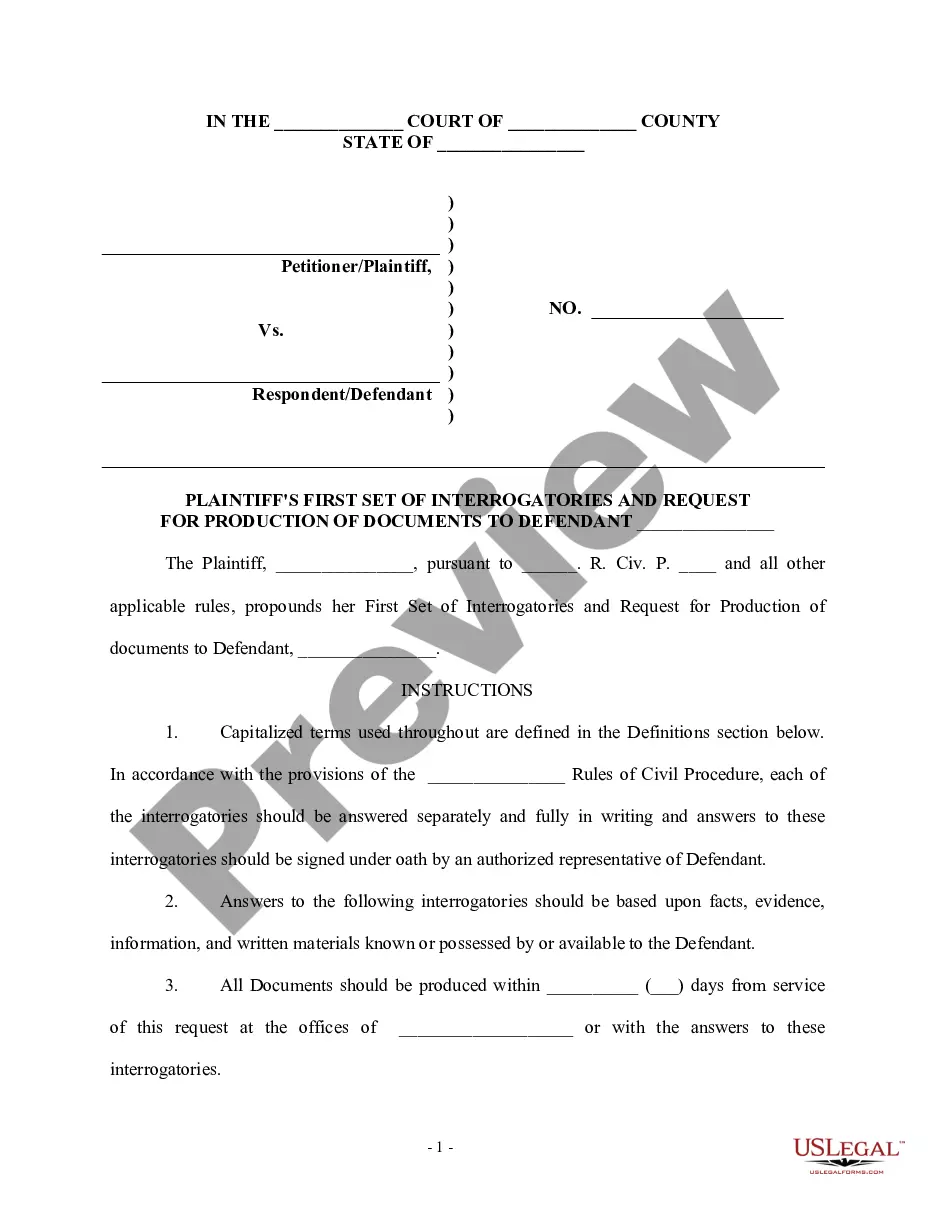
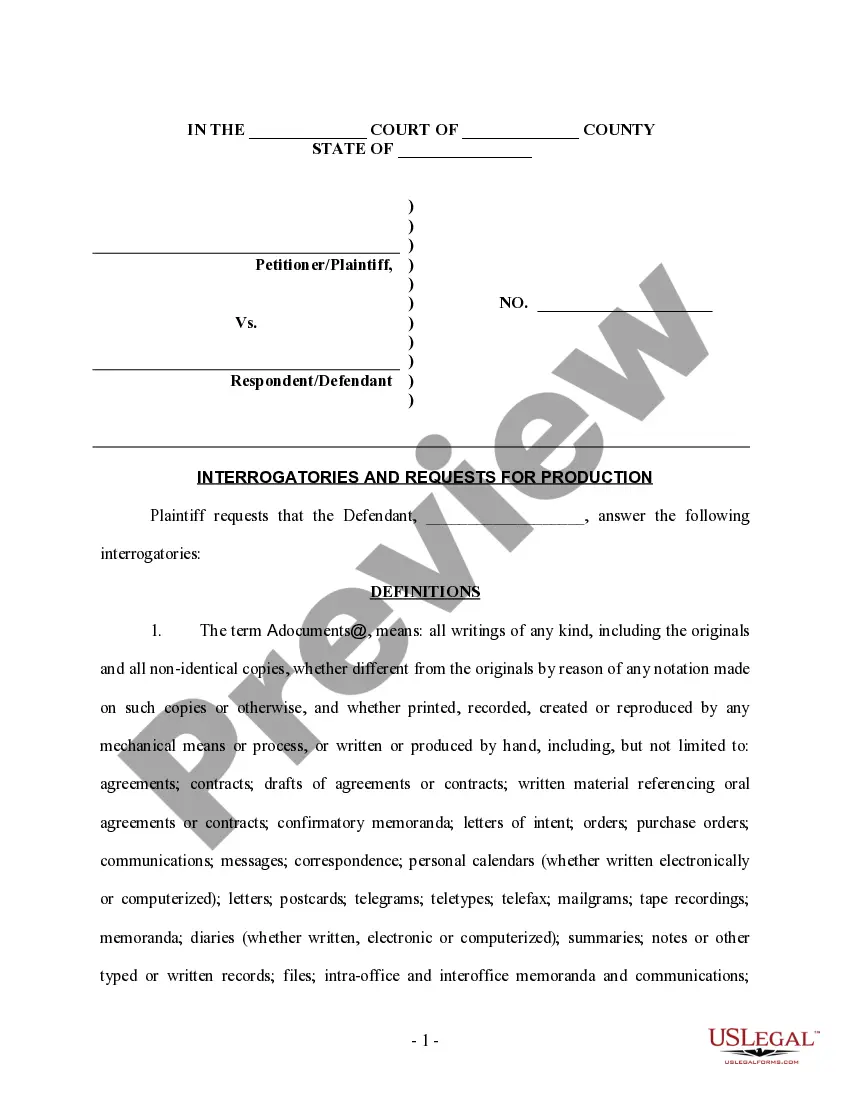
Get your form ready online
Our built-in tools help you complete, sign, share, and store your documents in one place.
Make edits, fill in missing information, and update formatting in US Legal Forms—just like you would in MS Word.
Download a copy, print it, send it by email, or mail it via USPS—whatever works best for your next step.
Sign and collect signatures with our SignNow integration. Send to multiple recipients, set reminders, and more. Go Premium to unlock E-Sign.
If this form requires notarization, complete it online through a secure video call—no need to meet a notary in person or wait for an appointment.
We protect your documents and personal data by following strict security and privacy standards.

Make edits, fill in missing information, and update formatting in US Legal Forms—just like you would in MS Word.

Download a copy, print it, send it by email, or mail it via USPS—whatever works best for your next step.

Sign and collect signatures with our SignNow integration. Send to multiple recipients, set reminders, and more. Go Premium to unlock E-Sign.

If this form requires notarization, complete it online through a secure video call—no need to meet a notary in person or wait for an appointment.

We protect your documents and personal data by following strict security and privacy standards.
Looking for another form?


Form popularity
FAQ
In their Motion to Stay, Plaintiffs move to stay all proceedings, including discovery, until the issue of remand and federal question jurisdiction has been resolved.
A standard entry on criminal dockets is “Motion for Discovery.” This motion is a tool your criminal defense lawyer uses to access the prosecution's information and evidence against you.
Think of discovery as obtaining and disclosing the evidence and position of each side of a case so that all parties involved can decide what their best options are – move forward toward to trial or negotiate an early settlement.
A motion for discovery is a legal motion filed to enforce discovery rights, whether in civil or criminal litigation. By filing such a motion, you're asking the court to intervene in the discovery process on your behalf.
Generally, the prosecution must provide discovery within a set period after the defense's formal request, often ranging from a few weeks to several months. Evidence should be available to the defense either at the preliminary hearing or after the accused has been indicted by a grand jury.
Generally, the prosecution must provide discovery within a set period after the defense's formal request, often ranging from a few weeks to several months. Evidence should be available to the defense either at the preliminary hearing or after the accused has been indicted by a grand jury.
Do Most Cases Settle After Discovery? Many personal injury lawsuits conclude either during or at the end of the discovery phase. In many cases, the defendants don't want evidence against them revealed in court.
Abstract of Judgment: If the defendant owns real property (land), you can get an abstract of judgment from the court that issued the judgment and file it with the county clerk in the county or counties where the defendant owns the property.
Once the motion for contempt is filed, the court will schedule a hearing. Attend the hearing and present evidence to support your claims of non-compliance. The court will assess the situation and determine appropriate remedies, which may include: Fines, sanctions, or other enforcement measures.
To start Collin County divorce filing, you can send your documents to the court via the eFile platform, which is most suitable for uncontested cases. Alternatively, you can go to the court clerk at the office of the District Clerk and file in person. The address is 2100 Bloomdale Road, Suite 12132, McKinney, TX 75071.