Service Notice By Email In Allegheny
Description


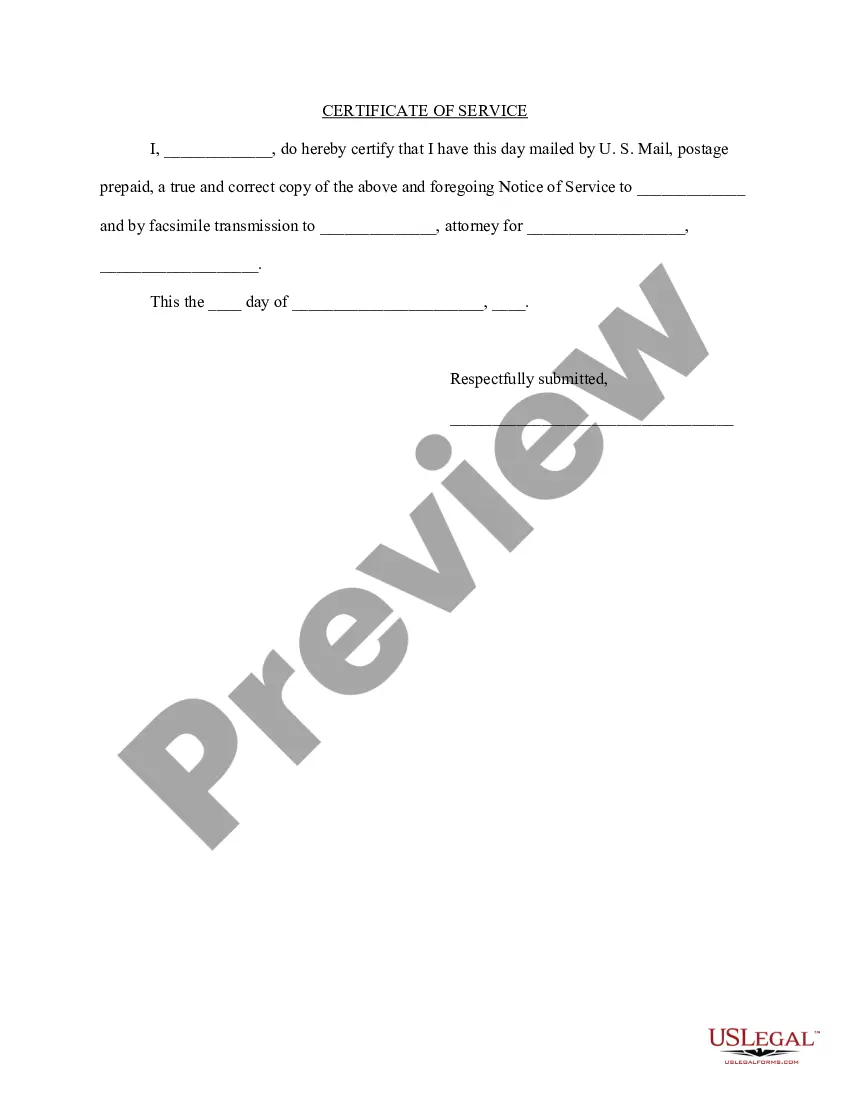
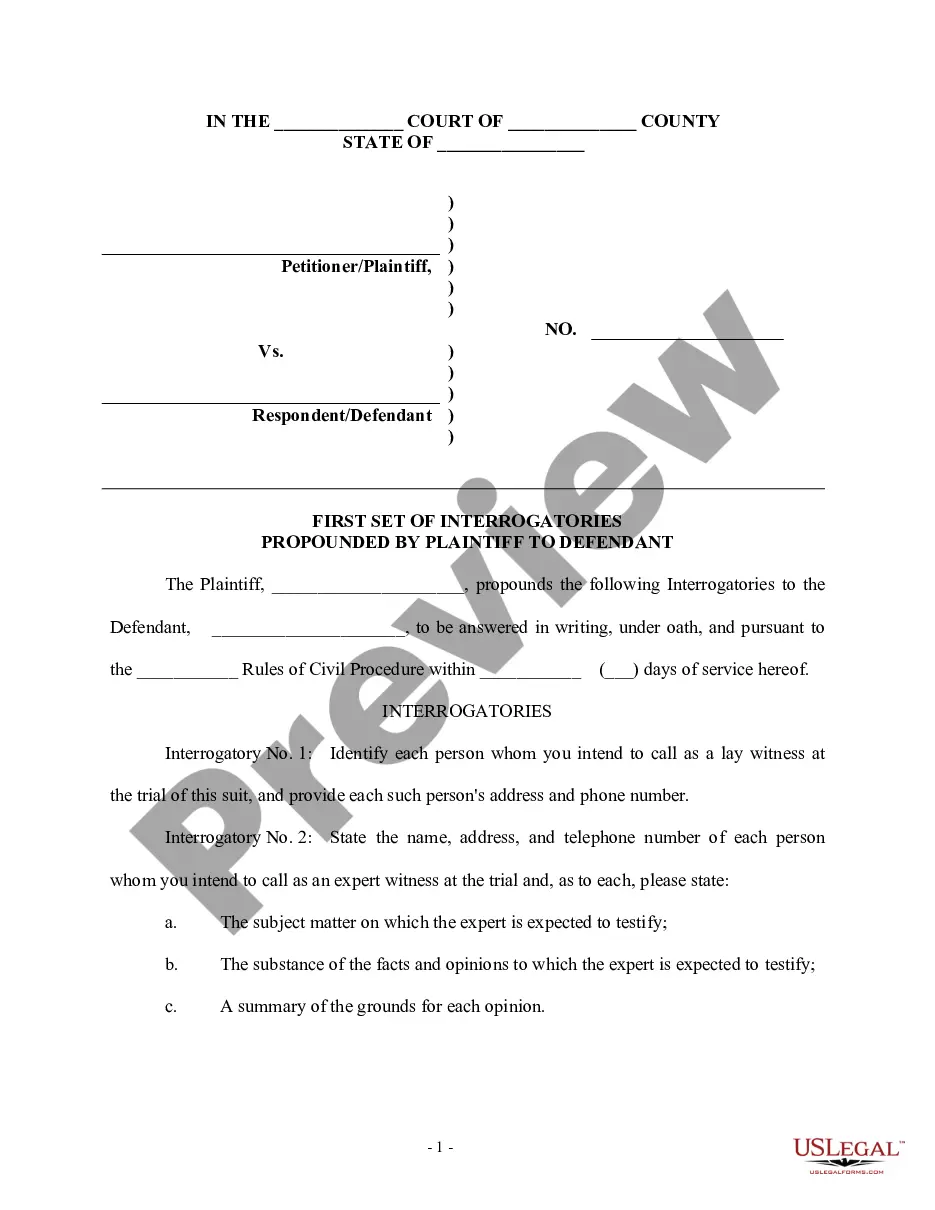

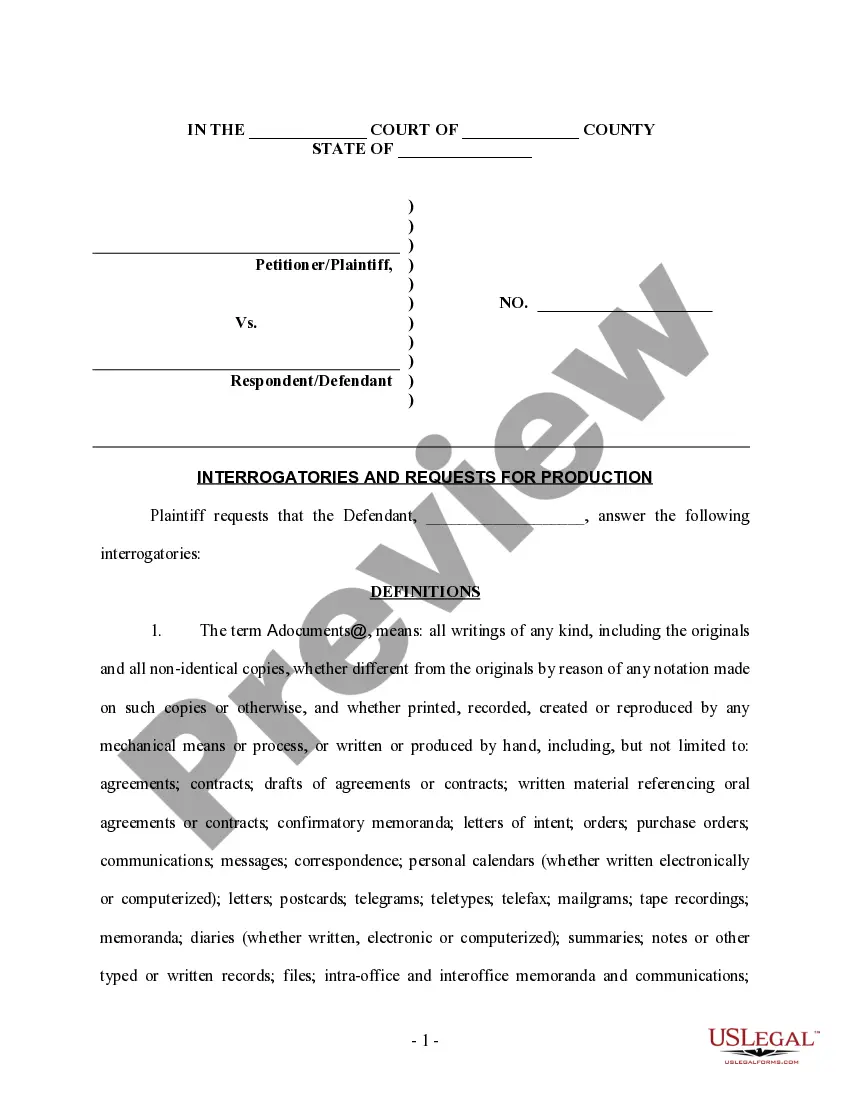
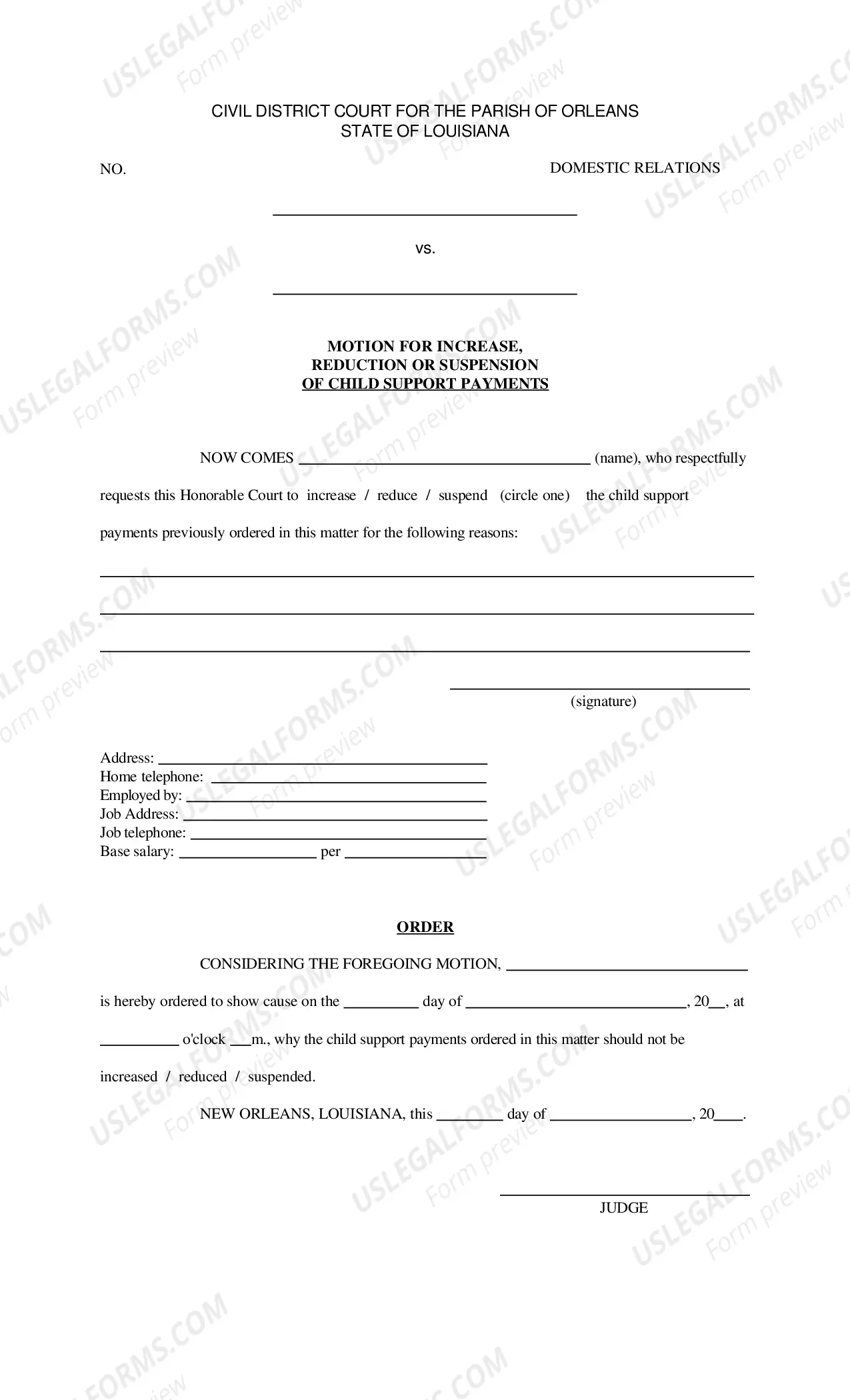
Get your form ready online
Our built-in tools help you complete, sign, share, and store your documents in one place.
Make edits, fill in missing information, and update formatting in US Legal Forms—just like you would in MS Word.
Download a copy, print it, send it by email, or mail it via USPS—whatever works best for your next step.
Sign and collect signatures with our SignNow integration. Send to multiple recipients, set reminders, and more. Go Premium to unlock E-Sign.
If this form requires notarization, complete it online through a secure video call—no need to meet a notary in person or wait for an appointment.
We protect your documents and personal data by following strict security and privacy standards.

Make edits, fill in missing information, and update formatting in US Legal Forms—just like you would in MS Word.

Download a copy, print it, send it by email, or mail it via USPS—whatever works best for your next step.

Sign and collect signatures with our SignNow integration. Send to multiple recipients, set reminders, and more. Go Premium to unlock E-Sign.

If this form requires notarization, complete it online through a secure video call—no need to meet a notary in person or wait for an appointment.

We protect your documents and personal data by following strict security and privacy standards.
Looking for another form?


Form popularity
FAQ
Individuals and businesses may use emails to send legally binding documents. Sending contracts via email is a common practice and generally held to be legal, provided the documents thus conveyed contain the essential elements of a contract.
Contact the Allegheny Link by email at AlleghenyLink@AlleghenyCounty or by phone at 1-866-730-2368.
You cannot personally serve the other party. A competent person over the age of 18, who is not a party on the case, or a family member; can serve the other party for you. This person could be a friend, sheriff, constable, etc. You can also serve them via mail or serve their attorney.
Yes, text messages are admissible in court, but only if they were legally obtained. This means a person must voluntarily provide the court with the text messages.
When being served by mail, parties have an additional five calendar days to respond, but with eService parties have an additional two court days (CCP 1010.6 B).
While the change means a party can serve a summons and a complaint by email, text message, or social media, these methods “are not exclusive.” A trial court may order a different method of service as long as it is consistent with due process.
How Can I Serve Someone Electronically? The party requesting electronic service must first file a motion with the court and include a supporting affidavit stating the reasons why the recipient likely owns a specific email address, cellphone number, or social media account.
If the server consistently fails to reach you despite multiple attempts, they may resort to alternative legal methods or petition the court for permission to use alternative means of service. Most process servers typically make multiple attempts to serve legal documents, often ranging from three to five attempts.
Pennsylvania family Court records are open to the public in line with the state's open records policy, Right-to-Know law.
Under such circumstances, courts have held that service by e-mail alone comports with due process so long as the plaintiff establishes the e-mail is likely to reach the defendant and the record discloses diligent efforts by the plaintiff to obtain a physical address to effect traditional service, the defendant conducts ...