Corporate Insolvency Resolution Process With Example In Minnesota
Description

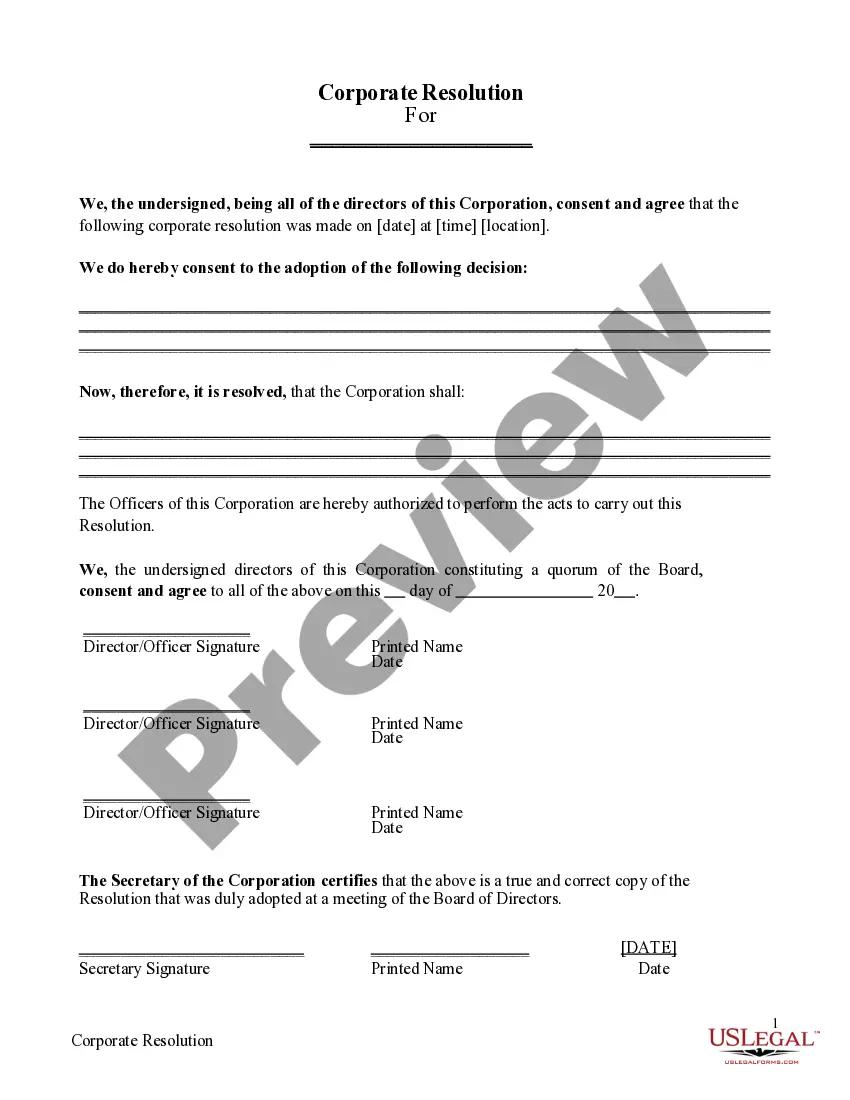
Get your form ready online
Our built-in tools help you complete, sign, share, and store your documents in one place.
Make edits, fill in missing information, and update formatting in US Legal Forms—just like you would in MS Word.
Download a copy, print it, send it by email, or mail it via USPS—whatever works best for your next step.
Sign and collect signatures with our SignNow integration. Send to multiple recipients, set reminders, and more. Go Premium to unlock E-Sign.
If this form requires notarization, complete it online through a secure video call—no need to meet a notary in person or wait for an appointment.
We protect your documents and personal data by following strict security and privacy standards.

Make edits, fill in missing information, and update formatting in US Legal Forms—just like you would in MS Word.

Download a copy, print it, send it by email, or mail it via USPS—whatever works best for your next step.

Sign and collect signatures with our SignNow integration. Send to multiple recipients, set reminders, and more. Go Premium to unlock E-Sign.

If this form requires notarization, complete it online through a secure video call—no need to meet a notary in person or wait for an appointment.

We protect your documents and personal data by following strict security and privacy standards.
Looking for another form?
Form popularity
FAQ
CIRP is the process through which it is determined whether the person who has defaulted is capable of repayment or not (IRPs will evaluate the assets and liabilities to determine the repayment capability). If a person is not capable of repaying the debt the company is restructured or liquidated.
Insolvency law distinguishes three basic ways of handling a debtor's insolvency or impending insolvency in insolvency proceedings – bankruptcy, reorganisation or debt relief. The Insolvency Act does not dictate which of the different insolvency methods is to be used by a particular debtor, but leaves the choice open.
The following is the processes for resolution or liquidation of corporate which are as follows : Step 1: Application To The NCLT. Step 2: Appointment of Interim insolvency Resolution Professional. Step 3: Moratorium. Step 4: Verification and analysis of claims. Step 5: Appointment of the resolution professional.
The Corporate Insolvency Resolution Process ('CIRP') is a recovery mechanism for the creditors of a corporate debtor. A corporate debtor means a company or Limited Liability Partnership ('LLP') that owes a debt to its creditors.
Insolvency procedures generally require two elements. The first is a legal framework that sets forth the rights and obligations of participants, both substantively and procedurally. The second is an institutional framework that will implement these rights and obligations.
This process is called compulsory liquidation, and generally begins with the issue of a statutory demand against the debtor company, closely followed by a winding-up petition. Company directors may also decide that voluntary liquidation is the best option if they fear such legal action by creditors is imminent.
Corporate Bankruptcy For corporations, the assets and liabilities primarily belong to the legal entity. In this case, the business goes bankrupt, not the individual. The legal structure of a corporation protects the individual's assets in a Bankruptcy proceeding.