Corporate Insolvency Resolution Process With Example In Massachusetts
Description

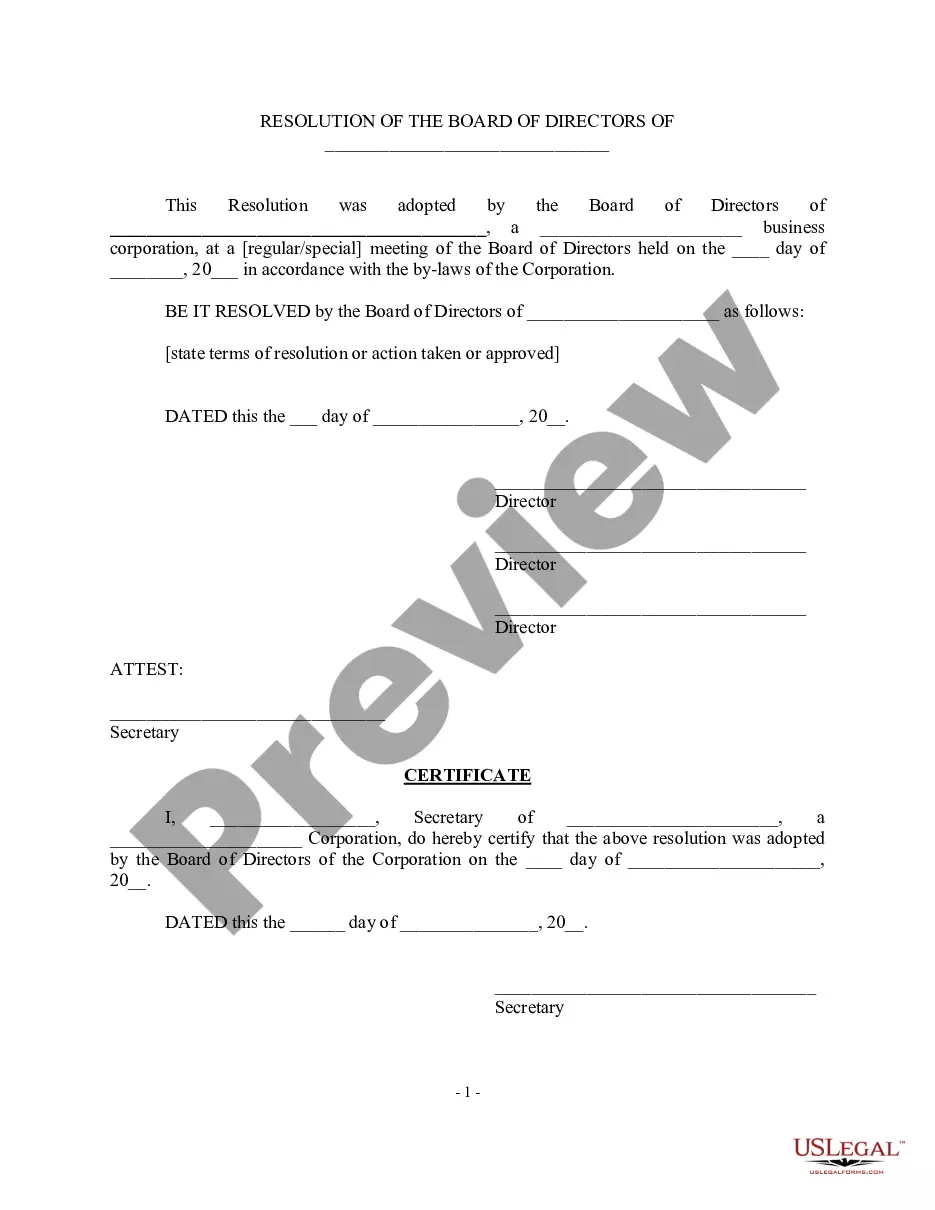
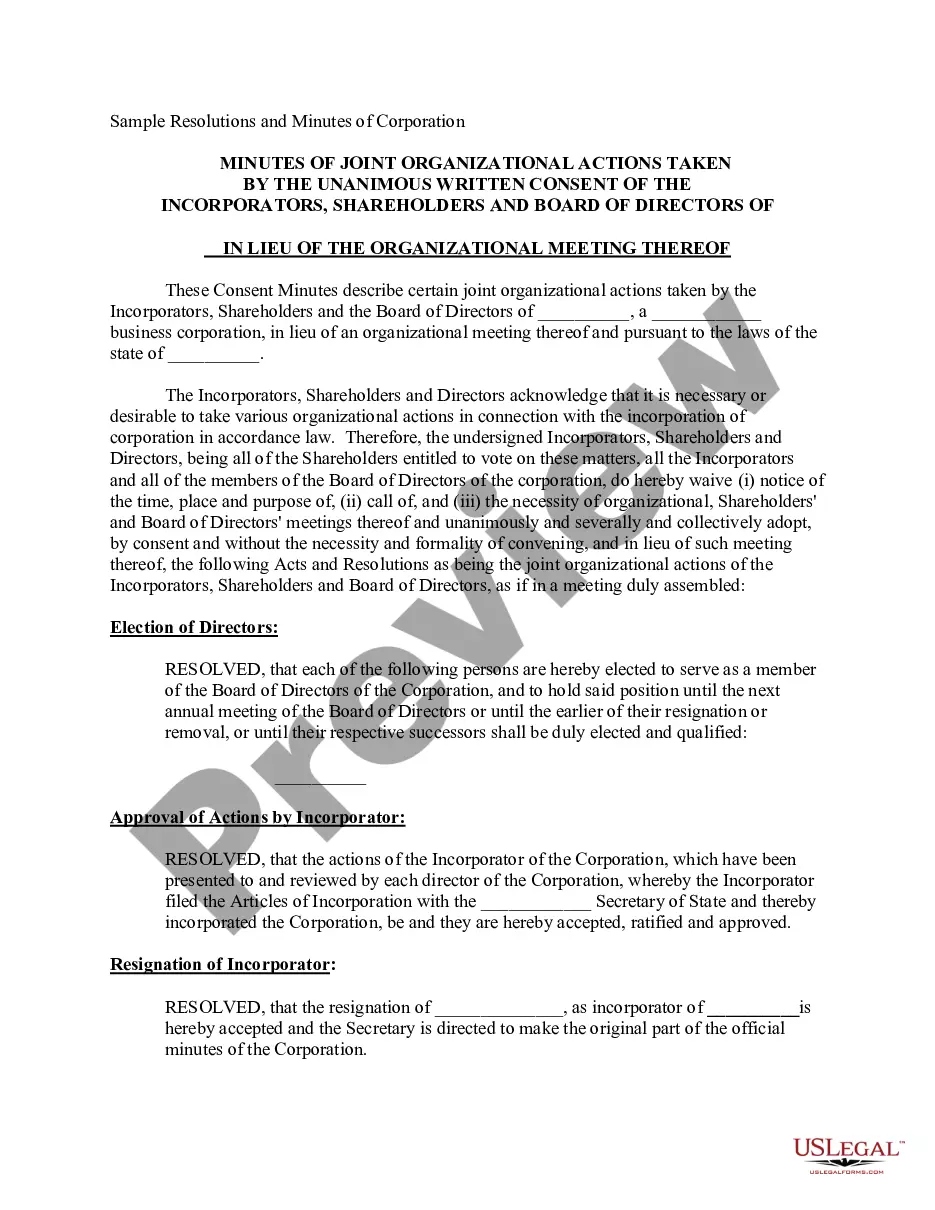
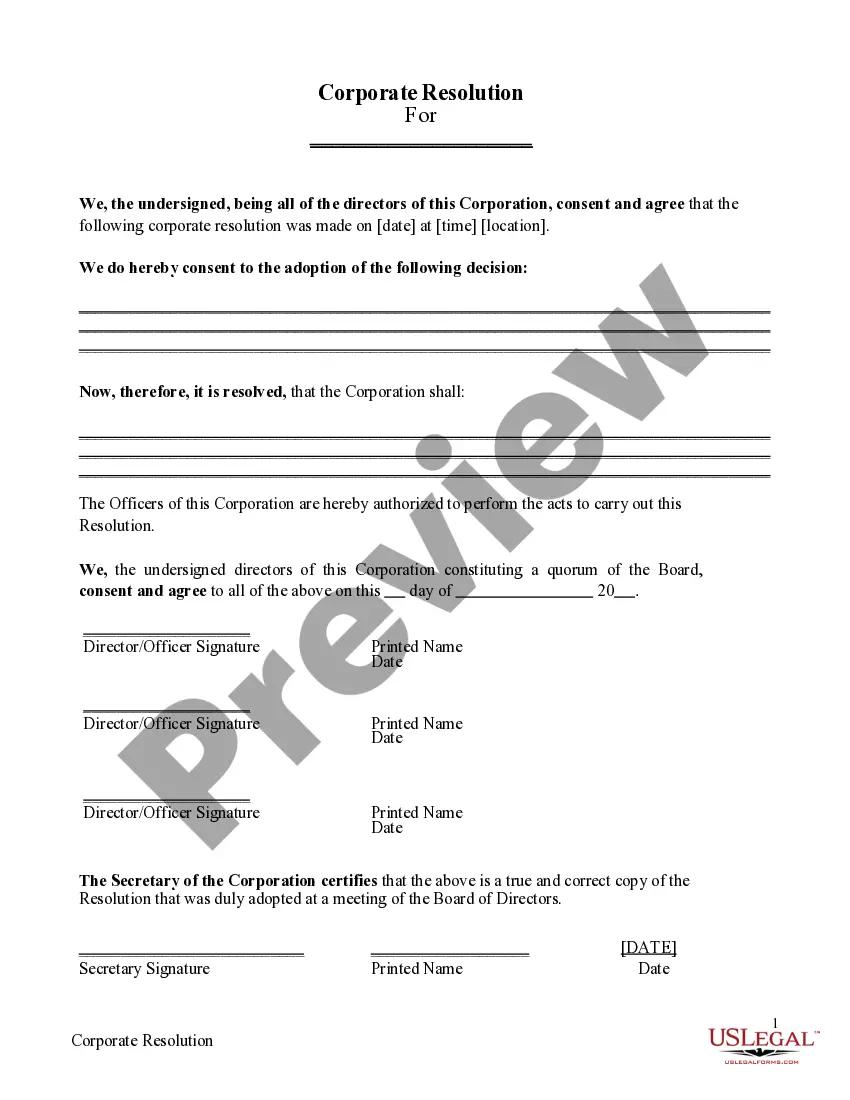
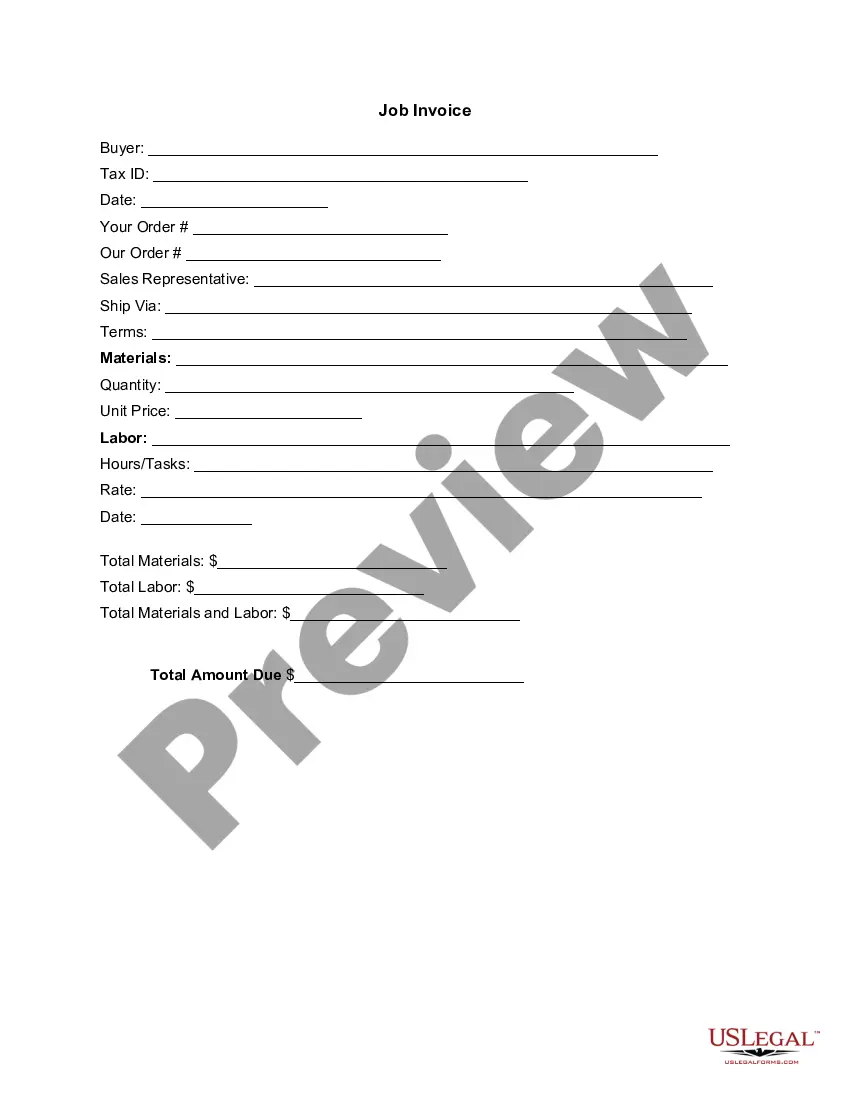
Get your form ready online
Our built-in tools help you complete, sign, share, and store your documents in one place.
Make edits, fill in missing information, and update formatting in US Legal Forms—just like you would in MS Word.
Download a copy, print it, send it by email, or mail it via USPS—whatever works best for your next step.
Sign and collect signatures with our SignNow integration. Send to multiple recipients, set reminders, and more. Go Premium to unlock E-Sign.
If this form requires notarization, complete it online through a secure video call—no need to meet a notary in person or wait for an appointment.
We protect your documents and personal data by following strict security and privacy standards.

Make edits, fill in missing information, and update formatting in US Legal Forms—just like you would in MS Word.

Download a copy, print it, send it by email, or mail it via USPS—whatever works best for your next step.

Sign and collect signatures with our SignNow integration. Send to multiple recipients, set reminders, and more. Go Premium to unlock E-Sign.

If this form requires notarization, complete it online through a secure video call—no need to meet a notary in person or wait for an appointment.

We protect your documents and personal data by following strict security and privacy standards.
Looking for another form?
Form popularity
FAQ
(2) An application for fast track corporate insolvency resolution process may be made in respect of the following corporate debtors, namely:— (a) a corporate debtor with assets and income below a level as may be notified by the Central Government; or (b) a corporate debtor with such class of creditors or such amount of ...
A financial creditor, an operational creditor, or the company itself may commence CIRP if it becomes bankrupt. Following the submission of an application, CIRP is activated. The CIRP process determines whether or not the person who has defaulted is capable of repaying the debt.
(1) A corporate applicant, shall make an application for initiating the corporate insolvency resolution process against a corporate debtor under section 10 of the Code in Form 6, accompanied with documents and records required therein and as specified in the Insolvency and Bankruptcy Board of India (Insolvency ...
This process is called compulsory liquidation, and generally begins with the issue of a statutory demand against the debtor company, closely followed by a winding-up petition. Company directors may also decide that voluntary liquidation is the best option if they fear such legal action by creditors is imminent.
