Settlement Agreement Example In Riverside
Description


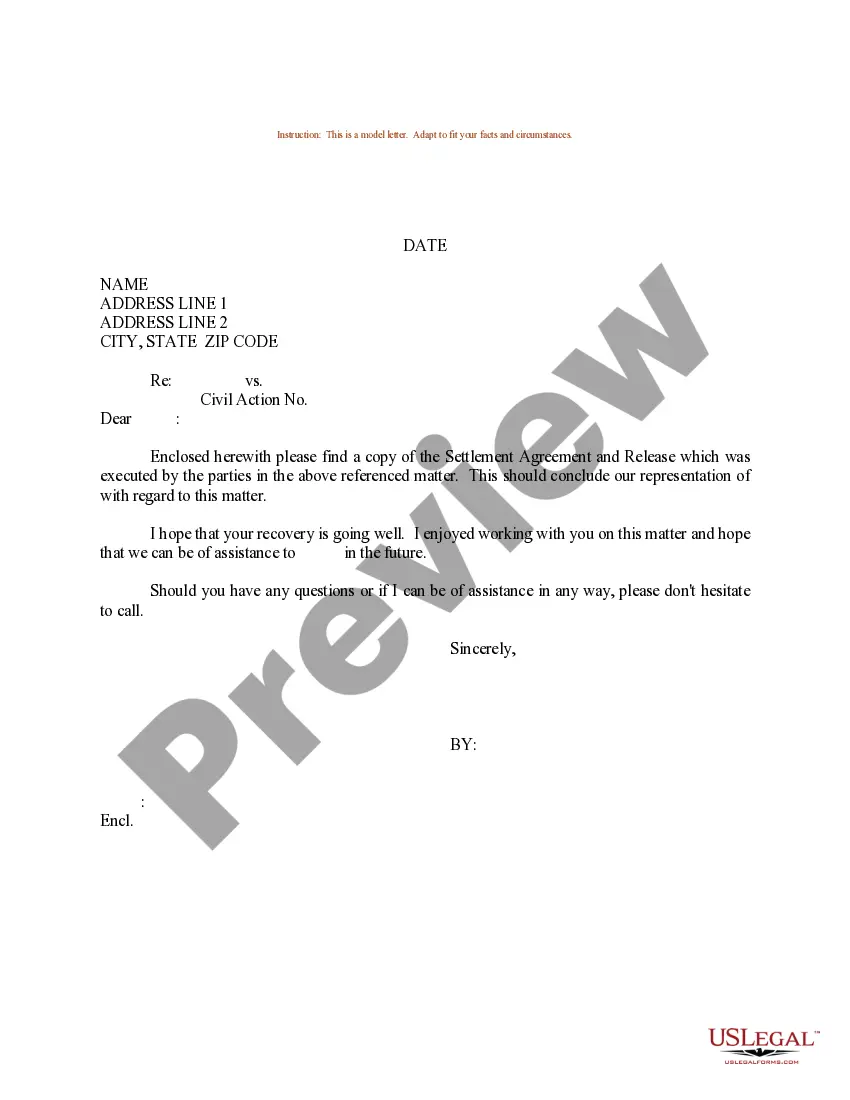
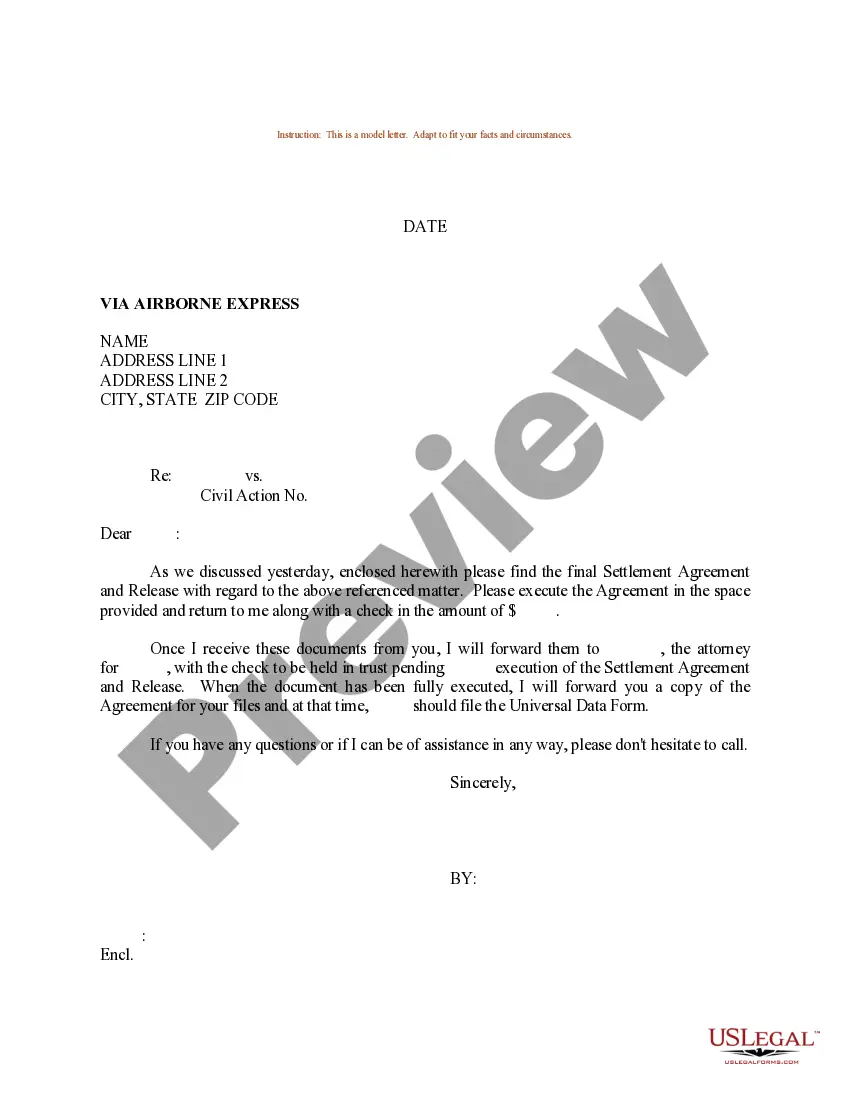
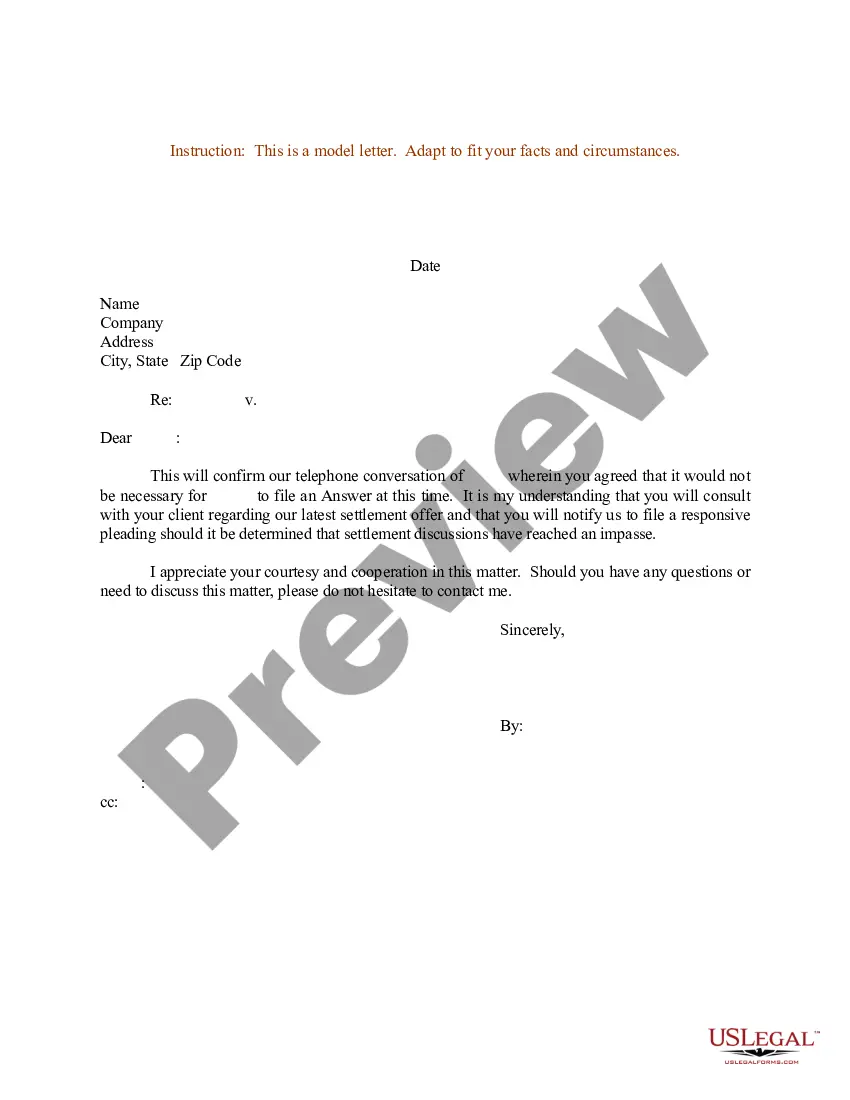
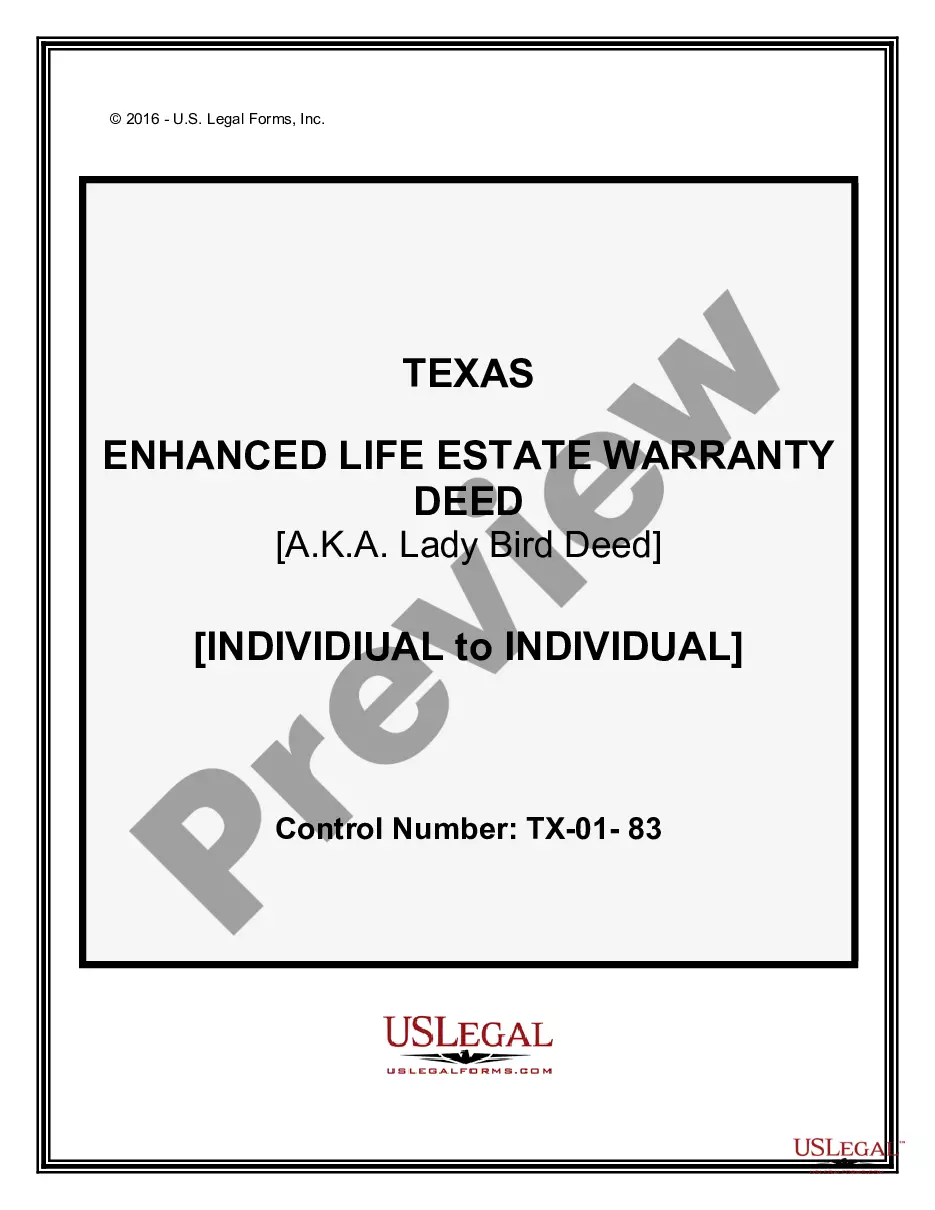
Get your form ready online
Our built-in tools help you complete, sign, share, and store your documents in one place.
Make edits, fill in missing information, and update formatting in US Legal Forms—just like you would in MS Word.
Download a copy, print it, send it by email, or mail it via USPS—whatever works best for your next step.
Sign and collect signatures with our SignNow integration. Send to multiple recipients, set reminders, and more. Go Premium to unlock E-Sign.
If this form requires notarization, complete it online through a secure video call—no need to meet a notary in person or wait for an appointment.
We protect your documents and personal data by following strict security and privacy standards.

Make edits, fill in missing information, and update formatting in US Legal Forms—just like you would in MS Word.

Download a copy, print it, send it by email, or mail it via USPS—whatever works best for your next step.

Sign and collect signatures with our SignNow integration. Send to multiple recipients, set reminders, and more. Go Premium to unlock E-Sign.

If this form requires notarization, complete it online through a secure video call—no need to meet a notary in person or wait for an appointment.

We protect your documents and personal data by following strict security and privacy standards.
Looking for another form?






Form popularity
FAQ
When creating your divorce settlement agreement, be sure to include the following details: Identification of the parties. Identification of all minor children of the marriage. Detailed division of property. Spousal support. Division of debts. Child custody and visitation. Clauses to Consider Adding.
Steps Search for forms or templates. Name the parties to the agreement. Provide information about the marriage. Include a statement about your separation and pending divorce. Outline the sections of the agreement. Describe any agreement made regarding legal fees and court costs.
The written statement must contain a concise statement of the material facts of the case and the factual and legal contentions in dispute. The statement must identify all parties and their capacities in the action and contain citations of authorities which support legal propositions important to resolution of the case.
How to Write a Settlement Agreement for a Divorce Gather Information About Assets, Debts, and Child Custody Needs. Draft a Clear Outline of the Agreement. Specify Terms for Property Division and Debt Allocation. Address Spousal Support and Child Custody Arrangements. Include a Dispute Resolution Clause.
You both must sign the agreement. If your spouse didn't file a response in this case, their signature must be notarized. This means an official checks their ID and then has them sign the document in front of them.
To meet the requirements of summary enforcement, an out-of-court written settlement agreement must be signed by the parties themselves and not just their attorneys. In addition, all of the parties to the settlement agreement must sign the agreement and not just the party against whom enforcement is sought.
At the outset of settlement negotiations, list all individuals and entities—both for the plaintiff and the defendant—that the agreement will cover. ✔ List all legal issues to be settled. List all claims your adversary may legally release via settlement. Verify the agreement covers these claims.
It is generally a good idea to have a skilled attorney draft the settlement agreement, which will resolve your civil lawsuit.
Write the contract in six steps Start with a contract template. Open with the basic information. Describe in detail what you have agreed to. Include a description of how the contract will be ended. Write into the contract which laws apply and how disputes will be resolved. Include space for signatures.
Treat the following as a set of general guidelines: Gather complete information before you start writing. Describe your injuries and medical treatment. List your medical expenses, lost wages, and non-economic damages. Make a settlement demand. Include a deadline for legal action if you want to, but don't bluff.